 Wondershare EdrawMind
MindMap Gallery pathology
- 148
pathology
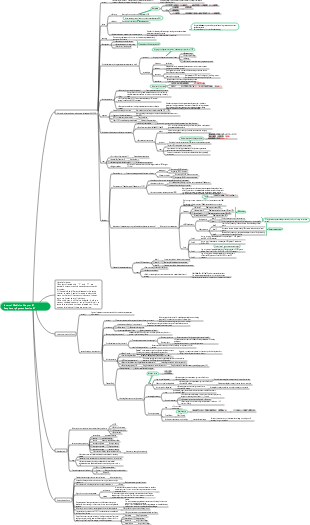
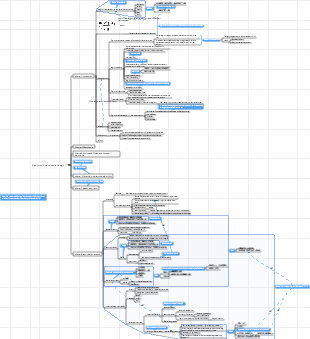
Postgraduate Western Comprehensive Examination 301 General Introduction to Pathology (excluding rheumatism and immunity), summarizes the important knowledge points of the general introduction to pathology, helping candidates to clarify their thinking, grasp the key points, and lay a solid foundation for successfully passing Postgraduate Western Comprehensive Examination 301.
Edited at 2024-11-29 17:12:56
- 把時間當作朋友
這是一篇關於把時間當作朋友的心智圖,《把時間當作朋友》是一本關於時間管理和個人成長的實用指南。作者李笑來透過豐富的故事和生動的例子,教導讀者如何克服拖延、提高效率、規劃未來等實用技巧。這本書不僅適合正在為未來奮鬥的年輕人,也適合所有希望更好地管理時間、實現個人成長的人。
- Treat time as a friend
This is a mind map about treating time as a friend. "Treating Time as a Friend" is a practical guide on time management and personal growth. Author Li Xiaolai teaches readers practical skills on how to overcome procrastination, improve efficiency, and plan for the future through rich stories and vivid examples. This book is not only suitable for young people who are struggling for the future, but also for everyone who wants to better manage time and achieve personal growth.
- 高效能人士的七個習慣
這七個習慣相輔相成,共同構成了高效能人士的核心特質。透過培養這些習慣,人們可以提升自己的領導力、溝通能力、團隊協作能力和自我管理能力,從而在工作和生活中取得更大的成功。
pathology
- 把時間當作朋友
這是一篇關於把時間當作朋友的心智圖,《把時間當作朋友》是一本關於時間管理和個人成長的實用指南。作者李笑來透過豐富的故事和生動的例子,教導讀者如何克服拖延、提高效率、規劃未來等實用技巧。這本書不僅適合正在為未來奮鬥的年輕人,也適合所有希望更好地管理時間、實現個人成長的人。
- Treat time as a friend
This is a mind map about treating time as a friend. "Treating Time as a Friend" is a practical guide on time management and personal growth. Author Li Xiaolai teaches readers practical skills on how to overcome procrastination, improve efficiency, and plan for the future through rich stories and vivid examples. This book is not only suitable for young people who are struggling for the future, but also for everyone who wants to better manage time and achieve personal growth.
- 高效能人士的七個習慣
這七個習慣相輔相成,共同構成了高效能人士的核心特質。透過培養這些習慣,人們可以提升自己的領導力、溝通能力、團隊協作能力和自我管理能力,從而在工作和生活中取得更大的成功。
- Recommended to you
- Outline

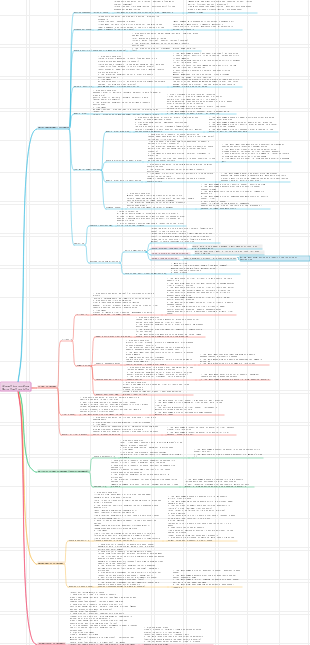





pathology
Adaptation and damage
adapt
shrink
Physiological
Adolescent thymus, elderly brain, elderly uterus, testicles
pathological
dystrophic
First adipose tissue
compressive atrophy
atrophy due to urinary tract obstruction
apraxia
Being immobile for a long time after a limb fracture
Denervation
poliovirus
endocrine
Pituitary ischemia causes adrenal atrophy
Aging
damage atrophy
Pathological changes
Lipofuscin granules appear
Fat
physiological hypertrophy
compensatory
Skeletal muscle thickening and hypertrophy
endocrine
Estrogen and progesterone during pregnancy cause uterine hypertrophy
pathological hypertrophy
compensatory hypertrophy
Hypertensive heart disease
endocrine
Hyperthyroidism Thyroid follicular epithelial hypertrophy
hyperplasia
The test points for hyperplasia and hypertrophy are mainly three types of cells in the body: whether they can proliferate
unstable
Blood cells + covering epithelium
stable
smooth muscle
liver cells
glandular epithelium
renal tubular epithelium
permanent
neuron
myocardium
skeletal muscle
peanut
Metaplasia is not caused by the direct transformation of the original mature cells, but by the division, proliferation and multi-directional transformation of the original cells. The result of transdifferentiation of differentiated stem cells or undifferentiated mesenchymal cells in connective tissue
The etiological mechanism of cell tissue damage
It is not often tested. It is mostly caused by hypoxia and ischemia, which causes damage to the sodium pump on the cell membrane.
Reversible damage (degeneration) of cells: Abnormal accumulation of normal substances or Abnormal substances that appear
Cellular edema (accumulation of water)
aqueous degeneration
It is mostly due to damage to the mitochondria that the sodium-potassium pump becomes dysfunctional, causing a large amount of sodium ions to accumulate inside the cells, causing cell edema.
Pathological changes: Organelles such as cell mitochondria and endoplasmic reticulum become swollen, forming red-stained fine granules in the cytoplasm under a light microscope.
Commonly occurs in: liver, kidney, heart
fatty change
Triglycerides accumulate in the cytoplasm of non-fat cells
Fatty infiltration: accumulation of triglycerides in the intercellular matrix
often occurs in
liver
In chronic liver congestion, fatty change first occurs in the central area of the liver lobules.
Phosphorus poisoning - peripheral zone of liver lobules
Severe Poisoning and Infectious Diseases - All Liver Cells
Heart
intracellular fatosis
Tabby heart
Good prognosis
intercellular steatosis
fat heart
prone to sudden death
kidney
More common in minimal change renal disease (lipid nephropathy)
Hyalinization (protein accumulation)
intracellular hyalinization
renal tubular epithelial cells
glassy droplets
alcoholic hepatocytes
mallory corpuscle
intermediate prekeratin denaturation
plasma cells
rusell body
Immunoglobulin accumulation and denaturation
Hyalinization of fibrous connective tissue
Granulation tissue – scar tissue
Hyalinization of small arterial walls
benign hypertension
amyloidosis
Myxoid
pathological pigmentation
hemosiderin
Macrophages engulf red blood cells
lipofuscin
atrophy occurs
melanin
Adrenocortical insufficiency Addison
Bilirubin
jaundice
Pathological calcification (deposits of solid calcium salts in tissues other than bone and teeth)
dystrophic calcification
Common
No abnormality in calcium and phosphorus metabolism
More common in some damaged lesions
Tuberculosis, thrombosis, atherosclerosis
metastatic calcification
Rare
Abnormal calcium and phosphorus metabolism
Most parts without obvious damage
Hyperparathyroidism, excessive vitamin D intake, renal failure, bone tumors
Commonly occurs in the interstitium of kidney, lung, and stomach
Cell death (irreversible damage)
Necrosis (the most important change in pathological studies, common): the basic lesions are: changes in the nucleus - nuclear pyknosis, nuclear fragmentation, and nuclear dissolution
coagulative necrosis
Necrosis (the most important change in pathological studies, common): the basic lesions are: changes in the nucleus - nuclear pyknosis, nuclear fragmentation, and nuclear dissolution
More common in: heart, liver, kidney parenchymal organs
The biggest feature: the original tissue outline exists
liquefaction necrosis
Microscopically, the dead cells are completely digested and local tissues are rapidly dissolved.
Commonly found in: brain, liver
fibrinoid necrosis
Formerly known as fibrinoid degeneration, it is essentially the breakage and necrosis of collagen fibers.
High wind and bright knots: malignant hypertension, rheumatism, crescent-shaped glomerulonephritis, nodular arteritis.
Also found in: allergic diseases, small blood vessels at the bottom of gastric ulcers.
caseous necrosis
Under the microscope, there is no structure, granular red stain, no residual image of the original tissue structure of the necrotic area, and even no nuclear debris. It is a special type of coagulative necrosis with more complete necrosis.
Caseous necrosis refers specifically to tuberculosis
subtopic
fat necrosis
In the old days, it was a type of liquefaction necrosis
Seen in traumatic and non-traumatic conditions
traumatic
Breast crush injury
non-traumatic
acute pancreatitis
After fat necrosis, the released fatty acids can combine with calcium ions to form gray-white calcium lesions visible to the naked eye, called saponification. Minyu
Gangrene (area of tissue necrosis and infection by several putrefactive bacteria is called gangrene)
Dry
Arteries are blocked, veins are not blocked
Commonly found at: ends of limbs
Normal tissue boundaries are clear, corruption changes are mild, and systemic poisoning symptoms are less.
wet
Arteries are clogged and veins are clogged
More common in: organs that communicate with the outside world
Lungs, intestines, uterus, appendix, gallbladder
Also seen in distal extremities with venous congestion
gas
Secondary infection by anaerobic bacteria such as Clostridium aerogenes based on the original lesions
Physical examination: tingling sensation, obvious symptoms of systemic poisoning
apoptosis
Apoptosis is a manifestation of programmed cell death of individual cells in local tissues in vivo. It is an active cell death mode caused by internal and external factors triggering a pre-existing death program in the cell.
Apoptosis was also known as: pyknotic necrosis in the old days
Common test points
Apoptosis is physiological death (×)
Apoptosis is mainly physiological death and can also be seen in pathological processes (√)
Viral hepatitis--The essence of eosinophilic bodies is: apoptosis.
Apoptosis generally does not cause an inflammatory reaction, but mostly proceeds by foaming into buds.
inflammation
causes of inflammation
physical factors
biology
most common
Chemical
tissue necrosis
allergy
foreign body
Basic pathological changes of inflammation Any inflammation, no matter what the degree, will definitely have these three basic pathological changes, it just depends on which one is the main one!
spoil
Metamorphosis = degeneration, necrosis
Mild damage is degeneration, while severe damage is necrosis.
Parenchymal cells often appear: cell edema, fatty degeneration, coagulative necrosis, liquefaction necrosis, etc.
Parenchymal cells often appear: cell edema, fatty degeneration, coagulative necrosis, liquefaction necrosis, etc.
ooze
The process in which fluid components, cellulose and other proteins, and various inflammatory cells in the blood vessels of local inflammatory tissues pass through the vascular tissue gaps, body cavities, body surfaces, and mucosal surfaces is called exudation. The production of exudate is due to increased blood vessel permeability and leukocytes actively swimming out of the blood vessels.
Exudation is the most characteristic change of inflammation! Text
hyperplasia
Including the proliferation of parenchymal and interstitial cells. Inflammatory hyperplasia has the function of limiting the spread of inflammation and repairing damaged tissue
Local reactions and systemic manifestations of inflammation
local manifestation
Redness, swelling, heat, pain, dysfunction
systemic reaction
Fever, increased peripheral leukocytes, cardiovascular reactions, shock, etc.
acute inflammation
Vascular responses in acute inflammation [Example: The resistance we talked about in class When the United States aids Korea, the blood flow in blood vessels is equivalent to that of a train, and the reaction of blood vessels is the speed of the train. The process of decelerating and arriving at the station]
Hemodynamic changes
temporary constriction of arterioles
Test point: In the earliest/very early stage of inflammation, blood What kind of changes occur in the tubes? Answer: Temporary contraction of the blood vessels
Dilation of blood vessels and acceleration of blood flow
subtopic
Slowed blood flow or even stasis
changes in vascular permeability
endothelial cell contraction
endothelial cell damage
Enhanced endothelial cell penetration
Increased permeability of new capillaries
Leukocyte response in acute inflammation [Example: We said in class: White blood cells are the soldiers fighting to resist U.S. aggression and aid Korea. Soldiers, transported by blood, arrived at the main battlefield]
Leukocyte extravasation
WBC edge set and scroll
selectin
leukocyte adhesion
integrin
White blood cells swim out
Early stage of acute bacterial inflammation
Mainly neutrophil exudation
Late stage of acute bacterial inflammation
Mainly macrophage infiltration
viral infection
Mostly lymphocyte extravasation
Allergies/parasites
Mainly eosinophilic infiltration
Chemotaxis
Chemotaxis is when white blood cells move along chemicals mass concentration gradient toward a chemical stimulus Directional movement. These have the ability to attract white blood Chemical stimuli that cause directional movement of cells are called Chemokines.
white blood cell activation
Phagocytosis
Immunity
The role of inflammatory mediators in the inflammatory response (chemotaxis is the most important)
vasodilation
prostaglandins, NO histamine
Increased vascular permeability
Quiz point: None of the inflammatory mediators can reduce vascular permeability!
Histamine, serotonin, bradykinin, etc.
Chemotaxis
C3a, C5a
IL-1, IL-8
chemokines
TNF, leukotrienes
Microorganisms are natural chemokines
Tips: 1835 leukotrienes, tumor bacterial chemotaxis
fever
IL-1, TNF, substance P
pain
Prostaglandins, bradykinin substance P
tissue damage
Leukocyte lysosomal enzymes, reactive oxygen species, NO
Pathological types of acute inflammation
There are three basic pathological changes in any inflammation: deterioration, exudation, and proliferation. Each inflammation is called inflammation based on which basic pathological change is the main one. For example: hepatitis. In hepatitis, there is lymphocyte infiltration, massive edema and destruction of liver cells, and hepatocyte regeneration. However, hepatitis is dominated by cell destruction, so hepatitis is a degenerative inflammation.
spoil
degenerative inflammation
Viral hepatitis, meningococcal meningitis, amoebic enteropathy, AIDS
ooze
exudative inflammation (Also, what kind of substances are exuded? Divided into the following types)
serous inflammation
Also known as catarrhal inflammation, the prognosis is good and the main To exudate as serous theme
Fibrinitis
The exudate is mainly fibrin
lung
Lobar pneumonia
Mucous membrane
pseudomembranous inflammation
diphtheria
bacillary dysentery
Serosa
Rheumatic epicarditis/also known as rheumatic pericarditis = villous heart
suppurative inflammation
The exudate is mainly neutrophils, depending on the site where the neutrophils are exuded. Divided into the following three types
subtopic
Superficial suppuration and accumulation of pus
Commonly occurs in mucous membranes and serosa
cellulitis
Often occurs in loose connective tissue
abscess
Mostly localized suppurative inflammation
Mostly Staphylococcus aureus, which can secrete coagulase
Hemorrhagic inflammation
The exudate is mainly red blood cells and needs to be noted Note! Most of the red blood cells here leak passively. caused by
Epidemic hemorrhagic fever, leptospira Disease, plague, etc.
hyperplasia
proliferative inflammation
Proliferative inflammation is mostly the aftermath of various types of inflammation Stage: more common in the later stages of chronic inflammation. repair
Acute proliferative inflammation - typhoid fever
Outcome of acute inflammation
get well
Migration to chronic inflammation
Spread spread
body death
chronic inflammation
General chronic inflammation
- General characteristics of chronic inflammation
The cells infiltrating in the inflammatory focus are mainly lymphocytes, plasma cells, and macrophages.
The repair reaction often involves obvious proliferation of fibroblasts and vascular endothelial cells, as well as the proliferation of parenchymal cells such as covering epithelium and glandular epithelium to replace and repair damaged tissue.
Classification
inflammatory polyps
Commonly seen in: nasal polyps, cervical polyps, intestinal polyps, etc.
inflammatory pseudotumor
Essentially, they have the same components as inflammatory polyps, except that one grows vertically and the other grows into a round shape.
Commonly seen in the lungs, lungs, and orbits
Not a tumor
granulomatous inflammation
The proliferation of local inflammatory macrophages and their derived cells to form well-defined nodular lesions is a special type of chronic inflammation.
Classification
Infectious granuloma (specifically refers to whether the contents engulfed by macrophages are pathogens)
Tuberculosis, leprosy, cat's claw, injuries Cold, syphilis, fungus
foreign body granuloma
Surgical sutures, asbestos, etc.
unexplained granuloma
tumor
concept
Tumors are new organisms formed by abnormal proliferation of cells in the body, often appearing as abnormal tissue masses (mass) in local parts of the body. It is the result of severe disorders in cell growth regulation under the action of various tumorigenic factors. This proliferation of cells leading to tumor formation is called neoplastic proliferation. The opposite concept to neoplastic proliferation is non-neoplastic proliferation. For example, in inflammatory granulation tissue, proliferation of vascular endothelial cells, fibroblasts, etc. can be seen, but these are not tumors.
Small test points: tumor monoclonal proliferation; Late stage of inflammation: polyclonal proliferation.
Tumor proliferation has no compensatory function but can have secretory function. When the tumor-causing factors are removed, tumor cells can continue to grow.
Tumor shape
The general shape of the tumor (no test points)
During gross observation, attention should be paid to the number, size, shape, color and texture of the tumors
Tumor tissue morphology
Essence (similar to the moon surrounded by stars)
The essence determines the differentiation direction of the tumor and is the main basis for tumor histological classification.
Interstitium (similar to the stars holding the moon)
The stroma is generally composed of connective tissue, blood vessels, lymphocytes, etc., and plays a role in supporting and nourishing tumor parenchyma and participating in tumor immune responses.
Tumor differentiation and atypia
differentiation
Concept: refers to the similarity in morphology and function between tumor tissue and a certain normal tissue.
Degree of differentiation: The more the tissue morphology and function of a tumor are similar to a certain normal tissue, it means the degree of differentiation is high/well, the similarity with normal tissue is small, the degree of malignancy is low, and the prognosis is good. If the similarity to normal tissue is small, the degree of differentiation is lower or poorly differentiated, the degree of malignancy is higher, and the prognosis is poor.
Degree of differentiation: The more the tissue morphology and function of a tumor are similar to a certain normal tissue, it means the degree of differentiation is high/well, the similarity with normal tissue is small, the degree of malignancy is low, and the prognosis is good. If the similarity to normal tissue is small, the degree of differentiation is lower or poorly differentiated, the degree of malignancy is higher, and the prognosis is poor.
Summary: Low degree of differentiation = different from normal tissue The less similar = higher degree of malignancy = poorer prognosis
atypia
Tumor tissue structure and cell morphology are different to varying degrees from corresponding normal tissues, which is called tumor atypia.
Tumor structural atypia
The difference in spatial arrangement between the tissue structure formed by tumor cells and the corresponding normal tissue is called structural atypia of the tumor. Example: The square organization becomes the five-pointed star organization.
tumor cell atypia
abnormal cell volume
Inconsistent size and shape
Increased nuclear size
Nucleoli are obvious, large in size and increased in number
Increased mitotic figures and pathological mitotic figures.
Benign tumors have less atypia, while malignant tumors have greater atypia.
Benign tumors have relatively little cellular atypia but varying degrees of structural atypia.
Tumor nomenclature
Nomenclature of benign tumors
Add one after tissue and cell type The word "tumor" can be used; no distinction is made between epithelial or mesenchymal
For example: benign tumors of fat, called lipomas; benign tumors of glandular epithelium It's called an adenoma.
Nomenclature of malignant tumors
Malignant tumors of epithelial origin
Add the word "cancer" at the end
For example: thyroid epithelial cancer; such as lung cancer; esophageal cancer
Malignant tumors of mesenchymal origin
Add the word sarcoma at the end
For example: liposarcoma; angiosarcoma; Leiomyosarcoma
Frequently tested points: 4 blast tumors; most "blast" cell tumors are highly malignant tumors, but the following four are benign tumors and have been frequently examined in the past 20 years
myoblastoma
lipoblastoma
chondroblastoma
osteoblastoma
Tips: Chicken cartilage in juice
Tumor growth and spread
There are three ways tumors grow
Expansive growth
Growth pattern of mostly benign tumors
exophytic growth
infiltrative growth
The growth pattern of most malignant tumors
Growth characteristics of tumors (just understand them)
The growth rates of different tumors vary greatly. Benign tumors generally grow slowly, while malignant tumors grow faster.
Tumor angiogenesis (just understand it)
After the tumor diameter reaches 1~2mm, it cannot continue to grow without the formation of new blood vessels to provide nutrients. Tumors have the ability to induce angiogenesis. Tumor cells themselves and inflammatory cells (mainly macrophages) can produce angiogenic factors, such as vascular endothelial growth factor (VEGF) to induce the formation of new blood vessels.
Tumor evolution and heterogeneity
During the growth process of malignant tumors, the phenomenon of increased invasiveness is called tumor evolution, which can be manifested as accelerated growth, infiltration into surrounding tissues and distant metastasis. Tumor evolution is associated with its acquisition of increasing heterogeneity
Tumor grading and staging
Grading
It is an indicator that describes the degree of malignancy. It is an indicator of benignity and malignancy. It is an indicator of how good it is and how bad it is.
According to the tumor: degree of differentiation, atypia, number of mitotic figures
Grade I--highly differentiated, well differentiated, small atypia, and low degree of malignancy
Grade Il - moderately differentiated, moderately malignant
Grade III—poor differentiation, large atypia, and high degree of malignancy
installment
Staging describes the tumor’s growth range, lymph node spread, and distant metastasis. TNM is commonly used internationally.
T: size of primary tumor and depth of invasion
N: Lymph node metastasis and fusion
M: Whether there is distant metastasis
The impact of tumors on the body
benign tumor
Local compression and obstruction (main symptoms)
secondary changes
erosion, bleeding, infection
secretion of too many hormones
malignant tumor
body death
secondary changes
Ulcers, bleeding, perforation
Cachexia
Patients with advanced malignant tumors often develop cancer cachexia, characterized by severe weight loss, anemia, anorexia and general weakness. The occurrence of cancer cachexia may be mainly the result of the effects of the tumor tissue itself or the cytokines produced by the body's reaction.
ectopic endocrine syndrome
paraneoplastic syndrome
The difference between benign and malignant tumors
subtopic
Precancerous lesions, dysplasia, carcinoma in situ
Precancerous lesions
Although certain diseases (or lesions) are not malignant tumors themselves, they have the potential to develop into malignant tumors, and patients are at increased risk of developing corresponding malignant tumors. These diseases or lesions are called precancerous diseases or precancerous lesions. It should be noted that precancerous diseases (or lesions) do not necessarily develop into malignant tumors. Summary: Precancerous lesions are not cancer.
Leukoplakia (oral cavity, vulva) [Oral ulcer NO!]
Breast fibroplasia【Breast fibroadenoma NO!】
Chronic atrophic gastritis with intestinal metaplasia
chronic ulcerative colitis
Colorectal adenoma/polyposis
Polypoid belt disease and adenoma are precancerous
Familial adenomatous polyposis is 100% cancerous
chronic skin ulcers
dysplasia
Dysplasia is a term used to describe atypical growths associated with tumor formation. Dysplastic epithelium has cellular and structural atypia, but it does not always progress to carcinoma. Some dysplasia that does not involve the full thickness of the epithelium may reverse regression when the causative factor is removed.
carcinoma in situ
The term carcinoma in situ (CIS) is usually used for epithelial lesions. It refers to dysplastic cells that are the same as cancer cells in morphology and biological characteristics. They often involve the entire thickness of the epithelium but do not break through the basement membrane and infiltrate downward. It is sometimes also called It is intraepithelial carcinoma.
Examples of common tumors
epithelial tissue tumors
Benign tumors of epithelial tissue (not important
papilloma
adenoma
tubular adenoma
villous adenoma
cystadenoma
Epithelial malignant tumors
squamous cell carcinoma
Highly differentiated
Keratinized beads and intercellular bridges are visible
Poorly differentiated
No keratinized beads No intercellular bridges
Adenocarcinoma
The most important point in diagnosing adenocarcinoma is that the tumor is arranged in a duct-like structure
Highly differentiated
Visible duct-like structures
Moderately differentiated
Occasionally duct-like structures
Poorly differentiated
No duct-like structures
basal cell carcinoma
Most commonly occurs on the head and face of the elderly
Invasive growth, but rarely metastasis
radiotherapy sensitive
low grade malignancy
rat bite shape
mesenchymal tissue tumors
benign mesenchymal tumors
Lipoma
hemangioma
benign
infiltrative growth
lymphangioma
leiomyoma
The most important difference from malignant leiomyosarcoma is the number of mitotic figures
enchondroma
mesenchymal malignant tumors
liposarcoma
rhabdomyosarcoma
Leiomyosarcoma
angiosarcoma
Fibrosarcoma
Chondrosarcoma
Osteosarcoma
Imaging manifestations of osteosarcoma
Codman triangle
Pathological diagnosis of osteosarcoma
Tumor Osteogenesis I (haven’t taken the test in 20 years The topic has appeared in practicing medicine)
Predisposed areas
under femur
on tibia
on humerus
Osteosarcoma (surgery)
The most common primary lesions are distal femur and proximal tibia (on humerus), progressive localized pain.
X-ray: Codman triangle, "sunray-like", osteogenesis or osteolytic destruction
Preoperative lung CT, sandwich therapy (neoadjuvant chemotherapy, surgery, chemotherapy)
Pathology: neoplastic osteogenesis is the most important
local blood circulation disorder
infarction
Infarction specifically refers to tissue necrosis caused by the end of blood flow! It must be distinguished from cell necrosis. Coagulative necrosis and liquefaction necrosis both refer to the cellular level, while infarction emphasizes the interruption of blood flow at the tissue level!
Causes of infarction (any interruption of blood flow can cause infarction)
thrombosis
arterial embolism
arterial spasm
blood vessel compression and occlusion
Morphological features of infarction
Depends on the vascular distribution pattern of the infarcted organ
cone distribution
Spleen, kidney, lung
stage distribution
intestinal infarction
map shape
myocardial infarction
Infarct texture
Depends on the type of cell necrosis in the tissue
For example: cerebral infarction, due to interruption of blood flow, leads to ischemia and hypoxia of brain tissue. Since the death of brain cells is liquefaction necrosis, the texture of cerebral infarction is relatively soft, which is also called softening focus.
infarct color
It depends on whether there are a large number of red blood cells in this tissue after infarction
Divided into: anemic infarction (white infarction) hemorrhagic infarction (red infarction)
Difference
anemic infarction
Anemic infarction refers to white infarction. The infarction focus is off-white and the amount of bleeding is not large. It often occurs in solid organs that have denser tissue structures and less abundant collateral circulation after the arterial branches that control the organ are blocked.
Commonly found in: heart, brain, kidney, spleen
Hemorrhagic infarction is a red infarction. The infarction focus is dark red and the amount of bleeding is large. It occurs on the basis of severe congestion and is often found in organs with loose tissue, dual blood supply or abundant anastomotic branches.
Commonly found in: lung, intestine, ovarian cyst pedicle twist
embolism
The path of travel of emboli
Venous system and right heart emboli
Pulmonary embolism caused by Yu Yu
Aortic system and left heart emboli
Mainly caused by organ arterioles
More common in brain, spleen, kidney
Types of emboli and their consequences
pulmonary embolism
90% originate from deep vein thrombosis of lower limbs
systemic arterial embolism
Mostly come from the left heart chamber, often combined with atrial fibrillation
fat embolism
Most common in long bone fractures within 3 days
Long bone fractures usually result in pulmonary thromboembolism 3 days later (for exam purposes)
non-traumatic fat embolism
Highly stressed
Frequently asked questions: Fat embolism can only be caused by trauma lead to
air embolism
Rapid entry of a large amount of gas into the vein can cause sudden death, gas >100ml
decompression sickness
Nitrogen embolism
amniotic fluid embolism
During delivery, amniotic fluid enters the pulmonary circulation, causing DIC, with a mortality rate of >80%; often examined evidence: components of amniotic fluid, including keratinized squamous epithelium, fetal hair, and fetal fat, are observed in the pulmonary arterioles and capillaries under a microscope. , meconium and mucus; components of amniotic fluid can also be found in maternal blood. (Fetal components found in mother’s lungs)
Both congestion and congestion refer to the increase in blood content in blood vessels of local tissues, but one is arterial blood and the other is venous blood.
congestion
Physiological congestion
Mucous membrane congestion after eating
Congestion of skeletal muscle tissue during exercise
Congested uterus during pregnancy
Pathological congestion
Very early stage of inflammation
Congested organs: large, red, hot
congestion
Mostly pathological congestion
venous compression
venous lumen obstruction
heart failure
Organs with congestion: big, purple, cool
Long-term organ congestion will cause congestion sclerosis (excessive cell tissue necrosis, resulting in fibrous repair and eventual sclerosis)
Congestion of vital organs
pulmonary congestion
Caused by left heart failure, the pressure in the left heart cavity increases, hindering pulmonary venous return, causing pulmonary congestion and edema
acute pulmonary congestion
Alveolar septal edema, the alveolar cavity is filled with edema fluid, and pink foamy sputum can be seen
chronic pulmonary congestion
It has all the manifestations of acute pulmonary congestion and has specific cells - heart failure cells
Heart failure cells = macrophages, red blood cells, exposing the hemosiderin inside them
This can eventually lead to brown sclerosis of the lungs
Liver congestion
Caused by right heart failure, the hepatic vein return to the heart is blocked, and blood accumulates at the venous end of the hepatic lobular circulation, causing the central veins of the hepatic lobules and the hepatic sinusoids to expand and become congested.
acute liver congestion
subtopic
chronic liver congestion
can eventually lead to congestive cirrhosis
Betel nut liver may occur
Liver quizzes
chronic liver congestion
Fatty changes occur in the central lobule of the liver
Phosphorus poisoning
Fatty change is more obvious in the periphery of liver lobules
Severe poisoning and infectious diseases
Fattyosis often involves all liver cells
thrombosis
Conditions and mechanisms of thrombosis
Damage to vascular endothelial cells is most important
Abnormalities in blood flow status
increased blood coagulability
Concepts related to thrombosis
thrombus
A solid mass that forms within the heart and blood vessels of a living person
embolus
Refers to abnormal substances in circulating blood that block blood vessels (emboli are more widespread)
embolism
In the circulating blood, abnormal substances that are insoluble in the blood appear and block the lumen of blood vessels as the blood circulates.
ischemia
Reduced or interrupted blood supply to an organ or tissue is called ischemia
infarction
Emphasis on cell tissue necrosis caused by the end of blood flow, called infarction
Types and shapes of blood clots
White thrombus
= Platelets A small amount of fibrin, with special emphasis on platelets as the main component
Features: Not easy to fall off, firmly adheres to the endocardium of the blood vessel wall
Commonly occurs in: head with continuous thrombosis, verrucous vegetations on rheumatic endocarditis, SLE-verrucous vegetations
mixed thrombus
Also called lamellar thrombus = platelets, red blood cells, fibrin
If the question asks: What are the layers of white coral-like material in the mixed thrombus? Answer: Platelet trabeculae
Atrial volume: left atrial spherical thrombus, mural thrombus, etc.
Tips: asshole
red blood clot
= red blood cells
Easy to fall off, brittle texture, prone to embolism
More common in the tail of continuous thrombus
hyaline thrombus
Also known as microthrombus, fibrinous thrombus
=fibrin
Mostly occurs in capillaries
More common in DIC, late stages of various types of shock, and fever
outcome of thrombosis
Soften, dissolve and absorb
The best ending
Hyaline thrombi are the most easily absorbed
mechanization and recanalization
The process of granulation tissue replacing foreign matter and thrombus is called organization. Organization occurs mostly because the thrombus is too large or there are too many thrombus to be dissolved and absorbed.
Recanalization: Any thrombus cannot form and complete recanalization! (Frequent exam points)
Calcification
Repair of damage
The main line of this chapter: When cells or tissues in the body are damaged, how to repair them? Is it regeneration or fibrous repair? This depends on the type and area of the damaged cells, the length of time, etc.
Three types of cells in the body
Unstable cells (continuously dividing cells)
coated epithelium blood cells
Stable cells (resting cells)
Glandular epithelium Smooth muscle cells Hepatocytes Renal tubular epithelial cells
Permanent cells (non-dividing cells)
Neuronal cells, cardiomyocytes, bones muscle cells
regenerative repair
Raw materials: same type of cells
fibrous repair
Raw material: granulation tissue
Granulation tissue components
new capillaries
provide oxygen
fibroblasts
Produce collagen to form collagen fibers
It is the most specific and important in granulation tissue
Not the same substance as fibroblasts Different forms of expression at the same time
inflammatory cells
All inflammatory cells can be present
Macrophages are the most important
Macrophages bring inflammatory repair factors
myofibroblasts
Myofibroblasts with contractile function may appear in some granulation tissues
The role of granulation tissue
Anti-infection and wound protection
Fill wounds and other tissue defects
Organized or encapsulated necrosis, thrombosis, inflammation Penetration of metal and other foreign matter
The outcome of granulation tissue
Mature into fibrous connective tissue (Scar tissue)
The morphological signs of scar tissue are
Interstitial water absorption gradually decreases
Inflammatory cells decrease and gradually disappear
Reduced number of capillary occlusions
More and more collagen fibers
Eventually, glassy deformation may form
Types of wound healing
primary healing
It is seen in wounds with few tissue defects, neat wound edges, no infection, and tight wound surfaces after bonding or suturing. This kind of wound has only a small amount of blood clots, a mild inflammatory reaction, and epidermal regeneration can cover the wound within 24 to 48 hours. Granulation tissue can grow from the edge of the wound on the third day and quickly fills the wound. Collagen fibers will appear on both sides of the wound in 5 to 7 days. At this time, the sutures of the incision can be removed, and the incision reaches clinical healing standards.
secondary healing
It is seen in wounds with large tissue defects, irregular wound edges, open wounds, inability to neatly join together, or wounds with infection. This type of wound healing has an obvious inflammatory response, a large wound, obvious wound shrinkage, a longer healing time, and a larger scar.
fracture healing
Hematoma formation stage
Both bone tissue and bone marrow are rich in blood vessels. There will be massive bleeding at and around the two ends of the fracture, forming a hematoma, which will solidify after a few hours. At the same time, a mild inflammatory reaction often occurs.
fibrous callus formation stage
2 to 3 days after the fracture, the hematoma begins to be replaced by granulation tissue and organized, and then fibrosis occurs to form fibrous callus, or temporary callus. The naked eye and X-ray examination show spindle-shaped swelling in the fracture area. In about 1 week, the proliferated granulation tissue and fibrous tissue can further differentiate to form hyaline cartilage. The formation of hyaline cartilage is generally more common in the callus area of the periosteal membrane, but less common in the callus area of the bone marrow.
bony callus formation stage
The above-mentioned fibrous callus gradually differentiates into osteoblasts and forms osteoid tissue. Later, calcium salt deposition occurs, and the osteoid tissue transforms into woven bone. The cartilage tissue in the fibrous callus also evolves into bone tissue through the process of chondrification bone. , thus forming bony callus.
Real bone tissue appears during this period, but the bone tissue is disordered and not dense.
Skeleton reconstruction or reshaping period
Because the structure of woven bone is not dense enough and the trabecular bone is arranged disorderly, it still cannot meet the needs of normal function. In order to adapt to the stress during bone activity, woven bone is further remodeled into mature lamellar bone. The normal relationship between cortical bone and medullary cavity and the normal arrangement of trabecular bone are also restored. Remodeling is completed under the coordinated action of bone resorption by osteoclasts and new bone formation by osteoblasts.
During this period, the soft and disorderly arranged bone tissue is remodeled to form lamellar bone.
Factors affecting wound healing
systemic factors
age
Nutrition
Nutritionally severe protein deficiency
If there is a deficiency of sulfur-containing amino acids (methionine, cystine)
It will lead to poor formation of granulation tissue and collagen, and delayed wound healing.
Vitamins and vitamin C are most important for healing
Raw materials for the synthesis of collagen molecules
trace elements
zinc
Zinc is good for wound healing, especially skin healing play a key factor
local factors
Infection and foreign bodies
local blood circulation
Innervation and ionizing radiation
Factors affecting fracture healing
Timely and correct reduction of the fracture end is a necessary condition for fracture healing.
Timely and firm fixation of fracture ends is an important factor in healing.
Actively performing functional exercises early and maintaining good local blood supply can promote the healing process.