MindMap Gallery Digestive system core test points
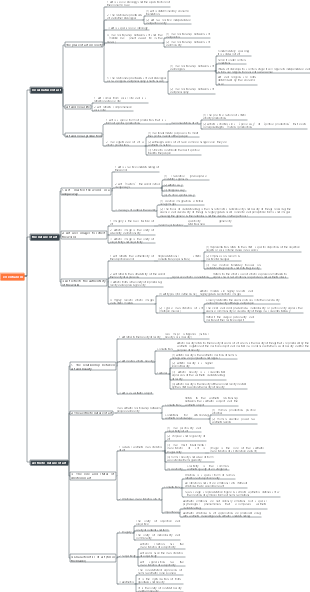
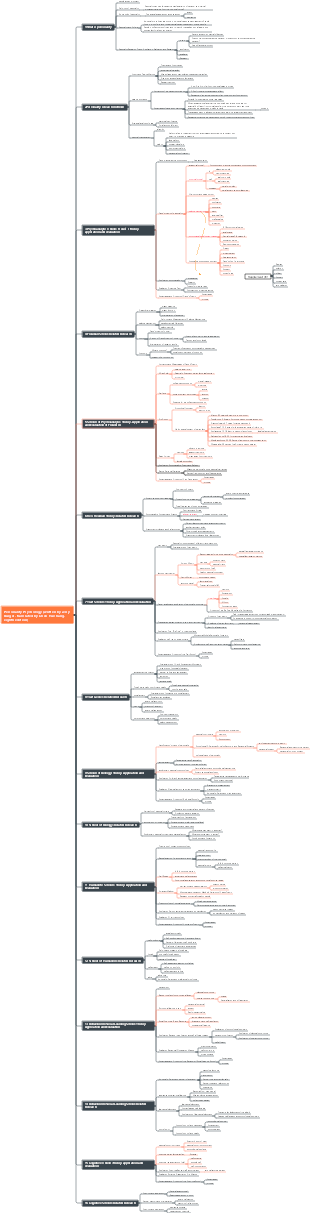
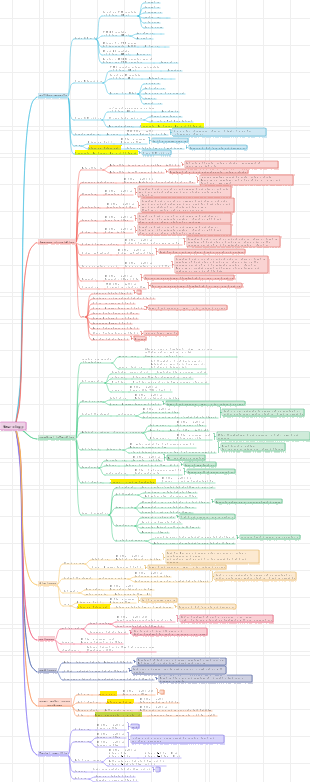
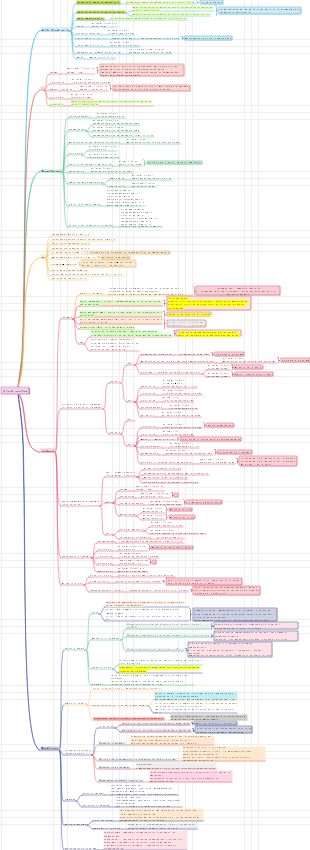
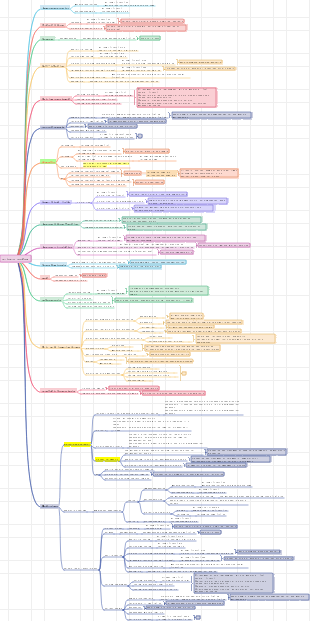
This is a mind map about the core examination points of the digestive system. The main contents include: intestinal diseases, pancreatic diseases, biliary tract diseases (B-ultrasound), liver diseases, and gastroduodenal diseases.
Edited at 2024-10-17 15:11:12Chronische Herzinsuffizienz ist nicht nur ein Problem der Geschwindigkeit der Herzfrequenz! Es wird durch die Abnahme der Myokardkontraktion und der diastolischen Funktion verursacht, was zu unzureichendem Herzzeitvolumen führt, was wiederum Staus im Lungenzirkulation und Stau der systemischen Zirkulation verursacht. Aus den Ursachen sind die pathophysiologischen Prozesse der Herzinsuffizienz für Kompensationsmechanismen komplex und vielfältig. Durch die Kontrolle von Ödemen, die Reduzierung der Vorder- und Nachlast des Herzens, die Verbesserung der Herzkomfortfunktion und die Verhinderung und Behandlung grundlegender Ursachen können wir auf diese Herausforderung effektiv reagieren. Nur durch das Verständnis der Mechanismen und klinischen Manifestationen von Herzinsuffizienz und Beherrschung der Präventions- und Behandlungsstrategien können wir die Herzgesundheit besser schützen.
Ischämie-Reperfusionsverletzung ist ein Phänomen, dass sich die Zellfunktion und Stoffwechselstörungen und strukturelle Schäden verschlimmern, nachdem Organe oder Gewebe die Blutversorgung wiederhergestellt werden. Zu den Hauptmechanismen gehören eine erhöhte Erzeugung des freien Radikals, die Kalziumüberladung sowie die Rolle von mikrovaskulären und Leukozyten. Das Herz und das Gehirn sind häufige beschädigte Organe, die sich als Veränderungen des Myokardstoffwechsels und ultrastrukturelle Veränderungen, verringerte Herzfunktion usw. manifestieren usw. umfassen die Entfernung von freien Radikalen, die Verringerung der Kalziumüberlastung, die Verbesserung des Stoffwechsels und die Kontrolle von Reperfusionsbedingungen, z.
Stress ist ein unspezifischer Schutzmechanismus, der im Körper unter interner und externer Umweltstimulation auftritt, aber übermäßiger Stress kann zu internen Umweltstörungen und -krankheiten führen. Die Stressreaktion beinhaltet mehrere Systeme wie neuroendokrine, zelluläre und körperliche Flüssigkeiten, und seine Hauptmanifestationen umfassen emotionale Reaktionen, Veränderungen der kognitiven Fähigkeiten und Veränderungen des sozialen Verhaltens. Übermäßige Konzentration von Katecholamin ist einer der Hauptmechanismen des Stresses, die körperliche Erkrankungen wie Herz -Kreislauf -Erkrankungen, Stressgeschwüre und psychische Probleme wie traumatische Belastungsstörungen verursachen können. Das Verständnis des Stadiums und des Aufprallmechanismus von Stress kann dazu beitragen, Stress besser zu bewältigen und die körperliche und psychische Gesundheit aufrechtzuerhalten.
Chronische Herzinsuffizienz ist nicht nur ein Problem der Geschwindigkeit der Herzfrequenz! Es wird durch die Abnahme der Myokardkontraktion und der diastolischen Funktion verursacht, was zu unzureichendem Herzzeitvolumen führt, was wiederum Staus im Lungenzirkulation und Stau der systemischen Zirkulation verursacht. Aus den Ursachen sind die pathophysiologischen Prozesse der Herzinsuffizienz für Kompensationsmechanismen komplex und vielfältig. Durch die Kontrolle von Ödemen, die Reduzierung der Vorder- und Nachlast des Herzens, die Verbesserung der Herzkomfortfunktion und die Verhinderung und Behandlung grundlegender Ursachen können wir auf diese Herausforderung effektiv reagieren. Nur durch das Verständnis der Mechanismen und klinischen Manifestationen von Herzinsuffizienz und Beherrschung der Präventions- und Behandlungsstrategien können wir die Herzgesundheit besser schützen.
Ischämie-Reperfusionsverletzung ist ein Phänomen, dass sich die Zellfunktion und Stoffwechselstörungen und strukturelle Schäden verschlimmern, nachdem Organe oder Gewebe die Blutversorgung wiederhergestellt werden. Zu den Hauptmechanismen gehören eine erhöhte Erzeugung des freien Radikals, die Kalziumüberladung sowie die Rolle von mikrovaskulären und Leukozyten. Das Herz und das Gehirn sind häufige beschädigte Organe, die sich als Veränderungen des Myokardstoffwechsels und ultrastrukturelle Veränderungen, verringerte Herzfunktion usw. manifestieren usw. umfassen die Entfernung von freien Radikalen, die Verringerung der Kalziumüberlastung, die Verbesserung des Stoffwechsels und die Kontrolle von Reperfusionsbedingungen, z.
Stress ist ein unspezifischer Schutzmechanismus, der im Körper unter interner und externer Umweltstimulation auftritt, aber übermäßiger Stress kann zu internen Umweltstörungen und -krankheiten führen. Die Stressreaktion beinhaltet mehrere Systeme wie neuroendokrine, zelluläre und körperliche Flüssigkeiten, und seine Hauptmanifestationen umfassen emotionale Reaktionen, Veränderungen der kognitiven Fähigkeiten und Veränderungen des sozialen Verhaltens. Übermäßige Konzentration von Katecholamin ist einer der Hauptmechanismen des Stresses, die körperliche Erkrankungen wie Herz -Kreislauf -Erkrankungen, Stressgeschwüre und psychische Probleme wie traumatische Belastungsstörungen verursachen können. Das Verständnis des Stadiums und des Aufprallmechanismus von Stress kann dazu beitragen, Stress besser zu bewältigen und die körperliche und psychische Gesundheit aufrechtzuerhalten.
digestive system Core test points
gastroduodenal disease
gastroesophageal reflux disease
•Diagnostic keywords: acid reflux, heartburn (the most typical symptoms) •Preferred auxiliary examination: Gastroscopy→(-)→24h esophageal pH monitoring •Treatment of choice/investigational drug: Omeprazole
•Mechanism: Abnormal structure and function of anti-reflux barrier (→transient LES relaxation) •The most dangerous complication: post-Barrettt esophagus, prone to malignant transformation into esophageal adenocarcinoma
Esophageal cancer
•Diagnostic keywords: Choking while eating, progressive dysphagia •Preferred test: Endoscopic biopsy •Treatment: Surgery is the first choice for the middle and lower segments, and radiotherapy is the first choice for the upper segments (elderly patients)
•Most common: mid-esophagus → Pathology: squamous cell carcinoma → Metastasis: lymphatic metastasis •Characteristic clinical manifestations: progressively worsening dysphagia
Acute gastritis (acute gastric mucosal disease)
1. Diagnostic keywords: upper abdominal pain, vomiting blood and melena •Oral NSAIDs and heavy drinking •Stress: burns (Curling), central lesions (Cushing) 2. The preferred examination for confirmed diagnosis: gastroscopy 3. The drug of choice for treatment: proton pump inhibitor (PPI)
chronic gastritis
1. Diagnosis keywords: •Chronic history measured in years (the purpose is to differentiate between gastric cancer) •Fullness and discomfort in the upper abdomen, dull pain and irregularity (the purpose is to distinguish ulcers) •Gastroscopy or upper gastrointestinal tract imaging results are often provided 2. The preferred examination for a clear diagnosis: gastroscopy biopsy 3. Treatment: HP infective gastritis → HP eradication treatment (quadruple therapy: PPI bismuth 2 antibiotics) Autoimmune gastritis→glucocorticoids
1. The most common cause (not specified type): HP infection 2. Cause: Antral gastritis → HP infection, corpus gastritis → autoimmunity 3. Follow-up examination of HP infectious gastritis treatment: 13C or 14C breath test 4. Specific tests for autoimmune chronic gastritis: serum anti-parietal cell antibodies 5. Gastroscopic features of chronic non-constrictive gastritis: Mucous membranes are red and yellow, flaky erythema, congestion, edema, or fold swelling. 6. Gastroscopy characteristics of chronic atrophic gastritis: The color of the mucous membrane becomes lighter, the folds become thinner and flatter, and the blood vessel texture becomes visible due to thinning.
peptic ulcer
1. Diagnosis keywords: Duodenal ulcer → periodic rhythmic epigastric pain (hunger or night pain) Gastric ulcer → periodic rhythmic epigastric pain (postprandial discomfort) 2. The preferred examination for confirmed diagnosis: gastroscopy 3. Treatment: No complications: drug therapy is preferred to eradicate HP infection Surgery: often used to manage complications of peptic ulcers
1. Ulcer treatment to eradicate HP infection 1 kind of PPI, 1 kind of bismuth agent, 2 kinds of antibiotics, treatment course is 1 to 2 weeks Acid suppression drugs should be continued for 4 to 6 weeks after eradication of HP infection. 2. The most common site for gastric ulcers: the lesser curvature of the gastric antrum 3. The most common site of duodenal ulcer: duodenal bulb 4. The main cause of peptic ulcer: HP infection
Four major complications
peptic ulcer bleeding
1. Diagnostic keywords: history of ulcers, vomiting blood, melena, or even hemorrhagic shock 2. Preferred examination: emergency gastroscopy 3. Treatment: The drug of choice for PPI treatment (omeprazole) Surgical treatment is only used for patients who fail medical and endoscopic hemostasis.
1. The most common cause of upper gastrointestinal bleeding: peptic ulcer bleeding 2. The most common complication of peptic ulcer: bleeding 3. The most common site for gastric ulcer bleeding: the lesser curvature of the stomach 4. The most common site for duodenal ulcer bleeding is the posterior wall of the duodenal bulb.
Acute perforation of peptic ulcer
1. Keywords for diagnosis of acute perforation: Sudden upper abdominal pain (mostly with a clear time point) Peritoneal irritation sign Free gas under the diaphragm (disappearance of hepatic dullness → silver standard) 2. The preferred examination for a clear diagnosis of acute perforation: upright abdominal plain radiograph (gold standard) 3. Treatment of acute perforation: surgical treatment is preferred Young adults, fasting, and generally in good condition → can be treated conservatively
1. The most important measure for conservative treatment: continuous gastrointestinal decompression 2. The most significant sign of acute perforation: disappearance or shrinkage of liver dullness boundary 3. Acute perforation of ulcers is common in: lesser curvature of stomach and anterior wall of duodenum 4. Transmural ulcers occur in: stomach and posterior duodenum wall
peptic ulcer pyloric obstruction
1. Diagnostic keywords: long-term massive vomiting, vomitus containing food 2. The preferred examination for confirmed diagnosis: gastroscopy 3. Treatment: Cicatricial pyloric obstruction is an absolute indication for surgery Edema or spasmodic pyloric obstruction can be treated conservatively
1. The most common water and electrolyte imbalances: Hyposodium, hypokalemia, hypochloremia, metabolic alkalosis 2 ulcers most likely to be complicated by pyloric obstruction: Duodenal bulb or pyloric canal ulcer
stomach cancer
1. Diagnosis keywords: Middle-aged and elderly patients over 50 years old Chronic upper abdominal pain (irregular), weight loss, anemia Left supraclavicular lymph node enlargement 2. The preferred examination for confirming diagnosis: gastroscopy biopsy 3. Preferred treatment: surgical treatment
1. The most common site for gastric cancer: gastric antrum 2. The most common pathological type of gastric cancer: adenocarcinoma 3. The main metastasis route of gastric cancer: lymphatic metastasis 4. The most common site of hematogenous metastasis of gastric cancer: liver 5. Early gastric cancer: Cancer is limited to the mucosa or submucosa, Regardless of the size of the lesion or the presence or absence of lymph node metastasis
Operation
subtotal gastrectomy
1.Surgery selection: BiⅠ major gastrectomy is often used for gastric ulcers Bi type II major gastrectomy is mostly used for duodenal ulcer Roux-en-Y anastomosis prevents reflux gastritis caused by pancreatic juice 2. Distal subtotal gastrectomy scope: resection of the distal 2/3 to 3/4 of the stomach
postoperative complications
early complications
•Bleeding within 2 to 4 hours after surgery (hemorrhagic shock) → the ligature falls off •Bleeding 4-6 days after surgery (small amount of black stool) → anastomotic mucosa necrosis and falling off •Bleeding 10-20 days after surgery (vomiting blood and melena) → suture/anastomotic infection
•Acute afferent loop obstruction
Severe pain in the upper abdomen, small amount of food & no bile, palpable mass
•Chronic afferent loop obstruction
Half an hour after meal, a lot of bile & no food, relieved after vomiting
•Output loop obstruction
Upper abdominal fullness, bile-containing foods
Barium meal examination can identify the location of obstruction
Late stage: nutritional complications
1. Malnutrition 2. Anemia: Iron deficiency anemia (the most common), megaloblastic anemia (VB12 malabsorption) 3. Diarrhea and steatorrhea 4. Bone disease
Liver disease
Cirrhosis
Cirrhosis
1. Diagnostic keywords: HBSAg( ) history/heavy drinking history Ascites, splenomegaly, periumbilical varicose veins 2. Diagnostic auxiliary examination: Liver biopsy showed pseudolobule formation However, clinical diagnosis mainly relies on signs of liver function decline and portal hypertension. 3. Treatment: Protect or improve liver function, management of portal hypertension and its complications
1. The main cause of liver cirrhosis in my country: chronic hepatitis B 2. The most prominent clinical manifestation of decompensated liver cirrhosis: ascites 3. The most characteristic sign of liver cirrhosis and portal hypertension: the establishment of collateral circulation 4. Characteristic pathological changes of liver cirrhosis: pseudolobule formation 5. The most common complication of liver cirrhosis: upper gastrointestinal bleeding 6. The most serious complication of liver cirrhosis: hepatic encephalopathy 7. Five major complications of liver cirrhosis: upper gastrointestinal bleeding, hepatic encephalopathy, Spontaneous peritonitis, hepatorenal syndrome, primary liver cancer
complication
upper gastrointestinal bleeding
1. Diagnosis keywords: Sudden vomiting of large amounts of blood and shock after eating hard food based on liver cirrhosis 2. The preferred examination for a clear diagnosis: emergency gastroscopy 3. The preferred drug treatment for hemostasis: somatostatin (or octreotide) 4. The most effective measure to stop bleeding: three-lumen double-cystic tube compression to stop bleeding
hepatic encephalopathy
1. Diagnosis keywords: History of liver disease, history of hematemesis, disturbance of consciousness, asterixis 2. The preferred auxiliary examination for screening early hepatic encephalopathy: mental intelligence test 3. The most important laboratory test for diagnosis: elevated blood ammonia 4. Common test points for treatment: Low protein diet, oral lactulose or acidic solution enema to reduce blood ammonia Contraindicated in soapy water enema
1. The most important prodromal symptom of hepatic encephalopathy: personality change 2. The main mechanism of hepatic encephalopathy: ammonia poisoning 3. The main production site of ammonia: intestines
spontaneous peritonitis
1. Diagnostic keywords: low-grade fever, abdominal pain, and increased amount of ascites based on ascites 2. The preferred examination for a clear diagnosis: ascites bacteriological examination (smear staining or culture) 3. The drug of choice for treatment: third-generation cephalosporins
1. The most meaningful signs for diagnosis: abdominal tenderness and rebound tenderness 2. The most common pathogenic bacteria: Gram-negative bacteria
Hepatorenal syndrome
1. Diagnosis keywords: Oliguria and ammonia are caused by liver cirrhosis and large amounts of ascites. 2.Cause of disease: Systemic blood volume deficiency, renal hypoperfusion, prerenal renal failure
liver cancer
1. Diagnostic keywords: history of chronic hepatitis B, swelling and pain in the liver area 2. Auxiliary examination for suspected liver cancer: The most reliable test for confirmed diagnosis → Liver biopsy Screening examination→AFP B-ultrasound Clinical diagnosis is based on AFP>400 typical imaging characteristics (CT/ultrasound) 3. The most effective treatment: surgery
1. The main cause of liver cancer in my country: HBV infection 2. The most common first symptom of liver cancer: pain in the liver area 3. The earliest metastasis of liver cancer: intrahepatic metastasis through the portal vein 4. The most common site of extrahepatic hematogenous metastasis: lungs
bacterial liver abscess
1. Diagnostic keywords: chills and high fever, liver pain, hepatomegaly 2. Preferred auxiliary examination: liver ultrasound 3. Treatment Third-generation cephalosporins or aminoglycosides combined with metronidazole puncture/surgical drainage Puncture and drainage of isolated large superficial abscess cavity without separation
1. The most common infection route of bacterial liver abscess: transbiliary infection 2. The most common infecting bacteria of bacterial liver abscess: Escherichia coli
Biliary tract disease (B-ultrasound)
acute cholecystitis
1. Diagnosis keywords: Fever, right upper quadrant pain, positive Murphy's sign (mostly without jaundice) 2. Preferred examination: Abdominal B-ultrasound 3. Treatment: First choice: Laparoscopic cholecystectomy The elderly, frail and seriously ill: puncture or stoma drainage
1. The most common causative bacteria of acute cholecystitis: Escherichia coli 2. The most typical sign of acute cholecystitis: Murphy's sign ( )
cholangitis
1. Keywords for diagnosis of acute suppurative cholangitis Charcot's triad = fever, abdominal pain, jaundice 2. Keywords for diagnosis of acute obstructive suppurative cholangitis: Reynolds's pentad of syndrome = Charcot's triad, shock, disturbance of consciousness 3. The preferred examination for acute cholangitis: B-ultrasound 4. The preferred treatment for acute obstructive suppurative cholangitis: Immediate common bile duct incision, decompression and T-tube drainage
1. The most common cause of cholangitis in my country: intrahepatic and extrahepatic bile duct stones 2. Anti-infective treatment for cholangitis mainly targets bacteria: Gram-negative bacteria and anaerobic bacteria
pancreatic disease
acute pancreatitis
1. Diagnosis keywords: •Triggers from heavy meals or drinking, sudden upper abdominal pain, and back radiation •Pain is not relieved after vomiting and amylase in blood and urine is elevated 2. The preferred auxiliary examination for suspected acute pancreatitis: •Best imaging examination→Abdominal CT •Best laboratory test→blood amylase •The preferred examination is less than 2 hours after onset of illness→Abdominal CT 3. Both CT and blood amylase appear in the test question options: •Hemorrhagic necrotizing pancreatitis→abdominal CT •Eedematous pancreatitis→blood amylase 4. Treatment: •The first choice treatment for severe cases → surgery (drainage of necrosis, prevention of complications) •The preferred drug treatment for mild cases → somatostatin (reduces pancreatic juice secretion)
1. The most common cause of pancreatitis in my country: biliary tract disease 2. The main symptom of acute pancreatitis: persistent upper abdominal pain 3. Typical signs of hemorrhagic necrotizing pancreatitis: •Cullen’s sign (periumbilical cyanosis) •Gray-Turner sign (bilateral rib and waist bruising) 4. Blood amylase: It increases within 2 to 12 hours after onset, reaches a peak at 24 hours, and lasts for 3 to 5 days. 5.Urine amylase: Increases 12 to 14 hours after onset and lasts for 1 to 2 weeks 6. Laboratory tests and prognosis: •The degree of amylase elevation is not proportional to the degree of disease •Lower blood calcium indicates poor prognosis 7. Diagnostic significance of amylase: more than 3 times the normal value has diagnostic significance
pancreatic head cancer
1. Keywords for diagnosis of pancreatic head cancer: Abdominal pain, yellow stems, weight loss, painless gallbladder enlargement 2. Keywords for diagnosis of periampullary cancer: Yellow stem (fluctuating) painless gallbladder enlargement 3. The first choice for auxiliary examination when suspected pancreatic head cancer Abdominal CT/Abdominal Ultrasound (only simple examinations specified in the question) 4. The preferred auxiliary examination for suspected periampullary cancer (yellowing of the stem): abdominal ultrasound 5. Preoperative assessment of the possibility of surgical resection for pancreatic head cancer: abdominal CT 6. Definitive diagnostic test for periampullary cancer: Retrograde cholangiopancreatography (ERCP) 7. The preferred treatment for periampullary cancer and pancreatic head cancer after diagnosis: Pancreaticoduodenectomy (Whipple procedure)
1. The most common site of pancreatic cancer: pancreatic head cancer 2. The most common pathological type of pancreatic cancer: ductal adenocarcinoma 3. The most common initial symptom of pancreatic head cancer: dull pain in the upper abdomen 4. The most prominent symptom of pancreatic head cancer: jaundice
intestinal diseases
intestinal inflammatory disease 1. Keywords for Crohn’s disease diagnosis: Right lower abdominal pain and diarrhea (must be without pus and blood) Cobblestones (endoscopy), lesions appear jumping 2. Keywords for diagnosis of ulcerative colitis: Left lower abdominal pain, chronic long-term diarrhea (Mucus, pus and bloody stools must be present) Shallow ulcer (endoscopy) 3. Keywords for intestinal tuberculosis diagnosis: →Generally <30 years old, with symptoms of tuberculosis poisoning or history of tuberculosis Right lower abdominal pain, alternating diarrhea and constipation, positive jumping sign (X-ray) 4. If you suspect the above three inflammatory bowel diseases, the first-choice auxiliary examination is: colonoscopy 5. Preferred treatment: Crohn's hormone/infliximab Mild ulceration (defecation <4 times/day) - sulfasalazine/mesalazine Severe ulcer (defecation > 6 times/day) - hormones Intestinal tuberculosis → anti-tuberculosis drug treatment
1. Disease prone areas: Crohn's disease → terminal ileum and adjacent colon Ulcerative colitis → rectosigmoid Intestinal tuberculosis → ileocecal part 2. The main infection route of intestinal tuberculosis: (swallowing sputum containing tuberculosis bacteria) 3. Typical pathological changes of Crohn’s disease: noncaseating granuloma
central theme
theme
theme
theme