MindMap Gallery DAMA-CDGA Data Governance Engineer-2. Data Processing Ethics
Data ethics refers to how data is acquired, stored, managed, used and disposed of in an ethical manner. Ethical codes often focus on aspects such as fairness, respect, responsibility, integrity, quality, reliability, transparency, and trust. Data ethics is a social responsibility for data management professionals and the organizations they work for.
Edited at 2024-03-05 20:13:57Avatar 3 centers on the Sully family, showcasing the internal rift caused by the sacrifice of their eldest son, and their alliance with other tribes on Pandora against the external conflict of the Ashbringers, who adhere to the philosophy of fire and are allied with humans. It explores the grand themes of family, faith, and survival.

This article discusses the Easter eggs and homages in Zootopia 2 that you may have discovered. The main content includes: character and archetype Easter eggs, cinematic universe crossover Easter eggs, animal ecology and behavior references, symbol and metaphor Easter eggs, social satire and brand allusions, and emotional storylines and sequel foreshadowing.
[Zootopia Character Relationship Chart] The idealistic rabbit police officer Judy and the cynical fox conman Nick form a charmingly contrasting duo, rising from street hustlers to become Zootopia police officers!
Avatar 3 centers on the Sully family, showcasing the internal rift caused by the sacrifice of their eldest son, and their alliance with other tribes on Pandora against the external conflict of the Ashbringers, who adhere to the philosophy of fire and are allied with humans. It explores the grand themes of family, faith, and survival.
This article discusses the Easter eggs and homages in Zootopia 2 that you may have discovered. The main content includes: character and archetype Easter eggs, cinematic universe crossover Easter eggs, animal ecology and behavior references, symbol and metaphor Easter eggs, social satire and brand allusions, and emotional storylines and sequel foreshadowing.
[Zootopia Character Relationship Chart] The idealistic rabbit police officer Judy and the cynical fox conman Nick form a charmingly contrasting duo, rising from street hustlers to become Zootopia police officers!
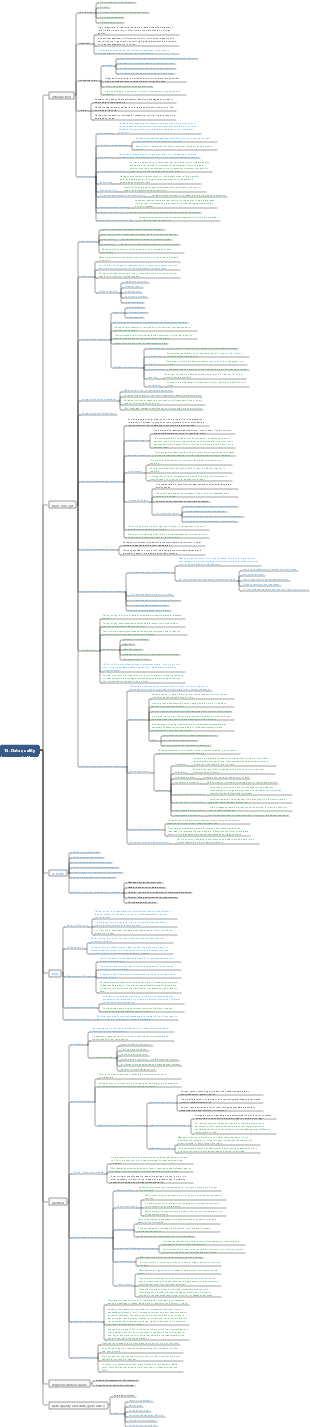
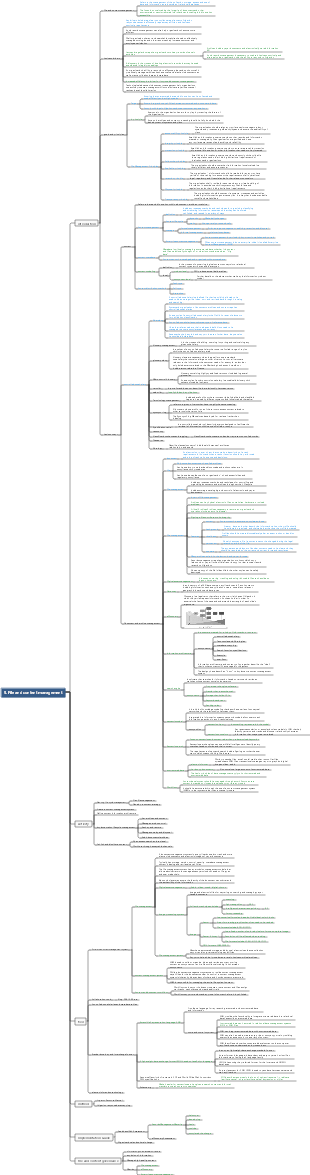
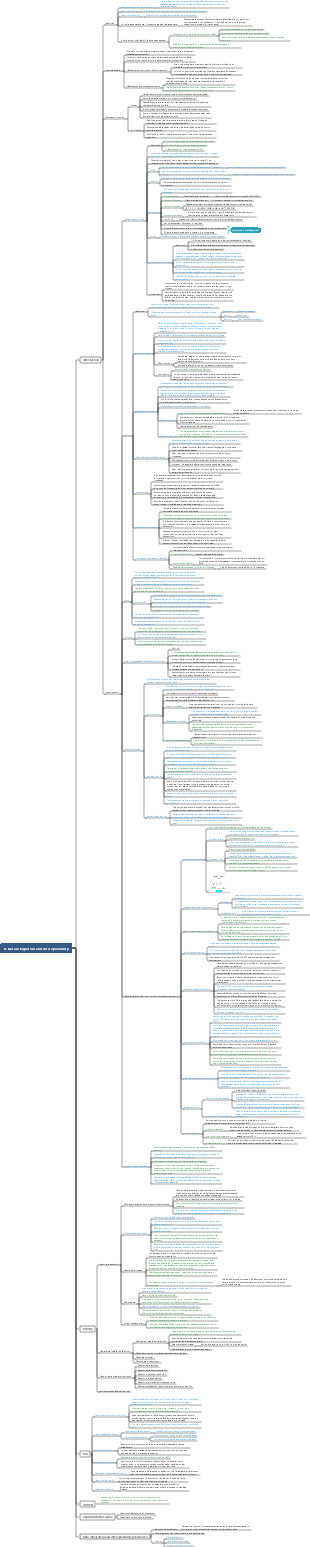
2. Data processing ethics
introduction
ethics
Ethics is a code of conduct based on concepts of right and wrong
ethical principles
Ethical codes often focus on aspects such as fairness, respect, responsibility, integrity, quality, reliability, transparency, and trust.
data ethics
Data ethics refers to how to obtain, store, manage, use and dispose of data in an ethical manner
Data ethics is a social responsibility (but not a legal issue) for data management professionals and the organizations they work for
Influence
impact on people
Since data represents personal characteristics and can be used for various decisions, thereby affecting people's lives, its quality and reliability need to be ensured.
potential for abuse
Misuse of data can have a negative impact on people and organizations, hence the need to prevent data from being misused
The economic value of data
Data has economic value and the ownership of the data needs to be stipulated, that is, who can use the data and how to use the data
The motivation to protect data largely comes from legal and regulatory requirements, but one should be aware that protecting data and ensuring that it is not misused has ethical considerations in addition to legal constraints.
Ethical principles not only protect data but also manage data quality
From both a business and technical perspective, data management professionals have an ethical responsibility to manage data to reduce the risk that data may be distorted, misused, and misunderstood. This responsibility extends throughout the data lifecycle, from creation to destruction.
business drivers
Ethical use of data is increasingly recognized as a business competitive advantage
The main reason why organizations establish ethical codes for data processing is to reduce the risk of misuse of the data they are responsible for by employees, customers, and partners.
Protecting data from criminals is also an ethical responsibility
Different data ownership models affect ethical requirements for data processing
Such as the ability to share data, which means organizations have a responsibility to make ethical decisions when using data shared with them
basic concept
Ethical Code of Data Processing
respect others
This code reflects the most basic ethical requirements for treating human beings, namely respect for individual dignity and autonomy
The guidelines also require that people in “vulnerable” situations should take extra care to protect their dignity and rights
When considering data as an asset, it is important to keep in mind that data also affects, represents, and touches people.
Unethical use of personal data will directly affect people's interactions, employment opportunities and social status.
principle of benevolence
Two elements: first, do no harm; second, maximize benefits and minimize harm.
Ethical data and information practitioners should identify stakeholders and consider the outcomes of data processing and work to maximize benefits and minimize the risk of harm caused by the design process
just
This principle considers treating people fairly and impartially
Respect the law and the public interest
The principles behind data privacy laws
EU General Data Protection Regulation GDPR
Canadian Privacy Act PIPEDA
Federal Trade Commission FTC Privacy Program Standards
Risks of conducting data unethically
Data can be distorted and a false appearance of truth can be created. Methods include subjective data selection, range manipulation, and omission of some data points
Scenes
Timing
It is possible to lie by omitting or including certain data points in a report or activity based on time
"End of Day" Stock Trading Manipulation of Stocks, Business Intelligence Personnel
Visualization is misleading
Icons and graphs can be used to present data in a misleading way
For example, modify the scale to make the trend line look better or worse
Unclearly defined or invalid comparisons
When presenting information, the ethical approach is to clearly explain the context and significance of the matter
For example, during the census, clearly and clearly explain the definition of the census population and what benefits and benefits there will be.
Relevant background information is omitted, and the superficial phenomenon presented may be that the data does not support the required information.
Whether the effect is due to deliberate deception or due to incompetence, such use of data is unethical
bias
Bias is deviation from expectations
Often introduced through systematic errors in sampling or data selection
May exist at different points in the data life cycle
When data is collected or created
when it is selected for analysis
How to analyze data
and the way the analysis results are presented may be biased
type
Data collection for preset conclusions
Analysts are pressured to collect data and produce results to support a predefined conclusion rather than to draw an objective conclusion
hunches and searches
The analyst has a hunch and wants to satisfy it, so he uses only data that confirms the hunch and does not want to consider other possibilities from the data (if some data does not confirm the method, it may be throw away)
One-sided sampling method
To limit bias, statistical tools can be used to select samples and build appropriately sized samples
background and culture
Prejudice is usually based on culture or background. Therefore, to look at things neutrally, you must step outside this culture or background.
Eliminating all bias is not always possible or even desirable
When business analysts build many scenarios, they target low-value users (those customers who no longer generate new business) It is common knowledge that there are business biases and they will be removed from the sample or ignored in the analysis
Transform and integrate data
Limited understanding of data sources and lineage
poor quality data
unreliable metadata
Documents without data revision history
Obfuscation and redaction of data
Obfuscation and redaction of data are common methods of desensitizing or withholding information
However, if downstream activities (analysis or combination with other data sets) require the data to be exposed, then obfuscation alone will not be enough to protect the data
The risk exists in
Data aggregation
When data is aggregated across multiple dimensions and identifying data is removed, the set of data can still be used with other analytics services without fear of revealing personally identifiable information. Aggregating by geographic area is a common practice
data markup
Data tagging is used to classify sensitive data (secret, confidential, personal, etc.) and control its release to the appropriate community
Data desensitization
Data decryption is the practice of unlocking the process only by submitting appropriate data
The operator cannot see what the original data is and simply enters the key. If these operations are correct, further activities are allowed.
Build a data ethics culture
Review existing data processing methods
The first step to improvement is to understand where your organization is today
The purpose of reviewing existing data processing procedures is to understand the extent to which these methods are directly and explicitly related to ethical and compliance drivers.
These reviews should also define how employees understand the ethical implications of existing practices in establishing and maintaining trust among clients, partners and other stakeholders.
Identify principles, practices and risk factors
The purpose of standardizing the ethics of data processing is to reduce the misuse of data and thereby reduce the risks to customers, employees, suppliers, other stakeholders and even the entire organization.
An organization trying to improve its practices should understand these general principles
Principles should be aligned with risks, practices, and practices should be supported by controls
guiding principles
A patient's personal health data is not accessible to anyone except those authorized to act as part of the patient's care.
risk
If patient health data is widely accessible, patients' personal privacy rights are jeopardized
practice
Only nurses and physicians are allowed access to patients’ personal health data and it is used only to provide care
control
Review of personal health systems containing patients to ensure only those who need access have access
Develop an ethical data processing strategy and roadmap
After reviewing the current state and developing a set of principles, organizations can improve their approach to data by formalizing a strategy
Adopt a socially responsible ethical risk model
Data can be misused and conflict with underlying ethical standards
The ethical perspective is important not only because data is susceptible to misuse, but also because an organization's social responsibilities do not allow it to compromise data
Data Ethics and Governance
Data supervision of data processing activities falls within the scope of data governance and legal counsel
They must stay up to date on the latest changes in the law, while ensuring employees understand their obligations to reduce the risk of ethical misconduct
Data governance must develop relevant standards and systems to provide methods for data processing and supervision
Data governance has a special oversight requirement for reviewing plans and decisions arising from business intelligence, analytics and data science research