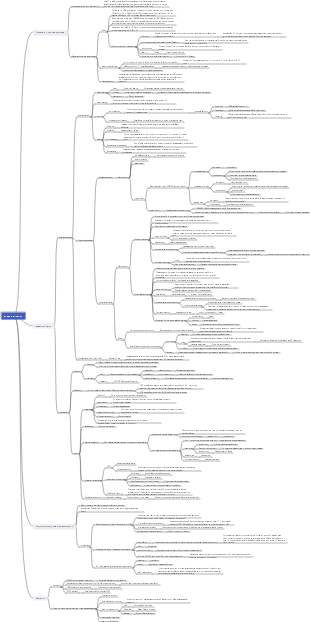
MindMap Gallery Assessment of condition before anesthesia
Assessment of the condition before anesthesia provides the best current evidence, guidelines or guidelines to guide preoperative assessment, thereby improving patient prognosis and accelerating postoperative recovery. It can effectively and quickly provide readers with preoperative assessment strategies to improve patient outcomes. It is worth reading whether it is an intern, a junior anesthesiologist or an experienced anesthesiologist.
Edited at 2022-07-26 08:58:16This is a mind map about bacteria, and its main contents include: overview, morphology, types, structure, reproduction, distribution, application, and expansion. The summary is comprehensive and meticulous, suitable as review materials.

This is a mind map about plant asexual reproduction, and its main contents include: concept, spore reproduction, vegetative reproduction, tissue culture, and buds. The summary is comprehensive and meticulous, suitable as review materials.
This is a mind map about the reproductive development of animals, and its main contents include: insects, frogs, birds, sexual reproduction, and asexual reproduction. The summary is comprehensive and meticulous, suitable as review materials.
This is a mind map about bacteria, and its main contents include: overview, morphology, types, structure, reproduction, distribution, application, and expansion. The summary is comprehensive and meticulous, suitable as review materials.
This is a mind map about plant asexual reproduction, and its main contents include: concept, spore reproduction, vegetative reproduction, tissue culture, and buds. The summary is comprehensive and meticulous, suitable as review materials.
This is a mind map about the reproductive development of animals, and its main contents include: insects, frogs, birds, sexual reproduction, and asexual reproduction. The summary is comprehensive and meticulous, suitable as review materials.
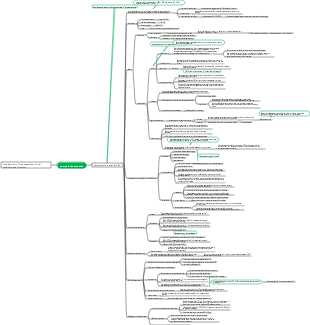
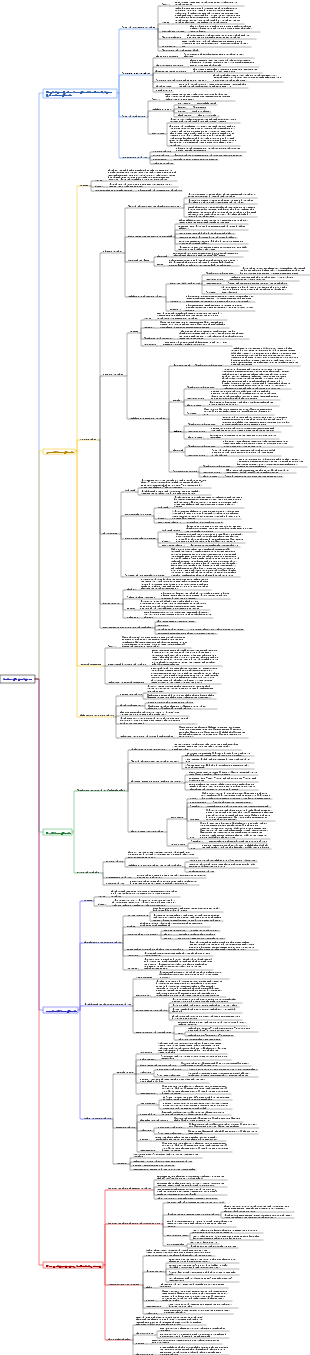
Assessment of condition before anesthesia
Preoperative visit and preoperative evaluation
Purpose of the Preoperative Visit and Preoperative Assessment
Basic elements of preoperative visit and preoperative assessment
Get information
Preoperative evaluation
ASA rating
Develop an anesthesia plan
Preoperative assessment of systemic condition and various organ systems
General condition
BMI
normal
18.5~23.9
overweight
24~27.9
obesity
28
hemoglobin concentration
adult
80
more than three months
90
Less than three months
100
Hematocrit
30~35%
Basal metabolic rate BMR
=Pulse rate Pulse pressure-111
Normal -10%~10%
respiratory system
Common diseases
Respiratory tract infection within 2 weeks
mechanism
Increased respiratory mucosal irritability
Anesthetics trigger increased glandular secretion
Decreased excitation threshold of autonomic nerves that trigger airway smooth muscle contraction
Increased airway sensitivity, causing airway spasm
prevention
elective surgery
Delayed until 2-4 weeks after clinical recovery of respiratory disease
emergency surgery
Adequate preoperative assessment and preparation
Strengthen anti-infective treatment
Avoid inhalational anesthetics
Prevent intrapulmonary spread
Common disease
tuberculosis
chronic lung abscess
severe bronchiectasis
method
lung isolation
chronic obstructive pulmonary disease
Pulmonary function grading of clinical severity of COPD
Adverse reactions
systemic inflammatory response
Skeletal muscle dysfunction
Skeletal muscle weight gradually decreases
asthma
prevention
with bronchial inflammation
control infection
stop smoking
bronchial antispasmodics
Inhaled hormones | Long-acting bronchodilators
Anti-inflammatory
dilated bronchi
Pulmonary function assessment methods
lung function
vital capacity
FEV1/FVC
Maximum voluntary ventilation MVV
arterial blood gas analysis
Simple bedside test
breath hold test
Air blow test
Blowing match test
The patient’s degree of difficulty breathing
airway assessment
Medical history
Physical examination
Signs suggesting difficulty managing the airway
Difficulty opening mouth
Limited cervical spine movement
small jaw
Big tongue
Protruding incisors
Short neck, muscular neck
cervical spine trauma
Risk factors for difficulty in mask ventilation
Age older than 55
history of snoring
beard
Toothless
obesity
mallampati grade 3-4
Limited mandibular protrusion
The distance between the armor and the chin is too short
Physical Examination Methods to Assess the Airway
Mouth opening
mandibular joint mobility
chin-on distance
Head and neck mobility
Pharyngeal structure grading
mallampati grading
Laryngoscope exposure grading
other
Auxiliary inspection
Cardiovascular System
Cardiac function measurement
New York Heart Association functional class
Physical status test
cardiac risk assessment
goldman cardiac risk index
Clinical predictors of perioperative cardiovascular risk
Arrhythmia
hypertension
High blood pressure grade
risk stratification
Control objectives
coronary heart disease
Whether to perform revascularization before surgery
No evidence
Don't rebuild
There are indications
reconstruction
After reconstruction
balloon angioplasty
Surgery postponed for 14 days
Implantation of bare metal stents
Surgery postponed for 30 days
Implantation of drug-eluting stents
1 year
emergency surgery
Maintain cardiac function
Maintain balance between oxygen supply and demand
Preoperative evaluation of organ systems
liver
Bilirubin metabolism
Effects of jaundice
Increased vagal reflex
kidney failure
coagulation mechanism
Causes of coagulation disorders
coagulation factor deficiency
prone to DIC
Decreased Kupffer cell function
AT3 synthesis reduced
Decreased plasminogen synthesis
primary fibrinolysis
Decreased antiplasmin synthesis
protein synthesis
low plasma albumin
Enhanced drug efficacy
biotransformation of drugs
Slowed degradation and elimination of drugs
kidney
Chronic kidney disease stages CKD
Precautions
co-infection
Antibiotics to avoid kidney damage
Combined with other organ diseases
Pay attention to treatment
Management of patients with renal failure
Dialysis before chronic renal failure
Uremia
emergency surgery
local anesthesia
local anesthesia
Other surgeries
Preoperative dialysis
And understand the maintenance situation after dialysis
After kidney transplant
Be aware of adverse effects of anti-transplant drugs
Avoid anesthetic drugs exacerbating these adverse reactions
endocrine
Hyperthyroidism
diabetes
postpone surgery
Preoperative HbA1c greater than 9%
Fasting blood sugar is greater than 10mmol/L
Blood sugar greater than 13mmol/L 2 hours after a meal
Insulinoma
Hyperadrenocortisolism
symptom
hypertension
high blood sugar
low protein
High sodium
Low potassium
bleeding tendency
subcutaneous edema
Precautions
Poor tolerance for anesthesia surgery
Improve body fluid and electrolyte imbalance before surgery
Control high blood pressure and high blood sugar
Note intraoperative adrenocortical insufficiency
Pheochromocytoma
feature
hypertension
Hypovolemia
Precautions
Improve overall condition
Control high blood pressure and replenish blood volume
Adrenocortical insufficiency
central nervous system
state of consciousness
intracranial hypertension
spinal cord function
gastrointestinal tract
Full stomach
total parenteral nutrition
Preoperative interruption
Gradually reduce glucose dosage over 24-48 hours
Hydroelectricity and acid-base balance
Treatment of the cause
The relationship between electrolytes and the relationship between electrolytes and acid-base balance
Chronic electrolytes cannot be corrected in the short term
blood
red blood cell disorders
leukocyte disease
Bleeding and thrombotic disorders
Anesthesia and surgical risk factors
Surgery risk assessment
Risk factors for surgery
Risk factors for anesthesia itself
Evaluation of pre-anesthesia therapeutic medications
antihypertensive drugs
diuretics
Stop 2-3 days before surgery
b-receptor blockers
CCB
ACEI
Stop on the same day
ARB
Stop on the same day
a receptor blockers
b-receptor blockers
Monoamine oxidase inhibitors and tricyclic antidepressants
monoamine oxidase inhibitor
Influence
Can slow down the metabolism of CA drugs
Inhibits liver enzyme system and blocks narcotic analgesics
Diazepam and other drugs causing extreme sedation and convulsions
Disable 2-3 weeks before surgery
tricyclic antidepressants
drug
Amitriptyline
doxepin
maprotiline
Trimipramine
2 weeks off medication
anticoagulants
Warfarin
aspirin
heparin