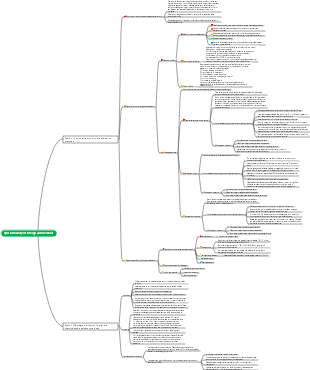
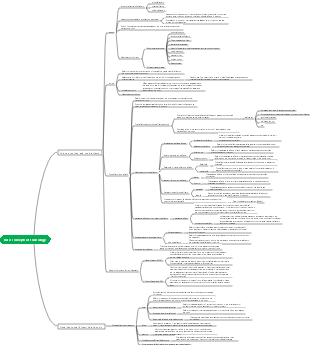
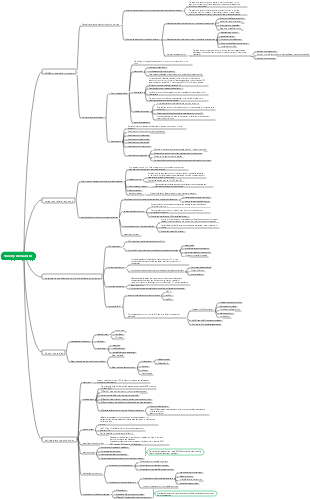
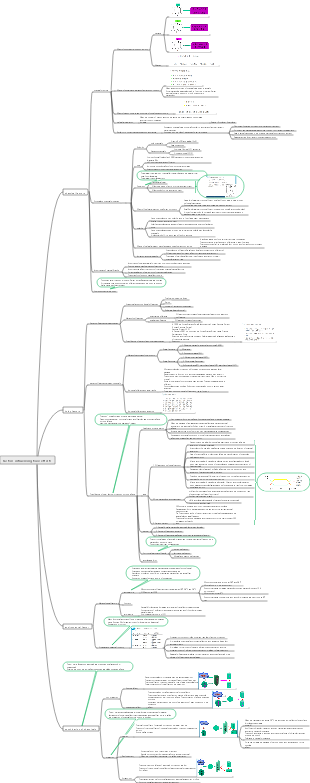
MindMap Gallery Toxicology 3 Factors and mechanisms influencing the toxic effects of exogenous chemicals
This brain map introduces the factors that affect the toxic effects of exogenous chemicals and their toxic action mechanisms. I hope it will be helpful to everyone. Friends in need can quickly collect it!
Edited at 2024-02-17 22:00:45Discover how Aeon can navigate the competitive online landscape with a strategic SWOT analysis. This comprehensive overview highlights Aeon’s strengths, such as its strong brand recognition, omnichannel capabilities, and customer loyalty programs, alongside its weaknesses, including digital maturity gaps and cost structure challenges. Opportunities for growth include enhancing e-commerce competitiveness and leveraging data-driven strategies, while threats from online-first players and market dynamics require attention. Explore how Aeon can strengthen its market position through innovation and customer-centric approaches in the ever-evolving retail environment.

Discover how Aeon effectively tailors its offerings to meet the diverse needs of family-oriented consumers through a comprehensive Segmentation, Targeting, and Positioning (STP) analysis. Our approach begins with demographic segmentation, examining family life stages, household sizes, income levels, and parent age bands to identify distinct consumer groups. Geographic segmentation highlights store catchment types and community characteristics, while psychographic segmentation delves into family values and lifestyle orientations. Behavioral segmentation focuses on shopping missions, price sensitivity, and channel preferences. Finally, needs-based segmentation reveals core family needs related to value and budget considerations. Join us as we explore these insights to enhance family shopping experiences at Aeon.
Discover the dynamics of sneaker transactions with our Kream Sneaker Consumption Scene Analysis Template. This comprehensive framework aims to visualize the purchasing and consumption journeys of sneakers, identifying key demand drivers and obstacles. It covers user behavior within Kream and external influences, targeting various sneaker categories over specific timeframes and regions. The analysis defines user segments, including collectors, resellers, sneakerheads, casual trend followers, and gift purchasers, each with unique values and KPIs. It outlines the consumption journey from awareness to resale, highlighting critical touchpoints such as search, purchase, inspection, and sharing experiences. Key performance indicators are established to measure engagement and satisfaction throughout the process. Join us in exploring the intricate world of sneaker trading!
Discover how Aeon can navigate the competitive online landscape with a strategic SWOT analysis. This comprehensive overview highlights Aeon’s strengths, such as its strong brand recognition, omnichannel capabilities, and customer loyalty programs, alongside its weaknesses, including digital maturity gaps and cost structure challenges. Opportunities for growth include enhancing e-commerce competitiveness and leveraging data-driven strategies, while threats from online-first players and market dynamics require attention. Explore how Aeon can strengthen its market position through innovation and customer-centric approaches in the ever-evolving retail environment.
Discover how Aeon effectively tailors its offerings to meet the diverse needs of family-oriented consumers through a comprehensive Segmentation, Targeting, and Positioning (STP) analysis. Our approach begins with demographic segmentation, examining family life stages, household sizes, income levels, and parent age bands to identify distinct consumer groups. Geographic segmentation highlights store catchment types and community characteristics, while psychographic segmentation delves into family values and lifestyle orientations. Behavioral segmentation focuses on shopping missions, price sensitivity, and channel preferences. Finally, needs-based segmentation reveals core family needs related to value and budget considerations. Join us as we explore these insights to enhance family shopping experiences at Aeon.
Discover the dynamics of sneaker transactions with our Kream Sneaker Consumption Scene Analysis Template. This comprehensive framework aims to visualize the purchasing and consumption journeys of sneakers, identifying key demand drivers and obstacles. It covers user behavior within Kream and external influences, targeting various sneaker categories over specific timeframes and regions. The analysis defines user segments, including collectors, resellers, sneakerheads, casual trend followers, and gift purchasers, each with unique values and KPIs. It outlines the consumption journey from awareness to resale, highlighting critical touchpoints such as search, purchase, inspection, and sharing experiences. Key performance indicators are established to measure engagement and satisfaction throughout the process. Join us in exploring the intricate world of sneaker trading!
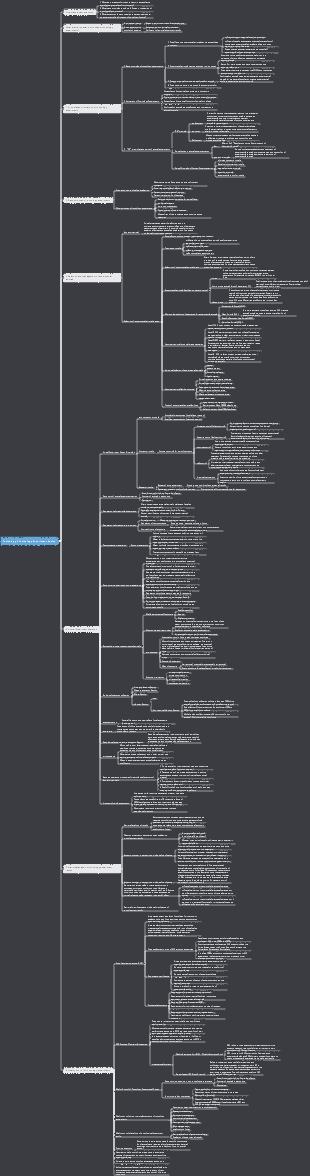
Toxicology 3 Factors and mechanisms influencing the toxic effects of exogenous chemicals
Thinking questions
1. Briefly describe the factors that influence the toxic effects of exogenous chemicals?
2. What are the possible ways in which exogenous chemicals can produce toxic effects?
3. Types and meanings of joint effects of exogenous chemicals?
review
toxicity?
The ability of exogenous chemicals to cause damage to the body
Toxic effect?
Damage effects caused by exposure to chemicals
How does the toxic effect occur?
Biologically active
Reach target site
Sufficient amount and duration
Interact with target molecules
change its microenvironment
The toxic effects of various chemicals on one experimental animal are very different, and the toxic effects of one chemical on different experimental animals are also different. Why?
What are the factors that influence toxic effects?
chemical factors
body factors
environmental conditions
chemical combination
1. Factors influencing the toxic effects of exogenous chemicals
Factors affecting the toxic effects of chemicals
1. Chemical factors
(1) Chemical structure
Why study the relationship between chemical structure and its toxic effects?
Develop new chemicals with high efficiency and low toxicity
Speculate the toxic mechanism of new chemicals
Predicting the toxic effects of new chemicals
Predicting safe exposure limits for new chemicals
1 Different substituents have different toxicity
benzene
Benzene: anesthesia, inhibiting hematopoiesis
Toluene, xylene: Inhibiting hematopoiesis is not obvious
Aminonitro compounds of benzene: form methemoglobin
Nitrobenzene or halobenzene: hepatotoxic
Different benzene substituents have different toxicity
methyl
Inhibition of hematopoiesis is not obvious, and the anesthetic effect is enhanced
Amino
Anesthetic effect, inhibiting hematopoietic function (having the effect of forming methemoglobin)
Nitro
Anesthesia, inhibiting hematopoietic function (nitrobenzene or halobenzene, hepatotoxic)
Alkanes
The more substituents, the more toxic
Toxicity: CH4<CH3Cl<CH2Cl2<CHCl3<CCl4
reason
After halogen substitution, the molecular polarity increases, and it is easy to combine with the enzyme system to increase toxicity.
2. Influence of isomers and stereoconfiguration
Isomers have different biological activities
γ, δ - 666 is highly toxic acutely
β-666 is highly chronically toxic
α,γ-666 excited CNS
β, δ-HCH inhibits the CNS
Toxicity of benzene ring compounds with two groups: para position > ortho position > meta position
Certain enzymes and receptors have stereoconfiguration specificity, which may be affected at all stages of biotransformation.
Enzymes often interact with their substrates in a highly stereo- and enantioselective manner, and different isomers may be metabolized in different ratios
3 Influence of the number of carbon atoms and structure of homologues
Methane and ethane: noble gases
Propane: anesthesia, fat solubility
CH3-CH2-CH2-CH2-CH2-CH2-CH2-CH2-CH3
Alkanes, alcohols, ketones and other hydrocarbons
The more carbon atoms, the more toxic
When the number of carbon atoms exceeds a certain limit (7-9 carbon atoms), the toxicity decreases.
reason
As the number of carbon atoms increases, fat solubility increases and water solubility decreases.
It is not conducive to transport through the water phase and is retained in the initial adipose tissue.
It is difficult to reach the target tissue, and the risk of anesthesia is gradually reduced
molecular saturation
The number of carbon atoms is the same, the number of unsaturated bonds increases, and the toxicity increases
Ethane < Ethylene < Acetylene
(2) Physical and chemical properties
1Solubility
Solid chemicals (the greater the water solubility of the homologue, the greater the toxicity)
Arsenic (As2O3) and realgar (As2S3)
Gaseous chemicals (water solubility affects its site of action)
Hydrogen fluoride (HF), ammonia
Nitrogen dioxide (NO2)
2Fat/water partition coefficient
Large fat/water partition coefficient
Simple diffusion, easy to cross membranes, accumulate fat, and invade nerves
Small fat/water partition coefficient
Ionized group, difficult to pass through the membrane, easily excreted in urine
3 sizes
Hydrophilic small molecules (<200)
Able to cross the membrane by filtration through the membrane pores
Ionic compounds (small ions)
Sodium ions are hydrates and cannot pass through the membrane pores
4 dispersion
1Influence the activity of chemicals
The smaller the particles, the larger the specific surface area and the stronger the biological activity, such as some metal smoke
2 Affects the depth of entry into the respiratory tract
>10μm particles are blocked in the upper respiratory tract
<5μm reaches deep respiratory tract
Particles <0.5μm are easily expelled through the respiratory tract
Particles <0.1μm are deposited on the alveolar walls due to diffusion
3 Affect the solubility entering the respiratory tract
Generally, the larger the particles, the more difficult they are to dissolve
5 Volatility
Highly volatile liquid chemicals easily form vapor and are easily inhaled through the respiratory tract
Reduce exposure dose after volatile compounds are added to feed
Transdermal absorption of liquid substances, high volatility, low harm
The LC50 values of benzene and styrene are both 45mg/L, that is, their absolute toxicity is the same. Benzene is easy to volatilize, and the volatility of styrene is only 1/11 of benzene. It is difficult for styrene to form high concentrations in the air. In fact, it is more Benzene is much less harmful.
6 blood/gas distribution coefficient
The larger the blood/gas distribution coefficient, the easier it is for gaseous substances to be absorbed into the blood across the respiratory membrane through simple diffusion.
It is known that the blood/gas distribution coefficients of ethanol, ether, carbon disulfide, and ethylene are 1300, 15, 5, and 0.4 respectively, so (ethanol) is the most easily absorbed?
7 proportion
In a closed, long-term airless space, toxic gases may stratify due to different specific gravity.
The toxic smoke of a fire is relatively light, so you should crawl on your stomach to escape.
8 Degree of ionization and chargeability
Ionization degree: refers to the pH value when a chemical is 1/2 ionized and 1/2 non-ionized, that is, the pKa value of the chemical
Chargeability: affects air chemical deposition and respiratory tract obstruction
(3) Stability of impurities and chemicals
Impurities include raw materials, impurities, stabilizers, etc.
Impurities affect the toxicity and evaluation of tested chemicals
The instability of poisons may affect the toxicity. For example, the decomposition products of the organophosphate pesticide Coumaphos during storage become more toxic to cattle.
Commercial products often contain excipients or additives. Impurities may affect, enhance, or even change the toxicity or toxic effects of the original chemical. For example, the dioxin (TCDD) contained in the herbicide 2,4,5-T is much more toxic than the former.
2. Body factors
manifestations of individual differences
Different species, strains, and individuals of animals have different toxic effects on the same chemical.
Responses can vary greatly between individuals
The poison causes damage to one or several tissues and organs
Body factors causing individual differences
1Differences in genetics between species
(1) Anatomical and physiological differences
The anatomy, physiology, genetics and metabolic processes of animals of different species, species and strains are different.
Liver lobes (dog 7 rabbit 5 R6 M4) R: rat, M: mouse
Estrus (R M year-round, dog spring and autumn)
Number of somatic chromosomes (M40 R42 rabbit 44 human 46)
Pulse rate (beats/minute) (M600 R352 Rabbit 251 Horse 38)
(2) Differences in metabolism
Differences in quantity (meaning that the dominant metabolic pathways are different, resulting in different toxic reactions)
For example, the cytochrome oxidase activity per g liver of mice is 141 activity units, that of rats is 84, and that of rabbits is 22. The metabolic rate of ethylene glycol oxidative metabolism to generate oxalic acid and CO2 is different in different animals, cat > rat > rabbit, and its toxic reaction decreases accordingly.
qualitative difference
Cats, for example, lack the isoenzyme that catalyzes the conjugation of phenol glucuronide. Cats are therefore more sensitive to the toxic effects of phenol than other animals that can detoxify through glucuronic acid conjugation.
(3) Genetic differences between species
Animals of different species and strains have different metabolic transformation methods and transformation rates of exogenous chemicals due to their genetic factors.
1 animal species
Humans are generally more sensitive to poisons than animals, and most poisons are 1-10 times more lethal to animals than humans; in a few cases, animals are more sensitive than humans.
To extrapolate toxicological data, it should first be considered that the toxic response of the selected animal species to the chemical to be tested and its metabolism in the body are consistent with that of humans.
2 animal strains
1. Complex environmental influences and adaptations lead to genetic variation and the emergence of different strains.
2. Different strains of animals have different genetic characteristics, and there are certain differences in immune responses and biochemical enzyme systems.
3. Different human races, different ethnic groups, and even different families have different genetic characteristics, so they form high-risk groups.
2-acetylaminofluorene can undergo N-hydroxylation in rats, mice and dogs, and combines with sulfuric acid to form sulfate ester, which exhibits a strong carcinogenic effect. N-hydroxylation does not occur in guinea pigs, so it is not carcinogenic.
The LD50 of acrylonitrile injected intraperitoneally in stock mice is 15 mg/kg, and in NR mice it is 40 mg/kg.
2 Individual genetic differences
genetic polymorphism
Metabolic enzyme polymorphisms
Individual differences in repair function
Receptor and toxicity specificity and sensitivity
3. Other factors of the body (influence on susceptibility to toxic effects)
Health status
gender
1. Males generally metabolize chemicals more quickly than females
The biological half-life of cyclohexenebarbital is much longer in female rats than in male rats, and the duration of sleep induced is also longer in female rats than in male rats.
2. Sex differences in excretion
2, 4-dinitrotoluene is more liver carcinogenic to male rats because its glucuronic acid conjugates are more excreted in bile in males and then reabsorbed after being dissociated and reduced in the intestine. This reduction The product may cause liver cancer.
3. Gender differences influenced by hormonal and genetic factors
Chloroform is nephrotoxic in mice. Sex differences appear during puberty. Males are more sensitive than females. Castrating male animals can eliminate sex differences, and subsequent administration of androgens can restore sex differences. In vitro, microsomes from male kidneys metabolized chloroform 10 times faster than those from female mice.
age
Newborn animals are more sensitive to toxic reactions than adult animals
reason
Differences in enzyme activity, detoxification power, metabolic rate, skin and mucous membrane permeability, renal clearance, etc.
The blood-brain barrier of newborn animals is not fully developed and is more sensitive to neurotoxins
think
For the same poison, the dosage is the same. If the poison is metabolized in the body, its activity becomes stronger or weaker. Excuse me:
1. Is this poison more toxic to infants or adults?
2. Which route of entry into the body is the most toxic?
nutritional status
Lack of essential fatty acids, phospholipids, proteins, some vitamins (VA, VE, VC, VB2) and essential trace elements (such as Zn, Fe, Mg, Se, Ca, etc.) can change the body's metabolic transformation of exogenous compounds. For example, feeding rats with low-protein feeds will prolong the sleep time caused by barbiturates and reduce the liver toxicity caused by CCl4.
1. protein deficiency
Compared with animals fed a diet containing 5% protein compared to animals fed a diet containing 20% protein, animals fed a diet containing 20% protein had lower levels of microsomal protein, reduced plasma albumin levels, increased plasma levels of unbound chemicals, and a significant loss of enzyme activity: The hepatotoxicity of carbon tetrachloride is reduced, and the carcinogenicity of aflatoxin is reduced. However, barbiturates prolong sleep duration and increase the hepatotoxicity of paracetamol.
2. fatty acid deficiency
Can reduce the levels and activities of microsomal enzymes, resulting in reduced metabolism of ethylmorphine, cyclohexobarbital and aniline. Lipids are required for cytochrome P-450.
3. Mineral and vitamin deficiencies
Easy to reduce the metabolism of compounds. Starvation or dietary changes may reduce the depletion of necessary cofactors such as sulfate necessary for phase II binding reactions. Animals fasting overnight may consume 50% of the normal level of glutathione, affecting the detoxification of acetaminophen and bromobenzene and increasing their hepatotoxicity.
A limited diet means giving the animal 60% of the amount of feed it should have, but supplementing it with enough vitamins and minerals. It can extend the life span of animals and inhibit the natural occurrence of tumors and chemically induced cancer.
A limited diet can increase the GST activity in the liver and kidneys of rats and reduce the formation of carcinogen adducts.
lifestyle
3. Environmental factors
Weather condition
(1) Temperature
Changes in ambient temperature can cause varying degrees of changes in physiological, biochemical systems and internal environment stabilization systems, such as changes in ventilation, circulation, body fluids, intermediate metabolism, etc., and affect the absorption, metabolism, and toxicity of chemicals.
High temperature causes animal skin capillaries to dilate, blood circulation and respiration to accelerate, gastric juice secretion to decrease, sweating to increase, and urine output to decrease. Increased absorption of chemicals absorbed through the skin and respiratory tract; decreased absorption through the gastrointestinal tract, increased sweat excretion, and decreased urinary excretion.
Effects of 58 compounds on rat LD50 at different environmental temperatures (8℃, 26℃ and 36℃)
55 compounds are most toxic in a high temperature environment of 36°C and least toxic in a high temperature environment of 26°C;
Poisons that cause increased metabolism such as pentachlorophenol and 2,4-dinitrophenol have the lowest toxicity at 8°C;
Poisons that cause hypothermia, such as chlorpromazine, are most toxic at 8°C.
(2) Humidity
High humidity can cause heat dissipation to be easy in winter and difficult to dissipate in summer, increasing the load on the body's body temperature regulation. High humidity and high temperature can reduce the evaporation of sweat, increase the hydration of the skin's stratum corneum, further increase the absorption rate of percutaneously absorbed chemicals, and prolong the contact time because chemicals tend to adhere to the skin surface.
(3) Air pressure
Generally little change. An increase in air pressure often affects the concentration of atmospheric pollutants, and a decrease in air pressure can increase the toxicity of CO due to lower oxygen partial pressure.
animal cage form
The type of animal housing, number of animals per cage, bedding material and other factors can also affect the toxicity of certain chemicals.
Rats are social animals. Keeping them in separate cages will make them irritable, ferocious and aggressive. The acute toxicity of isoproterenol to rats housed alone for more than 3 weeks was significantly higher than that of rats housed in groups.
The acute toxicity of rats raised in "closed" cages (thin iron plates on the four walls and bottom) to substances such as morphine is lower than that of rats raised in "open" cages (wire cages).
Chemical exposure conditions and excipients
(1) Exposure routes
Toxins can enter the body through different routes. Due to different pathways, poisons undergo different processes in the body, which also has a significant impact on the effects of poisons.
Rate of absorption by various exposure routes
Intravenous injection ≈ respiratory tract > intraperitoneal injection > intramuscular injection > oral > transcutaneous
For example, the oral toxicity of cyanamide is lower than that of transdermal administration because it can be rapidly converted by gastric acid in the stomach, and is absorbed through the gastrointestinal tract first and then reaches the liver where it is quickly degraded.
Oral exposure to nitrate can reduce it to nitrite in the gastrointestinal tract, causing methemoglobinemia. Intravenous injection does not have this toxic effect.
(2) Exposure duration
Acute, subacute, subchronic and chronic exposure
For many exogenous chemicals, the toxicity of acute high-dose exposure is different from that of low-dose exposure over a longer period of time. Generally, the former can cause immediate toxicity or delayed toxicity. Repeated exposure may cause acute effects in addition to low-level or chronic effects after each dose.
(3) Solvents and co-solvents
Test compounds are often dissolved or diluted in solvents, and sometimes co-solvents are used. You must be careful when choosing solvents and co-solvents because some solvents or co-solvents can change the physical and chemical properties and biological activities of the compounds.
The solvent or co-solvent selected should be non-toxic and unreactive with the test compound, and the test compound should be stable in solution.
Example: During the teratogenicity test, it was found that the solvent DMSO itself has teratogenic effects. Some solvents can also react with the test poison, changing the chemical structure of the test poison, thereby affecting the toxicity. For example, when propylene glycol is used as a solvent, it can react with dichlorvos and dibromophosphorus.
(4) Administration volume
The volume of test poison administered orally does not generally exceed 2-3% of body weight. The intravenous dose for rats is <0.5ml, and for larger animals is 2ml. Excessive volume may affect toxicity.
Excessive volume of water-soluble poison → excess water in the body
When vegetable oil is used as a solvent, the volume is too large → diarrhea, which reduces the absorption of poisons.
(5) Dosing concentration
Concentrated solutions are absorbed faster than dilute solutions and have stronger toxic effects. At the same dose, high concentrations cause more deaths.
(6) Cross exposure
In toxicological tests, especially during skin contact and respiratory tract contact with foreign compounds, attention should be paid to preventing cross-contact and absorption of compounds.
(7) Frequency of exposure
A certain dose of exogenous chemicals can cause severe poisoning when administered to animals all at once. If administered several times, it may only cause mild or even no toxic effects.
Chemical toxicity varies depending on time of administration or season (seasonal or circadian rhythm)
reason
Circadian rhythm is controlled by certain regulatory factors in the body
Adjusted by external environmental factors such as food, light, etc.
Seasonal differences related to animal hibernation response or climate
4. Combined effects of chemicals
Studies have found that volatile chemicals in indoor air can produce joint toxic effects, and their main joint action mode is additive. Benzene and formaldehyde may even produce synergistic cytotoxic effects and cytotoxic effects.
It is recommended that when formulating indoor air hygiene standards for the coexistence of benzene and formaldehyde, the concentration limit should be smaller than the existing standard value.
Joint effect: the toxic effect produced by two or more exogenous chemicals entering the body at the same time or one after another.
Classification
Non-interaction: Two or more chemicals act on organisms simultaneously or successively. Each chemical does not affect the toxicity of each other. The toxic effects can be directly calculated by the sum of the exposure doses of each chemical or the sum of biological effects.
1. Addition joint action
If each chemical acts in the same way, with the same mechanism, on the same target, it will only have different potency. Their toxic effects on the body are equal to the arithmetic sum of the effects of each chemical on the body alone, also known as dose summation.
2. Independent action
Each chemical does not affect each other's toxic effects. The mode of action and the site of action may be different, and each chemical exhibits its own toxic effect. Effect summation is the additive effect determined by the sum of the reactions of each compound in the mixture, also called reaction summation.
The combined effect of alcohol and vinyl chloride
When rats were exposed to alcohol and vinyl chloride at the same time for a certain period of time, lipid peroxidation in liver homogenate increased, showing a clear additive effect.
Studies at the subcellular level have shown that alcohol causes mitochondrial lipid peroxidation, while vinyl chloride causes microsomal lipid peroxidation.
Difference Between Addition of Responses and Addition of Dose
Addition of reactions
When the dose of each chemical is below the no-effect level, that is, when the response caused by each chemical is zero, the total combined effect is zero.
Addition of doses
Each chemical may have combined toxic effects below the level of no harmful effects. Mixed exposure at low doses and the sum of doses may lead to severe toxicity.
Interaction: Two or more chemicals causing a combined effect that is stronger (synergistic, enhancing) or weaker (antagonistic) than the expected additive effect.
1. Synergistic effect
The total toxic effect of chemicals on the body is greater than the sum of the toxic effects of individual chemicals on the body, and the toxicity is enhanced. For example, CCl4 and ethanol cause liver necrosis.
reason
It is related to chemicals that accelerate absorption, delay excretion, interfere with the degradation process in the body, and change the metabolic dynamics process in the body.
For example, the combined effect of malathion and benthion is a synergistic effect. The mechanism is that benthion inhibits the esterase enzyme in the liver that degrades malathion.
cryptic homology synergy
Some substances that have nothing in common in their chemical structure, site of action, and mechanism of action can also produce synergistic effects if their final effects are consistent. Such as CO and hydrogen cyanide.
2. Potentiation joint action
A chemical is not toxic to an organ or system, but its toxic effects are enhanced when exposed simultaneously or sequentially with another chemical. For example, trichlorethylene has no effect on the liver, but it can significantly increase the toxicity of CCl4 to the liver.
3. Antagonistic joint action
The combined toxic effects of chemicals on the body are less than the sum of the individual toxic effects of each chemical.
mechanism
1 functional antagonism
Two chemicals act on the same physiological function of the body and produce completely opposite effects. As a result, the physiological function can still maintain balance.
Atropine combats muscarinic symptoms caused by organophosphorus compounds
2Chemical antagonism or inactivation
A reaction between two chemicals makes both less toxic.
Such as dimercaprol, which complexes poisons such as lead, arsenic and mercury
3 deal with antagonism
Transport antagonism
One chemical interferes with or changes the ADME of another chemical, reducing its concentration reaching target organs or increasing its excretion, thereby weakening its toxic effects.
For example, 1,2,4-tribromobenzene can obviously induce the metabolism of certain organophosphorus compounds and weaken their toxicity.
4 receptor antagonism
When two chemicals bind to the same receptor in the body, if the toxic effects produced by administering the two chemicals are lower than when administered separately, it is called receptor antagonism.
For example, oxime compounds compete with organophosphorus compounds to bind to cholinesterase, weakening the toxic effects of organophosphorus compounds.
2. Toxic action mechanism
Possible pathways for toxicity
Cell dysfunction
repair obstacles
Epigenetic mechanisms of toxic effects of exogenous chemicals
significance
theoretical significance
Gain a deeper understanding of the body's physiology, biochemistry and disease pathological processes, and learn more about the toxic nature of exogenous chemicals.
Practical significance
Elucidate descriptive toxicology data, evaluate the probability of harmful effects of chemicals, formulate prevention strategies, design less harmful drugs and industrial products, and develop pesticides with good selective toxicity to target organisms, etc.
What should be clarified when studying the mechanism of toxic effects?
Toxins cause physiological and biochemical changes in normal cells
Toxic effects are related to the poison itself, dose and target site
The target site has compensatory power and can perform extraordinary detoxification functions
Toxic effects include general toxicity and special toxic effects
Steps to study the mechanism of poisoning
Are whole animals toxic?
Find target organs and target tissues
Find damaged cells and subcells
Molecular level: DNA, RNA or protein
Want to know?
How poisons enter the body
How to interact with target molecules
How the body responds to various insults
basic concept
ultimate poison
Refers to substances that react with endogenous target molecules (such as receptors, enzymes, DNA) or seriously change the biological (micro) environment, initiate structural and/or functional changes, and exhibit toxicity.
Source of final poison
Original form of foreign compound
Metabolites of xenobiotic compounds
Reactive oxygen or reactive nitrogen
endogenous compounds
Final poison type
1Electrophiles
definition
Electrophile: A molecule containing an electron-deficient atom (with a partial or full positive charge) that reacts by sharing an electron pair with an electron-rich atom in a nucleophile.
The formation mechanism of electrophiles
insert an oxygen atom
This oxygen atom abstracts an electron from the atom to which it is attached, making it electrophilic
Conjugated double bond electron removal
It is polarized through the deelectronization of oxygen, causing one of the double-bonded carbons to lose electrons.
bond cleavage
Formation of cationic electrophiles
2Free radicals
definition
Free radical: A molecule, atom or ion with one or more unpaired electrons in its outermost electron orbit. It is mainly produced due to the homolysis of the covalent bonds of the compound.
Characteristics of free radicals
Paramagnetic
Chemically active
Extremely reactive
Very short half-life
Short radius of action
Types of free radicals
Reactive oxygen species: a type of group or compound containing oxygen-containing functional groups with extremely reactive chemical properties
oxygen center free radical
O^2-·and·OH
non-radical derivatives of oxygen
H2O2, singlet oxygen and hypochlorous acid, peroxides and epoxy metabolites of endogenous lipids and exogenous chemicals
3Nucleophiles
Nucleophile: An electron-rich atom, molecule, or group that has no tendency to acquire electrons, but has the ability to donate electrons. Nucleophile formation is a less common mechanism of poison activation.
4 redox-active reductants
Formation of redox reactants
Nitrate is formed through intestinal bacterial reduction, reaction of nitrite esters, or nitrate esters with glutathione;
Reducing agents such as vitamin C and reductases such as NADPH-dependent flavoenase reduce Cr6 to Cr5.
Increase poison
The process in which poisons exhibit toxicity or increased toxicity after metabolism or biotransformation is called toxin increase or metabolic activation.
The organophosphorus pesticide parathion is converted into paraoxon, a highly active cholinesterase inhibitor