MindMap Gallery Toxicology 2 Biological transport and biotransformation of exogenous chemicals in the body
This brain map introduces the biological transport, biotransformation, toxicological kinetics, etc. of exogenous chemicals in the body. I hope it can be helpful to everyone!
Edited at 2024-02-17 15:35:31Avatar 3 centers on the Sully family, showcasing the internal rift caused by the sacrifice of their eldest son, and their alliance with other tribes on Pandora against the external conflict of the Ashbringers, who adhere to the philosophy of fire and are allied with humans. It explores the grand themes of family, faith, and survival.

This article discusses the Easter eggs and homages in Zootopia 2 that you may have discovered. The main content includes: character and archetype Easter eggs, cinematic universe crossover Easter eggs, animal ecology and behavior references, symbol and metaphor Easter eggs, social satire and brand allusions, and emotional storylines and sequel foreshadowing.
[Zootopia Character Relationship Chart] The idealistic rabbit police officer Judy and the cynical fox conman Nick form a charmingly contrasting duo, rising from street hustlers to become Zootopia police officers!
Avatar 3 centers on the Sully family, showcasing the internal rift caused by the sacrifice of their eldest son, and their alliance with other tribes on Pandora against the external conflict of the Ashbringers, who adhere to the philosophy of fire and are allied with humans. It explores the grand themes of family, faith, and survival.
This article discusses the Easter eggs and homages in Zootopia 2 that you may have discovered. The main content includes: character and archetype Easter eggs, cinematic universe crossover Easter eggs, animal ecology and behavior references, symbol and metaphor Easter eggs, social satire and brand allusions, and emotional storylines and sequel foreshadowing.
[Zootopia Character Relationship Chart] The idealistic rabbit police officer Judy and the cynical fox conman Nick form a charmingly contrasting duo, rising from street hustlers to become Zootopia police officers!
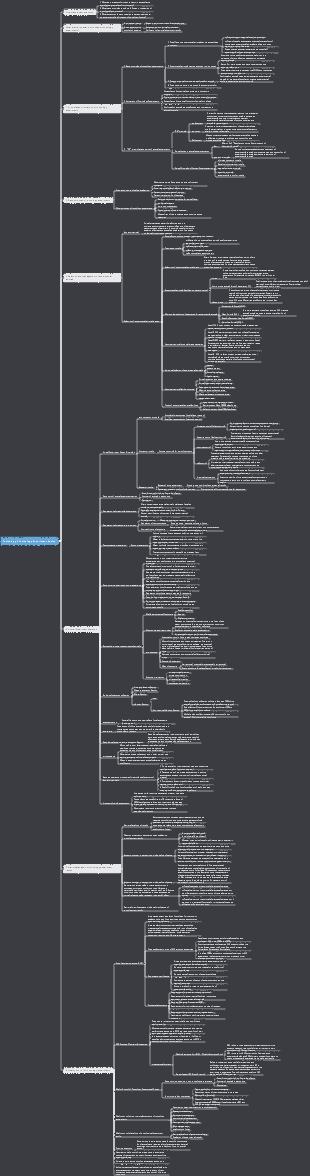
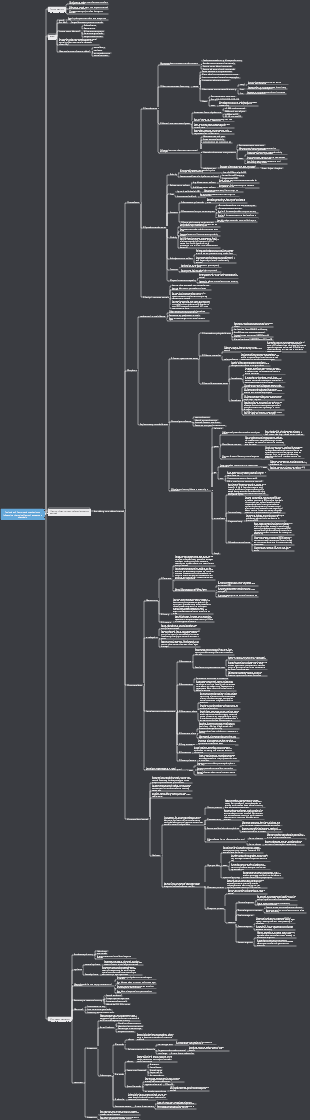
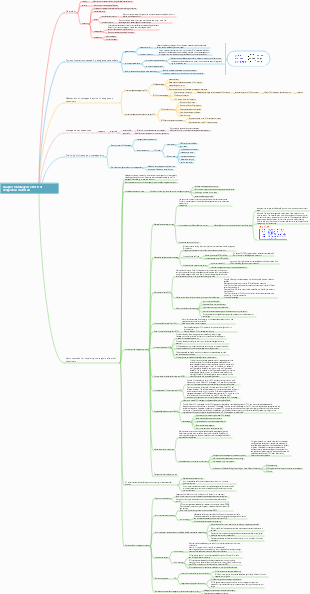
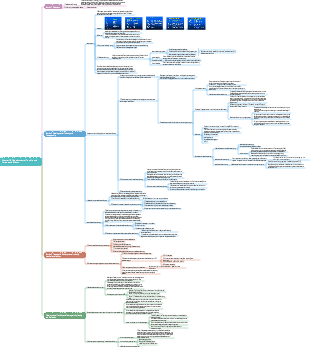
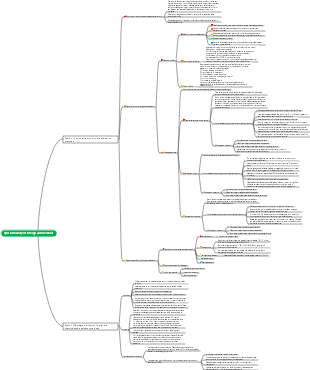
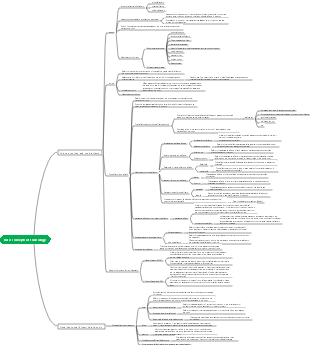
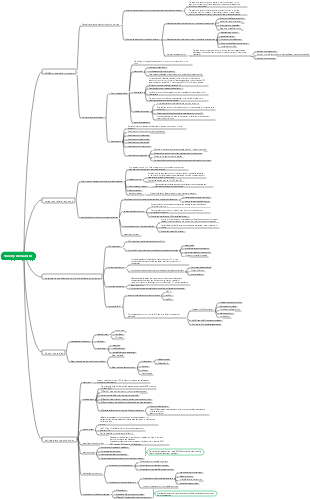
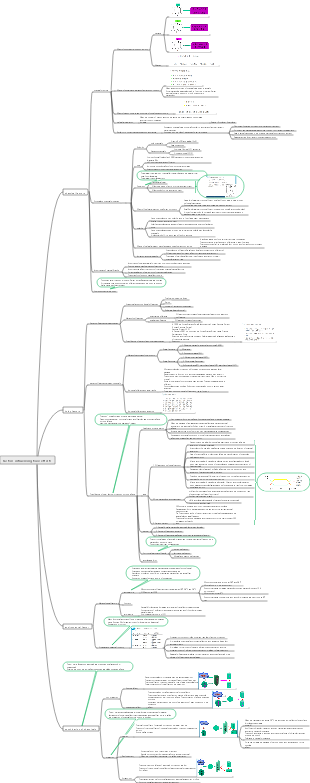
Toxicology 2 Biological transport and biotransformation of exogenous chemicals in the body
review
toxic effects
changes in time and space
Absorption
Distribution
Excretion
changes in traits
Metabolism
The significance of ADME research
Elucidate the mechanism of toxic effects, predict toxicity and disposal
Elucidate the mechanism of combined toxicity and interactions in ADME
Preventing and treating poisoning by changing the ADME process
Determinants of toxic effects of chemical poisons on the body
Inherent toxicity and exposure levels of chemical poisons
The concentration or duration of chemical poisons or their active metabolites in target organs (related to the ADME process)
1. Biological transport of exogenous chemicals in the body (absorption, distribution, and excretion processes)
biofilm
General term for cell membrane and organelle membrane
lipid component of membrane
Protein components embedded in lipids
Porosity of biofilm (4nm-70nm)
composition
biological transport
Main factors affecting transshipment
The structure, molecular weight, lipid-water partition coefficient, and chargeability of the exogenous chemical
Similarity of endogenous substances
species, part
Lipid-water partition coefficient
It is the ratio of the solubility of a substance in the lipid phase and the water phase when the distribution of the lipid phase and the water phase reaches equilibrium. In actual work, n-octanol, chloroform or hexane are often used to represent the lipid phase.
Passive transport (high → low)
simple diffusion
Chemicals diffuse from the high-concentration side of the biofilm to the low-concentration side. The concentrations on both sides reach a dynamic equilibrium and diffusion terminates.
object
Lipid-soluble non-polar small molecules (CO2 and O2)
Conditions for simple diffusion to occur
There is a concentration gradient on both sides of the membrane
Exogenous chemicals are fat-soluble
Chemicals are in an undissociated state
Factors affecting simple diffusion
Concentration gradient difference
Chemical fat solubility
Lipid-water partition coefficient = solubility in lipid phase/water phase
Ionization or dissociation state, pH of body fluids
Protein concentration on both sides of the membrane and protein affinity
Characteristics of simple diffusion
Follow the concentration gradient and consume no energy
No chemical reaction with biofilm
is a simple physical process
Toxicological significance
Most exogenous chemicals are biologically transported by simple diffusion
membrane pore filtration
Relying on the osmotic pressure gradient and hydrostatic pressure on both sides of the biofilm, water-soluble exogenous chemicals pass through the hydrophilic pores on the biofilm.
small polar uncharged molecules
Influencing factors
The molecular weight of a chemical
4nm pore: >200 molecules will not pass through
70nm pore: >60,000 (60,000) molecules cannot pass through
Toxicological significance
Water and water-soluble substances complete the biological transport process through filtration
special transport
Exogenous chemicals first physically combine with certain substances (carriers) in the body and then pass through the biological membrane.
Facilitated diffusion (high → low) (facilitated diffusion)
Concept: Diffusion of water-soluble small molecule substances along the concentration gradient with the help of carrier proteins
Object: Water-soluble small molecules such as glucose, amino acids, nucleotides, etc.
Features: Movement along concentration gradient, saturation phenomenon, structural specificity, competitive inhibition
Features
Substance is insoluble in lipids and requires a carrier
High concentration → low concentration movement, no energy consumption
Using carriers, biofilms have certain initiative or selectivity, but they cannot reverse the concentration gradient, and they are diffusion properties, also called promoted diffusion.
Active transport (low → high)
Chemical substances diffuse from the low-concentration side of the cell membrane to the high-concentration side with energy consumption.
Features
Can transport various substances, requiring the participation of a carrier
Reversible concentration gradient transport of exogenous chemicals
Consumes energy and metabolic inhibitors block transport processes
Carriers are specific and selective for the transported exogenous chemicals
There is a certain limit to the transport capacity, and the carrier can reach a saturated state
Competitive inhibition can occur between two exogenous chemicals
There are currently 8 identified active transport systems
Transporters and their families
multidrug resistance protein
multiple drug resistance proteins
Organic anion transporting peptide
organic anion transporter
organic cation transporter
nucleotide transporter
divalent metal ion transporter
peptide transporter
membrane transport
endocytosis
Pinocytosis and phagocytosis: Liquid or solid foreign chemicals are surrounded by protruding biological membranes, and then the surrounded droplets or larger particles are incorporated into the cells to achieve the purpose of transport. The former is called pinocytosis, and the latter is called phagocytosis. , collectively called endocytosis.
exocytosis
The process by which particulate matter is transported out of cells
2. Biological transformation (metabolic change process of chemical poisons)
1. Absorption
definition
Refers to the process by which exogenous chemicals enter (transport) into the blood circulation from the contact site (such as the gastrointestinal tract, respiratory tract, or skin) through the biological membrane.
liver first pass
It means that exogenous chemicals absorbed through the gastrointestinal tract first enter the liver and can undergo metabolic transformation in the liver.
first-pass effect
There is a first-pass effect in the gastrointestinal mucosa, liver and lungs. The first-pass effect may reduce the amount of exogenous chemicals reaching target organ tissues through the systemic circulation, or may mitigate toxic effects.
Reduction of aromatic nitro compounds to aromatic amines (carcinogenic, goitrogenic)
main route of absorption
1. Absorption through gastrointestinal tract (food additives, etc.)
The gastrointestinal tract is the primary route of absorption of exogenous chemicals
Absorption of exogenous compounds in the gastrointestinal tract can occur anywhere, mainly in the small intestine
Absorption mode: mainly through simple diffusion, through filtration, pinocytosis or phagocytosis and active transport system
Factors affecting gastrointestinal absorption
Molecular structure and physical and chemical properties of chemicals
gastrointestinal pH
Peristalsis of the gastrointestinal tract
Certain substances and flora in the gastrointestinal tract
Weak organic acids, weak organic bases, and water-soluble exogenous chemicals with small molecular weights are mainly absorbed in the stomach (simple diffusion), small intestine (simple diffusion), and the entire digestive tract (filtration) of the digestive tract.
Organic acids are mainly in a non-dissociated state in the stomach, are highly fat-soluble, and are absorbed in the stomach and duodenum.
Organic bases are difficult to dissociate in the stomach and are mainly absorbed in the small intestine.
Water-soluble exogenous chemicals with smaller molecular weight can be filtered through the membrane pores
Certain chemicals are absorbed through the same specialized transport system
Fluorouracil is absorbed through the pyrimidine transport system
Thallium, cobalt and manganese are absorbed through the iron transport system
Lead is absorbed through calcium transporters
2. Respiratory absorption (gaseous poisons, industrial poisons)
Alveolar physiological structure and characteristics
Does not pass through the liver and enters the systemic circulation directly
mainly through simple diffusion
Different factors affect lung absorption of gases, vapors and aerosols
1 Factors influencing the absorption of gaseous poisons through the lungs
Concentration of gaseous poisons (partial pressure of poison in air)
Solubility of gaseous poisons in blood
Alveolar ventilation and blood flow
The ratio of alveolar ventilation to blood flow (ventilation/blood flow ratio)
blood-gas partition coefficient
When the partial pressure of an exogenous chemical on both sides of the respiratory membrane reaches dynamic equilibrium, the ratio of the concentration in the blood to the concentration in the alveolar air
The absorption rate of gaseous chemicals through the respiratory tract depends mainly on the blood/gas distribution coefficient
Gaseous chemicals with low blood-gas distribution coefficients mainly depend on transpulmonary blood flow, and it takes about 8-21 minutes to reach blood-gas phase equilibrium.
Gaseous chemicals with high blood-gas distribution coefficients mainly depend on the respiratory frequency and depth, and it takes at least 1 hour to reach blood-gas phase equilibrium.
(You can think of the gas in the alveoli as cargo and the blood gas as the compartment of a freight vehicle)
2 Factors influencing lung absorption of aerosol poisons
size of particles in aerosol
≥5mm, deposited in the nasopharynx
2-5mm, deposited in the tracheobronchi
1mm and less, reaching alveoli
Water solubility of chemicals in aerosols
High solubility, upper respiratory tract absorption
Low solubility, easy to reach the alveoli and be absorbed
3. Absorbed through skin (cosmetics, etc.)
1 The first stage of percutaneous absorption Penetration stage: exogenous chemicals diffuse through the skin epidermis (i.e., stratum corneum)
Polar substances diffuse through the outer surface of water-containing cuticle protein filaments
Non-polar molecules dissolve in the lipid matrix between protein filaments and diffuse
2 The second stage of percutaneous absorption: absorption stage: from the stratum corneum into the papillary layer and dermis, and absorbed into the blood
The poison diffuses through the deeper layers of the epidermis (granular layer, spinous layer and germinal layer) and dermis, and then enters the systemic circulation through intradermal veins and capillary lymphatic vessels.
The rate of diffusion depends on blood flow, intercellular fluid movement, and interaction with dermal components.
Absorption method: simple diffusion
Rate-limiting barrier: stratum corneum of the epidermis
Factors affecting percutaneous absorption
Fat-water partition coefficient
molecular weight
Epidermal damage
Moist skin
Solvent (DMSO)
Different animal species have different skin permeability
Both transdermal appendage absorption and stratum corneum penetration are highly species dependent.
Species differences in skin blood flow and skin biotransformations that facilitate absorption
The skin in different parts of the human body has different permeability to poisons
Scrotum > Abdomen > Forehead > Palms > Soles
4. Absorption through other pathways
intravenous injection
Directly enters the blood and is distributed throughout the body
intraperitoneal injection
Rich blood supply and large relative surface area, rapid absorption
Subcutaneous or intramuscular injection
Absorbed slowly, can enter body circulation directly
2. Distribution
It refers to the process in which exogenous chemicals enter the blood or other body fluids through absorption and are dispersed to various tissue cells throughout the body with the flow of blood or lymph fluid. Characteristics are uneven distribution.
Distribution characteristics
Blood flow and affinity are key factors affecting distribution
The initial phase mainly depends on the perfusion rate
As time goes by, redistribution occurs
It is not easy to pass through the cell membrane and its distribution is limited. It only remains in the blood.
Quickly passes through the cell membrane and is distributed throughout the body
Accumulation due to protein binding, active transport or high lipid solubility
Main factors affecting distribution
Organ or tissue blood flow and affinity for foreign chemicals
Chemicals bind to plasma proteins
Chemicals combine with other tissue components
Chemical storage deposits in fatty tissue and bones
The influence of various barriers in the body
3. Storage
The accumulation site is the storage depot.
1 Liver and kidneys serve as storage depots
The liver and kidneys have the ability to bind to many exogenous chemicals. Tissue cells contain some special binding proteins.
Ligand protein (ligandin)
metallothionein
2Adipose tissue as a storage depot
Fat-soluble organic matter is easily distributed and accumulated in body fat
Storage in fat reduces concentration in target organs
Chemicals less toxic to obese people than to thin people
Rapid use of fat, sudden increase in blood concentration causing poisoning
3. Bone tissue as a reservoir
Certain components in bone tissue have special affinities with certain chemicals, resulting in high concentrations
Whether chemicals deposited and stored in bones have damaging effects depends on their nature
Toxins in the library maintain a dynamic balance with free forms in plasma
Accumulating chemicals have long biological half-lives
Toxicological significance of plasma proteins as reservoirs?
Plasma proteins all have binding functions, but the binding amounts are different
Competitive, strong combination ability replaces those who have been combined
The binding molecules are large, delaying elimination and prolonging toxic effects
Reduce free concentration and increase diffusion from gastrointestinal tract to blood
The binding is reversible and forms a dynamic equilibrium with the free form
special barrier
A barrier is a physiological protection mechanism that prevents or reduces the entry of chemicals into certain tissues and organs.
Mainly include blood-cerebrospinal fluid barrier and placental barrier
blood-brain barrier
A special functional structure composed of capillary endothelial cells and the pia mater that gathers astrocytes surrounding capillaries. It is not a complete barrier, just less permeable than most other parts of the body.
Structural characteristics of the blood-brain barrier
① Capillary endothelial cells are relatively closely connected to each other
② Brain tissue capillary endothelial cells have no pinocytosis
③ Fewer holes and fissures in endothelial cells
④ There are many astrocytes outside the basement membrane and they are tightly connected
⑤ Astrocytes produce mucopolysaccharides and secrete them between them and endothelial cells to increase adhesion.
Reasons why poisons cannot easily enter the CNS
CNS vascular endothelial cells are tightly coupled and have no pores between cells
Endothelial cells contain multidrug resistance proteins that transport substances back into the bloodstream
CNS capillaries are surrounded by astrocytes (cells)
CNS interstitial fluid protein concentration is lower than other parts
Why is the blood-brain barrier important?
Ensure normal exchange of metabolic substances between blood and brain tissue
Prevent the entry of unwanted substances
Maintain normal brain function
blood brain barrier structure
placental barrier
Several layers of cellular structures located between the maternal blood circulation and the embryo
The role of the placenta in preventing toxins from the mother's body entering the embryo has not yet been determined
The mechanism by which most chemicals cross the placenta is simple diffusion
Nutrients required for embryonic development enter through active transport
The number of placental layers is a factor that determines the distribution of substances into the fetal body
Other barriers: blood-eye barrier, blood-testicle barrier
The barrier does not effectively prevent the transport of lipophilic substances
4. Excretion (metabolism and excretion of chemical poisons)
Refers to the process of transporting chemicals and metabolites outside the body
way
1. Kidney (urine) excretion
glomerular filtration
Membrane pores 40-80Å, MW<69000
Active tubular secretion
Organic anionic and cationic protein-bound poisons
tubular reabsorption
Polar substances are excreted in urine; fat-soluble substances are reabsorbed
What is the toxicological significance of renal proximal tubule reabsorption?
Small molecular weight plasma proteins filtered by the glomerulus combine with toxins and can be brought back to the proximal tubule cells, causing toxicity.
Cadmium bound to metallothionein is easily absorbed by the kidneys and can cause kidney damage.
Reasons for species differences in renal clearance
Differences in urine pH between species lead to differences in renal excretion of weak organic acids and bases
Differences in plasma protein binding and renal clearance of chemicals filtered by the glomerulus
Caused by differences in active renal secretion
2. Fecal excretion
The unabsorbed portion is mixed with unabsorbed food and excreted
1 Bile excretion: the main mechanism of blood entering the gastrointestinal tract
Excreted by the liver along with bile
Chemicals are excreted in bile from liver parenchymal cells
The route of chemicals from bile into the small intestine
Directly excreted from the body
Enterohepatic circulation
definition
Some exogenous chemicals form conjugates during the biotransformation process and are excreted into the bile; the intestinal flora and glucuronidase present in the intestine hydrolyze some of the conjugates, are reabsorbed by the intestine, and return to the liver to form enterohepatic circulation. .
significance
Slow down the excretion rate, prolong t1/2 and the duration of toxic effects
2 Intestinal excretion: low biotransformation rate and low renal clearance
3. Intestinal wall and flora: Unabsorbed and bile or parts of the intestinal wall are ingested and metabolized by intestinal microorganisms through membrane permeability.
3. Excretion through the lungs (expiration)
Substances that exist primarily in the gas phase at normal temperatures are primarily excreted through the lungs. Volatile liquids and their gaseous phases are in dynamic equilibrium in the alveoli and can also be excreted through the lungs.
Pulmonary excretion occurs by simple diffusion
The excretion speed is inversely proportional to the blood/gas distribution coefficient. The larger the blood/gas distribution coefficient, the slower the excretion.
The amount excreted through the lungs is proportional to its partial pressure of gas
The discharge rate is roughly inversely proportional to its absorption rate
4. Excretion through other channels (secretions: sweat, saliva, tears and milk)
milk discharge
Those with large lipid/water partition coefficients such as organochlorine pesticides
Sweat glands and salivary glands secrete: I, Br, F and Hg, etc.
Hair and nail discharge: hair—Hg, As—nails
Biological half-life?
The time it takes for exogenous chemicals to reduce by half (abbreviated as t1/2)
3. Toxicokinetics
Starting from the perspective of rate theory, mathematical models are used to analyze and study the absorption, distribution, metabolism and excretion of chemical poisons in the body and their kinetic rules.
Purpose of toxicokinetic studies
Contributes to the design of toxicological studies
Explain the mechanism of toxic effects by studying the relationship between exposure and time-dependent target organ dose and toxic effects.
Determination of parameters related to dose, distribution, metabolism and elimination for risk assessment in humans
(1) Classic toxicokinetics
The basic theories are rate theory and compartment model
compartment model
Describe the distribution of poisons in the body
Type: 3 types: first-order, zero-order and non-linear
Compartmental division depends on the transport rate of toxicants in the body
basic concept
room(compartment)
Assume that the body is composed of one or more chambers (bounded spaces) in which chemicals move over time
Single room model
The body is considered to be composed of one unit, that is, after the poison enters the systemic circulation, it is rapidly distributed in tissues, organs and body fluids, reaching a dynamic balance in distribution and becoming a dynamically uniform state.
Two-room model
A system that regards the body as two units with different distribution rates of poisons is called a two-chamber model. One is called the central chamber and the other is the peripheral chamber.
rate process
The change in concentration of a chemical in the body over time must have its own rate process
Eliminate half period
The time required for the blood poison concentration in the body to drop by half, (t1/2), is a parameter indicating the poison elimination rate, t1/2=0.693/k. A short t1/2 indicates that the poison is eliminated quickly and is not easy to accumulate poisoning.
Fat-soluble vitamins have a longer half-life than water-soluble vitamins
Area under curve (AUC)
Refers to the total area covered under the time curve, in mg·h·L-1. AUC represents the relative amount of poison absorbed into the blood within a certain period of time after the poison is administered via a certain route. During intravenous exposure, AUC=X0/(Vd·Ke)=C0/Ke
Apparent volume of distribution (Vd)
During dynamic equilibrium, the ratio of the amount of poison in the body (D) to the concentration of poison in the blood (C) represents the volume of body fluid that the poison should occupy based on the concentration of the poison in the blood. The unit is expressed in L or L/kg. Since it does not represent the true volume, it is speculated that the poison is distributed within a wide range
Vd=D (amount of poison in body)/C (concentration of poison in blood) or Vd=D0 (amount of intravenous poison)/C0 (blood poison concentration at zero time)
Vd=plasma volume, indicating that the poison is only distributed in the blood
Vd = total volume of body fluids, indicating that poisons are evenly distributed in body fluids
Vd>body fluid volume, indicating a large amount of tissue uptake, the poison is bound to tissue proteins or has a special affinity for the poison, and the drug is stored in a specific tissue.
Elimination rate constant (Ke)
It represents the speed of elimination of poisons in the body, which can be expressed as the percentage of poisons eliminated in the body per unit time, and its unit is h^-1. A large Ke value indicates a fast elimination rate. If Ke is 0.5 h^-1, it means that 50% can be eliminated per hour
Clearance (CL)
The plasma volume (part of the apparent distribution volume) occupied by chemicals that can be eliminated by all pathways of the body in unit time, that is, how many liters of blood toxicants are eliminated per unit time, its unit is L/h or U (h·kg)
Bioavailability (F)
Refers to the extent to which poisons are absorbed and utilized by the body. Oral bioavailability refers to the ratio of the AUC after oral exposure to the AUC after intravenous injection of the poison, expressed as a percentage.
F=(AUC po/AUC iv) ×100%
Concentration-time curve
Can quantitatively analyze the dynamic changes of poisons in the body
The absorption, distribution, metabolism and excretion processes in the body are carried out simultaneously
In fact, it is the algebraic value of absorption, distribution rate and elimination rate.
Main factors affecting the time-volume curve
Bioavailability of toxicants
plasma half period
per dose
Time between exposures
Apparent volume of distribution of poison
total daily exposure
Time-dose curve of non-intravenous exposure
latent period
absorption and distribution
persistentperiod
Absorption and elimination rate
Residual period
Less than harmful concentrations, but not completely eliminated
incubation period
The time from exposure to poison to the onset of toxic effects reflects the absorption and distribution process of poisons
Peak time (peaktime,Tm)
Time to reach maximum concentration after exposure
Peak concentration (peakconcentration, Cm)
It is proportional to the dose. When the peak concentration exceeds the minimum harmful concentration, toxic effects will occur.
Duration
The time to maintain harmful concentrations is related to the absorption and elimination rate
residual period
Toxins in the body have been reduced to below harmful concentrations but have not yet been completely eliminated from the body. The length is related to the elimination rate.
The significance of some toxicokinetic parameters
Ka, Tm, Cm, AUC and F represent the degree and speed of poison absorption
Vd represents the distribution of chemical poisons
Ke, CL and t1/2 reflect the characteristics of poison elimination
(2) Toxic elimination kinetics
Rates of absorption, elimination or biotransformation can be described by first-order kinetics. The rate of a first-order kinetic process is proportional to the concentration of the poison. First-order dynamics obey the following formula:
dc/dt=kc
c: concentration of poison at time t, k: rate constant
The first-order kinetics between the given dose and the toxicokinetic parameters follow
When the dose is changed, the Ct at the corresponding time point is proportional to the administered dose.
There is no relationship between t1/2 and the dose D
AUC is proportional to the administered dose D
Characteristics of first-order elimination dynamics
① The elimination rate is proportional to the amount in the body at that time
② Plot the logarithm of plasma concentration against time to get a straight line
③ The half-period (t1/2) is constant and is not affected by dose changes
④ The concentration of toxicants in plasma and other tissues decreases by a constant fraction per unit time (elimination rate constant, Ke), that is, constant ratio attenuation.
Characteristics of zero-order elimination dynamics
① The plot of plasma concentration versus time is a straight line
② The elimination rate is a constant, a constant attenuation, and the half-life period has nothing to do with the amount of poison in the body.
③ The half-life period (t1/2) of the poison increases as the initial concentration or dose increases.
(3) Nonlinear dynamics
It means that the dose of exogenous chemicals is large, and some processes of chemicals in the body do not meet the requirements of linear speed processes, and there are obvious nonlinear characteristics.
Main causes of nonlinear toxicokinetics
① Large doses of exogenous chemicals
② In the process of absorption, distribution, metabolism and excretion, enzymes, carriers and transport systems are involved.
Indicates the presence of nonlinear toxicokinetics
① Elimination dynamics does not exhibit first-order kinetic characteristics
② The half-life of the poison increases with the dose.
③ The relationship between plasma concentration AUC and dose is not proportional
④ The nature and quantity of excreta change with dose
⑤ Biotransformation by the same enzyme shows competitive inhibition of excretion
⑥ After dose saturation, the dose-response curve shows disproportionate changes
The significance of nonlinear dynamic processes in toxicology
Poisons with non-linear kinetic characteristics, the increase in blood concentration is not proportional to the increase in dose during repeated exposure
Increasing the dose will increase the steady-state blood poison concentration beyond the proportional increase, and the toxic effects will be enhanced.
(4) Physiological toxicokinetics model (physiologicaltoxicokinetics)
A model that is more in line with the specific conditions of dynamic changes of poisons in the body
Replacing compartments in the classic model with “physiological chambers”
"Physiological chambers" respectively represent individual or group organs, tissues or body fluids related to the distribution of poisons in the body.
Physiological toxicokinetic model uses
Predict the dose of toxicants or their metabolites in target tissues
Using target doses to provide a reliable basis for risk assessment
Predict different exposure routes, doses and target doses
Helps reduce the uncertainty of traditional extrapolation methods
4. Metabolic change process of biotransformation chemical poisons
A process in which exogenous chemicals undergo metabolic transformation (mainly in the liver) catalyzed by a variety of enzymes in the body to form their derivatives and decomposition products. It is the main mechanism of the body to maintain homeostasis.
Biotransformation reaction type
The first stage: Phase I reaction (oxidation, reduction and hydrolysis) (phaseⅠ metablism)
It refers to the exposure of exogenous chemicals or the generation of polar groups, such as -OH, -NH2, -SH, -COOH, etc., through reactions such as oxidation, reduction, and hydrolysis, which increase their water solubility and become substrates suitable for phase II reactions.
(1) Oxidation
Microsomal mixed function oxidase (MFO)
Also known as cytochrome P-450 enzyme system (cytochromep450 enzyme system) or monooxygenase (monooxygenase)
Exists in the endoplasmic reticulum of cells, and is more active in the smooth endoplasmic reticulum
type
Heme proteins (cytochrome P-450 and cytochrome b5)
The former is the active center of catalytic reaction
Flavoproteins (NADPH-cytochrome P-450 reductase and NADH-cytochrome b5 reductase)
Responsible for transferring electrons from NADPH or NADH to P-450
Phospholipids
Fix protein components, promote the coupling of reductase and cytochrome, and enhance the binding of substrate and cytochrome P-450
Characteristics of oxidation reactions catalyzed by cytochrome P-450 enzyme system
Types of oxidation reactions catalyzed by cytochrome P-450
Hydroxylation of aliphatic or aromatic carbons
Epoxidation of C=C double bonds
Oxidation and N-hydroxylation of heteroatoms (S, N, I)
Heteroatom (O, S, N and Si) dealkylation
Transport of oxidized groups
It is oxidative deamination, oxidative desulfurization, and oxidative dehalogenation catalyzed by cytochrome P-450.
Cleavage of ester
Cytochrome P-450 catalyzes the cleavage of phosphate esters, such as the oxidation of parathion to generate intermediate products, which can be cleaved to generate p-nitrophenol and diethylphosphorothioate. Catalytic cleavage of carboxylic acid esters produces carboxylic acids and aldehydes.
dehydrogenation
Microsomal flavin-containingmonooxygenase (FMO)
One or more nucleophilic nitrogen, sulfur and phosphorus heteroatoms containing FMO oxidizable poisons, N-oxidation is the most typical.
It uses flavin adenine dinucleotide (FAD) as a coenzyme and requires NADPH and O2.
FMO functions
Catalyzes the oxidation of electrophilic amines to form N-oxides
Catalyzes the oxidation of primary amines to form hydroxylamine and oxime
Oxidation of sulfur-containing chemicals and phosphine to form S- and P-oxides respectively
Catalyze hydrazines, iodides, selenides and boron-containing compounds
Alcohol, aldehyde, ketone oxidation-reduction systems and amine oxidation
Alcohol dehydrogenase (ADH): zinc-containing enzyme, located in the cytoplasm, distributed in liver, kidney, and lungs
Aldehyde dehydrogenase (ALDH): oxidizes acetaldehyde to acetic acid using NAD as a cofactor
dihydrodiol dehydrogenase
Molybdozymes
Monoamine oxidase, diamine oxidase
peroxidase-dependent co-oxidation reaction
The biotransformation of exogenous chemicals catalyzed by peroxidases includes the reduction of hydroperoxides and the oxidation of other substrates to generate lipid hydroperoxides, a process called co-oxidation. Found in various tissues and cells.
(2) Reduction effect
Nitro and azo reduction
carbonyl reduction
Quinone reduction
Disulfidation, sulfur oxidation and N-oxide reduction
Dehalogenation reaction
(3) Hydrolysis
Esterase and amidase
Ester poisons are hydrolyzed by esterase to produce alcohols and acids.
Amides are hydrolyzed into acids and amines catalyzed by amidase
Thioesters are broken down into carboxylic acids and thiols
peptidase
Abundant in blood and tissues.
epoxide hydratase
The catalysis consists of the trans-adduct of epoxide and water, and the hydration product is an ortho-diol with trans configuration.
The second stage: phase II reaction (binding reaction) (phase II metablism)
definition
That is, conjugation, the reaction between the original poison or the functional group introduced by the phase I reaction and the endogenous cofactor.
significance
In addition to the methylation and acetation combination reactions, other phase II reactions significantly increase the water solubility of poisons and promote their excretion.
Type II reaction
Glucuronidation
It is the most commonly carried out phase II reaction, catalyzed by UDP-glucuronyltransferase (UDPGT), and plays an important role in the metabolism (detoxification and activation) of poisons.
sulfateconjugation
The donor is 3'-phosphoadenosine-5'-phosphoryl sulfate (PAPS), which generates sulfate ester under the action of sulfo-transferase, which is related to carcinogenesis.
ROH PAPS → ROSO3H PAP
acetylation
Poisons involving the enzymatic or non-enzymatic transfer of an acetyl group from acetyl-CoA to a primary amine, hydroxyl or sulfhydryl group
Liver is the main organ for N-acetylation
Acetylation of primary amino groups of aromatic and hydrazine is the main biotransformation pathway of poisons
methylation
Endogenous substrate methylation is important for normal cell regulation
Methylation is not the primary way toxicants bind
Methyl group supplied from S-adenine methionine (SAM)
Divided into N-, O-, S-methylation
The water solubility of the product formed by the combination is reduced, and it can generally detoxify
Glutathione (GSH) binding
definition
Glutathione S-transferase (GST) catalyzes the reaction of reducing GSH (nucleophile) with poisons containing electrophilic C, N, S, and O to form conjugates.
significance
It is the main way of detoxification.
What GST Substrates Have in Common
It has certain hydrophobicity and contains electrophilic atoms.
Can react non-enzymatically with GSH
GSH conjugates are polar and water-soluble
Excreted by bile and transported to the kidneys via systemic circulation
GSH conjugates in the kidney are catalyzed into thioetherine derivatives and excreted in the urine
Amino acid conjugation
Combined with AA, there are two types of poisons, carboxylic acid and aromatic hydroxylamine.
Requires the participation of ATP, acetate, coenzyme A, and amino acids such as glycoside AA, glutin AA, and taurine
Cyanide detoxification mechanism: both phases I and II
The result of biotransformation
Metabolic detoxification
The result of biotransformation in which exogenous chemicals are biochemically reduced in toxicity and easily excreted from the body.
metabolic activation
The process by which exogenous chemicals undergo biotransformation to increase their toxicity and even produce teratogenic and carcinogenic effects.
The meaning of biotransformation
Phase I reaction results in a small increase in water solubility
Phase II reaction leads to significant increase in water solubility
Modify the toxic effects of exogenous chemicals
Basic characteristics of poison metabolizing enzymes
Broad substrate specificity
Continuously expressed in small amounts in vivo (structural enzyme)
Induces the synthesis of certain biotransformation enzymes (inducible enzymes)
Some enzymes are polymorphic and have different structures and activities
There is stereoselectivity, and the conversion rates of the two isomers are different.
Distribution of poison metabolizing enzymes
The significant differences in the ability of different tissues to biotransform exogenous chemicals have important toxicological significance for explaining the tissue specificity of chemical damage.
Enzymes are located primarily in the endoplasmic reticulum (microsomes) or in the soluble portion of lipids (cytoplasm)
5. Toxicological significance of metabolism of exogenous chemicals
1. Metabolic inactivation and metabolic activation
The outcome of biotransformation reactions has two sides: metabolic inactivation and activation.
The phenomenon that its toxicity is enhanced through biotransformation is called metabolic activation
Metabolic detoxification: Chemical (toxic) → intermediate (low or no toxicity) → product (no toxicity)
Metabolic activation: Chemical (non-toxic) → active intermediate (toxic) → product (non-toxic)
Metabolic activation
The chemical itself is non-toxic or has low toxicity. After biological transformation in the body, the metabolites formed are more toxic than the parent substance, and may even cause carcinogenesis, mutagenesis, and teratogenesis. This process is a process. That is, the phenomenon that its toxicity is enhanced through biological transformation
ultimatetoxicant
The chemical form when exogenous chemicals react directly with endogenous target molecules and cause damage to the body
exogenous chemicals themselves
Toxicity-enhancing products after metabolic activation
Metabolic processes stimulate the production of endogenous toxicants such as oxygen free radicals
2. Factors affecting the metabolism of exogenous chemicals
Induction, activation and inhibition of poison metabolizing enzymes (p37)
The biological transformation process of poisons in the body is affected by many factors, such as species, gender, genetics, age, nutrition, disease, etc.
Induction of poison metabolizing enzymes
Enzyme induction
Poisons increase the synthesis and activity of certain poison metabolizing enzymes
Inducer: poison with inducing effect
monofunctional inducer
Bifunctional inducer: TCDD induces phase I enzymes and phase II enzymes
Types of induction of chemical metabolizing enzymes
Poisons are metabolized through only one pathway, which induces their metabolic rate. If they are metabolized and detoxified, they induce a reduction in toxicity.
Metabolized through several pathways, only one pathway is induced, and induction can enhance or reduce toxicity.
If the induced isoenzyme is not involved in the metabolism of a chemical, the induction will not affect the metabolism of the chemical.
Induction can alter the stereochemical specificity of enzymatic reactions.
Activation and inhibition of poison metabolizing enzymes
Activation of poison metabolizing enzymes: Exogenous chemicals directly act on enzyme proteins to increase their activity.
Inhibition type
The inhibitor binds to the active center of the enzyme
Different poisons compete to inhibit the same enzyme active center
destroy enzyme
Reduce enzyme synthesis
allostery
lack of cofactors
Factors affecting the metabolism of exogenous chemicals
species differences and individual differences
Age, sex and nutritional status
Polymorphisms in poison metabolizing enzymes
Inhibition and induction of metabolic enzymes
metabolic saturation state
Brominated benzene → brominated benzene epoxide (has liver toxicity)
small dose
About 75% of brominated benzene epoxide is combined with GSH and excreted in the form of bromophenyl sulfide acid;
large dose
Only 45% is excreted in the above form. Due to the depletion of GSH, the reaction between unbound bromobenzene epoxide and macromolecules is enhanced, resulting in toxic effects.