MindMap Gallery Medical Toxicology Chapter 10 Developmental Toxicity and Teratogenesis
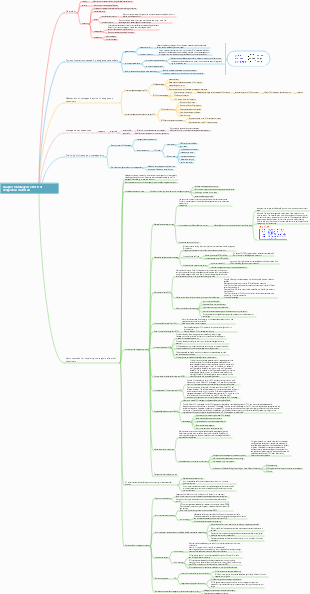
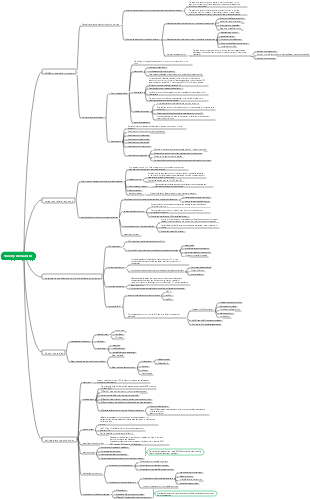
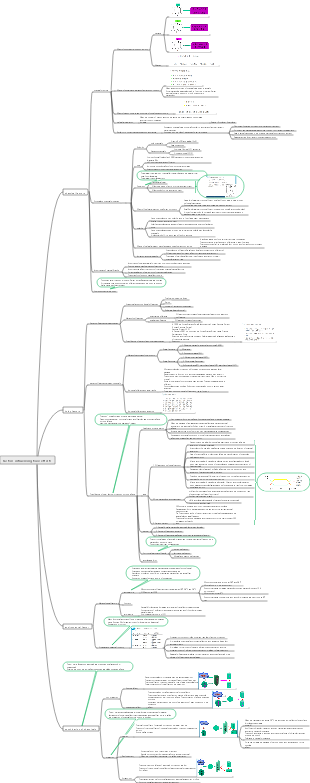
This is a mind map about developmental toxicity and teratogenicity in Chapter 10 of Toxicology, including developmental toxicity and teratogenicity, teratogenic (developmental toxicity) mechanism of action, developmental toxicity and teratogenicity testing and evaluation, etc.
Edited at 2023-12-17 16:31:14This Valentine's Day brand marketing handbook provides businesses with five practical models, covering everything from creating offline experiences to driving online engagement. Whether you're a shopping mall, restaurant, or online brand, you'll find a suitable strategy: each model includes clear objectives and industry-specific guidelines, helping brands transform traffic into real sales and lasting emotional connections during this romantic season.

This Valentine's Day map illustrates love through 30 romantic possibilities, from the vintage charm of "handwritten love letters" to the urban landscape of "rooftop sunsets," from the tactile experience of a "pottery workshop" to the leisurely moments of "wine tasting at a vineyard"—offering a unique sense of occasion for every couple. Whether it's cozy, experiential, or luxurious, love always finds the most fitting expression. May you all find the perfect atmosphere for your love story.
The ice hockey schedule for the Milano Cortina 2026 Winter Olympics, featuring preliminary rounds, quarterfinals, and medal matches for both men's and women's tournaments from February 5–22. All game times are listed in Eastern Standard Time (EST).
This Valentine's Day brand marketing handbook provides businesses with five practical models, covering everything from creating offline experiences to driving online engagement. Whether you're a shopping mall, restaurant, or online brand, you'll find a suitable strategy: each model includes clear objectives and industry-specific guidelines, helping brands transform traffic into real sales and lasting emotional connections during this romantic season.
This Valentine's Day map illustrates love through 30 romantic possibilities, from the vintage charm of "handwritten love letters" to the urban landscape of "rooftop sunsets," from the tactile experience of a "pottery workshop" to the leisurely moments of "wine tasting at a vineyard"—offering a unique sense of occasion for every couple. Whether it's cozy, experiential, or luxurious, love always finds the most fitting expression. May you all find the perfect atmosphere for your love story.
The ice hockey schedule for the Milano Cortina 2026 Winter Olympics, featuring preliminary rounds, quarterfinals, and medal matches for both men's and women's tournaments from February 5–22. All game times are listed in Eastern Standard Time (EST).
Chapter 10 Developmental Toxicity and Teratogenic Effects
Section 1 Overview
1. Developmental Toxicology
It is an important branch of toxicology. It studies the abnormal development outcomes and related mechanisms of development of developing organisms due to exposure to environmental harmful factors before birth during the development process of fertilized eggs, gestation, postnatal, and sexual maturity. Pathogenesis, influencing factors and toxicokinetics, etc.
2. A brief history of teratogenesis research
Thalidomide incident
Section 2 Developmental Toxicity and Teratogenicity
basic concept
Malformation: refers to defects in the anatomy of a developing organism. Can have harmful effects on appearance, physiological functions and/or lifespan, and can lead to survival or death
teratogen
2.Mutation
are changes in appearance controlled by genetic and extragenetic factors, or differences due to changes in differentiation
It refers to the phenomenon that sometimes the same phenomenon occurs between offspring and parents of the same species or between individuals of offspring.
3. Embryo body-fetal body toxicity
In a broad sense, it includes various damages to the structure and function of the conceptus. In a narrow sense, it refers to the death and growth retardation of the conceptus, excluding structural malformations.
Distinguish between the two stages of embryonic body and fetal body
Main characteristics of damage at each stage
4. Developmental toxicity
It refers to the harmful effects induced by exposure to harmful factors before and after birth and before the offspring develop into adults. The main manifestations are:
death of developing organism
The fertilized egg dies before developing;
The blastocyst dies before implantation (early pregnancy loss)
Death at a certain stage of development after implantation
Early death is absorbed or expelled from the uterus (spontaneous abortion) Late death becomes stillbirth
growth changes
Growth retardation, growth and development indicators are 2 standard deviations lower than the mean of normal controls
Structural abnormality
Refers to abnormal morphological structure of the fetus, that is, malformation
functional defects
That is, fetal biochemical, physiological, metabolic, immune, neurological activity and behavioral defects or abnormalities
Birth defect: refers to developmental disorders that occur before a baby is born, including deformities and functional defects. Such as congenital heart disease, cleft lip and palate, neural tube malformation, hypospadias, cryptorchidism, etc.
Adverse pregnancy outcomes (adverse pregnancy outcomes): refers to the failure of pregnancy to produce offspring with normal appearance and function.
Characteristics and influencing factors of developmental toxicity
Compared with the toxic effects on other organ systems, the developmental toxic effects of exogenous chemicals have significant characteristics:
Teratogenicity is affected by many factors, including sensitive period, genetic type, dose, maternal toxicity, etc.
(1) Developmental toxicity characteristics and teratogenic sensitive periods at various stages of development
After fertilization, the egg develops until birth, which is called the conceptus.
The development process from fertilization to newborn goes through:
Pre-implantation period
Also known as the pre-differentiation stage, it starts from the time of fertilization and ends before implantation is completed. This period is 11-12 days in humans; first 6 days in rodents
At this time, the damaged blastocyst is prone to death, which is called preimplantation loss. Some chemical poisons act on the blastocyst, causing it to die and be lost
Preimplantation developmental toxicity
It is generally believed that specific teratogenic effects rarely occur at this time. There are also examples of fetal malformations caused by exposure to toxins during early pregnancy.
The stage of organogenesis that is most likely to cause malformations
The period of time after implantation of the pregnancy until the hard palate closes. It is a critical period for the occurrence of structural malformations, also known as the teratogenic sensitive period. During this period, most organs have a special sensitive period to teratogenic effects, which is the so-called time "target window"
Calculated from the date of fertilization: 3-8 weeks for humans; 6-15 days for rats and mice; 6-18 days for rabbits
Developmental toxicity during organogenesis
The same dose of a teratogen comes into contact with the embryo during the sensitive period, Different malformations may occur depending on the developmental stage of the embryo.
During the organ formation period, in addition to teratogenesis, poisoning may also cause embryonic death. Humans and primates end up in miscarriage, and a fetus with multiple offspring is absorbed after the embryo dies, which is called resorption.
During this period, exogenous chemicals exhibit developmental toxicity, with structural malformations being the most prominent, as well as embryonic death and growth retardation.
fetal period
The period from the end of organ formation (from day 56-58 in humans) to delivery
With tissue differentiation, growth and physiological maturation as basic characteristics, exposure to developmental toxicants is likely to have effects on growth and functional maturation
Generalized growth retardation
specific dysfunction
transplacental carcinogenesis
stillbirth
Perinatal and postnatal development
Main manifestations of developmental toxicity:
developmental immunotoxicity
neurobehavioral developmental abnormalities
childhood tumors
The perinatal period is the most sensitive period in life to carcinogens. Many childhood tumors with high incidence (such as acute lymphoblastic leukemia, neuroblastoma, presacral teratoma, etc.) may be related to prenatal factors.
Because cells proliferate rapidly during this period, the ontogeny of drug metabolizing enzymes is incomplete, and immune surveillance function is low.
developmental immunotoxicity
Dioxins, cypermethrin, ethanol, etc.→affect the development, differentiation, migration, homing and function of postnatal T cells, B cells and phagocytes
Ultimately temporarily or permanently damaging the offspring's immune system
developmental neurotoxicity
Manifested as effects on sensation, movement, autonomy and cognition
Alcohol consumption during pregnancy → Fetal alcohol syndrome (FAS)
Parental smoking (nicotine) can alter the development of nicotinic receptors in the fetal central nervous system and increase learning, behavioral and attention disorders after birth.
(2) Dose-response model of developmental toxicity
In addition to the death of almost all embryos in the litter at higher doses, normal fetuses, growth retardation, and structural malformations coexist: this type is more common
Teratogenesis can occur at doses far lower than embryonic lethality, and may even cause teratogenesis in the entire litter: this model indicates that the test substance is highly teratogenic and is less common.
Growth retardation and embryonic lethality but no malformations
Threshold concept of developmental toxicity
It requires a huge number of samples and it is difficult to experimentally find a dose-response relationship with a very low incidence;
Most mechanisms of developmental toxicity are unclear and either support or do not support the existence of a threshold
Consider the difference between individual thresholds and group thresholds
(3) Species differences in developmental toxicity
Maternal toxicity and developmental toxicity
Maternal toxicity: Refers to the damaging effects of exogenous chemicals on the pregnant mother at a certain dose. Specific manifestations include weight loss, the development of certain clinical symptoms, and death.
(1) The influence of maternal factors on developmental toxicity
Genetics, disease, nutrition, stress, toxicity to placenta
(2) The relationship between maternal toxicity and embryo toxicity
1. Developmentally toxic, but not maternally toxic
2. Developmental toxicity and maternal toxicity occur simultaneously
3. It has maternal toxicity but does not have teratogenic effects.
4. At a certain dose, there is neither maternal toxicity nor developmental toxicity.
paternal developmental toxicity
More and more population epidemiological studies have found that certain birth defects are also related to male factors, known as paternal birth defects.
The main factors causing paternal birth defects are genetic defects, age factors and external exposure factors (including occupational and environmental exposures, chemotherapy and radiotherapy, other drugs, and bad habits such as drinking and smoking). These factors have adverse effects on the developing individual through the father. effects, hence the name paternal developmental toxicity
(1) Main manifestations of paternal developmental toxicity
1.Spontaneous miscarriage or birth defects
2.Children’s tumors
3. Imbalance in male to female birth ratio
(2) The relationship between paternal factors and developmental toxicity
1. Related to abnormal development of male germ cells caused by environmental factors
2. A small amount of developmental poisons such as alcohol can enter fertilized eggs and even developing embryos through semen, causing adverse effects.
Section 3 Teratogenic (developmental toxicity) mechanism of action
(1) Common developmental toxicity mechanisms
1.Gene mutations and chromosomal aberrations
2. Cell damage and death
3. Interfering with cell-cell interactions
4. Causes developmental toxicity through placental toxicity
5. Disturb maternal homeostasis
6. Intrauterine reprogramming and embryonic developmental toxicity
(2) Intrauterine reprogramming and embryonic developmental toxicity
1. Definition of reprogramming and intrauterine reprogramming
2. Epigenetic heritable changes in gene expression levels caused by non-DNA sequence changes
(1) DNA methylation
(2) Histone modification: acetylation, methylation, phosphorylation, ubiquitination
(3) Non-coding RNA: miRNA, siRNA, LncRNA
(4) Chromatin remodeling
3. Early reprogramming of embryonic development
Genomic imprinting, X chromosome inactivation, regulation of tissue differentiation
4. Intrauterine reprogramming and epigenetic related diseases such as obesity, hyperglycemia, cardiovascular diseases, and psychiatric and neurological diseases
Developmental Toxicity and Teratogenicity Testing and Evaluation
Mammal developmental toxicity test·
Advantages: It is easy to control the contact conditions, the number, age, status of contact animals and select detection effect indicators (end points). Even minor effects are interesting for studying human effects
Disadvantages: There is uncertainty in the extrapolation of test results to humans, and the specificity of predicting teratogenicity in humans is not high enough; it is difficult to extrapolate from higher dose exposure results to humans (lower exposure dose), and there are also differences between humans individual differences are greater than those of animals
Three-stage toxicity test (textbook p209)
Paragraph I: Fertility and Early Embryonic Development Toxicity Tests (General Reproductive Toxicity Tests)
Section II: Embryo body-fetal body toxicity test (teratogenicity test)
Section III: Developmental toxicity test before and after birth (perinatal toxicity test)
Epidemiological studies and identification of toxicants for human development
Use epidemiological methods to study the impact of reproductive toxicants in the environment on population reproduction and development, including the nature, extent and causes
Environmental epidemiological research must be coordinated with the detection of environmental chemical toxicants and the detection of human biomarkers, that is, molecular epidemiological research.
Environmental epidemiological research is not a general epidemiological investigation. It must be scientifically designed, strictly select objects and controls, and objectively quantify observation indicators.
Criteria for identification of human teratogens
A sudden increase in the frequency of a particular defect or of several defects together (syndrome)
An increase in defects associated with a known environmental change (such as the widespread use of a new drug)
Syndrome characterized by characteristic defects caused by exposure to certain environmental changes during specific stages of pregnancy
Lack of other common factors in pregnancy that cause babies with characteristic defects
Initial screening and surrogate testing for developmental toxicity
In vivo primary screening test
C.K test: Most damage sustained before birth will manifest postnatally as reduced viability and/or growth failure. Therefore, after the mice are born, the purpose of primary screening can be achieved by observing the developmental toxicity manifestations such as appearance deformity, embryonic death, growth retardation, etc. without conducting visceral and skeletal examinations in conventional experiments.
In vitro preliminary screening test
Rat whole embryo culture
Embryonic Cell Micromass Culture
Mouse Embryonic Stem Cell Experiment
Model organism preliminary screening test