MindMap Gallery tumor
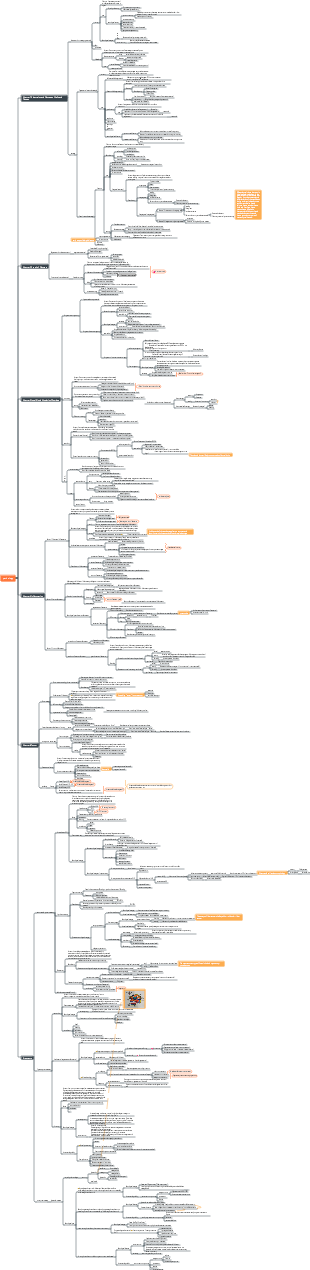
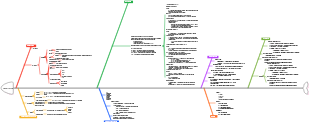
This is a mind map about tumors. Tumors are new species formed by abnormal proliferation of cells in the body. They often appear as abnormal tissue masses (lumps) in local parts of the body.
Edited at 2023-12-24 23:23:14Avatar 3 centers on the Sully family, showcasing the internal rift caused by the sacrifice of their eldest son, and their alliance with other tribes on Pandora against the external conflict of the Ashbringers, who adhere to the philosophy of fire and are allied with humans. It explores the grand themes of family, faith, and survival.

This article discusses the Easter eggs and homages in Zootopia 2 that you may have discovered. The main content includes: character and archetype Easter eggs, cinematic universe crossover Easter eggs, animal ecology and behavior references, symbol and metaphor Easter eggs, social satire and brand allusions, and emotional storylines and sequel foreshadowing.
[Zootopia Character Relationship Chart] The idealistic rabbit police officer Judy and the cynical fox conman Nick form a charmingly contrasting duo, rising from street hustlers to become Zootopia police officers!
Avatar 3 centers on the Sully family, showcasing the internal rift caused by the sacrifice of their eldest son, and their alliance with other tribes on Pandora against the external conflict of the Ashbringers, who adhere to the philosophy of fire and are allied with humans. It explores the grand themes of family, faith, and survival.
This article discusses the Easter eggs and homages in Zootopia 2 that you may have discovered. The main content includes: character and archetype Easter eggs, cinematic universe crossover Easter eggs, animal ecology and behavior references, symbol and metaphor Easter eggs, social satire and brand allusions, and emotional storylines and sequel foreshadowing.
[Zootopia Character Relationship Chart] The idealistic rabbit police officer Judy and the cynical fox conman Nick form a charmingly contrasting duo, rising from street hustlers to become Zootopia police officers!
tumor
concept
★Tumor is a new species formed by abnormal proliferation of cells in the body, often manifesting as abnormal tissue masses (mass) in local parts of the body.
Naming and classification
★Name
benign tumor
Name of tissue or cell type “tumour”
Named based on the morphological characteristics of the tumor
malignant tumor
epithelial tissue cancer
mesenchymal sarcoma
A malignant tumor that has both cancer and sarcoma components is called carcinosarcoma
The difference between cancer and sarcoma
Special nomenclature for tumors
immature histioblastoma
Some malignant tumors have customary names. Although they are called "tumors" or "diseases", they are all malignant tumors.
Such as: leukemia, seminoma, etc.
Some malignant tumors have complex components or inherited habits, so "malignant" is added before the name of the tumor.
Such as: malignant melanoma, malignant meningioma, etc.
Some malignant tumors are named after people
Such as: Ewing's sarcoma, Hodgkin's lymphoma
Some are named according to the shape of tumor cells
Such as: clear cell sarcoma, oat cell carcinoma
Some press "...tumor disease" to refer to the state of multiple tumors.
Classification of tumors
Five categories
epithelial tissue
mesenchymal tissue
Lymphatic hematopoietic tissue
nervous tissue
Other tumors
benign, malignant
Determination of tumor type: clinical manifestations, imaging, morphology, immunohistochemistry
form
General shape
Shape: related to growth mode, site of occurrence, tissue source, benign and malignant degree, etc.
Relationship with surrounding organizations
Number: usually 1 tumor (single tumor); multiple primary tumors can also occur simultaneously or successively (multiple tumors)
size
It is related to the nature of the tumor (good or bad), growth time, location of occurrence, etc.
When there is a big difference
Small: Thyroid microcarcinoma
Large: Ovarian cystadenoma
color
Blood volume, degeneration, necrosis, bleeding, pigments contained
You can guess what kind of tumor it is based on its color and texture.
Hemangioma – red or dark red
Lipoma - yellow
Melanoma – black
Tumors of fibrous tissue – grayish-white
Texture: Its type is also related to the ratio of tumor cells to stroma.
Osteoma is hard, lipoma is soft
Parenchyma > stroma → softer, such as colorectal adenoma
Parenchyma<stroma→harder
tumor tissue structure
substance
constitute
tumor cells
significance
Its cell morphology, structural structure or its products are the main basis for judging the direction of tumor differentiation and classifying tumor histology.
Main factors affecting tumor biological behavior
Interstitial
constitute
Connective tissue, blood vessels, lymphocytes
Stroma is not specific
significance
Nutrition and support for tumor parenchyma
Participate in tumor immune response
The microenvironment it constitutes has an important impact on the growth, differentiation and migration of tumor cells.
Tumor differentiation and atypia
tumor atypia
Tumor tissue structure and cell morphology are different from corresponding normal tissues to varying degrees.
Small atypia - often benign
Large atypia - often malignant
significance
It is a manifestation of maturity disorders and differentiation disorders in tumor tissues and cells.
It is an important indicator to distinguish between benign and malignant tumors.
tumor cell atypia
Pleomorphism of tumor cells
abnormal cell volume
Tumor cells are inconsistent in size and shape and are generally larger than normal cells. Tumor giant cells can be seen.
Changes in tumor cell cytoplasm
Basophilic
Pleomorphism of tumor cell nuclei
Increased nuclear size
different shapes
The nucleus is deeply stained, the chromatin is thick, and the nucleoli are enlarged and increased in number.
Increased mitotic figures and pathological mitotic figures.
Atypia of tumor tissue structure
Refers to the difference between the spatial arrangement of the tissue structure formed by tumor cells and the corresponding normal tissue.
Benign tumors: less atypia VS malignant tumors: more obvious atypia in tissue structure, and obvious atypia in tumor cells
★Differentiation of tumors
Tumor tissue differentiation degree
The cells and tissues of the tumor are somewhat similar to the mature tissues and cells from which they originated.
Reflects the maturity of tumor tissue
Grading and staging
malignant tumor
Basis for grading
degree of differentiation
Atypical size
The number of mitotic figures
Grading
Well differentiated - low grade malignancy
Grade 2 - Moderately Differentiated - Moderately Malignant
Poorly differentiated-highly malignant
installment
main principles
primary tumor size
depth of infiltration
Diffusion range
transfer situation
The TNM staging system is widely used internationally
T: size of primary lesion, T1~T4
N: Lymph node involvement, N0~N3
M: Hematogenous metastasis, M0~M1
The higher the grade and stage, the lower the survival rate
Certain tissue structural atypia is an important diagnostic basis for benign tumors
The process of growth and development from immature tissues or cells with no special functions to mature tissues and cells with special functions.
★Growth and spread of tumors
tumor growth
How tumors grow
Expansive growth: Slow growth, gradually increasing in size like an inflated balloon, pushing out surrounding tissues
Features
envelope
Clear boundaries and good mobility
Easy to remove
More common in benign tumors
★Invasive growth (invasive growth): tumor cells divide and proliferate, such as invading surrounding tissue spaces, lymphatic vessels, and blood vessels, and infiltrating and destroying surrounding tissues.
Features
unclear boundaries
Unencapsulated
damage surrounding tissue
fixed
The scope of surgical resection should be expanded
exophytic growth
Distributed on the body surface, body cavity, and duct organs, they often grow toward the surface and form protrusions (nipples, polyps, cauliflower), and are common in both benign and malignant tumors.
tumor growth rate
Benign tumors grow slowly
If the growth rate accelerates in a short period of time, malignant transformation is suspected.
Malignant tumors grow rapidly, and secondary changes such as bleeding and necrosis occur at the same time
spread of tumor
direct spread transfer
spread directly
As malignant tumors continue to grow, tumor cells often continuously infiltrate and grow along tissue gaps, lymphatic vessels, or nerve corsets, destroying adjacent organs or tissues.
transfer
Lymphatic vascular body cavity tumors of the same type as the primary tumor
tumor metastasis
Lymphatic metastasis: lymph node marginal sinus
Hematogenous metastasis
Hematogenous transfer route
Systemic venous intrapulmonary metastases
Intrahepatic metastases of the portal venous system
Pulmonary vein metastases to various organs throughout the body
Intracranial metastasis of vertebral venous plexus
Characteristics of hematogenous metastasis
Multiple metastases
Scattered distribution
Clear state of mind
Cancerous umbilical cord
Implantation transfer
Malignant tumors that occur in organs within the body cavity such as the chest, abdomen, and cranial cavity, when they spread to the surface of the organ, the tumor cells can fall off and be planted on the surface of other organs in the body cavity like seeds, forming multiple metastatic tumors.
Pathways of plant transfer
abdominal cavity
stomach cancer
chest
lung cancer
cranial cavity
Cerebellar Medulloblastoma
The biology of tumor growth
Tumor growth fraction: the proportion of cells in a proliferating state among the tumor cell population
Tumor evolution: the phenomenon in which malignant tumors become more aggressive as they grow
Heterogeneity of tumors: Monoclonally derived tumor cells gradually form cell subclones that differ in invasiveness, growth rate, response to hormones, and resistance to anticancer drugs.
★The harm of tumors to the body
The harm of benign tumors to the body
Generally, the impact is small and mainly depends on the location of growth and secondary changes.
intracranial
oppression
Tunnel
block
secondary hemorrhagic infection
Such as uterine submucosal fibroids, which cause anemia in patients
Secondary pedicle torsion
Subserosal uterine fibroids can cause severe pain and acute abdomen
endocrine gland tumors
For example, islet cell tumors can cause paroxysmal hypoglycemia
The harm of malignant tumors to the body
Destroy organ structure and function
Ulcers, bleeding, perforation
Infection, fever, pain
cancer cachexia
ectopic endocrine syndrome
nonendocrine gland tumors
These tumors are called ectopic endocrine tumors
Such as lung cancer, stomach cancer, liver cancer, etc.
paraneoplastic syndrome
The products of tumors or abnormal immune responses or other reasons cause lesions in the endocrine, nervous, digestive, hematopoietic, bone and joint, kidney, skin and other systems, resulting in corresponding clinical manifestations, but these manifestations are not directly caused by the primary tumor or metastasis of
Understanding the significance of paraneoplastic syndromes
to detect tumors
Avoid mistaking tumor metastasis
★The difference between benign tumors and malignant tumors
borderline tumors
Tumors whose tissue morphology and biological behavior are between benign and malignant
relativity
variability
Precancerous lesions, atypical hyperplasia, carcinoma in situ and intraepithelial neoplasia
Precancerous lesions
Precancerous lesions are certain lesions that, although not malignant in themselves, have the potential to develop into malignant tumors
The discovery of clear precancerous lesions is of great significance in the prevention of tumors
Not all precancerous lesions will inevitably turn into cancer, and not all cancers have obvious precancerous lesions.
atypical hyperplasia
Refers to cell proliferation and atypia, but not enough to be diagnosed as malignant
carcinoma in situ
Carcinoma in situ refers to cancer that is limited to the epithelial layer and does not break through the basement membrane and infiltrate downward.
site of occurrence
Areas covered by squamous epithelium or transitional epithelium
Mucosal surface with squamous metaplasia
Breast lobule ducts or acini
intraepithelial neoplasia
The continuum from atypical hyperplasia to carcinoma in situ
Level I, II, III
Cervical intraepithelial neoplasia CIN I. CINⅡ, CINⅢ
Examples of common tumors
epithelial tissue tumors
benign tumors of epithelial tissue
papilloma
adenoma
cystadenoma
fibroadenoma
Pleomorphic adenoma
Polypoidal adenoma (adenomatous polyp)
Epithelial tissue malignant tumors (the most common malignant tumors in humans, collectively referred to as cancer)
It grows infiltratively, has a hard texture, and the cut surface is gray-white and dry. Formation of cancer nests, early lymphatic metastasis, late hematological metastasis
squamous cell carcinoma
basal cell carcinoma
urothelial carcinoma
Adenocarcinoma
mucinous carcinoma
mesenchymal tissue tumors
benign mesenchymal tumors
Lipoma
Hemangioma
lymphangioma
leiomyoma
malignant mesenchymal tumors
Fibrosarcoma
liposarcoma
rhabdomyosarcoma
Leiomyosarcoma
Osteosarcoma
Lymphoid hematopoietic tissue tumors
Lymphoma
leukemia
Other tissue tumors
melanoma
teratoma