MindMap Gallery Ophthalmology—Uveal diseases
The causes and classification of uveitis, especially the clinical manifestations, complications, differential diagnosis and treatment of anterior uveitis; Causes, clinical manifestations and treatment of common specific types of uveitis The complexity of the cause of uveitis, the severity of prognosis and the significance of early diagnosis and timely and reasonable treatment Clinical manifestations, complications and treatment principles of uveitis at other sites.
Edited at 2024-03-09 16:17:41This is a mind map about bacteria, and its main contents include: overview, morphology, types, structure, reproduction, distribution, application, and expansion. The summary is comprehensive and meticulous, suitable as review materials.

This is a mind map about plant asexual reproduction, and its main contents include: concept, spore reproduction, vegetative reproduction, tissue culture, and buds. The summary is comprehensive and meticulous, suitable as review materials.
This is a mind map about the reproductive development of animals, and its main contents include: insects, frogs, birds, sexual reproduction, and asexual reproduction. The summary is comprehensive and meticulous, suitable as review materials.
This is a mind map about bacteria, and its main contents include: overview, morphology, types, structure, reproduction, distribution, application, and expansion. The summary is comprehensive and meticulous, suitable as review materials.
This is a mind map about plant asexual reproduction, and its main contents include: concept, spore reproduction, vegetative reproduction, tissue culture, and buds. The summary is comprehensive and meticulous, suitable as review materials.
This is a mind map about the reproductive development of animals, and its main contents include: insects, frogs, birds, sexual reproduction, and asexual reproduction. The summary is comprehensive and meticulous, suitable as review materials.
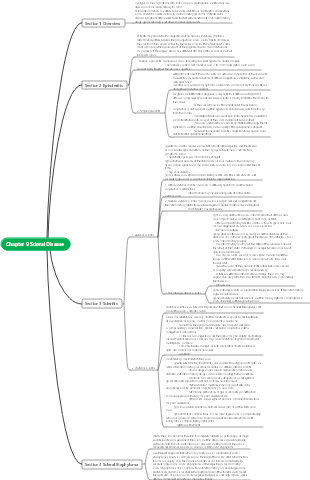
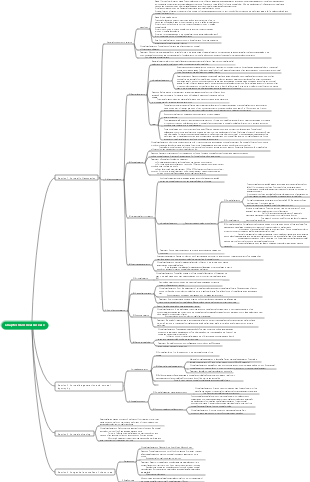
Ophthalmology—Uveal diseases
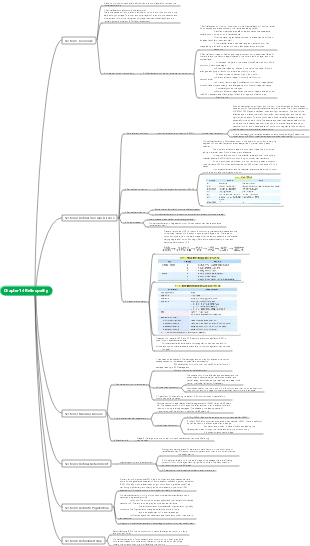
master The causes and classification of uveitis, especially the clinical manifestations, complications, differential diagnosis and treatment of anterior uveitis; Causes, clinical manifestations and treatment of common specific types of uveitis familiar The complexity of the cause of uveitis, the severity of prognosis and the significance of early diagnosis and timely and reasonable treatment learn Clinical manifestations, complications and treatment principles of uveitis at other sites
Section 1 Overview
1. Anatomical and physiological characteristics of the uvea
Also known as: pigment membrane, vascular membrane
Anatomical and physiological characteristics of uveal lesions
The uvea is rich in pigmented tissue, but the pigmented tissue has antigen specificity and is prone to autoimmune reactions.
The iris, ciliary body, and choroid originate from the same blood supply system and will affect each other during lesions.
The uvea is richly vascularized and highly responsive to the effects of systemic disease
2. Basic lesions of uvea
Inflammation (most common) tumor There are two types of primary tumors: pigmented and non-pigmented Metastatic tumors include lung cancer, breast cancer, etc. degenerative disease Mainly seen in primary choroidal atrophy
3. Progress in immunological research on uveal diseases
1. Immunological properties related to uveal tissue 2. Abnormalities in the immune structure and function of uveal tissue 3. Autoimmune related ocular tissue antigens and immune complexes 4. Uveitis and HLA
Clinical characteristics and principles of diagnosis and treatment
1. Causes, pathogenesis and clinical types
Infectious factors: Bacteria, viruses, fungi, parasites self-immune: The eye contains a variety of autoantigens, including retinal S antigen, interphotoreceptor vitamin A-binding protein, and melanin-related antigen.
Trauma and physical and chemical injuries Immunogenetic mechanism: HLA antigen
2. Clinical manifestations: anterior, middle, posterior and panuveitis
Clinical type (classification)
site of inflammation anterior uveitis intermediate uveitis posterior uveitis Panuveitis
Course of disease Acute ≤3 months Chronic >3 months Clinical pathological features: Granulomatous and non-granulomatous Cause classification: infectious and non-infectious
(1) Anterior uveitis
Most common type of uveitis (50 to 60%) Includes 3 types: iritis iridocyclitis Anterior cyclitis
Anterior uveitis is often associated with rheumatic diseases, including rheumatoid arthritis, ankylosing spondylitis, etc.
clinical manifestations
1. Symptoms Eye pain, photophobia, tearing, and vision loss.
2. Physical signs Ciliary congestion, retrocorneal deposits, anterior chamber flare, changes in anterior chamber cells, iris and pupil, changes in the lens, changes in the vitreous body and fundus.
ciliary congestion
Hyperemia of episcleral blood vessels around the limbus
Differentiation between conjunctival congestion and ciliary congestion
Keratic precipitates (KP)
Inflammatory cells or pigment deposits on the posterior surface of the cornea corneal endothelial cell damage forming conditions anterior chamber inflammatory cells KP shape: dust-like, fine dot-like, suet-like.
Dusty KP
aqueous flare
The protein concentration in the aqueous humor increases, and a white beam can be seen on slit lamp examination, also known as Tyndall's sign.
Reflects the destruction of the blood-aqueous humor barrier
During the recovery period of inflammation and a period of time after the recovery period, the blood-aqueous humor barrier function has not yet been restored, and anterior chamber flashes may still occur.
aqueous cell
Inflammatory cells in aqueous humor Under the slit lamp, there are gray-white, dust-like particles of uniform size swimming in circulation. Hypopyon A large number of inflammatory cells in the aqueous humor are deposited in the lower chamber angle, and a plane of pus accumulation can be seen. cellulose exudation
changes in iris
Posterior synechia of iris The iris and the anterior surface of the lens are adherent due to fibrinous exudation. iris bombe The iris has extensive posterior synechiae, the pressure in the posterior chamber increases, and the iris is pushed forward into a bulging shape. Anterior synechia of the iris Adhesion or adhesion of the iris to the posterior surface of the cornea.
Nongranulomatous uveitis, villous Koeppe's nodules
Busacca nodules
Seen in granulomatous uveitis
miosis Ciliary muscle spasm and pupillary sphincter contraction Seclusion of pupil 360º posterior synechiae at the pupillary margin occlusion of pupil The fibrous membrane covers the entire pupillary area
Posterior synechiae of the iris - plum blossom pupils
Vitreous body and fundus changes
In acute inflammation of the ciliary body, inflammatory cells in the anterior vitreous may be seen reactive cystoid macular edema papilledema
Complications and their management
1. Complicated cataract-retrocapsular opacification of the lens Cataract extraction and intraocular lens implantation were performed when inflammation was controlled.
2. Secondary glaucoma - a. Inflammatory cells, exudation and tissue fragments directly block the chamber angle; b. Inflammation of the anterior mucosa or trabecular meshwork around the iris, abnormal aqueous humor circulation; c. Pupil atresia or membrane atresia, blocking the atrium. Water enters the anterior chamber from the posterior chamber Intraocular pressure-lowering drugs, peripheral iridotomy or filtering surgery, etc.
3. Low intraocular pressure and eye atrophy - repeated inflammation causes ciliary body detachment or atrophy, and aqueous humor secretion decreases Anti-infective treatment and systemic or local supportive therapy are given.
Differential diagnosis
1. Acute conjunctivitis: The identification point lies in whether there is an inflammatory reaction in the eye. 2. Acute angle-closure glaucoma: The identification points are whether the intraocular pressure is elevated and whether there is an inflammatory reaction in the eye. 3. Intraocular tumors: can cause pseudohyphema, which can be identified by ocular B-ultrasound, CT and other examinations. 4. Panuveitis: In addition to anterior inflammation, there is also inflammation in the posterior segment of the eye.
(2) Intermediate uveitis
concept An inflammatory and proliferative disease of the pars plana, vitreous base, peripheral retina, and choroid.
Epidemiology Any age, mostly <40 Same ratio of men to women 80% for both eyes
clinical manifestations
Symptoms: The onset is insidious. Physical signs: 1. The base of the vitreous body and the pars plana of the ciliary body: snowbank-like changes, mostly at the lower part, occasionally visible in 360°. 2. Vitreous body: snowball-like opacity.
3. Anterior segment: mild to moderate Children: Severe acute iridocyclitis.
4. Retina: (1) Vasculitis, perivasculitis Periphery>Houji Perivasculitis > Vasculitis vein>artery (2) Edema, exudation, and bleeding
Complications and their management
1. Complicated cataracts 2. Macular edema and macular degeneration: anti-inflammatory, swelling and absorption-promoting treatment are performed. If there is choroidal neovascularization, anti-VEGF treatment or PDT treatment is possible. 3.Proliferative retinovitreopathy If traction retinal detachment occurs, vitreoretinal surgery should be used.
(3) Posterior uveitis
Classification:
Choroiditis and Retinochoroiditis: Sympathetic ophthalmia, Vogt-Koyanagi Harada disease
Retinitis: Ocular toxoplasmosis, cytomegalovirus infection, Behcet's disease
Retinal vasculitis: Polyarteritis nodosa, Wegener's granulomatosis, Behcet's disease, Eales' disease
clinical manifestations
1. Symptoms Depends on the type of inflammation and the location of the damage. In the early stages, there are often no symptoms or only a flash of light in front of the eyes. In severe cases, symptoms such as severe vision loss, foggy vision, solid scotoma in the central field of vision, visual field defects, and visual distortion occur.
2. Physical signs
Retinitis:
Retinal edema and exudation
retinal necrosis
retinal hemorrhage
Vitreous opacity
exudative retinal detachment
Choroiditis and retinal pigment epitheliitis:
Subretinal yellow-white lesions
Choroidal thickening
quiescent pigment epithelial proliferation
Retinal vasculitis: retinal vascular sheath vascular occlusion Bleeding
(4) Panuveitis
Panuveitis (generalized uveitis or panuveitis) It refers to inflammation involving the entire uvea, often accompanied by inflammation of the retina and vitreous body.
Endophthalmitis Inflammation caused by infectious factors mainly occurs in the vitreous body or aqueous humor.
clinical diagnosis
clinical manifestations Imaging examinations: FFA, OCT, B-ultrasound, CT, MRI, etc.
Laboratory tests: Routine blood tests and biochemical tests, bacterial smears, virus isolation and bacterial culture, etc. Immune antigen and antibody detection: Serological testing, lymphocyte transformation test and leukocyte migration inhibition test.
Treatment principles
Dilate pupils, antagonize inflammation, and eliminate the cause of disease 1. Cycloplegic agent: For acute and severe inflammation, use 1% to 2% atropine eye ointment. After 2 to 3 days, change to 2% homatropine eye ointment. When the inflammation is mild, tropicamide can be used. Eye drops can prevent posterior adhesion, relieve ciliary muscle and sphincter spasm, relieve pain, and promote the dissipation of inflammation.
2. Glucocorticoids: The type, dosage and frequency of eye drops should be determined according to the severity of inflammation. 3. Non-steroidal anti-inflammatory drugs: inhibit arachidonic acid products. Commonly used drugs include pranoprofen and diclofenac sodium. The frequency of drugs and eye drops should be determined according to the severity of inflammation. 4. Antibiotics: Sensitive antibiotics or antiviral drugs should be used systemically or locally if caused by infectious factors.
5. Immunosuppressants: People with recurrent inflammation, especially those with systemic lesions or when inflammation is difficult to control, may consider glucocorticoids combined with immunosuppressants. Commonly used immunosuppressants include chlorambucil, cyclosporine, When using cyclophosphamide, etc., attention should be paid to systemic side effects. 6. Other therapies: hot compress, scleral condensation, laser photocoagulation, vitrectomy.
3. Clinical diagnosis
4. Treatment principles
5. Complications and their treatment
Section 2 Several special types of uveitis
1. Ankylosing spondylitis
Clinical manifestations: Acute anterior uveitis occurs in both eyes sequentially, repeatedly, and alternately, mostly in young and middle-aged men. Changes in sacroiliac joints and spine: blurred cartilage plates, bone erosion, and sclerosis HLA-B27 antigen positive treat: Like anterior uveitis, spinal lesions are treated by relevant departments
Clinical manifestations: prodromal stage (1-2 weeks before the onset of uveitis, lasting several days)
2. Vogt-Koyanagi Harada disease (VKH)
A disease that affects multiple organ systems throughout the body Includes: eyes Ears: Hearing loss Skin: vitiligo, white hair, hair loss Meninges: Neck stiffness, headache inflammatory diseases Bilateral granulomatous panuveitis
Cause and pathogenesis
Viral infection Autoimmunity Pigment cells are both antigens and target tissues Immunogenetic HLA-DR4, DRw53 HLA-DQW3 HLA-DRB1* 0405
clinical manifestations
: Prodromal stage (1-2 weeks before the onset of uveitis, lasting several days)
Sudden onset, symptoms of meningeal irritation Severe central nervous system involvement A small number of mild mental disorders Temporary increase in cerebrospinal fluid pressure lymphocytosis
Post-uveitis stage (within 2 weeks after uveitis occurs)
Symptoms in both eyes Symptoms: sharp decrease in vision, eye pain, photophobia, flash of light Distortion Papilledema and hyperemia, retinal edema, venous congestion, radial macular wrinkles, exudative retinal detachment Diffuse choroiditis, discitis, retinal neuroepithelial detachment
Anterior uveal involvement period (2 weeks to 2 months after onset)
Anterior segment: acute exudative iridocyclitis Non-granulomatous anterior uveitis manifestations such as dusty KP, anterior chamber flare, and anterior chamber cells
Recurrent period of anterior uveitis (2 months after onset, lasting several months to years)
Inflammation gradually subsides Most patients have posterior iris synechiae The fundus looks like sunset, with nodules D-F Skin depigmentation changes
Major eye complications
secondary glaucoma Complicated cataract exudative retinal detachment
Diagnostic criteria
1. The patient has no history of eye trauma or eye surgery 2. At least 3 of the following 4 manifestations appear a. Bilateral chronic iridocyclitis b. Posterior uveitis, exudative retinal detachment papilledema and hyperemia sunset-like fundus c. Central nervous system involvement Cerebrospinal fluid lymphocytosis d. Skin: vitiligo, white hair, alopecia 3.FFA: lake-like strong fluorescence, OCT: exudative retinal detachment in both eyes
Extraocular manifestations
Nervous system: headache, stiff neck cold-like symptoms Hearing: tinnitus, hearing loss Skin: white hair, alopecia, vitiligo
treat
Control inflammation and protect vision Drugs: Corticosteroids are the drug of choice, immunosuppressants Systemic administration: Oral prednisone Timely and sufficient amount, then gradually reduce the amount Lasts for 4-6 months. Local: point eye In severe cases, subconjunctival injection Note: toxic side effects, contraindications, potential infection. therapy
nonsteroidal anti-inflammatory drugs
Oral: Indomethacin Ibuprofen Eye drops: anti-inflammatory eye drops Diclofenac Sodium Eye Drops Auxiliary medication vitamins traditional Chinese medicine Local mydriasis is extremely important
3.Behcet’s disease (Behcet’s disease)
It is a multisystem disease characterized by recurrent uveitis, oral ulcers, skin lesions, and genital ulcers. Cause: Related to bacterial and herpes virus infections, mainly caused by inducing autoimmune response Clinical manifestations: 1. Eye damage: recurrent panuveitis-hyphepyon, retinitis, retinal vasculitis, cataract, glaucoma, optic atrophy 2. Oral ulcers: multiple, recurring, painful 3. Skin lesions: polymorphic, erythema nodosum, ulcerative dermatitis, abscess 4. Genital ulcer: pain, scarring after healing treat: Mydriasis, anti-inflammatory, immunosuppressant
4.Sympathetic ophthalmiaa
definition: Granulomatous panuveitis (non-suppurative) in the eye following penetrating ocular trauma (usually with uveal prolapse) or occasionally intraocular surgery (inducible eye) followed by uveitis of the same nature in the other eye (sympathetic eye) . Most symptoms occur within 2 weeks to 2 months Cause: Autoimmune disease
Anterior or posterior granulomatous uveitis in both eyes, eventually complicated by choroiditis Dalen-Fuchs spots: collections of epithelioid and pigmented epithelial cells Papillitis Retinal edema, gradual retinal choroidal atrophy, and sunset-like fundus
prevention and treatment Treat penetrating eyeball injuries promptly and correctly to avoid impaction of intraocular tissue, especially uveal tissue. For eyeball injuries with no hope of recovery, removal should be done within 2 weeks. Even if the eyeball is removed after 2 weeks, it will not be stopped. Sympathetic ophthalmia has occurred, even if removal of the inducing eye will not benefit the treatment of the sympathetic eye Proactively manage uveitis in the injured eye Sympathetic ophthalmia occurs; glucocorticoid treatment lasts for 3-6 months, other treatments are the same as for uveitis
5.Fuchs syndrome
6. Acute retinal necrosis syndrome (ARN)
Cause: Herpes virus infection Manifested as retinal necrosis, retinal arteritis, glass hybridization, and retinal detachment Clinical manifestations: ①Symptoms: decreased vision, red eyes, pain ②Signs: KP, AR, yellow-white necrotic lesions in the middle peripheral part of the retina, retinal vasculitis, vitreous opacity, PVR formation, and retinal detachment. treat: ①Antiviral—Acyclovir ② Glucocorticoid—prednisone ③Anticoagulant—aspirin ④Laser photocoagulation and surgery
7. Camouflage syndrome
8. Infectious uveitis