Wondershare EdrawMind
MindMap Gallery Vitality of Normal Breathing
Vitality of Normal Breathing
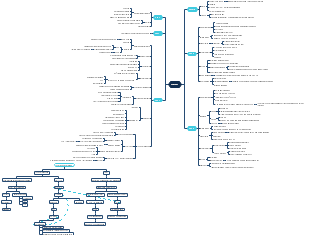
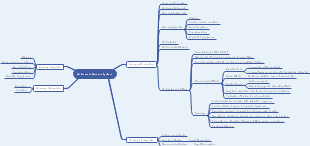
This Edraw template offers a comprehensive mind map exploring the significance of normal breathing, emphasizing its crucial role in maintaining overall health. The map begins with an introduction to the importance of respiratory health, highlighting its link to vital body functions. It then branches out into various aspects of respiratory care, including identification of nursing issues related to breathing, such as respiratory infections and airway obstruction. The template further delves into planning and executing strategies for promoting healthy breathing, including exercise recommendations, lifestyle modifications, and medical interventions. Ideal for healthcare professionals, caregivers, and individuals interested in respiratory health, this template provides a structured framework for understanding and managing respiratory well-being.
Edited at 2024-01-09 18:24:59
- Nursing Care Plan Stages
This Edraw mind map provides an overview of the stages in a nursing care plan, including diagnosis and planning. It is a valuable tool for nursing students, healthcare professionals, and educators, facilitating understanding and implementation of patient care strategies. The template helps to structure and communicate the steps in effective patient care and management.
- Nightingale's Naturalistic Views
This Edraw template presents a comprehensive mind map on Florence Nightingale's Naturalistic Views, encompassing her pivotal ideas and nursing concepts. The mind map starts with an introduction to Nightingale's naturalistic philosophy, outlining its essence and significance. It then branches out into her main views, highlighting her emphasis on the environmental impact on health, the importance of hygiene in nursing, and the role of observation and data analysis in improving patient care. Additionally, the template explores Nightingale's nursing concepts, including her holistic approach to patient well-being and her emphasis on prevention rather than just treatment. Ideal for nursing students, healthcare professionals, or anyone interested in Florence Nightingale's contributions to the nursing field, this template offers a visual and organized overview of her naturalistic views and nursing principles.
- Phase 5 Evaluation
Introducing the Phase 5 Evaluation Mind Map from Edraw, this template offers a comprehensive overview of the various stages and types of evaluation. The mind map begins with a breakdown of the distinct stages of evaluation, from initial planning to final analysis, ensuring a thorough and systematic approach. Within each stage, key evaluation activities and considerations are highlighted. Additionally, the template explores different types of evaluation, such as formative, summative, and process-oriented, providing a framework for selecting the most appropriate evaluation methods. Ideal for educators, project managers, and anyone involved in the evaluation process, this template serves as a valuable tool for ensuring effective and informed decision-making.
Vitality of Normal Breathing
- Nursing Care Plan Stages
This Edraw mind map provides an overview of the stages in a nursing care plan, including diagnosis and planning. It is a valuable tool for nursing students, healthcare professionals, and educators, facilitating understanding and implementation of patient care strategies. The template helps to structure and communicate the steps in effective patient care and management.
- Nightingale's Naturalistic Views
This Edraw template presents a comprehensive mind map on Florence Nightingale's Naturalistic Views, encompassing her pivotal ideas and nursing concepts. The mind map starts with an introduction to Nightingale's naturalistic philosophy, outlining its essence and significance. It then branches out into her main views, highlighting her emphasis on the environmental impact on health, the importance of hygiene in nursing, and the role of observation and data analysis in improving patient care. Additionally, the template explores Nightingale's nursing concepts, including her holistic approach to patient well-being and her emphasis on prevention rather than just treatment. Ideal for nursing students, healthcare professionals, or anyone interested in Florence Nightingale's contributions to the nursing field, this template offers a visual and organized overview of her naturalistic views and nursing principles.
- Phase 5 Evaluation
Introducing the Phase 5 Evaluation Mind Map from Edraw, this template offers a comprehensive overview of the various stages and types of evaluation. The mind map begins with a breakdown of the distinct stages of evaluation, from initial planning to final analysis, ensuring a thorough and systematic approach. Within each stage, key evaluation activities and considerations are highlighted. Additionally, the template explores different types of evaluation, such as formative, summative, and process-oriented, providing a framework for selecting the most appropriate evaluation methods. Ideal for educators, project managers, and anyone involved in the evaluation process, this template serves as a valuable tool for ensuring effective and informed decision-making.
- Recommended to you
- Outline