 Wondershare EdrawMind
MindMap Gallery Fundamentals of Toxicology Chapter 2
- 20
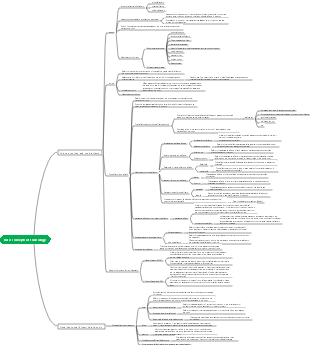
Fundamentals of Toxicology Chapter 2
Mind map of Chapter 2 of Fundamentals of Toxicology. Toxicology focuses on the harmful effects (such as toxic effects) of these chemicals, rather than the beneficial effects (such as nutritional effects, therapeutic effects, etc.).
Edited at 2023-10-30 10:40:19
- bacteria
This is a mind map about bacteria, and its main contents include: overview, morphology, types, structure, reproduction, distribution, application, and expansion. The summary is comprehensive and meticulous, suitable as review materials.
- Plant asexual reproduction
This is a mind map about plant asexual reproduction, and its main contents include: concept, spore reproduction, vegetative reproduction, tissue culture, and buds. The summary is comprehensive and meticulous, suitable as review materials.
- Reproductive development of animals
This is a mind map about the reproductive development of animals, and its main contents include: insects, frogs, birds, sexual reproduction, and asexual reproduction. The summary is comprehensive and meticulous, suitable as review materials.
Fundamentals of Toxicology Chapter 2
- bacteria
This is a mind map about bacteria, and its main contents include: overview, morphology, types, structure, reproduction, distribution, application, and expansion. The summary is comprehensive and meticulous, suitable as review materials.
- Plant asexual reproduction
This is a mind map about plant asexual reproduction, and its main contents include: concept, spore reproduction, vegetative reproduction, tissue culture, and buds. The summary is comprehensive and meticulous, suitable as review materials.
- Reproductive development of animals
This is a mind map about the reproductive development of animals, and its main contents include: insects, frogs, birds, sexual reproduction, and asexual reproduction. The summary is comprehensive and meticulous, suitable as review materials.
- Recommended to you
- Outline



Toxicology 3 Factors and mechanisms influencing the toxic effects of exogenous chemicals
- 29

Toxicology 2 Biological transport and biotransformation of exogenous chemicals in the body
- 39
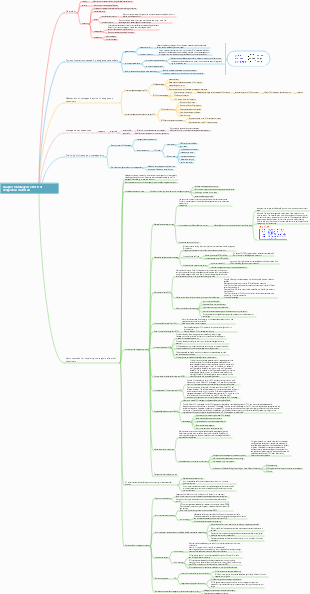
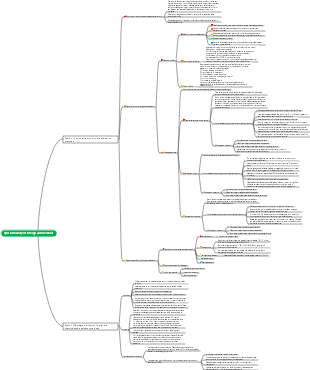

toxicology
Chapter 2 Basic Concepts of Toxicology
Poisons, toxicity and toxic effects
1. Poisons
(1) Environmental harmful factors
Environmental harmful factors are the main objects of toxicological research. They are large and complex in number and mainly include three categories:
1⃣️Physical factors
2⃣️Chemical factors
3⃣️Biological factors
At present, toxicology mainly studies environmental harmful chemical factors, that is, the harmful effects of exogenous chemicals on the body.
Toxicology focuses on the harmful effects (such as toxic effects) of these chemicals, rather than the beneficial effects (such as nutritional effects, therapeutic effects, etc.)
(2) Exogenous chemicals and endogenous chemicals
The name xenobiotics refers to some chemical substances that exist in the human environment, may come into contact with and enter the body, and exhibit certain biological effects in the body. They are also called "exogenous biologically active substances"
Endogenous chemicals refer to products or intermediates that are already present in the body and formed during metabolic processes.
In recent years, toxicology has strengthened the research on endogenous poisons, but exogenous chemical poisons are still one of the main contents of toxicology research.
(3) Poisons
Toxic substance (toxic substance; poison; toxicant) refers to a chemical substance that, under certain conditions, can interfere with normal biochemical processes or physiological functions, cause temporary or permanent pathological changes, or even be life-threatening when entering the body at a low dose. for poison
When a small amount of a substance enters the body and can react chemically and physically with the body's tissues, destroy normal physiological functions, and cause a temporary or permanent pathological state of the body, we call the substance a poison.
(4) Classification of poisons
According to the use and distribution range of poisons, they are divided into:
1⃣️Industrial poisons: such as production raw materials, excipients, intermediates, etc.
2⃣️Environmental pollutants: such as waste water, waste gas, waste residue, etc.
3⃣️Toxic ingredients in food: such as food colorings, flavors, preservatives, etc.
4⃣️Agricultural chemicals: such as fertilizers, pesticides, etc.
5⃣️Medical chemicals: such as drugs, disinfectants, etc.
6⃣️Daily chemicals: hobbies, cosmetics, detergents, etc.
7⃣️Biological toxins: such as animal toxins, plant toxins, etc.
8⃣️Military poisons: war toxins such as mustard gas
9⃣️Radioactive substances: such as radionuclides, natural radioactive elements, etc.
According to the main target organs of toxic effects, poisons can be divided into:
reproductive toxicity
cardiovascular toxicants
According to the physical properties of chemicals, they can be divided into:
gaseous poison
liquid poison
solid poison
According to their toxicity, they can be divided into
Very poisonous
Highly toxic
Poisoned
Low toxicity
Practically non-toxic
Agricultural medicine
2. Toxicity
(1) Toxicity
Toxicity refers to the inherent, fixed ability of chemicals to cause harmful effects in the body under specific conditions.
Depends on the chemical structure of the substance
Toxicity is an innate and unchanging characteristic of a substance
Depending on the dose and duration of poison exposure, toxicity can be divided into:
Acute toxicity, subacute toxicity (1 month), chronic toxicity (>3 months)
Short-term and long-term toxicity
According to the type of toxic effects caused, they can be divided into:
General toxicity
Special toxicity (teratogenic, carcinogenic, mutagenic)
(2) Selective toxicity
Selective toxicity generally refers to the difference in toxicity of a chemical among different species (pesticides)
Refers to a chemical substance that only causes damage to a certain type of organism, but is harmless to other types of organisms; or it only exerts toxicity to a certain tissue and organ in the body, but has no toxic effect on other tissues and organs.
Selective toxicity is a common feature of toxic effects that can occur between species, within individuals or within groups
It is currently believed that this difference in the toxicity of chemicals, that is, selective toxicity, can occur between species, between individuals within the same genus group (susceptible groups are high-risk groups), or between different organs or systems in the same body. (The susceptible organ is the target organ)
The organ that is directly or mainly damaged by an exogenous chemical is called the target organ of the substance.
For example, the brain is the target organ of methylmercury, and the kidney is the target organ of cadmium.
target organ
The organ where a foreign chemical directly exerts its toxic effect is called the target organ of the substance.
Many chemicals have specific target organs, while others act on the same or several target organs.
Chemical substances that produce the same toxic effect on the same target organ may have different mechanisms of action.
The target organ is not necessarily the site of the highest concentration of toxicants
The intensity of the toxic effect depends on the concentration of the poison in the target organ
There may be many reasons why a particular organ becomes a target of a poison
1⃣️Blood supply to the organ
2⃣️The existence of special enzymes or biochemical pathways
3⃣️The functions of organs and their anatomical locations in the body
4⃣️Susceptibility to idiosyncratic injuries
5⃣️Ability to repair damage
6⃣️Has a special intake system
7⃣️Ability to metabolize poisons and balance of activation/detoxification system
8⃣️Poisons combined with special biological macromolecules, etc.
High risk groups
The susceptible group of people who are vulnerable to environmental factors are called high-risk groups.
In the same polluted environment, high-risk groups will suffer health hazards earlier and more seriously than normal people.
The biological basis for this susceptibility is:
1. Age: Different ages respond differently to environmental factors
2. Gender: Some diseases are related to gender
3. Genetic factors: genetic defects make people susceptible to some poisons
4. Nutrition and diet: Nutritional deficiencies aggravate the toxic effects of pollutants
5. Disease condition: Patient is susceptible to toxicants
6. Adaptation and tolerance
(3) Accumulated toxicity
After chemical poisons enter the body, they are excreted as metabolites or chemical prototypes through biological transformation.
Accumulation toxicity: When exogenous chemicals enter the body continuously and repeatedly, and the absorption rate (or total amount) exceeds the rate (or total amount) of metabolic conversion and excretion, chemical poisons or their metabolites remain in the body. Gradual increase and accumulation, this phenomenon is the accumulation of chemical poisons
Accumulation actually has two meanings
If the body is repeatedly exposed to a chemical, chemical analysis methods can be used to detect the presence of the prototype or metabolite of the compound in the body or in certain organs and tissues, which is called material accumulation.
If experimental animals are repeatedly exposed to chemical poisons, although the chemical poisons or metabolites cannot be detected in the body, chronic poisoning may occur in the body, which is called functional accumulation or damage accumulation.
Functional accumulation is the result of the accumulation of damaging effects. It may also be due to the accumulation of a substance that cannot be detected by current technical methods due to the extremely small amount of remaining chemical poisons or metabolites.
The place where exogenous chemicals or their metabolites accumulate in the body is called a depot (dept).
Like bones as a repository for lead
(4) Toxicity classification
3. Toxic effects
(1) Toxic effects
Toxic effect, also often called toxic effect or poisonous effect, refers to harmful biological changes caused by chemicals in the body under certain conditions.
The concepts of toxic effects and toxicity are different. Toxicity is the inherent biological intrinsic property of chemicals. We cannot change the toxicity of chemicals. However, toxic effects are harmful biological effects caused by the toxicity of chemicals in the body under certain conditions. , is the external manifestation of the inherent toxicity of a chemical under certain conditions (such as a certain dose, etc.). Changing the conditions may affect the toxic effects.
Poisoning is a disease state that occurs after functional or organic changes in an organism caused by the action of poisons.
Deafness, blindness, liver damage
Poisoning can be divided into acute poisoning and chronic poisoning
(2) Toxicity spectrum
Spectrum of toxic effects (also called toxic effects spectrum): It consists of a series of different biological effects that are manifested by exogenous chemicals acting on organisms as the dose increases.
There are constant changes
Can be expressed as:
1⃣️The body load of exogenous chemicals increases: the amount of chemicals and their metabolites in the body is the distribution
2⃣️Physiological and biochemical changes of unknown significance
3⃣️Subclinical changes
4⃣️Clinical poisoning
5⃣️Death
The spectrum of toxic effects may also include carcinogenic, teratogenic, and mutagenic effects.
Adaptation, resistance and tolerance are concepts related to toxic effects but have different meanings
Adaptation is the body's lack of susceptibility or reduced susceptibility to a chemical that usually causes harmful effects.
Resistance refers to a genetic structural change in a population's response to the stress of an exposed chemical such that more individuals are less susceptible to the chemical than would the unexposed population.
Resistance therefore requires chemical exposure and subsequent reproductive inheritance.
Tolerance is a state in which an individual acquires resistance to the toxic effects of a chemical (usually as a result of earlier exposure), resulting in reduced responsiveness to the toxic effects of that chemical
(3) Classification of toxic effects
1. Immediate or delayed effects
(1) Immediate toxic effect
It refers to the immediate toxic effects caused by certain exogenous chemicals within a short period of time (24 hours) after an exposure.
Potassium cyanide, hydrogen sulfide, etc.
(2) Delayed toxic effect
It refers to the toxic effects that appear after a certain interval of time after one or more exposures to an exogenous chemical.
Carcinogens (very long incubation period)
2. Local and systemic effects
(1) Local toxic effect
It refers to the damaging effects directly caused by certain exogenous chemicals on the exposed parts of the body.
Such as acid, alkali, irritating gas
(2) Systemic effect toxic
It refers to the damaging effects caused by exogenous chemicals being absorbed by the body and distributed to target organs or the whole body.
CO, lead
3. Reversible and irreversible effects
Mainly depends on the repair and regeneration ability of damaged tissue
(1) Reversible toxic effect
Refers to the toxic effects that gradually disappear after cessation of exposure to exogenous chemicals
Early inhibitory effects of certain organophosphorus pesticides on cholinesterase activity
(2) Irreversible toxic effect
Refers to toxic effects that continue to exist or even develop further after cessation of exposure to exogenous chemicals.
Silicosis caused by free silica
4. Acute or chronic toxic effects
(1) acute effect toxic
Refers to the damaging effects of one-time, large-dose exposure to exogenous chemicals on the body
(2) Chronic effect toxic
Refers to the damaging effects on the body caused by long-term and repeated exposure to certain exogenous chemicals.
5. General or special toxic effects
(1) General effect toxic
It refers to the regular, traditional damage to the body caused by exposure to exogenous chemicals.
(2) Special toxic effect
It refers to special damaging effects such as mutations, tumors, and malformations in the body caused by exposure to certain exogenous chemicals.
Various toxic effects caused by exogenous chemicals also include:
Hypersensitivity, also known as allergic reaction, is a pathological immune response produced by the body to foreign chemicals.
Idiosyncratic reaction usually refers to a hereditary abnormal response (too strong or too weak) of the body to exogenous chemicals, mainly due to genetic polymorphism and has nothing to do with immune hypersensitivity.
(4) Damaging and non-damaging effects
(1) Adverse effect
It refers to biochemical changes, functional disorders or pathological damage that affect the body's behavior, or the reduction of the body's ability to respond to external environmental stress or the body's compensatory ability, or the body's susceptibility to other harmful environmental factors, etc.
It is also believed that it also includes loss of life and reduced work ability, and the damage is also called health effect.
(2) Non-adverse effect
It means that the biological changes caused by exogenous chemicals to the body are reversible and should be within the range of the body's ability to adapt and compensate, and the body's susceptibility to other adverse external factors should not increase.
(5) Adverse reactions and side effects
1. Adverse reaction🌟:
Adverse drug reactions (ADR) refer to harmful and unrelated reactions that occur when normal doses of drugs are used to prevent, diagnose, treat diseases or regulate physiological functions of the body.
2. Side effects (drug toxic effect):
It is the most common adverse drug reaction. It refers to the effect of a drug at a therapeutic dose that has nothing to do with the therapeutic purpose but is related to the pharmacological effect of the drug.
(6) Combined toxic effects
Joint toxic effect: Any comprehensive toxic effect caused by two or more exogenous chemicals acting on the body at the same time or successively within a short period of time
According to effect
Additive effect: the sum of the effects of each poison
Synergy: greater than the sum of the effects of each poison
Enhancement effect: greater than the sum of the effects of each poison
Antagonism: Less than the sum of the effects of each poison
Independent effect: the effects of each poison appear independently
Synergy is when two substances that both have effects act on the same body, and the effects are more significant. Enhancement is when a substance that has no effect on the body increases the effect of another substance due to the joint action of another substance.
According to the mode of action
Interaction (an interaction or influence between chemicals or their effects)
Additivity, enhancement, antagonism
Non-interactive (no interaction or influence between chemicals and their toxic effects)
independent effect, synergistic effect
4. Mode of Action and Toxicity Pathways
Dose-Response (Effect) Relationship
Dosage, effects and reactions
dose
Core issues in toxicology. is the determining factor for foreign chemicals The main factor of toxicity to living organisms. In toxicology there are Multiple dosage concepts:
①External dose or contact dose:
Refers to the total amount of toxicants that the body is exposed to in the environment. The amount of chemical substances that the body is exposed to or during the experiment The amount of test substance administered to the body. (give dose)
②Internal dose (body load)
Refers to the amount of a chemical absorbed into the blood by the body;
③Target dose/biologically effective dose:
Refers to the amount that reaches the target organ (delivered dose) and interacts with it. target dose directly Determines the nature and intensity of damage to the body caused by chemical substances, but detection is cumbersome and difficult get.
Exposing features:
Including exposure route, exposure period, exposure frequency Affects the nature and intensity of toxic effects, target organ concentration, etc. Relationship between exposure frequency and toxic concentration
effects and reactions
Effect: also called gradual response, refers to the biological changes caused by the contact of exogenous chemicals with the body. It can be expressed in measurement units, such as mg, mmHg, U, etc., and is a measurement data
Reaction (response): also called qualitative reaction (quantal respo) nse), refers to the effect produced by exogenous chemicals after contact with the body The proportion of individuals in a group, generally expressed as percentage or ratio Value representation, belonging to counting data
Dose-Response (Effect) Relationship
It is one of the most important concepts in toxicology, It has important toxicological significance: ① Helps discover the toxic effects of chemicals ② Can be used to compare the toxicity of different chemicals ③Helps determine the susceptibility distribution of the body ④ To determine the causal relationship between exogenous chemicals and body damage evidence ⑤, is an important part of safety evaluation and risk assessment
dose-response curve
Quantitative response in free organs/tissues It is relatively simple, mainly straight lines within a certain dose range. receptor theory Quantity response during rest period Relatively complex and diverse, hyperbola, Straight line, S-shaped curve, etc.
dose-response curve
The dose-response curve reflects the distribution of individual susceptibility to the toxic effects of exogenous chemicals. The basic type is the S-shaped distribution
There are a small number of people who are particularly susceptible and not particularly susceptible to exogenous chemicals, and those who are moderately susceptible The majority of them can be distributed normally (symmetrical S-shaped) or non-normally. Distribution (asymmetric S-type)
The middle part of the curve, that is, near the 50% response rate, has the largest slope, and the smaller dose changes chemical reaction rate can vary greatly, so it is the most sensitive
slope of dose response curve
The LD5o of two chemicals (A, B) is the same, but the dose response curve Different slopes of the lines lead to different risks of poisoning
The LD5o of two substances A and B is the same, but the slope different. A has a small slope and needs a larger Dosage changes can cause significant death Mortality change, for B, smaller dose changes can cause significant death rate change; at lower doses, A’s More dangerous at higher doses, B is more dangerous.
time-response relationship
The time course of toxic effects occurring at a certain fixed dose; Time versus dose for the same effect.
1. Incubation period
After a single dose or short-term exposure to a carcinogen until the first clinical Time required for symptoms/signs (e.g. tumors). The time interval between exposure and the onset of the effect (latency period) depends on the exposure dosage.
2. Effect duration
Only for effects that are reversible upon cessation of exposure. If the concentration of a chemical or its active metabolite in the target organ exceeds the maximum The effect can occur at a small effective concentration. When it is lower than the minimum effective concentration, The effect disappears.
3. Delay effect
The effects of some substances appear only after long-term exposure because the toxic effects There must be an effective accumulation before the response occurs.
4. Exposure time and concentration
To cause certain toxic effects, the required exposure time and exposure concentration are certain. relationship, which is of great significance to inhalation toxicology.
Hormesis (hormesisi) of low doses of poisons
biomarkers
Biomarkers, also called biological markers or biomarkers, are Refers to chemicals that pass through biological barriers and enter tissues or body fluids substances, their metabolites, and the biological effects they cause The detection indicators should be adopted accordingly.
biomarkers of exposure
It is the determination of exogenous chemicals and their metabolism absorbed in tissues, body fluids or excreta. Metabolites or reaction products with endogenous substances as absorbed dose or target dose Indicators that provide information on exposure to exogenous chemicals.
1. Internal dose mark
Exogenous compounds and their metabolites are measurable in vivo The dose marker is the entry of foreign compounds into the human body reliable evidence.
2. Biologically effective dose mark
Can reflect the relationship between chemical substances and their metabolites and certain groups Reaction products formed by interactions between tissue cells or target molecules content.
effect biomarkers
Refers to the detectable physiological, biochemical, behavioral or other indicators of change that may reflect different target doses Chemical substances or their metabolites related to health hazards information on the effects.
1. Biological markers of early effects
Mainly reflects the effects of chemical substances and tissue cells Later, changes occurred at the molecular level.
2. Biological markers of structural and functional changes
It reflects the dysfunction or shape of tissues and organs caused by chemical substances. morphological changes.
3. Biological markers of disease effects
Closely related to the subclinical or clinical manifestations caused by chemical substances, Commonly used for screening and diagnosis of diseases.
susceptibility biomarkers
Innate or acquired, reflecting the ability of reaction object markers.
Uses of biomarkers
1. Can accurately determine the actual level of the body’s exposure to chemical substances:
2. Conducive to early detection and prevention of specific damage:
3. It is of great significance for elucidating the mechanism of toxic effects, establishing dose-response relationships, and extrapolating toxicological data between species:
4. It is a powerful means to clarify the relationship between toxic exposure and health damage.
Toxicity parameters and safety limits
How to describe toxicity
Compare the intensity of toxic effects caused by identical doses of exogenous chemicals
Compare doses of exogenous chemicals that cause the same toxic effects
Toxicity parameters
Toxicity upper limit parameters (in acute toxicity tests, death is Various toxicity parameters of endpoints)
Toxicity upper limit parameters (in acute toxicity tests, death is Various toxicity parameters of endpoints)
lethal dose
Lethal dose or concentration refers to the exogenous chemical The dose or concentration of a substance that causes the death of experimental animals, usually according to Expressed as the dose required to cause differential mortality in animals.
Absolute lethal dose or concentration (LD100 or LC100): refers to a group of The lowest dose or concentration at which all experimental animals died.
The median lethal dose or concentration (LD50 or LC50): refers to causing a group of The dose or concentration at which half of the experimental animals tested died.
Minimum lethal dose or concentration (MLD, LD01 or MLC, LC01) : Refers to the death of only a few animals among a group of experimental animals. the minimum dose or concentration.
Minimum lethal dose or concentration (MLD, LD01 or MLC, LC01) : Refers to the death of only a few animals among a group of experimental animals. the minimum dose or concentration.
Threshold dose and maximum no-effect dose
Threshold dose refers to a chemical substance Causes a small number of subjects to develop certain symptoms The lowest dose required for minor abnormal changes, and minimum effective dose
acute threshold dose, L imac) is obtained from a single contact with a chemical substance.
chronic threshold dose, Limen) is the result of repeated exposure over a long period of time.
maximum no-effect dose
Refers to the chemical substance within a certain period of time, according to a certain contact with the body, using modern detection methods and the latest Sensitive observation indicators cannot detect any damaging effects highest dose.
no observed deleterious effect dose
Through experimentation and observation under specified exposure conditions, A substance that does not cause the body (human or experimental animal) to form , function, growth, development or lifespan are detectable The highest dose or concentration that causes harmful changes.
poison zone
Toxic effect zone is a table An important parameter indicating the toxicity and toxic effects of chemical substances One of several, divided into acute toxicity zone and chronic toxicity zone Use a belt.
acute toxic effect zone ,Zac) is the ratio of the median lethal dose to the acute threshold dose
acute toxic effect zone ,Zac) is the ratio of the median lethal dose to the acute threshold dose A small value of Za indicates that the chemical substance ranges from causing slight damage to The dose range that causes acute death is narrow, causing death The risk is great; on the contrary, it indicates the risk of death. Sex is small.
toxic chronic effect zone, Zon) is the ratio of acute threshold dose to chronic threshold dose, expressed
A large Zch value indicates that the dose range between Lim ac and Lim an is large. The development process from very slight toxic effects to more obvious symptoms of poisoning is relatively hidden and easy to be ignored, so the risk of chronic poisoning is high. ; On the contrary, it means that the risk of chronic poisoning is small.
safety limits
An important basis for formulating safety limits is toxicological data, including animal experiment data. Subject and population study data, the most important parameters are NOAEL and LOAEL. Generally: safety limit = NOAEL or LOAEL, uncertainty coefficient or safety Coefficient; the safety factor is usually 100.