Wondershare EdrawMind
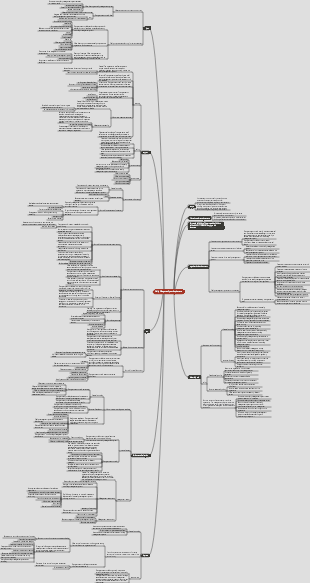
MindMap Gallery Section 4 The connotation and guidelines of the process method
Section 4 The connotation and guidelines of the process method
Section 4: The connotation and guidance of the process method. The process method can be applied to any organization and management system, regardless of its type, scale and complexity.
Edited at 2024-01-19 09:53:17
- bacteria
This is a mind map about bacteria, and its main contents include: overview, morphology, types, structure, reproduction, distribution, application, and expansion. The summary is comprehensive and meticulous, suitable as review materials.
- Plant asexual reproduction
This is a mind map about plant asexual reproduction, and its main contents include: concept, spore reproduction, vegetative reproduction, tissue culture, and buds. The summary is comprehensive and meticulous, suitable as review materials.
- Reproductive development of animals
This is a mind map about the reproductive development of animals, and its main contents include: insects, frogs, birds, sexual reproduction, and asexual reproduction. The summary is comprehensive and meticulous, suitable as review materials.
Section 4 The connotation and guidelines of the process method
- bacteria
This is a mind map about bacteria, and its main contents include: overview, morphology, types, structure, reproduction, distribution, application, and expansion. The summary is comprehensive and meticulous, suitable as review materials.
- Plant asexual reproduction
This is a mind map about plant asexual reproduction, and its main contents include: concept, spore reproduction, vegetative reproduction, tissue culture, and buds. The summary is comprehensive and meticulous, suitable as review materials.
- Reproductive development of animals
This is a mind map about the reproductive development of animals, and its main contents include: insects, frogs, birds, sexual reproduction, and asexual reproduction. The summary is comprehensive and meticulous, suitable as review materials.
- Recommended to you
- Outline
Section 3 Basic Tools for Quality Data Analysis (Two Figures and One Table Pareto Chart, Cause and Effect Diagram, Countermeasure Table)
- 33
- 2
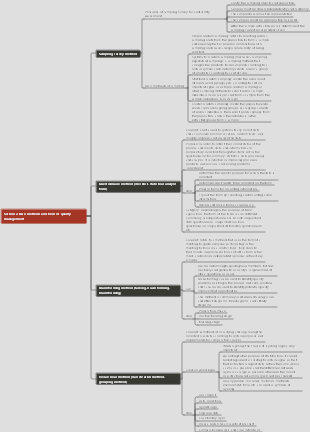
Section 5 GB19004 structure, scope of application and relationship with GB19000 and 19001
- 40