MindMap Gallery CISSP Learning Mind Map
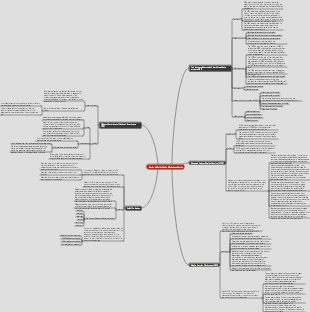
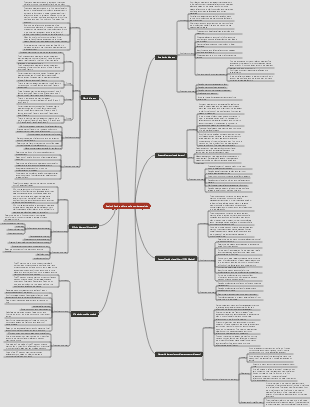
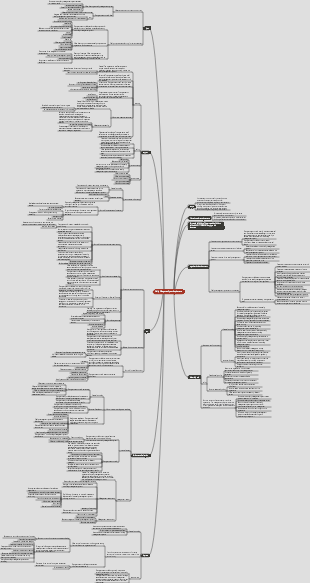
This is a mind map about CISSP learning mind map, which mainly includes: physical security, security architecture and design, cryptography, law, compliance and investigation, business continuity planning, software development security, safe operation and maintenance , security assessment and testing, identity and access management, communications and network security, security engineering, asset security, security and risk management.
Edited at 2025-01-08 16:57:56Rumi: 10 dimensions of spiritual awakening. When you stop looking for yourself, you will find the entire universe because what you are looking for is also looking for you. Anything you do persevere every day can open a door to the depths of your spirit. In silence, I slipped into the secret realm, and I enjoyed everything to observe the magic around me, and didn't make any noise. Why do you like to crawl when you are born with wings? The soul has its own ears and can hear things that the mind cannot understand. Seek inward for the answer to everything, everything in the universe is in you. Lovers do not end up meeting somewhere, and there is no parting in this world. A wound is where light enters your heart.
Chronic heart failure is not just a problem of the speed of heart rate! It is caused by the decrease in myocardial contraction and diastolic function, which leads to insufficient cardiac output, which in turn causes congestion in the pulmonary circulation and congestion in the systemic circulation. From causes, inducement to compensation mechanisms, the pathophysiological processes of heart failure are complex and diverse. By controlling edema, reducing the heart's front and afterload, improving cardiac comfort function, and preventing and treating basic causes, we can effectively respond to this challenge. Only by understanding the mechanisms and clinical manifestations of heart failure and mastering prevention and treatment strategies can we better protect heart health.
Ischemia-reperfusion injury is a phenomenon that cellular function and metabolic disorders and structural damage will worsen after organs or tissues restore blood supply. Its main mechanisms include increased free radical generation, calcium overload, and the role of microvascular and leukocytes. The heart and brain are common damaged organs, manifested as changes in myocardial metabolism and ultrastructural changes, decreased cardiac function, etc. Prevention and control measures include removing free radicals, reducing calcium overload, improving metabolism and controlling reperfusion conditions, such as low sodium, low temperature, low pressure, etc. Understanding these mechanisms can help develop effective treatment options and alleviate ischemic injury.
Rumi: 10 dimensions of spiritual awakening. When you stop looking for yourself, you will find the entire universe because what you are looking for is also looking for you. Anything you do persevere every day can open a door to the depths of your spirit. In silence, I slipped into the secret realm, and I enjoyed everything to observe the magic around me, and didn't make any noise. Why do you like to crawl when you are born with wings? The soul has its own ears and can hear things that the mind cannot understand. Seek inward for the answer to everything, everything in the universe is in you. Lovers do not end up meeting somewhere, and there is no parting in this world. A wound is where light enters your heart.
Chronic heart failure is not just a problem of the speed of heart rate! It is caused by the decrease in myocardial contraction and diastolic function, which leads to insufficient cardiac output, which in turn causes congestion in the pulmonary circulation and congestion in the systemic circulation. From causes, inducement to compensation mechanisms, the pathophysiological processes of heart failure are complex and diverse. By controlling edema, reducing the heart's front and afterload, improving cardiac comfort function, and preventing and treating basic causes, we can effectively respond to this challenge. Only by understanding the mechanisms and clinical manifestations of heart failure and mastering prevention and treatment strategies can we better protect heart health.
Ischemia-reperfusion injury is a phenomenon that cellular function and metabolic disorders and structural damage will worsen after organs or tissues restore blood supply. Its main mechanisms include increased free radical generation, calcium overload, and the role of microvascular and leukocytes. The heart and brain are common damaged organs, manifested as changes in myocardial metabolism and ultrastructural changes, decreased cardiac function, etc. Prevention and control measures include removing free radicals, reducing calcium overload, improving metabolism and controlling reperfusion conditions, such as low sodium, low temperature, low pressure, etc. Understanding these mechanisms can help develop effective treatment options and alleviate ischemic injury.
CISSP Learning Mind Map
Safety and risk management
Information Security Framework
ISO/IEC 27001 standard
Information security management system
Risk Assessment and Processing
NIST Framework
Protect critical infrastructure
Risk Management Process
Risk Assessment Methods
Qualitative Analysis
Risk Matrix
Impact and possibility assessment
Quantitative analysis
Statistical Methods
Financial impact analysis
Risk response strategy
Risk Avoidance
Project changes
Business process adjustment
Risk transfer
Insurance
Outsourcing
Risk acceptance
Risk retention
Risk tolerance assessment
Risk mitigation
Control measures implementation
Safety training and awareness enhancement
Asset security
Asset classification and control
Data classification
Sensitivity level
Compliance requirements
Physical Asset Protection
Access control
Monitoring system
Data ownership
Data lifecycle management
Data creation
Data storage
Data destruction
Data ownership model
Centralized management
Distributed management
Confidentiality of information and assets
Encryption technology
Symmetric encryption
Asymmetric encryption
Access control model
Role Basic Access Control (RBAC)
Attribute Basic Access Control (ABAC)
Safety Engineering
Security Models and Architecture
Safety Model Theory
Bell-LaPadula Model
Biba Model
Security architecture design
Hierarchical security model
Security domain division
Software Development Security
Safe Development Life Cycle (SDLC)
Requirements Analysis
design
Implementation
test
deploy
Code review and testing
Static code analysis
Dynamic code analysis
Encryption technology
Symmetric encryption algorithm
AES
DES
Asymmetric encryption algorithm
RSA
ECC
Hash function
SHA series
MD5
Communication and network security
Network architecture and design
Network topology
Star type
Ring type
Mesh
Network protocols and standards
TCP/IP
SSL/TLS
Cyber Attack and Defense
Attack Type
DDoS Attack
Man-in-the-middle attack
Defense measures
Firewall
Intrusion Detection System (IDS)
Wireless network security
Wireless protocols and standards
WEP
WPA/WPA2
Wireless network threats
Signal interference
Unauthorized access
Identity and access management
Identity management concept
Identity life cycle
Identity registration
Identity maintenance
Identity revocation
Authentication method
Knowledge verification
Holdings Verification
Biometric verification
Access control model
Role-based access control (RBAC)
Role assignment
Permission Management
Attribute-based access control (ABAC)
Attribute definition
Strategy Implementation
Identity Management Technology
Directory Services
LDAP
Active Directory
Single Sign-On (SSO)
OAuth
SAML
Safety assessment and testing
Safety Assessment Methods
Penetration testing
Manual testing
Automated testing
Vulnerability scanning
Network scanning
Apply scan
Safety testing tools
Open Source Tools
Nmap
Wireshark
Business Tools
Burp Suite
Metasploit
Evaluation report and communication
Report writing
Discovery and suggestions
risk assessment
Communication Strategy
Stakeholder meeting
Risk Mitigation Plan
Safe operation and maintenance
Physical and environmental security
Physical security measures
Access control system
Surveillance camera
Environmental Control
Temperature and humidity control
Power supply and backup
Operational safety
Change Management
Change the approval process
Change implementation monitoring
Backup and restore
Data backup strategy
Disaster recovery plan
Log management and monitoring
Log collection and analysis
System Log
Application log
Intrusion detection and prevention
Real-time monitoring
Incident Response
Software Development Security
Safety requirements and design
Requirements Engineering
Security requirements acquisition
Requirement verification and confirmation
Security architecture design
Safe Mode
Safety control integration
Safe coding practice
Enter verification
Data cleaning
Parameterized query
Error handling and logging
Exception management
Security logging
Software testing and quality assurance
Static and dynamic analysis
Code review
Dynamic analysis tools
Safety Testing
Fuzzy test
Penetration testing
Business Continuity Planning
Risk Assessment and Management
Business Impact Analysis (BIA)
Identification of key business processes
Recover priority sorting
Risk mitigation strategies
Risk transfer
Risk acceptance
Disaster Recovery Plan (DRP)
Backup Strategy
Data backup
System backup
Emergency response plan
Incident Response Team
Communication plan
Business Continuity Plan (BCP)
Recovery of critical business functions
Priority setting
Resource allocation
Testing and maintenance
Simulation drill
Plan updates
Legal, compliance and investigation
Legal and regulatory requirements
International Legal Framework
GDPR
CCPA
Industry-specific regulations
HIPAA
PCI DSS
Compliance procedures and audits
Compliance framework
ISO/IEC 27001
NIST
Internal and external audits
Compliance Check
Audit report
Information security incident management
Incident Response Plan
Event classification
Response Process
Investigation technology
Digital forensics
Log Analysis
Cryptography
Encryption principle
Symmetric encryption
How it works
Common algorithms
Asymmetric encryption
How it works
Common algorithms
Hash functions and digital signatures
Hash function
characteristic
application
Digital signature
effect
Implementation method
Public Key Infrastructure (PKI)
Certificate Management
Certificate Authority (CA)
Certificate life cycle
Key Management
Key generation
Key storage and backup
Security architecture and design
Security architecture principles
Minimum permission principle
Definition and application
Implementation strategies
Depth of defense
Multi-layer defense
Deep defense strategy
System security model
Reference monitoring model
System Components
Monitoring mechanism
Security domain division
Network isolation
Data isolation
Security Architecture Components
Firewall and Intrusion Prevention Systems (IPS)
Functions and functions
Deployment Policy
Virtual Private Network (VPN)
Encryption technology
Remote access security
Physical Security
Physical security policy
Security policies and procedures
Access control
Monitoring and recording
Physical security measures
Access control system
Surveillance camera
Environmental safety
Environmental Threats
Natural disasters
Artificial destruction
Environmental control measures
Temperature and humidity control
Power and UPS systems
Personnel safety
Personnel safety policy
Safety awareness training
Access control policy
Personnel safety measures
Background check
Resignation procedure