MindMap Gallery cervical cancer
Cervical cancer refers to malignant tumors that occur in the uterine vagina and cervical canal. It is the most common gynecological malignant tumor and originates from cervical intraepithelial neoplasia. The following is a detailed introduction to cervical cancer.
Edited at 2024-11-15 16:19:20ルミ:精神的な目覚めの10次元。あなたが自分自身を探すのをやめるとき、あなたが探しているのはあなたを探しているので、あなたは宇宙全体を見つけるでしょう。あなたが毎日忍耐することは何でもあなたの精神の深みへの扉を開くことができます。沈黙の中で、私は秘密の領域に滑り込み、私は私の周りの魔法を観察するためにすべてを楽しんだが、何の騒ぎをしなかった。翼で生まれたときに、なぜcraいるのが好きですか?魂には独自の耳があり、心が理解できないことを聞くことができます。すべてへの答えを内向きに求めてください、宇宙のすべてがあなたの中にあります。恋人たちはどこかで会うことはなく、この世界には別れもありません。傷は光があなたの心に入るところです。
慢性心不全は、心拍数の速度の問題だけではありません!これは、心筋収縮と拡張期機能の減少によって引き起こされ、それが不十分な心拍出量につながり、肺循環の鬱血と全身循環のうっ血を引き起こします。原因、誘導、補償メカニズムまで、心不全の病態生理学的プロセスは複雑で多様です。浮腫を制御し、心臓の前面と後負荷を減らし、心臓の快適機能を改善し、基本的な原因を予防し、治療することにより、この課題に効果的に対応できます。心不全とマスタリング予防と治療戦略のメカニズムと臨床的症状を理解することによってのみ、心臓の健康をよりよく保護できます。
虚血再灌流損傷は、臓器や組織が血液供給を回復すると、細胞機能と代謝障害、構造的損傷が悪化する現象です。その主なメカニズムには、フリーラジカル生成の増加、カルシウム過負荷、および微小血管および白血球の役割が含まれます。心臓と脳は一般的な損傷した臓器であり、心筋の代謝と超微細構造の変化、心機能の低下などの変化として現れます。予防と制御の測定には、フリーラジカルの除去、カルシウム過負荷の減少、代謝の改善、低温、低温、低圧などの再灌流条件の制御が含まれます。これらのメカニズムを理解することは、効果的な治療オプションの開発に役立ち、虚血性損傷を軽減するのに役立ちます。
ルミ:精神的な目覚めの10次元。あなたが自分自身を探すのをやめるとき、あなたが探しているのはあなたを探しているので、あなたは宇宙全体を見つけるでしょう。あなたが毎日忍耐することは何でもあなたの精神の深みへの扉を開くことができます。沈黙の中で、私は秘密の領域に滑り込み、私は私の周りの魔法を観察するためにすべてを楽しんだが、何の騒ぎをしなかった。翼で生まれたときに、なぜcraいるのが好きですか?魂には独自の耳があり、心が理解できないことを聞くことができます。すべてへの答えを内向きに求めてください、宇宙のすべてがあなたの中にあります。恋人たちはどこかで会うことはなく、この世界には別れもありません。傷は光があなたの心に入るところです。
慢性心不全は、心拍数の速度の問題だけではありません!これは、心筋収縮と拡張期機能の減少によって引き起こされ、それが不十分な心拍出量につながり、肺循環の鬱血と全身循環のうっ血を引き起こします。原因、誘導、補償メカニズムまで、心不全の病態生理学的プロセスは複雑で多様です。浮腫を制御し、心臓の前面と後負荷を減らし、心臓の快適機能を改善し、基本的な原因を予防し、治療することにより、この課題に効果的に対応できます。心不全とマスタリング予防と治療戦略のメカニズムと臨床的症状を理解することによってのみ、心臓の健康をよりよく保護できます。
虚血再灌流損傷は、臓器や組織が血液供給を回復すると、細胞機能と代謝障害、構造的損傷が悪化する現象です。その主なメカニズムには、フリーラジカル生成の増加、カルシウム過負荷、および微小血管および白血球の役割が含まれます。心臓と脳は一般的な損傷した臓器であり、心筋の代謝と超微細構造の変化、心機能の低下などの変化として現れます。予防と制御の測定には、フリーラジカルの除去、カルシウム過負荷の減少、代謝の改善、低温、低温、低圧などの再灌流条件の制御が含まれます。これらのメカニズムを理解することは、効果的な治療オプションの開発に役立ち、虚血性損傷を軽減するのに役立ちます。
cervical cancer
symptom
vaginal bleeding
contact bleeding
Bleeding after sexual intercourse: This is one of the most common early symptoms of cervical cancer. A small amount of vaginal bleeding usually occurs after sexual intercourse. It is bright red in color and can stop on its own.
Bleeding after gynecological examination: A small amount of vaginal bleeding occurs after gynecological examination, such as vaginal speculum examination, bimanual examination and other operations, which is easy to be ignored, but it requires vigilance.
Irregular vaginal bleeding
Non-menstrual bleeding: It can occur at any time during the menstrual cycle, and the amount of bleeding varies. Some are just spotting, while others are similar to menstrual bleeding, or even more.
Prolonged menstrual period and increased menstrual volume: Some patients experience prolonged menstrual duration, an increase in the number of days of the original normal menstrual period, and an increase in menstrual volume. This may be due to the tumor affecting the normal bleeding mechanism of the uterus.
vaginal discharge
white or bloody liquid
Thin and watery or rice-like: The fluid discharged from the vagina is mostly white and thin in texture, similar to rice water. It can also be bloody, may be accompanied by a small amount of blood streaks or be light red, and generally has no peculiar smell.
Continuous or intermittent discharge: The discharge can be continuous or intermittent. The amount may be small in the early stage, but may gradually increase as the disease progresses.
Fishy smell (late stage symptom): When tumor tissue becomes necrotic and secondary infection occurs, vaginal discharge may have an obvious fishy smell. This smell is special and strong, and is one of the typical manifestations of late-stage cervical cancer.
Late symptoms
symptoms of oppression
Compression of the ureter (hydronephrosis, uremia): When a tumor invades and compresses the ureter, it can cause ureteral obstruction and cause hydronephrosis. If both ureters are compressed and hydronephrosis is further aggravated, uremia may develop, and the patient may experience nausea, vomiting, fatigue, edema and other symptoms.
Compression of the rectum (constipation, tenesmus, etc.): The tumor compresses the rectum backward, which can cause difficulty in defecation, manifested as constipation, dry stool, and difficulty in evacuation. At the same time, patients often have tenesmus, that is, they feel an urgency to defecate, but the amount of defecation is small each time, and they still feel that they have not been defecated after defecation.
Compression of the bladder (frequency, urgency, dysuria, hematuria, etc.): Cervical cancer invades the bladder forward and can irritate the bladder mucosa, leading to frequent urination and urgency, that is, increased urination frequency and an obvious sense of urgency; if the bladder mucosa is damaged, it can also cause Pain during urination occurs, and there is a tingling sensation in the urethra during urination. In severe cases, hematuria may appear, and the urine may be red or watery.
pain
Lower abdominal pain: It is mostly persistent pain with varying degrees of severity. It may be caused by the tumor invading surrounding tissues and organs, or the pelvic nerves being compressed or stretched.
Lumbosacral pain: Pain is located in the lumbosacral region and can radiate to the buttocks and lower limbs. It is usually dull pain or soreness. The pain may worsen after exertion, standing or sitting for a long time, and it is difficult to completely relieve it after resting.
Sciatica (rare, when a tumor invades the sciatic nerve): manifests as pain along the course of the sciatic nerve, radiating from the buttocks to the back of the thigh and the outside of the calf, with a radiating stabbing or electric shock-like pain, which may be accompanied by symptoms such as numbness and weakness in the lower limbs. .
systemic symptoms
Weight loss, fatigue
Weight loss: During the course of the disease, the patient gradually loses weight and body fat and muscle mass. This may be due to the tumor consuming body energy. At the same time, the patient suffers from loss of appetite and insufficient nutritional intake due to vaginal bleeding, discharge and other discomforts.
General fatigue and reduced activity tolerance: I often feel extremely weak, and even slight activities will make me feel exhausted, which seriously affects my daily life and work.
Fever (mostly due to tumor tissue necrosis and absorption or combined infection)
Low-grade fever (common): The body temperature is generally between 37.5°C and 38°C. It may persist or reoccur repeatedly. It may be due to heat absorption caused by necrosis and absorption of tumor tissue.
High fever (rare, due to combined infection): When cervical cancer patients are combined with local or systemic infections, such as pelvic inflammatory disease, urinary system infection, etc., high fever may occur, with the body temperature reaching above 39°C, accompanied by chills and pain in the corresponding parts. or symptoms such as discomfort.
prevention and treatment
primary prevention
Vaccination
Bivalent vaccine: Targets HPV types 16 and 18 and prevents about 70% of cervical cancer. Suitable ages for vaccination are 9-45 years old.
Quadrivalent vaccine: covers HPV types 6, 11, 16 and 18, and can prevent about 70% of cervical cancer and 90% of genital warts. Vaccination age 20-45 years.
Nine-valent vaccine: Targets HPV types 6, 11, 16, 18, 31, 33, 45, 52 and 58, and can prevent about 90% of cervical cancer and related lesions and 90% of genital warts. Vaccination age 16-26 years.
health education
Safe sex: Promote the use of condoms, reduce the number of sexual partners, and avoid starting sex too early.
Hygiene habits: Pay attention to personal hygiene and keep the vulva clean, but avoid excessive cleaning that damages the vaginal microecology.
Lifestyle: quit smoking and limit alcohol, eat a balanced diet, exercise moderately, and enhance immunity.
Second -level prevention
cervical cancer screening
Screening methods
Cytology test (TCT): abnormal cells can be found by collecting exfoliated cervical cells for examination.
HPV testing: Tests for infection with high-risk HPV types.
Colposcopy: Those with abnormal cytology or HPV testing will undergo further examination to observe cervical surface lesions.
Cervical biopsy: Suspicious tissue is taken for pathological examination under colposcopy to determine the nature and extent of the lesion.
Screening frequency
21-29 years: Cytology every 3 years.
Ages 30 - 65 years: Choice of co-testing with cytology and HPV every 5 years or cytology every 3 years.
Over 65 years old: If previous screening results are normal and there are no high-risk factors, screening can be stopped.
Special groups: People with low immune function, HIV infection, etc. should be screened more frequently or based on doctor’s recommendations.
Tertiary prevention
Cervical Cancer Treatment
surgical treatment
Cervical conization: Suitable for early-stage cervical cancer or precancerous lesions, removing part of the cervical tissue.
Total hysterectomy: For some more localized cervical cancers, the uterus and some paracervical tissue are removed.
Extensive hysterectomy and pelvic lymph node dissection: It is used to remove the uterus, cervix, part of the vagina and pelvic lymph nodes in patients with relatively advanced cervical cancer stage but who still have a chance of surgery.
radiation therapy
External radiation: Use high-energy rays to irradiate tumors from outside the body to kill cancer cells.
Internal irradiation: Place the radioactive source inside the cervix or vagina to irradiate tumor tissue at close range to increase the local dose and reduce damage to surrounding normal tissue.
chemotherapy
Commonly used drugs: cisplatin, carboplatin, paclitaxel, etc.
Application: It can be used to reduce tumor volume before surgery, to prevent recurrence after surgery, or for palliative treatment of advanced cervical cancer to relieve symptoms and extend survival.
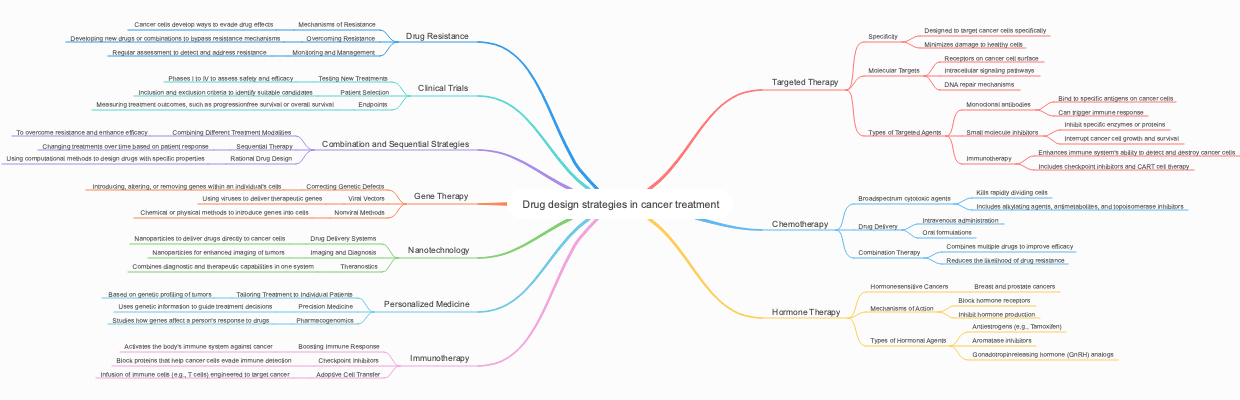
targeted therapy
Drugs such as bevacizumab work against specific targets on tumor cells and can improve efficacy when combined with chemotherapy, making them suitable for patients with advanced or recurrent cervical cancer.
Immunotherapy
Such as pembrolizumab, which activates the body's immune system to attack tumor cells, providing new treatment options for patients with advanced cervical cancer.