 Wondershare EdrawMind
MindMap Gallery lung cancer
- 21
lung cancer
Lung cancer is a malignant tumor originating from the bronchial mucosa or glands of the lungs. It is one of the malignant tumors with the fastest growing morbidity and mortality and the greatest threat to human health and life.
Edited at 2024-11-15 17:47:15
- ルミ:10精神的高次元の目覚め
ルミ:精神的な目覚めの10次元。あなたが自分自身を探すのをやめるとき、あなたが探しているのはあなたを探しているので、あなたは宇宙全体を見つけるでしょう。あなたが毎日忍耐することは何でもあなたの精神の深みへの扉を開くことができます。沈黙の中で、私は秘密の領域に滑り込み、私は私の周りの魔法を観察するためにすべてを楽しんだが、何の騒ぎをしなかった。翼で生まれたときに、なぜcraいるのが好きですか?魂には独自の耳があり、心が理解できないことを聞くことができます。すべてへの答えを内向きに求めてください、宇宙のすべてがあなたの中にあります。恋人たちはどこかで会うことはなく、この世界には別れもありません。傷は光があなたの心に入るところです。
- 病態生理 - 心不全
慢性心不全は、心拍数の速度の問題だけではありません!これは、心筋収縮と拡張期機能の減少によって引き起こされ、それが不十分な心拍出量につながり、肺循環の鬱血と全身循環のうっ血を引き起こします。原因、誘導、補償メカニズムまで、心不全の病態生理学的プロセスは複雑で多様です。浮腫を制御し、心臓の前面と後負荷を減らし、心臓の快適機能を改善し、基本的な原因を予防し、治療することにより、この課題に効果的に対応できます。心不全とマスタリング予防と治療戦略のメカニズムと臨床的症状を理解することによってのみ、心臓の健康をよりよく保護できます。
- 病態生理 - 虚血 - 再灌流障害
虚血再灌流損傷は、臓器や組織が血液供給を回復すると、細胞機能と代謝障害、構造的損傷が悪化する現象です。その主なメカニズムには、フリーラジカル生成の増加、カルシウム過負荷、および微小血管および白血球の役割が含まれます。心臓と脳は一般的な損傷した臓器であり、心筋の代謝と超微細構造の変化、心機能の低下などの変化として現れます。予防と制御の測定には、フリーラジカルの除去、カルシウム過負荷の減少、代謝の改善、低温、低温、低圧などの再灌流条件の制御が含まれます。これらのメカニズムを理解することは、効果的な治療オプションの開発に役立ち、虚血性損傷を軽減するのに役立ちます。
lung cancer
- ルミ:10精神的高次元の目覚め
ルミ:精神的な目覚めの10次元。あなたが自分自身を探すのをやめるとき、あなたが探しているのはあなたを探しているので、あなたは宇宙全体を見つけるでしょう。あなたが毎日忍耐することは何でもあなたの精神の深みへの扉を開くことができます。沈黙の中で、私は秘密の領域に滑り込み、私は私の周りの魔法を観察するためにすべてを楽しんだが、何の騒ぎをしなかった。翼で生まれたときに、なぜcraいるのが好きですか?魂には独自の耳があり、心が理解できないことを聞くことができます。すべてへの答えを内向きに求めてください、宇宙のすべてがあなたの中にあります。恋人たちはどこかで会うことはなく、この世界には別れもありません。傷は光があなたの心に入るところです。
- 病態生理 - 心不全
慢性心不全は、心拍数の速度の問題だけではありません!これは、心筋収縮と拡張期機能の減少によって引き起こされ、それが不十分な心拍出量につながり、肺循環の鬱血と全身循環のうっ血を引き起こします。原因、誘導、補償メカニズムまで、心不全の病態生理学的プロセスは複雑で多様です。浮腫を制御し、心臓の前面と後負荷を減らし、心臓の快適機能を改善し、基本的な原因を予防し、治療することにより、この課題に効果的に対応できます。心不全とマスタリング予防と治療戦略のメカニズムと臨床的症状を理解することによってのみ、心臓の健康をよりよく保護できます。
- 病態生理 - 虚血 - 再灌流障害
虚血再灌流損傷は、臓器や組織が血液供給を回復すると、細胞機能と代謝障害、構造的損傷が悪化する現象です。その主なメカニズムには、フリーラジカル生成の増加、カルシウム過負荷、および微小血管および白血球の役割が含まれます。心臓と脳は一般的な損傷した臓器であり、心筋の代謝と超微細構造の変化、心機能の低下などの変化として現れます。予防と制御の測定には、フリーラジカルの除去、カルシウム過負荷の減少、代謝の改善、低温、低温、低圧などの再灌流条件の制御が含まれます。これらのメカニズムを理解することは、効果的な治療オプションの開発に役立ち、虚血性損傷を軽減するのに役立ちます。
- Recommended to you
- Outline


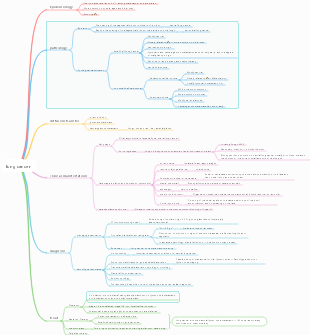

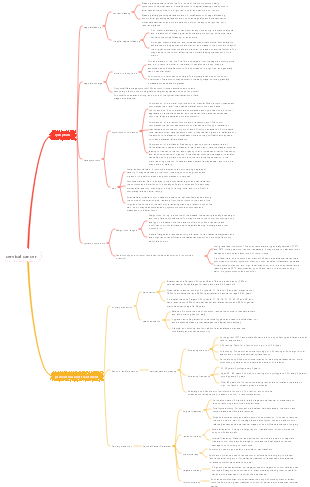
lung cancer
symptom
local symptoms
cough
Dry cough with no or little phlegm: It is mostly persistent, especially in the early stage, and may be the first symptom of lung cancer.
Irritant cough: It is often caused by tumors irritating the trachea and bronchial mucosa, and is aggravated by inhaling cold air or irritating gases.
Persistent cough: The cough lasts for a long time, and ordinary cough medicines are not effective. It may worsen as the disease progresses.
Changes in cough timbre: If a cough with metallic sound occurs, it may be caused by tumor compressing the trachea or main bronchi.
Hemoptysis
Blood in the sputum: The most common symptom is blood streaks in the sputum, which mostly occurs intermittently.
A small amount of hemoptysis: The amount of hemoptysis is generally small and can appear dark red or bright red.
Massive hemoptysis (rare): Once it occurs, it may be life-threatening. It is often caused by tumor invasion of larger blood vessels.
chest pain
Irregular and dull pain in the chest: The pain varies in intensity and location, and can occur in any part of the chest.
Dull pain: The duration may be long or short, and may be aggravated by deep breathing, coughing, or changing body positions.
Stinging pain: usually brief, sharp pain that may be related to tumor invasion of the pleura or chest wall.
Aggravation with breathing and coughing: Breathing movements and coughing will stretch the chest tissue and stimulate the tumor site, causing the pain to worsen.
The location of chest pain is related to the location of the tumor: for example, peripheral lung cancer can cause localized pain on the chest wall, and central lung cancer can cause pain in the central part of the chest.
Chest tightness, shortness of breath
Aggravation after activity: In the early stage, it may only appear during strenuous activities. As the disease progresses, chest tightness and shortness of breath may also be felt during minor activities or even at rest.
Localized wheezing: When the tumor causes partial obstruction of the bronchus, wheezing can be heard locally and can occur both during inhalation and expiration.
Decreased breath sounds: When a tumor blocks the bronchus or compresses lung tissue, the breath sounds in the corresponding area will be weakened.
There are many types of dyspnea: it can present as inspiratory, expiratory, or mixed, depending on the location of the tumor and the degree of obstruction.
systemic symptoms
fever
Low thermal: The body temperature is generally between 37.5 ° C -38 ° C, and it can sustain or repeatedly occur. It may be the absorption heat caused by tumor tissue necrosis absorption.
High fever (rare, caused by obstructive pneumonia, etc.): When a tumor blocks the bronchus, resulting in poor drainage of sputum, and secondary lung infection, high fever may occur, with the body temperature reaching above 39°C, accompanied by chills and worsening cough. and other symptoms.
thin
Gradual weight loss: Continuous weight loss without deliberate dieting or increased exercise may be caused by tumors consuming body energy and affecting appetite.
Fatigue and fatigue: Patients often feel general weakness and fatigue, and their activity tolerance is significantly reduced, and it is difficult to fully recover even after rest.
Cachexia (late manifestation)
Extreme weight loss: A large amount of body fat and muscle is consumed, and the body is reduced to skin and bones.
Anemia: pale complexion, pale lips, etc., due to long-term malnutrition and the impact of tumors on the hematopoietic system.
Life cannot take care of yourself: The body is extremely weak and cannot carry out normal daily activities.
extrapulmonary symptoms
endocrine disorder symptoms
Manifestations of Cushing's syndrome (moon face, buffalo back, etc., due to increased secretion of adrenocorticotropic hormone): the patient's face is as round as a full moon, and the fat on the back is thickened like a buffalo back. It may also be accompanied by symptoms such as purple lines on the skin and high blood pressure.
Syndrome of abnormal secretion of antidiuretic hormone (hyponatremia, water intoxication, etc.): Symptoms such as nausea, vomiting, drowsiness, and mental confusion may occur. In severe cases, it may lead to convulsions and coma, mainly due to abnormally elevated levels of antidiuretic hormone in the body. , leading to water retention and dilutional hyponatremia.
Gynecomastia: It may be related to the secretion of ectopic hormones by some lung cancer cells, which manifests as male breast tissue hyperplasia and swelling and pain.
Hypercalcemia (due to increased secretion of parathyroid hormone-related protein): can cause symptoms such as loss of appetite, nausea, vomiting, constipation, polyuria, thirst, and in severe cases, arrhythmia.
Skeletal muscle symptoms
Clubbing of fingers (toes): The ends of fingers or toes are hypertrophic, hypertrophic, and enlarged in the shape of a club. The nails are arched from the root to the end. They often appear bilaterally symmetrically. This may be related to the stimulation of certain growth factors secreted by tumors.
Hypertrophic osteoarthropathy (joint pain, swelling, etc.): mainly affects the distal ends of long bones, such as wrist joints, ankle joints, etc., manifesting as joint pain, swelling, limited movement, and may be accompanied by periosteal hyperplasia, and blood circulation caused by lung cancer Abnormalities are related to endocrine changes.
neuromuscular symptoms
Myasthenic syndrome (proximal muscle weakness in the upper limbs, etc.): Mainly characterized by muscle weakness, especially in the proximal muscles of the upper limbs, such as shoulders and upper arm muscles, and decreased activity tolerance. In severe cases, it can affect the normal movement of the limbs. Generally, the symptoms of the lower limbs are mild. , related to autoantibodies produced by tumors interfering with signaling at the neuromuscular junction.
Peripheral neuritis (paresthesias, numbness, etc.): Abnormal sensations at the end of the limbs, such as tingling, numbness, burning sensation, etc., may also be accompanied by muscle atrophy, affecting the sensory and motor functions of the limbs.
Psychiatric symptoms (in rare cases): such as depression, anxiety, hallucinations, etc., may be related to the tumor's impact on nervous system function or metabolic disorders.
blood system symptoms
Anemia: It can manifest as paleness, dizziness, fatigue, etc. The causes include tumor consumption, chronic blood loss, malabsorption of nutrients, and the inhibition of bone marrow hematopoietic function by tumor cells.
Purpura (caused by thrombocytopenia and other causes): Petechiae and ecchymoses appear on the skin and mucous membranes, often on the limbs and trunk. In severe cases, it may be accompanied by nose bleeding, gum bleeding, etc., which is caused by a decrease in the number of platelets or abnormal function.
Abnormal white blood cells: There may be an increase or decrease in white blood cells. The increase may be related to the inflammatory response caused by tumors, while the decrease may affect the body's immune function and increase the risk of infection.
skin symptoms
Acanthosis nigricans (skin thickening, roughness, pigmentation, etc.): It commonly occurs in skin folds such as the neck, armpits, and groin. The skin is black, brown, or gray, thickened, and rough, with small papillary bulges on the surface. Certain substances secreted by tumors may irritate the skin.
Dermatomyositis-like changes: manifested as purple-red macules around the eyelids and orbits, accompanied by symptoms such as muscle weakness and pain. It can appear before symptoms of lung cancer. It is a skin and muscle disease related to tumors.
Skin itching: There is no obvious rash, but the skin itches severely, which may be related to tumor metabolites or immune response. Generalized or localized itching is possible.
prevention
Primary prevention (cause prevention)
quit smoking
Avoid active smoking and be aware of the dangers of smoking, including damage to lung cells caused by carcinogens.
Stay away from second-hand smoke and reduce exposure to passive smoking.
Occupational protection
For those who work in asbestos, radon, arsenic, chromium, nickel, coal tar, mustard gas, isopropyl oil, mineral oil, dichloromethyl ether and other occupations, strictly abide by safe operating procedures and take protective measures such as wearing masks, protective clothing, etc. Conduct regular occupational health examinations.
environmental governance
Reduce air pollution, control industrial waste gas emissions, strengthen vehicle exhaust gas control, and promote the use of clean energy.
Keep the room well ventilated, avoid using polluting fuels, and install an air purifier.
healthy lifestyle
Eat a balanced diet, consume more foods rich in vitamins (such as vitamins A, C, and E), minerals (such as selenium), and dietary fiber, such as fresh vegetables and fruits, whole grains, etc., and reduce the intake of high-fat and high-calorie foods.
Moderate exercise, at least 150 minutes a week of moderate-intensity aerobic exercise, such as brisk walking, jogging, swimming, etc., to enhance cardiopulmonary function and immunity.
Maintaining a regular schedule, ensuring adequate sleep, and avoiding staying up late and overexerting yourself will help the body repair and adjust itself.
Control your weight, maintain a reasonable body mass index (BMI), and prevent metabolic disorders and increased cancer risks caused by obesity.
Avoid lung infections
To prevent respiratory infectious diseases, such as influenza, pneumonia, etc., you can get influenza vaccine, pneumonia vaccine, etc.
Pay attention to personal hygiene and wash hands frequently to reduce contact and transmission of pathogens.
Timely treatment of chronic inflammatory diseases of the lungs, such as chronic bronchitis, tuberculosis, etc.
Regular physical examination and screening
For high-risk groups (such as long-term smoking history, family history of lung cancer, occupational exposure history, etc.), low-dose spiral CT examinations are performed regularly to detect lung lesions early.
Secondary prevention (early detection, early diagnosis, early treatment)
Lung cancer screening
Applicable people: People aged 50-74 years old, and meet at least one of the following risk factors: smoke ≥20 packs/year (or have smoked ≥20 packs/year and quit smoking <15 years ago) years); passive smoker; has a history of occupational exposure (asbestos, radon, uranium, nickel, chromium, arsenic, beryllium, coal tar, mustard gas, benzidine, polycyclic aromatic hydrocarbons, etc.); has a history of malignant tumors or a family history of lung cancer; has A history of chronic obstructive pulmonary disease or diffuse pulmonary fibrosis.
Screening method: Low-dose spiral CT, which can detect early-stage lung nodules and other lesions, has a relatively low radiation dose and high sensitivity.
Pay attention to symptoms
If you have persistent cough (especially irritating dry cough), expectoration with blood or hemoptysis, chest pain, difficulty breathing, hoarseness, fever, weight loss and other symptoms, please seek medical attention promptly for further examination.
treat
surgical treatment
surgical method
Lobectomy: Suitable for patients whose tumors are limited to one lung lobe. The diseased lobe and some surrounding tissue are removed, while normal lung tissue is retained to maintain lung function.
Pneumonectomy: Used when the tumor involves one side of the whole lung or when central lung cancer invades important structures such as the main bronchus, but the postoperative impact on lung function is greater.
Segmentectomy and wedge resection: For early-stage lung cancer, patients with small tumors located around the lungs can choose to resection part of the lung segment or wedge resection of the tumor tissue to preserve more lung function, especially for patients with poor lung function who cannot tolerate lung cancer. Those who underwent lobectomy.
Indications and contraindications for surgery
Indications: Patients with stage I, stage II and some selected stage IIIA non-small cell lung cancer; some patients with small cell lung cancer may consider surgical resection if their tumors shrink after chemotherapy.
Contraindications: Severe cardiopulmonary insufficiency that cannot tolerate surgery; poor systemic condition, such as cachexia; distant metastasis (such as brain, liver, bone, etc.); extensive mediastinal lymph node metastasis that cannot be completely dissected, etc.
radiation therapy
Type of radiation therapy
Radical radiotherapy: It is suitable for early-stage lung cancer patients who are unable or unwilling to undergo surgery due to physical reasons, as well as some patients with locally advanced lung cancer. It uses high-dose irradiation of tumor tissue to eliminate tumors and cure the disease.
Palliative radiotherapy: It is mainly used to relieve symptoms of patients with advanced lung cancer, such as pain caused by bone metastases, neurological symptoms caused by brain metastases, superior vena cava obstruction syndrome, etc., to reduce patients' pain and improve their quality of life.
Adjuvant radiotherapy: After lung cancer surgery, patients with high-risk factors for local recurrence (such as positive tumor margins, mediastinal lymph node metastasis, etc.) are given postoperative adjuvant radiotherapy to reduce the risk of local recurrence; radiotherapy after chemotherapy can enhance local control. Effect.
radiotherapy technology
Three-dimensional conformal radiotherapy (3D-CRT): According to the shape of the tumor, the shape and dose distribution of the radiation field are adjusted from multiple directions to make the high-dose area consistent with the shape of the tumor target area and reduce the radiation dose to surrounding normal tissues.
Intensity-modulated radiotherapy (IMRT): Based on 3D-CRT, it further adjusts the dose intensity at each point in the irradiation field to achieve a more precise dose distribution, better protect normal tissue, increase the tumor irradiation dose, and thereby improve the treatment effect.
Stereotactic body radiotherapy (SBRT): Suitable for early-stage lung cancer or oligometastatic lesions. It uses high-dose, few-fraction irradiation to deliver high-dose irradiation to the tumor in a short period of time while causing less damage to surrounding normal tissue.
chemotherapy
Chemotherapy drug classification
Platinum: Such as cisplatin, carboplatin, etc., which are the basic drugs for lung cancer chemotherapy. They kill tumor cells by binding to the DNA of tumor cells and interfering with their replication and transcription.
Taxoids: paclitaxel, docetaxel, etc., can promote tubulin polymerization, inhibit microtubule depolymerization, stop cell mitosis, and thereby inhibit tumor growth.
Vinblastines: vinorelbine, etc., affect the spindle formation of tumor cells by inhibiting tubulin polymerization, leading to cell division disorders.
Gemcitabine: Interferes with tumor cell DNA synthesis and inhibits tumor cell proliferation.
Pemetrexed: Mainly acts on multiple targets in the folic acid metabolism pathway, inhibiting the folic acid metabolism of tumor cells, thereby inhibiting tumor growth.
chemotherapy regimen
Non-small cell lung cancer: Commonly used platinum-containing two-drug combination regimens, such as paclitaxel and carboplatin, gemcitabine and cisplatin, pemetrexed and cisplatin, etc. The appropriate regimen is selected based on the patient's pathological type, physical condition, genetic testing results, etc.
Small cell lung cancer: The first-line chemotherapy regimen is mostly etoposide, cisplatin or carboplatin (EP regimen), and it can also be combined with other drugs such as irinotecan to form a new regimen.
Chemotherapy indications and contraindications
Indications: Patients with advanced lung cancer; patients with locally advanced lung cancer receive preoperative neoadjuvant chemotherapy to reduce tumor volume to facilitate surgical resection, or postoperative adjuvant chemotherapy to reduce the risk of recurrence; small cell lung cancer is sensitive to chemotherapy, and chemotherapy is mostly used regardless of early or late stage. Comprehensive treatment.
Contraindications: severe liver and kidney insufficiency; severe suppression of bone marrow hematopoietic function (severe reduction of white blood cells, platelets, etc.); severe cardiopulmonary dysfunction; cachexia and inability to tolerate chemotherapy, etc.
targeted therapy
Targets and drugs
Epidermal growth factor receptor (EGFR) mutations: such as gefitinib, erlotinib, icotinib, afatinib, osimertinib, etc., suitable for patients with non-small cell lung cancer with EGFR sensitive mutations. Inhibits EGFR tyrosine kinase activity and blocks tumor cell proliferation signaling pathways.
Anaplastic lymphoma kinase (ALK) fusion gene: crizotinib, alectinib, ceritinib, etc., target ALK-positive non-small cell lung cancer, inhibit ALK protein and its downstream signaling pathways, and inhibit tumor growth.
Other targets: If ROS1 fusion gene is positive, crizotinib can be used; if BRAF V600E mutation is detected, dabrafenib combined with trametinib can be used.
Detection methods: Use genetic detection technologies, such as polymerase chain reaction (PCR), fluorescence in situ hybridization (FISH), next-generation sequencing (NGS), etc., to detect relevant gene mutations or fusions in tumor tissue or blood to guide targeting Drug selection.
Efficacy evaluation and drug resistance treatment: Regularly evaluate the efficacy through imaging examinations (such as CT, etc.), and observe changes in tumor size and number. When resistance occurs, genetic testing is performed again, and subsequent treatment options are selected based on new mutations. For example, third-generation osimertinib can be used instead if T790M mutation occurs after resistance to a first-generation EGFR-TKI.
Immunotherapy
drug type
Programmed death receptor 1 (PD-1) inhibitors: nivolumab, pembrolizumab, etc., relieve the inhibition of immune cells by tumor cells by blocking the binding of PD-1 and its ligand PD-L1 , enhance the body’s anti-tumor immune response.
Programmed death ligand 1 (PD-L1) inhibitors: atezolizumab, durvalumab, etc., act on PD-L1 on the surface of tumor cells and also activate immune cells to kill tumors.
Applicable population and efficacy predictors: Mainly used for patients with advanced non-small cell lung cancer, especially those without driver gene mutations or those who have progressed after chemotherapy. Predictors of response include tumor cell PD-L1 expression levels; patients with high expression may benefit more from immunotherapy, but patients with low or negative expression may also benefit. In addition, indicators such as tumor mutation burden (TMB) can also be used as a reference.
Monitoring and treatment of adverse reactions: Immunotherapy may cause immune-related adverse reactions, such as immune pneumonia, hepatitis, enteritis, thyroid dysfunction, adverse skin reactions, etc. During the treatment period, the patient's symptoms, signs and related laboratory indicators need to be closely monitored. Once adverse reactions occur, corresponding treatment measures such as suspending treatment and using glucocorticoids and other immunosuppressants will be taken according to the severity. The patient will be evaluated after the adverse reactions are alleviated or recovered. Continue immunotherapy.
Other treatments
interventional therapy
Bronchial artery infusion chemotherapy: Chemotherapy drugs are directly injected into the tumor blood supply artery through the bronchial arteries to increase the local drug concentration in the tumor and enhance the chemotherapy effect. It is suitable for patients with mid-to-late stage lung cancer, especially those who cannot be surgically removed or are unwilling to undergo surgery.
Transbronchoscope interventional treatment: such as bronchoscope tumor ablation (laser, microwave, argon knife, etc.), which can directly remove tumor tissue in the bronchus and relieve the symptoms of airway obstruction; bronchoscope stent placement, used to treat causes Airway stenosis caused by tumor compression or invasion improves ventilation function.
Traditional Chinese Medicine Treatment
Assisted treatment with traditional Chinese medicine: During the treatment of lung cancer, traditional Chinese medicine prescriptions can be used to strengthen the body and eliminate evil, such as nourishing qi and nourishing blood, nourishing yin and moisturizing the lungs, clearing away heat and detoxifying, etc., to strengthen the patient's constitution, reduce the adverse reactions of radiotherapy and chemotherapy, and improve the body's immunity. May help improve patient quality of life and tolerance of treatment.
Traditional Chinese medicine therapies: such as acupuncture, massage, etc., can relieve some symptoms of lung cancer patients, such as pain, fatigue, etc., but they cannot replace the main treatment methods of Western medicine.
supportive care
Nutritional support: For patients with lung cancer, especially those in the advanced stage, malnutrition is often present due to tumor consumption, loss of appetite and other reasons. A personalized nutrition plan should be formulated based on the patient's nutritional status, and a high-calorie, high-protein, vitamin- and mineral-rich diet should be provided. , if necessary, it can be supplemented by nasogastric feeding or parenteral nutrition.
Pain management: According to the three-step analgesic principle, appropriate analgesics are selected according to the patient's pain level, such as non-steroidal anti-inflammatory drugs, weak opioids, strong opioids, etc., while paying attention to the treatment of adverse drug reactions to improve the patient's quality of life. .
Psychological support: Lung cancer patients often face tremendous psychological pressure and may suffer from anxiety, depression and other emotions. They need psychological counseling and psychological support. If necessary, a psychologist can be invited to intervene to help patients build confidence in overcoming the disease and actively cooperate with treatment.