 Wondershare EdrawMind
MindMap Gallery liver cancer
- 29
liver cancer
Liver cancer refers to malignant tumors that occur in the liver and can be divided into two categories: primary and secondary. The following is a detailed overview of liver cancer, I hope it will be helpful to everyone!
Edited at 2024-11-15 17:18:59
- ルミ:10精神的高次元の目覚め
ルミ:精神的な目覚めの10次元。あなたが自分自身を探すのをやめるとき、あなたが探しているのはあなたを探しているので、あなたは宇宙全体を見つけるでしょう。あなたが毎日忍耐することは何でもあなたの精神の深みへの扉を開くことができます。沈黙の中で、私は秘密の領域に滑り込み、私は私の周りの魔法を観察するためにすべてを楽しんだが、何の騒ぎをしなかった。翼で生まれたときに、なぜcraいるのが好きですか?魂には独自の耳があり、心が理解できないことを聞くことができます。すべてへの答えを内向きに求めてください、宇宙のすべてがあなたの中にあります。恋人たちはどこかで会うことはなく、この世界には別れもありません。傷は光があなたの心に入るところです。
- 病態生理 - 心不全
慢性心不全は、心拍数の速度の問題だけではありません!これは、心筋収縮と拡張期機能の減少によって引き起こされ、それが不十分な心拍出量につながり、肺循環の鬱血と全身循環のうっ血を引き起こします。原因、誘導、補償メカニズムまで、心不全の病態生理学的プロセスは複雑で多様です。浮腫を制御し、心臓の前面と後負荷を減らし、心臓の快適機能を改善し、基本的な原因を予防し、治療することにより、この課題に効果的に対応できます。心不全とマスタリング予防と治療戦略のメカニズムと臨床的症状を理解することによってのみ、心臓の健康をよりよく保護できます。
- 病態生理 - 虚血 - 再灌流障害
虚血再灌流損傷は、臓器や組織が血液供給を回復すると、細胞機能と代謝障害、構造的損傷が悪化する現象です。その主なメカニズムには、フリーラジカル生成の増加、カルシウム過負荷、および微小血管および白血球の役割が含まれます。心臓と脳は一般的な損傷した臓器であり、心筋の代謝と超微細構造の変化、心機能の低下などの変化として現れます。予防と制御の測定には、フリーラジカルの除去、カルシウム過負荷の減少、代謝の改善、低温、低温、低圧などの再灌流条件の制御が含まれます。これらのメカニズムを理解することは、効果的な治療オプションの開発に役立ち、虚血性損傷を軽減するのに役立ちます。
liver cancer
- ルミ:10精神的高次元の目覚め
ルミ:精神的な目覚めの10次元。あなたが自分自身を探すのをやめるとき、あなたが探しているのはあなたを探しているので、あなたは宇宙全体を見つけるでしょう。あなたが毎日忍耐することは何でもあなたの精神の深みへの扉を開くことができます。沈黙の中で、私は秘密の領域に滑り込み、私は私の周りの魔法を観察するためにすべてを楽しんだが、何の騒ぎをしなかった。翼で生まれたときに、なぜcraいるのが好きですか?魂には独自の耳があり、心が理解できないことを聞くことができます。すべてへの答えを内向きに求めてください、宇宙のすべてがあなたの中にあります。恋人たちはどこかで会うことはなく、この世界には別れもありません。傷は光があなたの心に入るところです。
- 病態生理 - 心不全
慢性心不全は、心拍数の速度の問題だけではありません!これは、心筋収縮と拡張期機能の減少によって引き起こされ、それが不十分な心拍出量につながり、肺循環の鬱血と全身循環のうっ血を引き起こします。原因、誘導、補償メカニズムまで、心不全の病態生理学的プロセスは複雑で多様です。浮腫を制御し、心臓の前面と後負荷を減らし、心臓の快適機能を改善し、基本的な原因を予防し、治療することにより、この課題に効果的に対応できます。心不全とマスタリング予防と治療戦略のメカニズムと臨床的症状を理解することによってのみ、心臓の健康をよりよく保護できます。
- 病態生理 - 虚血 - 再灌流障害
虚血再灌流損傷は、臓器や組織が血液供給を回復すると、細胞機能と代謝障害、構造的損傷が悪化する現象です。その主なメカニズムには、フリーラジカル生成の増加、カルシウム過負荷、および微小血管および白血球の役割が含まれます。心臓と脳は一般的な損傷した臓器であり、心筋の代謝と超微細構造の変化、心機能の低下などの変化として現れます。予防と制御の測定には、フリーラジカルの除去、カルシウム過負荷の減少、代謝の改善、低温、低温、低圧などの再灌流条件の制御が含まれます。これらのメカニズムを理解することは、効果的な治療オプションの開発に役立ち、虚血性損傷を軽減するのに役立ちます。
- Recommended to you
- Outline


liver cancer
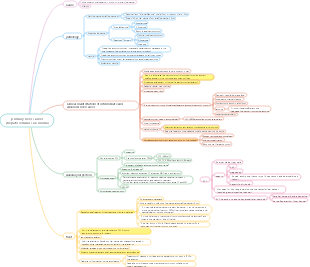
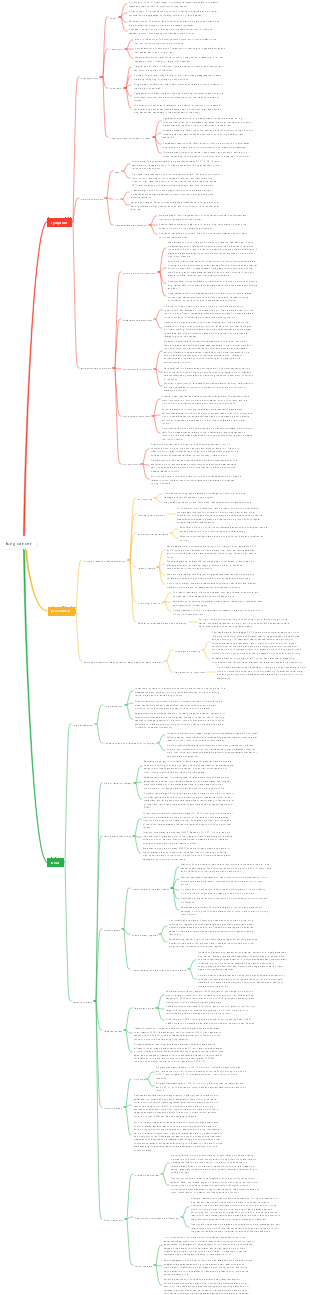
symptom
Liver symptoms
pain in liver area
Persistent dull or distending pain: This is one of the most common symptoms of liver cancer. It is mostly persistent pain in the right upper quadrant or mid-upper quadrant. The degree of pain varies. Some patients can tolerate it, while others have severe pain.
Dull pain (may be mild in the early stage): The pain of early liver cancer may not be obvious, just a dull pain, which is easy to be ignored and is often mistaken for other diseases such as cholecystitis and gastritis.
Increased pain (tumor progression): As the tumor grows, the traction on the liver capsule increases, and the pain will gradually increase, and may be more obvious at night or after exertion.
Radiating pain (can radiate to the right shoulder or back): Due to the innervation characteristics of the liver, the pain in some patients can radiate to the right shoulder or back, causing pain in the corresponding parts.
enlarged liver
Palpable mass (hard texture, uneven surface): As the disease progresses, the size of the liver increases, and a mass can be palpable in the right upper quadrant. It is hard in texture, has irregular edges, has an uneven surface, and may be accompanied by tenderness.
The size and location of the tumor vary depending on the tumor: the size and location of the tumor are different, and the degree and performance of liver enlargement are also different. In some patients, the tumor may be deep in the liver and difficult to reach in the early stage.
digestive symptoms
Loss of appetite
Lack of interest in food: Patients often show a loss of appetite for various foods and a significant reduction in food intake. This may be due to liver function damage caused by liver cancer, which affects the secretion of gastrointestinal digestive juices and gastrointestinal motility.
Gradual worsening (disease progression): As the condition worsens, the loss of appetite will become more severe, and even aversion to eating will occur.
indigestion
Abdominal bloating, nausea, and vomiting: After eating, you often feel fullness and discomfort in the upper abdomen, accompanied by nausea and vomiting. The vomitus is mostly gastric contents, which may affect the patient's nutritional intake in severe cases.
Related to abnormal liver function and portal hypertension: abnormal liver function can lead to bile secretion and excretion disorders, affecting fat digestion; portal hypertension can cause gastrointestinal congestion, leading to digestive dysfunction.
diarrhea
Increased frequency of stools (shapeless or loose stools): Patients may have more stools every day and the stools may be looser and looser. This may be due to liver cancer affecting the normal absorption function of the intestine, or due to stimulation by certain substances secreted by the tumor. Intestine.
May be accompanied by abdominal pain (mostly dull pain): Some patients may be accompanied by dull abdominal pain during diarrhea, and the pain is mostly around the umbilical cord or lower abdomen.
systemic symptoms
Weight loss, fatigue
Weight loss (unexplained): Without deliberate dieting or increased exercise, the patient gradually loses weight, loses body fat and muscle mass, and becomes increasingly weak.
Full -body fatigue and decline in activity endurance: I often feel extremely weak, and even mild activities will feel tired, which seriously affects daily life and work.
fever
Low-grade fever (common, mostly persistent): The body temperature is generally between 37.5°C and 38°C. This may be due to heat absorption caused by necrosis and absorption of tumor tissue, or may be related to abnormal immune function in patients with liver cancer.
High fever (rare, can be due to infection and other reasons): When patients with liver cancer are infected, such as lung infection, abdominal infection, etc., high fever may occur, and the body temperature can reach above 39°C, which may be accompanied by chills, cough, abdominal pain and other corresponding infections. symptom.
jaundice symptoms
Jaundice of skin and sclera
Jaundice gradually appears: due to liver cell damage or bile duct compression due to liver cancer, bilirubin metabolism and excretion disorders, the bilirubin level in the blood increases, first showing scleral yellow staining, and then the skin also appears yellow staining, the color can vary from Light yellow gradually deepens to golden yellow.
Accompanied by skin itching: Hyperbilirubinemia can stimulate skin nerve endings and cause skin itching. Patients often feel unbearable skin itching, and scratching may cause skin damage.
Darker urine and clay-like stool (related to bile duct obstruction)
Dark yellow urine color (like strong tea): Due to increased bilirubin excretion through urine, the color of urine changes. The more serious the condition, the darker the urine color.
Clay-like stool: When the bile duct is completely blocked by a tumor, bilirubin cannot be discharged into the intestines, and the stool becomes lighter in color and takes on a clay-like appearance, indicating severe biliary obstruction.
Ascites symptoms
Abdominal distension (due to increased fluid accumulation in the abdominal cavity)
Abdominal distention: As ascites gradually increases, the patient's abdomen gradually distends, and there may be an obvious feeling of abdominal distension. In severe cases, breathing and eating may be affected.
Positive moving dullness (when there is a large amount of ascites): Doctors can find moving dullness during physical examination, indicating that there is more free fluid in the abdominal cavity. This is one of the common signs of late-stage liver cancer.
Lower limb edema (related to ascites compression, etc.)
Pitting edema of the lower limbs (mostly starting from the ankles): Ascites can compress the inferior vena cava, causing obstruction of the venous return of the lower limbs, causing edema of the lower limbs. It usually starts from the ankles and gradually spreads upward. In severe cases, it can involve the entire lower limbs.
Metastatic symptoms
lung metastasis
Cough and hemoptysis: Irritating cough may occur, mostly dry cough or accompanied by a small amount of white sputum. Hemoptysis may include blood in the sputum or a small amount of blood. The severity varies depending on the size and number of metastases.
Chest pain and dyspnea: When lung metastasis invades the pleura or causes lung tissue destruction, it can cause chest pain, which is mostly a dull or dull pain, may be accompanied by dyspnea, and worsens after activity.
bone metastasis
Bone pain: pain occurs at the metastasis site, and the nature of the pain is diverse. It can be persistent dull pain, tingling pain, or soreness. The pain is severe and can affect the patient's sleep and daily activities.
Pathological fractures: Bones become fragile due to tumor invasion. Fractures can occur under the action of slight external force. They are common in the spine, ribs, pelvis and other parts. After fractures, local severe pain, swelling, deformity and other symptoms may occur.
Brain metastasis (rare)
Headache, dizziness, nausea, and vomiting: Patients may have headaches, mostly persistent distending or throbbing pain, accompanied by dizziness, nausea, and vomiting. The vomiting is mostly projectile. In severe cases, it can affect the patient's consciousness and limb activities, leading to hemiplegia. , aphasia and other neurological disorders.
prevention
Cause prevention
Hepatitis virus prevention and control
Hepatitis B vaccination: Popularize hepatitis B vaccination for newborns and high-risk groups, and complete the three-shot vaccination at 0, 1 and 6 months according to the procedure to ensure the immune effect.
Hepatitis C screening and treatment: Hepatitis C antibody screening should be performed on people with high-risk factors for hepatitis C (such as history of blood transfusion, intravenous drug use, etc.). Those who are positive will be further tested for hepatitis C virus RNA, and timely antiviral treatment will be provided after diagnosis.
Hepatitis B antiviral treatment: For hepatitis B virus carriers, liver function, hepatitis B virus DNA quantification and other indicators should be monitored regularly. For those who meet the antiviral indications (such as high-level hepatitis B virus DNA replication, abnormal liver function, etc.), timely application of nucleotide similar Antiviral treatment with drugs or interferons can inhibit viral replication and reduce liver inflammation and damage.
Avoid liver damage factors
Quit drinking: Promote alcohol’s damage to the liver, advocate quitting drinking, and reduce the risk of alcoholic liver disease. For chronic alcoholics, alcohol addiction support and recovery guidance are provided.
Use hepatotoxic drugs with caution: Strengthen medication safety education for medical staff and the public, strictly control drug indications, and avoid unnecessary drug use, especially acetaminophen, antibiotics and other potentially hepatotoxic drugs. Monitor during use. liver function.
Prevent and treat metabolic syndrome
Weight control: Maintain weight through a reasonable diet (such as controlling calorie intake, increasing vegetable and fruit intake, and reducing high-fat and high-sugar foods) and moderate exercise (at least 150 minutes of moderate-intensity aerobic exercise per week, such as brisk walking, jogging, etc.) Within the normal range, prevent obesity-related fatty liver disease.
Control blood sugar: Regular physical examinations screen for diabetes. Diabetic patients strictly control blood sugar levels, follow a diabetic diet, and use hypoglycemic drugs rationally to reduce the occurrence of diabetic liver disease.
Control blood lipids: For those with abnormal blood lipids, first adjust through diet and exercise. If the effect is not good, add lipid-lowering drugs to lower blood lipid levels and reduce fat deposition in the liver.
lifestyle adjustments
Eat healthy
Balanced diet: ensure daily intake of adequate protein (such as lean meat, fish, beans and other high-quality proteins), carbohydrates (mainly whole grains), fat (mainly unsaturated fatty acids), vitamins (eat more fresh fruits and vegetables) and minerals.
Increase the intake of antioxidant foods: blueberries, green tea, broccoli, etc. are rich in antioxidants, which can help reduce oxidative stress damage to the liver.
Reduce the intake of pickled and moldy foods: Pickled foods contain nitrite and moldy foods contain aflatoxin, both of which have cancer risks and should be avoided as much as possible.
Regular schedule
Adequate sleep: Ensure 7-8 hours of high-quality sleep every night, which is beneficial to the repair and detoxification functions of the liver.
Balance work and rest: avoid overwork, arrange work and rest time reasonably, and reduce the adverse effects of long-term mental stress on the liver.
moderate exercise
Aerobic exercise: As mentioned above, insisting on a certain amount of moderate-intensity aerobic exercise every week can enhance physical fitness, promote metabolism, reduce the burden on the liver, and improve the liver's disease resistance.
Exercise safety: Choose appropriate exercise items and intensity according to your physical condition, warm up properly before exercise, stop promptly and seek medical advice if you feel any discomfort during exercise.
Regular screening
Screening population
People infected with hepatitis B and hepatitis C virus: Regardless of whether their liver function is normal or not, they should be screened regularly.
Patients with liver cirrhosis: including hepatitis B cirrhosis, hepatitis C cirrhosis, alcoholic cirrhosis, etc.
People with a family history of liver cancer: especially those with first-degree relatives suffering from liver cancer.
Long-term alcoholics: a history of drinking for more than 5 years, with an ethanol equivalent amount ≥40g/d for men and ≥20g/d for women, or a history of heavy drinking within 2 weeks (ethanol equivalent amount > 80g/d).
Patients with metabolic syndrome: people with obesity, diabetes, hyperlipidemia, etc.
Screening items
serology test
Alpha-fetoprotein (AFP): It is an important tumor marker for liver cancer. However, AFP may be normal in some patients with liver cancer and needs to be combined with other tests. Testing is generally recommended every 3-6 months.
Abnormal prothrombin (PIVKA-II): It has certain auxiliary value in the diagnosis of liver cancer and can be combined with AFP to improve the detection rate of liver cancer.
Imaging examination
Liver ultrasound: non-invasive, low-priced, can be examined repeatedly, and can detect liver space-occupying lesions with a diameter > 1cm. It is the preferred method for liver cancer screening and should be examined every 3-6 months.
Enhanced CT or MRI: For those with abnormalities found on ultrasound, further enhanced CT or MRI examination can more clearly show the shape, size, blood supply, etc. of liver lesions, which is helpful for the diagnosis and differential diagnosis of liver cancer. Annual examinations can be carried out according to the situation. 1 - 2 times or as directed by your doctor.
treat
surgical treatment
liver resection
Indications
The patient's general condition is good and there is no obvious dysfunction of important organs such as heart, lung, kidney and so on.
Liver function Child-Pugh class A or B, ICG R15<30%.
The tumor is limited to one lobe or half of the liver, or the tumor involves the left and right livers but does not invade major blood vessels and bile ducts, and has no distant metastasis.
Surgical method
Local resection: It is suitable for tumors that are small and located at the edge of the liver or in shallow parts of the liver parenchyma, so as to preserve as much normal liver tissue as possible.
Liver lobectomy: such as left lateral lobectomy, left hemihepatectomy, right hemihepatectomy, etc. Select the appropriate liver lobectomy according to the location and extent of the tumor, and pay attention to preserving the integrity of the blood vessels and bile ducts of the remaining liver to reduce postoperative complications.
Anatomical liver resection: Resection according to the anatomical segmentation of the liver can more accurately remove tumors and possible micro-metastasis, reducing the risk of postoperative recurrence, but it requires higher surgical skills.
postoperative complications
Bleeding: Carefully stop bleeding during surgery, and closely observe vital signs and abdominal drainage after surgery. If bleeding is detected, deal with it promptly and perform another surgery to stop bleeding if necessary.
Liver failure: Accurately assess liver function reserve before surgery, strengthen hepatoprotective treatment after surgery, maintain water and electrolyte balance, and provide artificial liver support if necessary.
Biliary fistula: Properly handle the bile duct during surgery and maintain smooth drainage after surgery. Small biliary fistulas may heal on their own, but larger fistulas may require reoperation or endoscopic treatment.
Infection: including lung infection, abdominal infection, etc. After surgery, strengthen respiratory tract management, preventive application of antibiotics, keep incisions and abdominal drainage tubes clean, etc. Once infection occurs, timely anti-infective treatment is required.
liver transplant
Indications
Milan criteria: the diameter of a single tumor is ≤5cm, or the number of tumors is ≤3 and the maximum diameter is ≤3cm, without invasion of large blood vessels, no lymph node metastasis and extrahepatic metastasis (suitable for European and American people).
Hangzhou criteria: appropriately relaxed on the basis of Milan criteria, the cumulative diameter of the tumor is ≤8cm, or the cumulative diameter of the tumor is >8cm but the preoperative AFP is ≤400ng/ml and the histological grade is high or moderately differentiated (more suitable for my country's national conditions).
Key points of surgery
Acquisition and preservation of donor livers: Acquire donor livers in strict accordance with relevant regulations on organ transplantation, use appropriate preservation solutions and preservation techniques, minimize cold ischemia time, and ensure the quality of donor livers.
Recipient surgery: Complete resection of the diseased liver, taking care to avoid damaging surrounding important structures. After the donor liver is implanted, blood vessels and bile ducts are reconstructed to ensure smooth blood flow and bile drainage.
Postoperative management
Immunosuppressive treatment: Commonly used immunosuppressants such as cyclosporine, tacrolimus, etc., adjust the dose according to blood concentration to prevent rejection, and pay attention to monitoring adverse drug reactions, such as infection, renal damage, etc.
Monitoring and treatment of complications: such as vascular complications (hepatic artery thrombosis, portal vein stenosis, etc.), biliary complications (bile duct stenosis, biliary sludge formation, etc.), rejection, etc. Regular ultrasound, liver function, blood drug concentration, etc. examinations , timely detection and treatment of complications.
topical treatment
percutaneous ablation therapy
Indications
Tumor diameter ≤5cm, number ≤3, liver function Child-Pugh grade A or B, no blood vessels, bile duct invasion or distant metastasis, and those who are not suitable or unwilling to undergo surgical resection.
Treatment
Radiofrequency ablation (RFA): The heat generated by high-frequency current is used to coagulate and necrosize tumor tissue. The electrode needle is inserted into the tumor under ultrasound or CT guidance for ablation.
Microwave ablation (MWA) uses microwaves as thermal energy to vibrate water molecules in tumor tissue to generate heat and cause coagulation and necrosis. It has the advantages of rapid temperature rise and wide ablation range.
Cryoablation: The tumor tissue is rapidly frozen and thawed using cryogens such as liquid nitrogen. Repeated cycles cause the rupture and death of tumor cells. It is suitable for tumors close to important structures and can reduce thermal damage to surrounding tissues.
Efficacy evaluation and follow-up
Liver ultrasound, enhanced CT or MRI should be reviewed regularly after surgery to evaluate the ablation effect and observe whether the tumor is completely necrotic and whether there is recurrence. The first re-examination is generally 1 month after surgery, and then every 3-6 months.
Hepatic arterial chemoembolization (TACE)
Indications
Unresectable intermediate-to-advanced liver cancer, liver function Child-Pugh class A or B, no severe impairment of liver and kidney function, no complete obstruction of the main portal vein, and tumor volume accounting for <70% of the liver volume.
treatment process
The femoral artery is punctured and cannulated into the hepatic artery, and a mixture of chemotherapy drugs (such as cisplatin, epirubicin, etc.) and embolic agents (such as lipiodol, gelatin sponge, etc.) is injected to make the local drug concentration high and block the tumor. Tumor blood supply to achieve the purpose of killing tumor cells.
Complications and treatment
Post-embolization syndrome: manifests as fever, abdominal pain, nausea, vomiting, etc., generally mild to moderate, and can be treated symptomatically, such as giving antipyretic, analgesic, antiemetic and other drugs.
Liver function damage: Strengthen hepatoprotective treatment after surgery and closely monitor changes in liver function. Most patients can recover gradually.
Cholecystitis and gallbladder perforation: It is related to the reflux of embolic agent into the cystic artery. During the operation, try to be superselective intubation to avoid embolization of the cystic artery. If cholecystitis occurs, anti-infective, choleretic and other treatments can be given. Gallbladder perforation requires surgical treatment.
Liver abscess: mostly secondary infections due to tumor tissue necrosis, and antibiotics are used for prevention after surgery. If liver abscess occurs, puncture drainage and infection treatment can be punctured under ultrasound or CT guidance.
radioactive seed implantation therapy
Indications
The tumor diameter is ≤7cm, the number is ≤3, and the liver function is Child-Pugh grade A or B, and the tumor cannot be resected or refuses surgery, ablation therapy and external radiotherapy. The tumor boundary is relatively clear and there is no obvious distant metastasis.
Operational points
Under the guidance of ultrasound, CT or MRI, radioactive particles (such as iodine-125 particles) are implanted into the tumor to kill tumor cells through sustained release of rays. The implanted particles should be evenly distributed, covering the tumor and a certain range of surrounding subclinical lesions.
Protection and follow-up
Medical staff need to take radiation protection during the operation, and patients also need to be properly protected after surgery to avoid radiation effects on the surrounding people. Regularly review imaging examinations to evaluate the treatment effect, and monitor blood routine and other indicators to understand whether there are any adverse reactions such as radioactive bone marrow suppression.
Systemic treatment
molecular targeted therapy
Drug Types and Mechanisms of Action
Sorafenib: a multi-target tyrosine kinase inhibitor that can inhibit tumor cell proliferation and tumor angiogenesis. It is the first molecular targeted drug approved for first-line treatment of advanced liver cancer.
Lenvatinib: Its mechanism of action is similar to that of sorafenib, and its efficacy is equivalent to or better than that of sorafenib. It is also one of the first-line treatment options for advanced liver cancer.
Regorafenib: used as second-line treatment after failure of sorafenib treatment, which can further prolong patient survival.
Apatinib: a domestically produced small molecule targeted drug that also has certain efficacy in the treatment of advanced liver cancer and can be used as a second-line or later-line treatment option.
Efficacy evaluation and adverse reaction monitoring
During treatment, liver imaging examinations will be reviewed every 2-3 months to evaluate tumor changes, and the patient's symptoms, quality of life, etc. will also be monitored. Common adverse reactions include hand-foot skin reaction, diarrhea, hypertension, proteinuria, etc. The drug dosage should be adjusted or corresponding symptomatic treatment should be given according to the severity of the adverse reactions.
Immunotherapy
immune checkpoint inhibitors
Nivolumab and pembrolizumab: By blocking the programmed death receptor 1 (PD-1) and its ligand (PD-L1) pathways, activating the body's own immune system to kill tumor cells, it is a second-line treatment for advanced liver cancer. The treatment has good curative effect and can significantly extend the patient's survival time.
Atezolizumab combined with bevacizumab: It is a first-line immune combination therapy that can act on tumor cells and tumor blood vessels at the same time, synergistically, and significantly improves the overall survival and progression-free survival of patients compared with sorafenib. , but the incidence of adverse reactions is relatively high.
Efficacy prediction and adverse reaction management
Currently, the efficacy of immunotherapy can be predicted by detecting PD-L1 expression, tumor mutation burden (TMB) and other indicators in tumor tissue, but the accuracy is limited. Adverse reactions of immunotherapy can affect multiple systems throughout the body, such as immune pneumonia, hepatitis, enteritis, endocrine diseases, etc. The patient's physical condition should be fully assessed before treatment, and the patient should be closely monitored during treatment. Once adverse reactions occur, immunosuppression such as glucocorticoids should be administered promptly. drug treatment, and adjust the immunotherapy plan according to the severity of adverse reactions.
Chemotherapy
Commonly used chemotherapy regimens
FOLFOX regimen: The combined use of oxaliplatin, leucovorin, and fluorouracil has a certain effect on liver cancer and can be used for systemic treatment of advanced liver cancer, especially for patients with good liver function.
Gemcitabine combined with cisplatin (GP regimen): It is also one of the commonly used chemotherapy regimens for liver cancer and can achieve better tumor control effects in some patients.
Adverse reaction treatment
Myelosuppression: Regularly review blood routine, and give blood cell-raising drugs such as granulocyte colony-stimulating factor and thrombopoietin according to the degree of decrease in white blood cells and platelets to prevent infection and bleeding.
Gastrointestinal reactions: Antiemetic drugs (such as 5-HT3 receptor antagonists, dexamethasone, etc.) are given to prevent and treat nausea and vomiting, and mucosal protective agents (such as aluminum magnesium carbonate) are used to reduce gastrointestinal mucosal damage.
Liver and kidney function damage: Monitor liver and kidney function during chemotherapy, give liver- and kidney-protective drugs, and adjust the dosage of chemotherapy drugs or suspend chemotherapy if necessary.
Traditional Chinese Medicine Treatment
TCM syndrome differentiation and treatment
Liver stagnation and spleen deficiency syndrome: To soothe the liver and invigorate the spleen, use Xiaoyao Powder (modified or subtracted). Commonly used drugs include Bupleurum, white peony root, Chinese angelica, Poria, Atractylodes, etc.
Qi stagnation and blood stasis syndrome: To promote blood circulation and remove blood stasis, promote qi and relieve pain, use Xuefu Zhuyu Decoction, which includes peach kernel, safflower, angelica, raw rehmannia root, Chuanxiong, etc.
Syndrome of accumulation of dampness and heat: clearing away heat, diluting dampness and detoxifying, add or subtract Yinchenhao Decoction and Gendan Xiegan Decoction. Medicinally use Yinchenhao Decoction, gardenia, rhubarb, gentian, skullcap, etc.
Liver and kidney yin deficiency syndrome: To nourish the liver and kidneys, add or subtract Yiguanjian combined with Zhibai Dihuang Pills, such as raw rehmannia root, Adenophora japonicus, Ophiopogon japonicus, wolfberry, Soupelandia, Anemarrhena, etc.
Chinese patent medicine
Huaier granules: It has the effect of strengthening the body, promoting blood circulation and eliminating symptoms. It can improve the clinical symptoms of liver cancer patients, improve the quality of life and prolong the survival period. It can be used for adjuvant treatment of liver cancer after surgical resection and advanced liver cancer.
Huachansu Capsule: It has detoxification, swelling and analgesic effects. It has a certain anti-tumor effect on liver cancer and can relieve cancer pain and other symptoms. It can be used alone or in combination with other treatments.
Compound Cantharides Capsule: It can break blood and remove blood stasis, attack poison and ulcers, enhance the body's immune function, and play a certain role in the comprehensive treatment of liver cancer.
Multidisciplinary Treatment (MDT)
Team composition
It is composed of multidisciplinary professionals such as liver surgeons, oncologists, interventionalists, radiotherapists, pathologists, and radiologists.
Diagnosis and treatment mode
For liver cancer patients, MDT The team jointly discusses and formulates the best personalized treatment plan, taking into account the patient's tumor stage, liver function status, general physical condition, treatment willingness and other factors. For example, for patients with resectable liver cancer, discuss the feasibility and safety of surgical resection, and whether Preoperative neoadjuvant treatment is required; for patients with unresectable liver cancer, determine the sequence and combined application methods of local treatment and systemic treatment, adjust the treatment plan in a timely manner according to changes in the patient's condition during the treatment process, and conduct regular efficacy evaluation and follow-up to improve liver cancer. The overall effect of treatment and patient quality of life.