 Wondershare EdrawMind
MindMap Gallery endometriosis, adenomyosis
- 85
endometriosis, adenomyosis
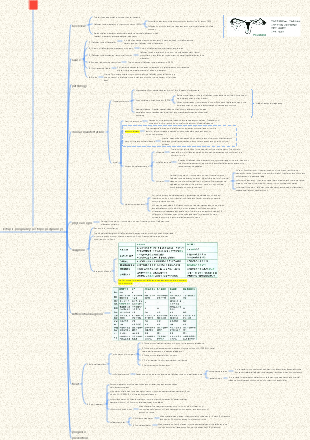
This is a mind map about endometriosis and adenomyosis, which introduces the concepts, pathogenesis, pathology, clinical manifestations, diagnosis, treatment and other related content.
Edited at 2024-11-04 17:37:42
- 곤충학
이것은 곤충학에 대한 마인드 맵으로, 곤충의 생태와 형태, 생식 및 발달, 곤충과 인간의 관계를 연구하는 과학입니다. 그것의 연구 대상은 곤충으로, 가장 다양하고 가장 많은 수의 동물이며 생물학적 세계에서 가장 널리 분포되어 있습니다.
- 자녀의 내부 동기 부여를 개발하는 방법 기업가를위한 실용 가이드
이것은 어린이의 내부 동기를 육성하는 방법에 대한 마인드 맵입니다. 기업가를위한 실용적인 가이드, 주요 내용 : 요약, 7. 정서적 연결에주의를 기울이고, 과도한 스트레스를 피하십시오.
- 자동화 된 프로젝트 관리 템플릿
이것은 자동화 프로젝트 관리 템플릿, 주요 내용에 대한 마인드 맵입니다. 메모, 시나리오 예제, 템플릿 사용 지침, 프로젝트 설정 검토 단계 (What-Why-How), 디자인 검토 단계 (What-Why-How), 수요 분석 단계 (What-Why-How)에 대한 마인드 맵입니다.
endometriosis, adenomyosis
- 곤충학
이것은 곤충학에 대한 마인드 맵으로, 곤충의 생태와 형태, 생식 및 발달, 곤충과 인간의 관계를 연구하는 과학입니다. 그것의 연구 대상은 곤충으로, 가장 다양하고 가장 많은 수의 동물이며 생물학적 세계에서 가장 널리 분포되어 있습니다.
- 자녀의 내부 동기 부여를 개발하는 방법 기업가를위한 실용 가이드
이것은 어린이의 내부 동기를 육성하는 방법에 대한 마인드 맵입니다. 기업가를위한 실용적인 가이드, 주요 내용 : 요약, 7. 정서적 연결에주의를 기울이고, 과도한 스트레스를 피하십시오.
- 자동화 된 프로젝트 관리 템플릿
이것은 자동화 프로젝트 관리 템플릿, 주요 내용에 대한 마인드 맵입니다. 메모, 시나리오 예제, 템플릿 사용 지침, 프로젝트 설정 검토 단계 (What-Why-How), 디자인 검토 단계 (What-Why-How), 수요 분석 단계 (What-Why-How)에 대한 마인드 맵입니다.
- Recommended to you
- Outline

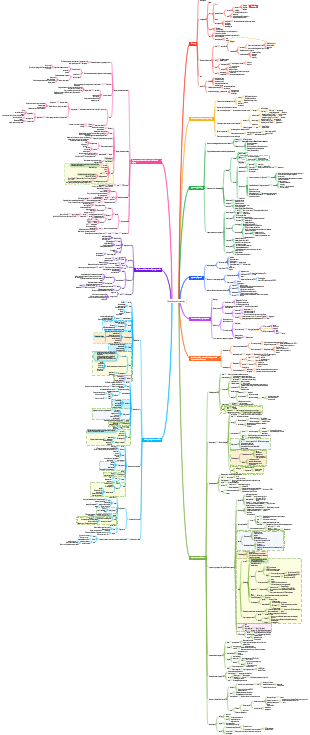

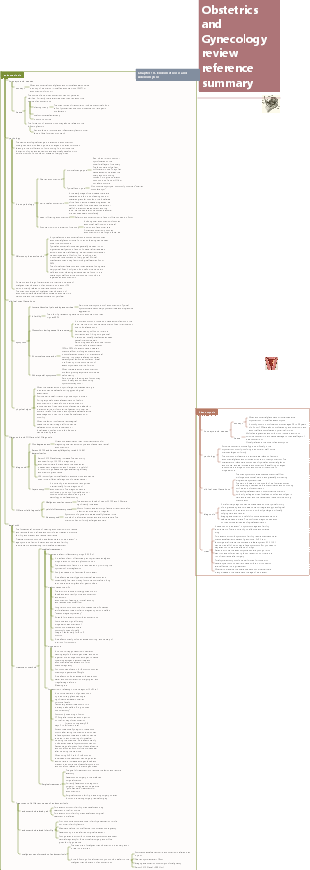
Endometriosis and adenomyosis
endometriosis
Endometriosis: Endometrial tissue (including glands and stroma) appears in other parts of the uterus, mostly in the pelvic organs and parietal peritoneum.
Features
Histologically benign However, there are "malignant" behaviors such as proliferation, infiltration, metastasis and recurrence, causing extensive adhesions. hormone dependent disease Ectopic endometrium can invade any part, with the ovaries and uterosacral ligaments being the most common, with diverse clinical manifestations.
etiology
Implantation theory: The propagation route of intimal tissue is countercurrent menstrual blood, lymphatic and venous dissemination, and iatrogenic implantation
The theory of body cavity metaplasia: ovarian surface epithelium and pelvic peritoneum are all differentiated from body cavity epithelium. These tissues can be activated and transformed into endometrium-like tissue under certain stimulating conditions. This has only been confirmed by animal experiments.
Induction theory: an extension of the theory of body cavity epithelial metaplasia. Undifferentiated peritoneal tissue can develop into endometrial tissue under the induction of endogenous factors. The implanted endometrium can release substances to induce undifferentiated mesenchyme to form endometrium. Ectopic tissue has been confirmed in animal experiments, but there is no evidence in humans
genetic factors Immune and inflammatory factors
pathology
Ectopic endometrium causes periodic bleeding due to hormonal changes Fibrous tissue proliferates and adhesions around the lesion, forming scars or cysts Eventually develop into purple-brown solid nodules or masses of varying sizes.
Microscopic pathology
Endometrial tissue (endometrial epithelium + glands + stroma), fibrous, red blood cells or hemosiderin, typical endometrial tissue can be destroyed
Common pelvic endometriosis classification
Ovarian endometriosis
The ovaries are most susceptible to invasion by ectopic endometrium
Types
①Minimal change type: early stage lesions, small lesions in the superficial cortex, typical lesion type
②Typical lesion type (cyst type): cystic lesions in the cortex, gray-blue cyst surface, brown viscous liquid formed by old blood in the cyst, ovarian chocolate cyst
peritoneal endometriosis
Distributed in the pelvic peritoneum and the surfaces of various organs, the most common ones are the uterosacral ligament, the recto-uterine recess, and the serosa of the lower posterior uterine wall.
Divided into two types
Apigmented type: early stage disease Pigmented type: typical purple-blue or black ectopic nodules
Deep infiltrating endometriosis (DIE)
Refers to endometriosis with lesion infiltration depth ≥5mm Involved parts include the low uterine ligament, rectuterine recess, vaginal vault, vaginal rectum, rectum or colon wall, etc. It can also invade the bladder wall and ureter.
Scar endometriosis: abdominal wall incision, perineal incision, etc. Distant endometriosis: lung, pleura, etc.
clinical manifestations
Lower abdominal pain and dysmenorrhea (main symptoms, manifested as dysmenorrhea, chronic pelvic pain, dyspareunia, acute abdominal pain)
Secondary dysmenorrhea, progressive aggravation, pain locations: lower abdomen, low waist and middle pelvic cavity (dysmenorrhea is not a necessary symptom for the diagnosis of endometriosis)
Dyspareunia
It is more common in patients with ectopic lesions in the recto-uterine recess, or in cases where the uterus is fixed in retroversion due to local adhesions. Pain caused by collision or uterine contraction during sexual intercourse Generally, it is deep sexual intercourse pain, which is most obvious before menstruation.
Infertility
Changes in the pelvic microenvironment affect sperm and egg binding and transport Abnormal immune function leads to an increase in anti-endometrial antibodies and damages endometrial function Abnormal ovarian function leads to ovulation disorders and poor formation of the corpus luteum Adhesions around the ovaries and fallopian tubes affect the transport of fertilized eggs.
Abnormal menstruation
Incidence rate: 15%~30% Increased menstrual flow, prolonged menstruation, incomplete menstruation, or premenstrual spotting . May be related to ovarian parenchymal lesions, anovulation, and insufficient luteal function . It may be related to the combination of adenomyosis and uterine fibroids. Other symptoms
physical signs
When the ovarian ectopic cyst is large, the mass adhering to the uterus can be palpated during gynecological examination, and the peritoneal irritation sign is positive when the cyst ruptures.
During a typical bimanual examination of pelvic endometriosis, it can be found that the uterus is fixed and retroverted, tender nodules can be palpable in the recto-uterine pit, uterosacral ligament or under the posterior wall of the uterus, and solid masses can be palpated in one or both appendages. , poor activity
When the lesion involves the rectovaginal space, the posterior vaginal fornix can be palpated with obvious tenderness, or local raised nodules or purple-blue spots can be directly seen.
diagnosis
.B-mode ultrasound, CT, MRI
CA125 (serum carbohydrate antigen 125) elevation and human epididymis protein 4 (HE4) determination (CA125 is not used as an independent diagnostic basis, but it is helpful in monitoring changes in the condition)
He4 is mostly at normal levels in endometriosis and can be used for differential diagnosis of ovarian cancer
Laparoscopy (confirming diagnosis)
Biopsy pathology examination is the basis for diagnosis. However, negative pathological examination results do not exclude the diagnosis of endometriosis.
treat
Fundamental purpose: reduce and remove lesions, relieve and control pain, treat and promote fertility, prevent and reduce recurrence Treatment method: Select according to the patient's age, symptoms, lesion location and scope, and fertility requirements, emphasizing individualized treatment.
drug treatment
The purpose of treatment is to suppress ovarian function and prevent the development of endometriosis It is suitable for patients with chronic pelvic pain, obvious symptoms of menstrual dysmenorrhea, fertility requirements and no ovarian cyst formation.
Nonsteroidal anti-inflammatory drugs (NSAIDs)
It is a class of anti-inflammatory, antipyretic and analgesic drugs that do not contain glucocorticoids.
Reduce pain by inhibiting prostaglandin synthesis
Usage: as needed, with an interval of no less than 6 hours
Side effects: gastrointestinal reactions, occasional liver and kidney dysfunction. Be wary of the possibility of gastric ulcers during long-term use
Oral contraceptive pills - false pregnancy therapy
Reduces pituitary gonadotropin levels and directly acts on the endometrium and ectopic endometrium, causing endometrial atrophy and reduced menstrual flow.
Long-term continuous use of contraceptive pills causes artificial amenorrhea similar to pregnancy, which is called pseudopregnancy therapy
Suitable for patients with mild endometriosis
Side effects: nausea, vomiting, thrombosis. Low-dose high-efficiency progesterone and fast estradiol compound preparations are commonly used. The dosage is 1 tablet per day for 6 to 9 months.
Progesterone (preferred for long-term management)
Inhibits pituitary gonadotropin secretion, causing acyclic hypoestrogen state, and works with endogenous estrogen to cause hyperprogestogenic amenorrhea and endometrial decidualization.
Medroxyprogesterone 30mg/d, continuous application for 6 months
Side effects: nausea, mild depression, sodium and water retention, weight gain, irregular vaginal bleeding
mifepristone
Progesterone receptor level antagonist with strong antiprogesterone effect Taking 25~100mg orally daily will cause amenorrhea and shrinkage of the lesions, with mild side effects, no estrogen-like effects, and no risk of bone loss. The long-term efficacy needs to be confirmed.
androgen derivatives
gestrinone
19-Nortestosterone steroids, anti-progesterone, moderate anti-estrogen and anti-gonadal effects, increase free testosterone content, reduce SHBG levels, inhibit FSH and LH peaks, reduce LH mean, reduce estrogen levels in the body, Ectopic endometrial atrophy
2.5mg each time, taken orally twice a week. Start taking the medicine on the first day of menstruation. A course of treatment is 6 months. The side effects are low, the impact on liver function is small and reversible.
Danazol (pseudomenopausal therapy, use sparingly)
Synthetic 17a-ethyltestosterone derivative
Inhibits FSH and LH peaks, inhibits ovarian steroid hormone production and increases estrogen and progesterone metabolism, and directly binds to endometrium estrogen and progesterone receptors to inhibit Endometrial cell proliferation, eventually leading to endometrial atrophy and amenorrhea Because FSH and LH are at low levels, it is also called pseudomenopausal therapy.
Suitable for patients with mild to moderate endometriosis and obvious dysmenorrhea
Drugs are mainly metabolized in the liver and should not be used if liver function is impaired. Suitable for hypertension, heart failure, renal insufficiency
usage
Start taking 200 mg orally on the first day of menstruation, 2 to 3 times a day, and continue taking the medication for 6 months If the dysmenorrhea does not relieve or amenorrhea does not occur, it can be increased to 4 times a day. About 90% of symptoms disappear after the course of treatment
Side effects: nausea, headache, hot flashes, breast reduction, weight gain, loss of sexual desire, hirsutism, acne, increased sebum, myalgia and cramps, etc. Side effects are generally tolerated
Gonadotropin-releasing hormone agonist (GnRH-a)
Suppresses the secretion of gonadotropin by the pituitary gland, leading to a significant decrease in ovarian hormone levels and temporary amenorrhea, also known as "drug-induced oophorectomy"
Lupron 3.75 mg or goserelin 3.6 mg, injected subcutaneously on the first day of menstruation, once every 28 days, a total of 3 to 6 times
Amenorrhea usually begins in the second month after taking the medicine, which can relieve dysmenorrhea. After stopping the medicine, ovulation can be resumed in a short period of time.
Side effects: menopausal symptoms such as hot flashes, vaginal dryness, loss of libido, and bone loss.
Reverse additive therapy: increase estrogen levels and prevent vascular symptoms and bone loss associated with low estrogen status
surgical treatment
Purpose of treatment: resection of lesions and restoration of anatomy It is suitable for patients whose symptoms are not relieved after drug treatment, local lesions are aggravated or their reproductive function has not been restored, and those who have large ovarian endometriosis cysts Preferred surgical method: Laparoscopy Methods: Fertility-preserving surgery, ovarian function-preserving surgery, radical surgery
fertility preserving surgery
Preserve the uterus and part of the ovarian tissue, remove or destroy all visible ectopic endometrium lesions, separate adhesions, and restore normal anatomical structures
Suitable for patients who are ineffective in drug treatment, young and those who want to have children
Ovarian function-preserving surgery
Remove the pelvic lesions and uterus, retaining part of the ovaries Suitable for stage III and IV patients, patients under 45 years old with obvious symptoms and no desire to have children
radical surgery
Resection and removal of all ectopic endometrium lesions in the uterus, appendages and pelvic cavity, suitable for critically ill patients over 45 years old
Special case handling
endometriosis related infertility
Comprehensive infertility examination to rule out other infertility factors Medication alone is not effective in spontaneous pregnancy Laparoscopic surgery is the preferred treatment Young, mild to moderate patients can expect to have a natural pregnancy for 6 months after surgery. Those with high-risk factors should actively undergo assisted reproductive technology to help them conceive.
malignant transformation of endometriosis
The main site of malignant transformation is the ovary, and it is rare in other sites.
In the following clinical situations, you should be alert to the malignant transformation of endometriosis
Postmenopausal patients with endometriosis, altered pain rhythm Ovarian cyst diameter >10cm Imaging examination shows signs of malignancy Serum CA125 level >200U/ml
Treatment should follow the treatment principles of ovarian cancer, and the prognosis is generally better than that of ovarian cancer without endometriosis.
prevention
Prevent reflux of menstrual blood
Timely detection and treatment of diseases that cause menstrual blood retention: congenital reproductive tract malformations, atresia, stenosis, secondary cervical adhesions, vaginal stenosis, etc.
Medical contraception
Oral contraceptives can inhibit ovulation, promote endometrial atrophy, and reduce the risk of endometriosis. It is an option for those with a high family history and who are prone to pregnancy with devices.
Prevent iatrogenic endometriosis implantation
Strictly grasp the indications for uterine surgery, standardize the operation, and avoid fallopian tube patency test, cervical and vaginal surgery before menstruation
Adenomyosis
Adenomyosis: When endometrial glands and stroma invade the myometrium, it is called adenomyosis It mostly occurs in multiparous women aged 30 to 50 years old, and is often complicated by endometriosis and uterine fibroids.
Pathogenesis
The basal endometrium invades the myometrium and grows, causing
Damage to the basal layer of the endometrium caused by multiple pregnancies and childbirths, induced abortions, chronic endometritis, etc.
two pathogenic factors
The basal layer of the endometrium lacks the submucosa. The endometrium is in direct contact with the myometrium and lacks the protective effect of the submucosa, making it easy for the endometrium to invade the myometrium due to anatomical structure.
Stimulation of high levels of estrogen and progesterone promotes intimal growth toward the muscular layer
pathology
Ectopic endometrium usually grows diffusely in the myometrium, mostly involving the posterior wall, so the uterus enlarges uniformly.
Microscopic features: There are island-like distribution of ectopic endometrial glands and stroma in the muscle layer.
clinical manifestations
Heavy menstruation, prolonged menstruation, progressive dysmenorrhea that gradually worsens, and infertility
The pain is located in the middle of the lower abdomen, often starting one week before menstruation and ending with menstruation.
Gynecological examination: The uterus is uniformly enlarged or has localized nodular bulges, which are hard and tender, and the tenderness is even worse during menstruation.
diagnosis
initial clinical diagnosis History of progressive dysmenorrhea and menorrhagia Gynecological examination: The uterus is uniformly enlarged or locally bulged, hard and tender. Imaging examination: B-mode ultrasound and MRI are helpful to some extent and can be selected as appropriate. Confirmation: Postoperative histopathological examination
treat
Individualized treatment: symptoms, age, whether there is a desire to have children
Drug treatment: There is no effective drug that can cure the disease
Drugs to relieve symptoms: For patients with mild symptoms, fertility requirements, and near-menopausal patients, danazol, gestrinone, GnRH-a, and levanorgestrel intrauterine sustained-release system (LNG-IUS) can be tried
surgical treatment
For those with severe symptoms, no desire for fertility, or those who are ineffective in drug treatment, total hysterectomy should be performed. Whether to retain the ovaries depends on whether there are any lesions in the ovaries and the age of the patient.
For patients with uterine adenomyoma who are young or who want to have children, resection of the uterine fibroids is feasible, but there is a risk of recurrence after surgery.