MindMap Gallery Histology and Embryology Epithelial Tissue
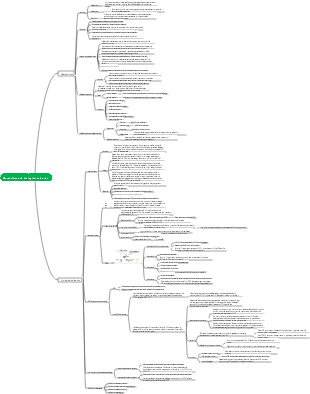
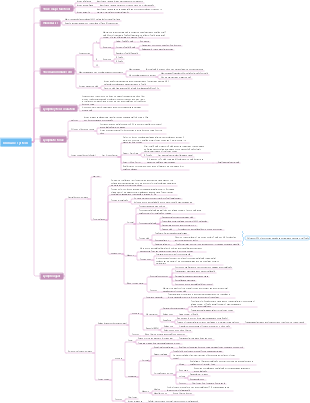
This mind map focuses on epithelial tissue and covers aspects such as definition, distribution, classification by function, specialized structure and function of epithelial cells, as well as renewal and regeneration. The definition clearly defines the concept of epithelial tissue; the functional classification of epithelial tissue is divided according to functional classification; the specialized structure and function of epithelial cells explain the functions of the special structure of the cell.
Edited at 2025-03-09 23:28:37Rumi: 10 dimensions of spiritual awakening. When you stop looking for yourself, you will find the entire universe because what you are looking for is also looking for you. Anything you do persevere every day can open a door to the depths of your spirit. In silence, I slipped into the secret realm, and I enjoyed everything to observe the magic around me, and didn't make any noise. Why do you like to crawl when you are born with wings? The soul has its own ears and can hear things that the mind cannot understand. Seek inward for the answer to everything, everything in the universe is in you. Lovers do not end up meeting somewhere, and there is no parting in this world. A wound is where light enters your heart.
Chronic heart failure is not just a problem of the speed of heart rate! It is caused by the decrease in myocardial contraction and diastolic function, which leads to insufficient cardiac output, which in turn causes congestion in the pulmonary circulation and congestion in the systemic circulation. From causes, inducement to compensation mechanisms, the pathophysiological processes of heart failure are complex and diverse. By controlling edema, reducing the heart's front and afterload, improving cardiac comfort function, and preventing and treating basic causes, we can effectively respond to this challenge. Only by understanding the mechanisms and clinical manifestations of heart failure and mastering prevention and treatment strategies can we better protect heart health.
Ischemia-reperfusion injury is a phenomenon that cellular function and metabolic disorders and structural damage will worsen after organs or tissues restore blood supply. Its main mechanisms include increased free radical generation, calcium overload, and the role of microvascular and leukocytes. The heart and brain are common damaged organs, manifested as changes in myocardial metabolism and ultrastructural changes, decreased cardiac function, etc. Prevention and control measures include removing free radicals, reducing calcium overload, improving metabolism and controlling reperfusion conditions, such as low sodium, low temperature, low pressure, etc. Understanding these mechanisms can help develop effective treatment options and alleviate ischemic injury.
Rumi: 10 dimensions of spiritual awakening. When you stop looking for yourself, you will find the entire universe because what you are looking for is also looking for you. Anything you do persevere every day can open a door to the depths of your spirit. In silence, I slipped into the secret realm, and I enjoyed everything to observe the magic around me, and didn't make any noise. Why do you like to crawl when you are born with wings? The soul has its own ears and can hear things that the mind cannot understand. Seek inward for the answer to everything, everything in the universe is in you. Lovers do not end up meeting somewhere, and there is no parting in this world. A wound is where light enters your heart.
Chronic heart failure is not just a problem of the speed of heart rate! It is caused by the decrease in myocardial contraction and diastolic function, which leads to insufficient cardiac output, which in turn causes congestion in the pulmonary circulation and congestion in the systemic circulation. From causes, inducement to compensation mechanisms, the pathophysiological processes of heart failure are complex and diverse. By controlling edema, reducing the heart's front and afterload, improving cardiac comfort function, and preventing and treating basic causes, we can effectively respond to this challenge. Only by understanding the mechanisms and clinical manifestations of heart failure and mastering prevention and treatment strategies can we better protect heart health.
Ischemia-reperfusion injury is a phenomenon that cellular function and metabolic disorders and structural damage will worsen after organs or tissues restore blood supply. Its main mechanisms include increased free radical generation, calcium overload, and the role of microvascular and leukocytes. The heart and brain are common damaged organs, manifested as changes in myocardial metabolism and ultrastructural changes, decreased cardiac function, etc. Prevention and control measures include removing free radicals, reducing calcium overload, improving metabolism and controlling reperfusion conditions, such as low sodium, low temperature, low pressure, etc. Understanding these mechanisms can help develop effective treatment options and alleviate ischemic injury.
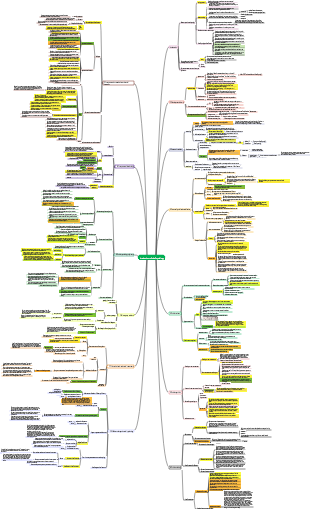
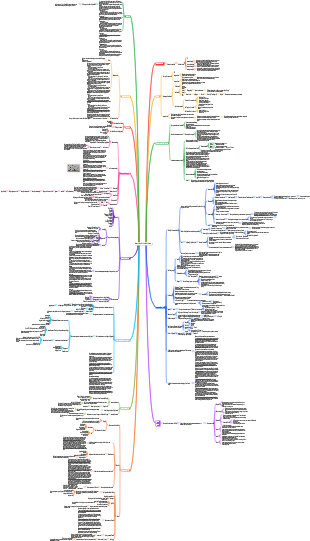
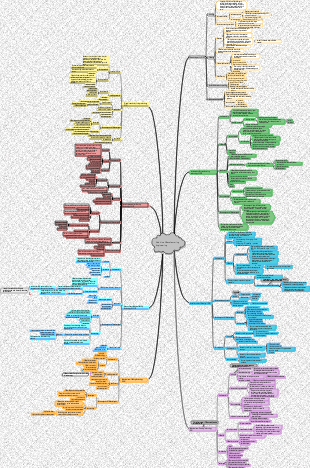
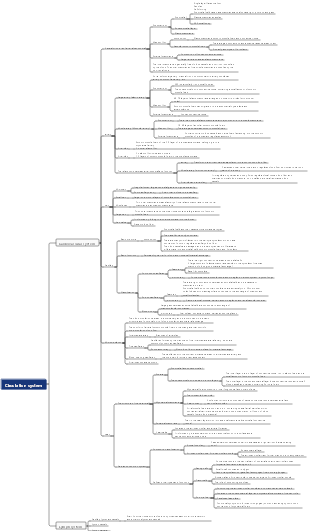
Epithelial tissue
definition
It consists of a large number of regular morphological, tightly arranged epithelial cells and a very small number of extracellular matrix
Features
Many cells, tight arrangements, few extracellular matrix
polarity
Divided into base surface and free surface
Absent blood vessels, lymphatic vessels, and rich nerve endings
Base film
Classified by function
Covered skin
Cover the body surface and the cavity surface of the tube, cavity and capsule
It has protection, absorption, secretion and excretion functions
Single layer of epithelium
Single-layer flat epithelium (monolayer squamous epithelium)
Consisting of a layer of flat cells
Surface view
cell
Polygons with jagged edges and meshed each other
Cell nucleus
Fan circular in the center of the cell
Side view
The cytoplasm is very thin and the nucleus is slightly thick
Classification
Endothelial
Lined to the lumen of cardiovascular and lymphatic vessels
It is conducive to the flow of blood and lymph and the exchange of substances in endothelial cells
Intersperm
Distributed on the pleura, pericardium and peritoneal surfaces
Reduce friction in organ activities
other
Alveolar and renal sac walls
Single layer cubic leach
Consisting of a layer of cubic epithelium
Surface view
Cells are hexagonal or polygonal
Side view
The cells are roughly square and the nucleus is centered
Distribution: in thyroid follicles (secreting hormones), renal tubules, etc.
Function: Secretion and absorption
Single-layer columnar epithelium
Consisting of a layer of prism-like cells
Surface view
Cells are hexagonal or polygonal
Side view
Cell columnar, nuclear ellipse near the basal
Distribution: gastrointestinal, gallbladder, uterus and other organs
There are scattered goblet cells between the small intestine and the large intestine. They are single-cell exocrine cells. The secreted mucin combines with water to form mucus.
Function: Secretion or absorption
Pseudo-layered cilia columnar epithelium
Consisting of prismatic, conical, cylindrical and goblet cells
The most columnar cells, there are a large number of cilia on the surface, and there are more intraepithelial goblet cells
Features: Epithelial cells have different morphology and height, but the substrate is attached to the basement membrane
Side view
It looks like a layer, but it is actually a single layer
Distribution: Respiratory tract mucosa
Function: protection and secretion
Compound epithelium
Complex flat epithelium (complex scale epithelium)
Consisting of multiple layers of cells
Side view
The layer close to the base membrane is dwarf columnar cells
Stem cells with dividing and reproductive ability
The intermediate layers are from deep to shallow to polygonal and prismatic cells
The surface layer is several layers of flat squamous cells (multi-squamous epithelium)
Keratosis complex flat epithelium
Distribution: Skin surface
Unkeratinized complex flat epithelium
Distribution: Oral, esophageal and vaginal mucosa
Function: It has strong mechanical protection
Transfer epithelium
Consisting of multiple layers of cells
Features
Cell shape and number of layers can vary with the size of the organ volume
For example: When the bladder is empty, the epithelium becomes thicker, the cell layer becomes more numerous, and the cell volume becomes larger When the bladder is full and expands, the epithelium becomes thinner, the cell layer decreases, and the cell shape becomes flattened
Side view
Fine surface
Cover cells, covering several intermediate cells
Intermediate cell
Basal cells
Main distribution
Renal pelvis, ureter and bladder
Function: The metamorphic epithelium has the effect of preventing urine erosion
Glandular epithelium and glands
Genterology: epithelium that mainly uses secretory function
Glands: Organs mainly composed of gland epithelium
Exocrine glands
Exocrine gland secretions are excreted through ducts to the body surface or the cavity surface of the organ
Endocrine glands
The endocrine glands have no ducts, and there are abundant capillaries around the gland cells, and their secretions (called hormones) are directly released into the blood.
Secretion
Acanveolar
In bubble-like or bubble-like
Acinar cavity is surrounded by monolayer gland cells
Glandular cells
Serous gonadal cells
Cell nucleus
Nuclear circle, located at the base
Cytoplasm
There are eosinophilic secretion particles (zymogen granules) in the top cytoplasm
There are abundant crude endoplasmic reticulum and ribosomes in the base cytoplasm
Function
Secreting proteins
Mucinous gonad cells
Cell nucleus
Nuclear flattened, located at the base of the cell
Cytoplasm
Light color, contains a large amount of sticky particles
Serrous acinus
Mucous acinus
The secretions are relatively viscous, mainly mucus
Mixed Acanine
It consists of serous and mucous cells
Half a month
A small amount of serous cells in mixed acinars are located at the bottom of the acinars and have a half-moon structure in the sections.
Specialized structure and function of epithelial cells
Free surface
Micro fluffy
Small finger-like protrusions extending from the free surface of epithelial cells
Under the light microscope, small intestinal epithelial cells have striatal edges formed by dense microvilli arranged neatly
Renal tubular brushed edge
The cytoplasm contains microfilaments and is attached to the terminal net
Expand cell area
cilia
Longer protrusions extending from the free surface of epithelial cells
Under the electron microscope, it can be seen that there are two separate microtubules in the center, and there are 9 groups of two-linked microtubules around it.
Directional swing
side
Tight connection (closed connection)
Located on top of the cell Intermittent fusion on the side of adjacent cells
Observation on the recombination method of freeze-etching
Linking and closing effects
Adhesive small belt (middle connection)
Closely below the connection, the adjacent cell gap is filled with filaments, and the cytoplasmic surface of the plasma membrane is accompanied by dense and thin filaments
Adhesive, maintains cell shape and transmits cell contraction
Desmosomal (focal adhesion)
The deep part of the middle connection
There is a dense middle line parallel to the cell membrane in the center of the gap, and there are also filaments with low electron density in the gap, and the cytoplasm contains desmosome spots.
Very strong connection, developed in the skin, esophagus and other
Gap connection (communication connection)
There are linkers consisting of six rod-shaped conjunctimins
Exchange and transfer of information between cells
Connecting complex
When there are two or more connections in the above connection, it is called a connection complex.
Base surface
Base film
The thin film formed by the basal surface of epithelial cells and connective tissue
Substrate
The part close to the epithelial tissue
Transparent board
Dense plate
Capillary endothelium, myocytes and certain glial cells, the basement membrane contains only substrates
Screen board
The part close to connective tissue
Connection and support is a semi-permeable membrane
Inner pleat of plasma membrane
The plasma membrane on the basal surface of epithelial cells is concave toward the cell and mitochondria arranged longitudinally around the cell.
Expand the area of the basal surface of the cell
Mainly located in the renal tubules
Halfbridge
The structure of half of desmosome
Strengthen the connection between epithelium and basement membrane
Update and regeneration
Physiological regeneration
The process in which epithelial cells continue to age, die and shed and are constantly supplemented by the proliferation of stem cells in the epithelium
Pathological regeneration
When the epithelium is damaged due to pathological causes such as inflammation or trauma, the surrounding or undamaged epithelial cells replenish and migrate to the surface