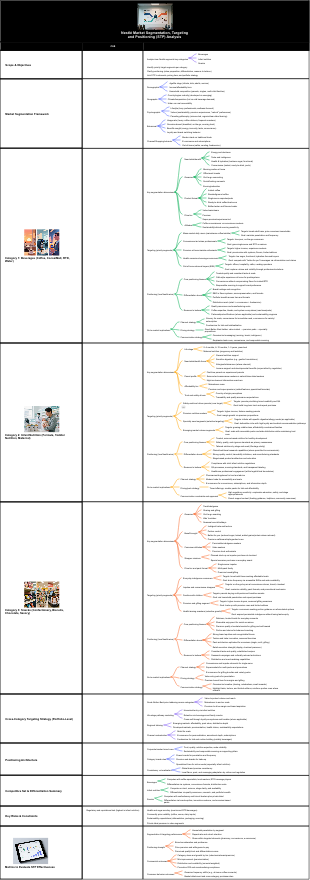
MindMap Gallery Nissan Market Segmentation, Targeting and Positioning Analysis
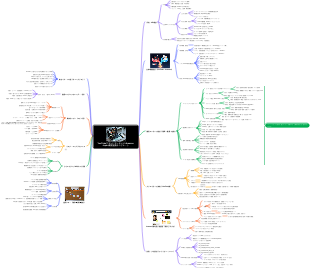
This analysis explores Nissan’s strategic approach to Market Segmentation, Targeting, and Positioning (STP), identifying key customer groups across sedans, SUVs/crossovers, commercial vehicles, and electric vehicles (EVs). Segmentation bases include demographics (age, income, household composition); geography (mature markets vs. emerging regions); psychographics (lifestyle preferences, environmental consciousness); behavior (purchase patterns, technology adoption); and needs (affordability, safety, space, sustainability). Sedan segments include value-conscious commuters seeking affordability and fuel efficiency; mainstream professionals prioritizing design, technology, and reliability; and fleet buyers focused on total cost of ownership. SUV/crossover segments encompass urban dwellers favoring compact crossovers with style and efficiency; families requiring spacious interiors, safety, and versatility; and adventure seekers valuing capability and performance. Commercial vehicle segments target small businesses, logistics operators, and fleet managers, emphasizing durability, payload capacity, and operational efficiency. EV segments include early adopters prioritizing cutting-edge technology and sustainability; eco-conscious mainstream buyers seeking accessible electric mobility; and fleet operators transitioning for cost savings and regulatory compliance. Targeting priorities focus on segments with strong growth potential, including EVs, families, and urban consumers. Positioning emphasizes innovation, reliability, and value. Key considerations—market size, profitability, competitive intensity, and regulatory impacts—ensure Nissan aligns its offerings with customer needs and market dynamics.
Edited at 2026-03-25 15:18:23Diese Vorlage ist ein umfassendes Managementtool für die systematische Planung und Umsetzung von Projektrisikomanagement, entwickelt für Projektmanager, Risikomanager und PMO. Sie kombiniert eine Risiko-Heatmap zur visuellen Klassifizierung von Risiken nach Wahrscheinlichkeit und Impact, mit klar definierten Risikostufen von Low bis Kritisch, sowie die vier zentralen Risikobehandlungsstrategien Avoid, Transfer, Mitigate und Accept, um eine strukturierte Risikobewertung und -steuerung zu gewährleisten. Ergänzt werden die Module durch Felder zur Festlegung von Version, Projekt/Paket und Zeitraum, um die kontinuierliche Überwachung und Anpassung der Risikostrategie zu ermöglichen. Die Vorlage standardisiert das Projektrisikomanagement, minimiert Projekt-Risiken durch unzureichende Risikosteuerung und unterstützt eine nachhaltige Projektstabilität, wobei sie flexibel anpassbar für Projekte jeder Größe und Branchen ist.

Diese Vorlage ist ein umfassendes Managementtool für die systematische Kontrolle und Analyse von Projektumfang, entwickelt für Projektmanager, PMO und Scope Manager. Sie gliedert das gesamte Umfangsmanagement in zwei zentrale Module, beginnend mit WBS Umfangsabschlüsselung zur hierarchischen Strukturierung des Projektumfangs in Lieferbare und zugehörige Arbeitspakete, um eine transparente und nachvollziehbare Projektstruktur zu schaffen, gefolgt von Geltungsbereichsgrenze / Ausschlüsse zur Definition von im Geltungsbereich befindlichen und ausgeschlossenen Inhalten, Annahmen, Einschränkungen sowie Schnittstellen und Abhängigkeiten, um Scope Creep und unkontrollierte Projektveränderungen zu verhindern. Ergänzt werden die Module durch Felder zur Festlegung von Version, Projekt und Ausgangsdatum, um die kontinuierliche Überwachung und Anpassung des Projektumfangs zu gewährleisten. Die Vorlage standardisiert das Umfangsmanagement, maximiert die Projekttransparenz und minimiert Risiken durch unzureichende Umfangssteuerung, wobei sie flexibel anpassbar für Projekte jeder Größe und Branchen ist.
Diese Vorlage ist ein umfassendes Managementtool für die systematische Planung und Umsetzung von Beschaffungs- und Vertragsmanagement in Projekten, entwickelt für Einkaufsmanager, Projektmanager und Vertragsmanager. Sie gliedert das gesamte Beschaffungsmanagement in zwei zentrale Module, beginnend mit End-to-End Phasenfluss zur strukturierten Abbildung des gesamten Beschaffungsprozesses von Lieferanten Sourcing über Präqualifizierung, Verhandlungen, Vertragsausarbeitung, Änderungskontrolle bis hin zu Akzeptanz und Closeout, um eine transparente und nachvollziehbare Beschaffungsabwicklung zu gewährleisten, gefolgt von Risiko- und Compliance-Checkpoints zur Festlegung von zentralen Prüfpunkten wie genehmigte Lieferantenliste, Kapazitätsprüfung, Umfangsklärungstor, Genehmigung von Variationsbestellung und Schließung der Punch List, um Beschaffungsrisiken und Compliance-Verstöße zu minimieren. Ergänzt werden die Module durch Felder zur Festlegung von Version, Paket/Umfang und Zeitraum, um die kontinuierliche Überwachung und Optimierung der Beschaffungsstrategie zu ermöglichen. Die Vorlage standardisiert das Beschaffungs- und Vertragsmanagement, maximiert die Lieferantenzusammenarbeit und minimiert Beschaffungsrisiken, wobei sie flexibel anpassbar für Unternehmen jeder Größe und Branchen ist.
Diese Vorlage ist ein umfassendes Managementtool für die systematische Planung und Umsetzung von Projektrisikomanagement, entwickelt für Projektmanager, Risikomanager und PMO. Sie kombiniert eine Risiko-Heatmap zur visuellen Klassifizierung von Risiken nach Wahrscheinlichkeit und Impact, mit klar definierten Risikostufen von Low bis Kritisch, sowie die vier zentralen Risikobehandlungsstrategien Avoid, Transfer, Mitigate und Accept, um eine strukturierte Risikobewertung und -steuerung zu gewährleisten. Ergänzt werden die Module durch Felder zur Festlegung von Version, Projekt/Paket und Zeitraum, um die kontinuierliche Überwachung und Anpassung der Risikostrategie zu ermöglichen. Die Vorlage standardisiert das Projektrisikomanagement, minimiert Projekt-Risiken durch unzureichende Risikosteuerung und unterstützt eine nachhaltige Projektstabilität, wobei sie flexibel anpassbar für Projekte jeder Größe und Branchen ist.
Diese Vorlage ist ein umfassendes Managementtool für die systematische Kontrolle und Analyse von Projektumfang, entwickelt für Projektmanager, PMO und Scope Manager. Sie gliedert das gesamte Umfangsmanagement in zwei zentrale Module, beginnend mit WBS Umfangsabschlüsselung zur hierarchischen Strukturierung des Projektumfangs in Lieferbare und zugehörige Arbeitspakete, um eine transparente und nachvollziehbare Projektstruktur zu schaffen, gefolgt von Geltungsbereichsgrenze / Ausschlüsse zur Definition von im Geltungsbereich befindlichen und ausgeschlossenen Inhalten, Annahmen, Einschränkungen sowie Schnittstellen und Abhängigkeiten, um Scope Creep und unkontrollierte Projektveränderungen zu verhindern. Ergänzt werden die Module durch Felder zur Festlegung von Version, Projekt und Ausgangsdatum, um die kontinuierliche Überwachung und Anpassung des Projektumfangs zu gewährleisten. Die Vorlage standardisiert das Umfangsmanagement, maximiert die Projekttransparenz und minimiert Risiken durch unzureichende Umfangssteuerung, wobei sie flexibel anpassbar für Projekte jeder Größe und Branchen ist.
Diese Vorlage ist ein umfassendes Managementtool für die systematische Planung und Umsetzung von Beschaffungs- und Vertragsmanagement in Projekten, entwickelt für Einkaufsmanager, Projektmanager und Vertragsmanager. Sie gliedert das gesamte Beschaffungsmanagement in zwei zentrale Module, beginnend mit End-to-End Phasenfluss zur strukturierten Abbildung des gesamten Beschaffungsprozesses von Lieferanten Sourcing über Präqualifizierung, Verhandlungen, Vertragsausarbeitung, Änderungskontrolle bis hin zu Akzeptanz und Closeout, um eine transparente und nachvollziehbare Beschaffungsabwicklung zu gewährleisten, gefolgt von Risiko- und Compliance-Checkpoints zur Festlegung von zentralen Prüfpunkten wie genehmigte Lieferantenliste, Kapazitätsprüfung, Umfangsklärungstor, Genehmigung von Variationsbestellung und Schließung der Punch List, um Beschaffungsrisiken und Compliance-Verstöße zu minimieren. Ergänzt werden die Module durch Felder zur Festlegung von Version, Paket/Umfang und Zeitraum, um die kontinuierliche Überwachung und Optimierung der Beschaffungsstrategie zu ermöglichen. Die Vorlage standardisiert das Beschaffungs- und Vertragsmanagement, maximiert die Lieferantenzusammenarbeit und minimiert Beschaffungsrisiken, wobei sie flexibel anpassbar für Unternehmen jeder Größe und Branchen ist.
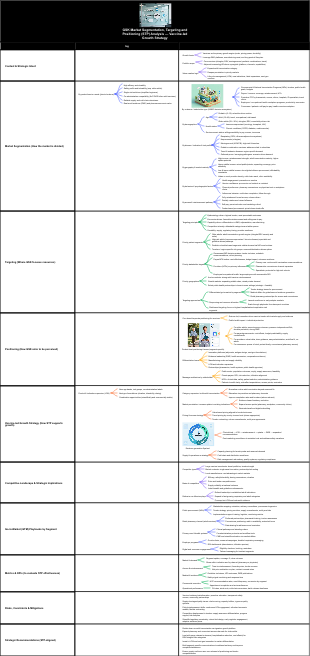
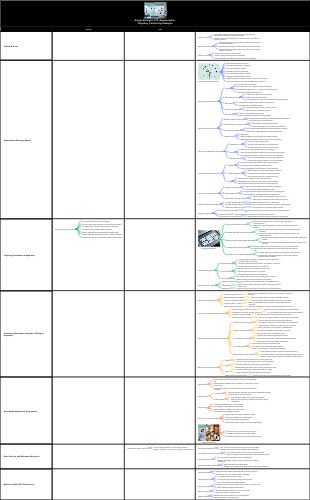
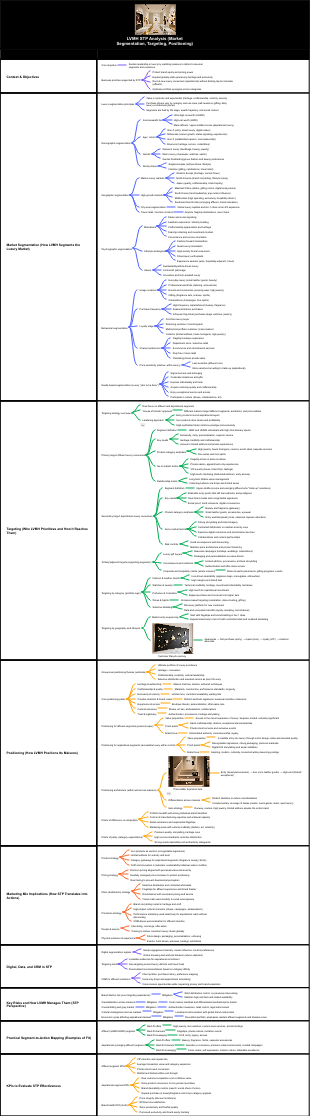
Nissan Market Segmentation, Targeting and Positioning (STP) Analysis
Overview & Objectives
Purpose of STP analysis
Identify key customer groups across major vehicle categories
Select priority segments for growth and profitability
Define competitive positioning and differentiation
Scope
Sedans
SUVs/Crossovers
Commercial vehicles
Electric vehicles (EVs)
Key evaluation criteria
Market size and growth
Profitability and lifetime value
Competitive intensity
Brand fit and capability fit (technology, manufacturing, dealer network)
Regulatory and policy impacts (emissions, incentives, safety)
Market Segmentation (How Nissan Segments the Market)
Segmentation bases
Demographic
Age cohorts (first-time buyers, families, retirees)
Income bands (value, mid, premium)
Household composition (single, couples, families)
Geographic
Urban vs suburban vs rural
Climate and terrain (snow, heat, off-road)
Region-specific regulations (emissions zones, EV mandates)
Psychographic
Practicality/value seekers
Tech-forward adopters
Eco-conscious consumers
Performance/enthusiast preferences
Lifestyle orientation (outdoor, city convenience)
Behavioral
Usage rate (daily commuters, long-distance travelers)
Benefit sought (fuel economy, space, safety, towing)
Loyalty and switching drivers
Purchase channel preference (digital-first vs dealer-centric)
Needs-based
Total cost of ownership sensitivity
Reliability and maintenance expectations
Charging access readiness (home charging vs public reliance)
Cargo/passenger capacity requirements
Nissan segments by who the buyer is, where they live, what they value, how they use vehicles, and which practical needs dominate the purchase.
Segment Analysis by Vehicle Category
Sedans
Core segments
Value-conscious commuters
Priorities: affordability, fuel economy, low maintenance
Typical traits: price-sensitive, predictable driving patterns
Urban/suburban professionals
Priorities: comfort, connectivity, design, efficiency
Typical traits: mid-income, tech expectations
Fleet and rental buyers
Priorities: acquisition cost, durability, serviceability, resale
Typical traits: bulk purchasing, standardized specs
Safety-focused families (compact/midsize sedan)
Priorities: safety tech, rear-seat comfort, reliability
Typical traits: practical decision-making, low risk tolerance
Key needs and decision factors
Price and financing terms
Fuel efficiency and running costs
Safety ratings and driver-assist features
Infotainment and smartphone integration
Warranty and dealer service convenience
Competitive set (typical)
Mainstream compact/midsize sedans from mass-market brands
Hybrid options as substitutes for fuel-economy seekers
SUVs/Crossovers
Core segments
Family utility seekers (2-row/3-row)
Priorities: space, safety, flexibility, convenience features
Typical traits: child-friendly needs, weekend travel
Lifestyle/adventure buyers
Priorities: AWD capability, cargo, roof racks, rugged styling
Typical traits: outdoor activities, road trips
Urban crossover buyers
Priorities: higher seating, easy parking aids, connectivity
Typical traits: city/suburb mix, design-led choices
Premium-leaning mainstream buyers
Priorities: refined interiors, quiet ride, advanced tech
Typical traits: willing to pay for perceived quality
Key needs and decision factors
Space vs footprint trade-off
AWD availability and capability perception
Safety suites and driver-assistance
Interior quality, quietness, ride comfort
Fuel economy vs performance balance
Competitive set (typical)
High-volume crossovers from mainstream competitors
Entry-level premium crossovers as “stretch” alternatives
Commercial Vehicles
Core segments
Small business owners (trades/services)
Priorities: reliability, payload, upfit compatibility, downtime minimization
Typical traits: owner-operator, ROI-driven
Urban last-mile delivery
Priorities: maneuverability, efficiency, telematics, low operating cost
Typical traits: route density, high utilization
Fleet operators (corporate/municipal)
Priorities: total cost of ownership, standardized maintenance, safety compliance
Typical traits: procurement-driven, policy constraints
Specialty applications
Priorities: customization, durability, specific body configurations
Typical traits: niche requirements, long replacement cycles
Key needs and decision factors
Total cost of ownership (fuel/energy, maintenance, depreciation)
Payload, towing, cargo volume
Service network and parts availability
Telematics and fleet management integration
Safety, compliance, and uptime guarantees
Competitive set (typical)
Established commercial van and light truck competitors
Emerging electric commercial offerings for urban delivery
Electric Vehicles (EVs)
Core segments
Early adopters/tech enthusiasts
Priorities: cutting-edge features, performance, novelty
Typical traits: high engagement, influence on others
Eco-conscious mainstream buyers
Priorities: emissions reduction, efficiency, brand responsibility
Typical traits: values-driven, incentive-aware
Cost-of-ownership optimizers
Priorities: lower running costs, incentives, maintenance savings
Typical traits: analytical, compares TCO calculators
Urban drivers with charging access
Priorities: compact practicality, charging convenience, city usability
Typical traits: home/work charging readiness
Fleet electrification buyers
Priorities: predictable routes, depot charging, compliance targets
Typical traits: corporate mandates, reporting requirements
Key needs and decision factors
Range suitability for real-world use
Charging ecosystem compatibility and convenience
Battery warranty, degradation confidence, resale value
Incentives, tax credits, and policy benefits
Software, connectivity, and driver-assist capabilities
Competitive set (typical)
Mass-market EV crossovers and hatchbacks
Strong EV-native brand alternatives
Hybrid/PHEV as transitional substitutes
Targeting (Which Segments Nissan Prioritizes)
Targeting approach
Multi-segment strategy across categories
Volume + profitability balance
Regional tailoring (markets with stronger SUV/EV demand)
Priority targets by category
Sedans
Value-conscious commuters seeking dependable transportation
Fleet/rental channels where applicable
Practical small families prioritizing safety and cost
SUVs/Crossovers
Core family utility segment (highest volume potential)
Urban crossover buyers wanting comfort and tech
Lifestyle buyers needing AWD/utility at mainstream pricing
Commercial vehicles
Small businesses needing dependable, serviceable work vehicles
Fleets optimizing uptime and TCO with scalable procurement
EVs
Eco-conscious mainstream consumers transitioning from ICE
TCO-focused buyers influenced by incentives and fuel savings
Urban buyers with reliable charging access
Select fleet electrification accounts (route-fit use cases)
Target selection rationale
Demand trends favoring SUVs and electrification
Fleet and commercial provide stable volume opportunities
Brand and capability alignment with mainstream value + technology
Positioning (How Nissan Competes in Each Category)
Brand-level positioning themes
Attainable innovation (advanced features at mainstream prices)
Practicality and reliability with modern design
Safety and driver-assistance as confidence builders
Electrification credibility anchored by EV experience
Sedan positioning
Value-forward, efficient, easy-to-own transportation
Comfortable commuting with essential modern tech
Safety and dependability at accessible price points
SUV/Crossover positioning
Family-friendly versatility with strong feature-to-price value
Comfort and space with available AWD capability
Tech-enabled convenience (connectivity, driver-assist)
Commercial vehicle positioning
Business-first dependability and uptime
Competitive TCO supported by service network
Configurable solutions for diverse work needs (upfits, trims)
EV positioning
Practical EV ownership with everyday usability
Accessible electrification (range/price balance, incentives)
Confidence through warranty, safety, and proven EV know-how
Differentiation Levers (What Nissan Uses to Stand Out)
Product & technology
Driver-assistance and safety suites
Infotainment and connectivity features
Powertrain choices (efficient ICE, electrified options, EVs)
Packaging efficiency (space, ergonomics, cargo solutions)
Price & value proposition
Competitive MSRP and financing/lease offers
Feature-rich trims vs competitors at similar price points
TCO messaging (fuel/maintenance savings, warranty)
Ownership experience
Dealer and service network accessibility
Warranty coverage and maintenance plans
Digital retailing tools and transparency initiatives
Sustainability and compliance
Emissions reduction strategy and EV roadmap
Recyclability and responsible sourcing narratives
Go-to-Market Implications by Category
Sedans
Messaging
“Smart value for daily driving”
Emphasis on safety, efficiency, and affordability
Channels
Competitive lease deals
Fleet partnerships and rental relationships
Product focus
Keep trims simple, maximize standard safety tech
SUVs/Crossovers
Messaging
“Versatility for family and life”
Space, safety, comfort, and AWD confidence
Channels
Family-oriented digital campaigns and dealer events
Product focus
Feature bundling (safety + convenience), strong mid-trim value
Commercial vehicles
Messaging
“Uptime and ROI for your business”
TCO proof points and service reliability
Channels
Direct sales, fleet tenders, business-to-business partnerships
Product focus
Upfit readiness, telematics, service packages
EVs
Messaging
“EV made practical”
Cost savings, charging confidence, real-world range
Channels
Digital-first education funnels
Partnerships with charging providers and utilities
Product focus
Transparent charging tools, strong warranty, simple trim walk
Key Risks & Constraints
Sedans
Shrinking segment demand relative to SUVs
High price competition and thin margins
SUVs/Crossovers
Crowded market with rapid feature escalation
Fuel economy and emissions pressure on larger vehicles
Commercial vehicles
Fleet buyers highly price- and uptime-sensitive
Supply constraints can shift loyalty quickly
EVs
Charging infrastructure gaps and reliability concerns
Incentive volatility and policy changes
Battery cost fluctuations and resale value uncertainty
Metrics to Validate STP Effectiveness
Market and sales performance
Segment share by category (sedan/SUV/commercial/EV)
Mix shift toward prioritized segments and trims
Conquest rate vs key competitors
Financial outcomes
Contribution margin by segment and powertrain
Incentive spend efficiency
Fleet vs retail profitability balance
Brand and customer
Consideration and preference within each target segment
Net Promoter Score and satisfaction by category
Repeat purchase and retention rates
EV-specific
Charging satisfaction and utilization patterns
Battery warranty claims and degradation indicators
EV customer education completion and test-drive conversion
Strategic Recommendations (STP-Linked)
Sedans
Focus on value-leading trims with standard safety tech
Strengthen commuter and fleet propositions with TCO messaging
SUVs/Crossovers
Double down on family utility positioning and mid-trim value
Differentiate with safety, comfort, and practical technology
Commercial vehicles
Expand fleet solutions: service bundles, telematics, upfit support
Target last-mile delivery with TCO and uptime guarantees
EVs
Emphasize practical EV ownership: charging tools, education, incentives
Target charging-ready urban/suburban households and select fleets
Build partnerships to reduce charging friction and improve confidence