MindMap Gallery Medicine - Immune System
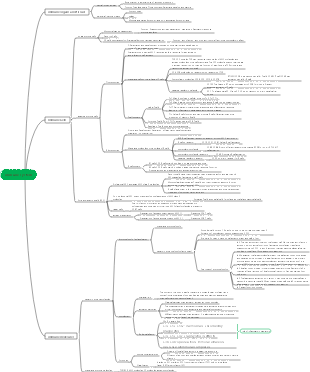
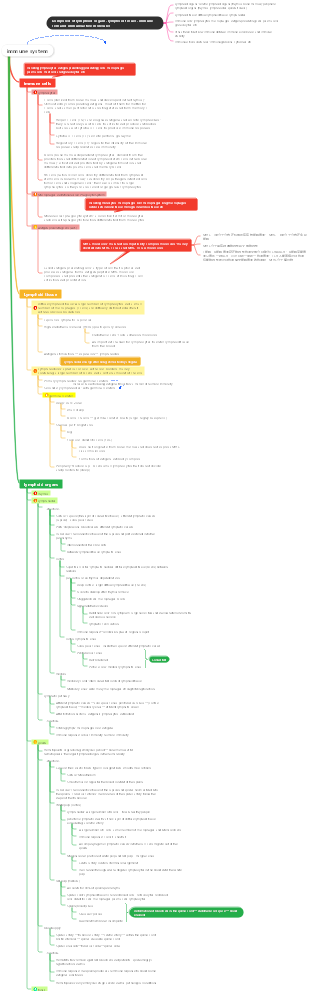
This is a mind map about the immune system, including the concept of immunity, The structure of the immune system, immune system function, Immune system health care, etc.
Edited at 2023-12-16 01:50:16This is a mind map about bacteria, and its main contents include: overview, morphology, types, structure, reproduction, distribution, application, and expansion. The summary is comprehensive and meticulous, suitable as review materials.

This is a mind map about plant asexual reproduction, and its main contents include: concept, spore reproduction, vegetative reproduction, tissue culture, and buds. The summary is comprehensive and meticulous, suitable as review materials.
This is a mind map about the reproductive development of animals, and its main contents include: insects, frogs, birds, sexual reproduction, and asexual reproduction. The summary is comprehensive and meticulous, suitable as review materials.
This is a mind map about bacteria, and its main contents include: overview, morphology, types, structure, reproduction, distribution, application, and expansion. The summary is comprehensive and meticulous, suitable as review materials.
This is a mind map about plant asexual reproduction, and its main contents include: concept, spore reproduction, vegetative reproduction, tissue culture, and buds. The summary is comprehensive and meticulous, suitable as review materials.
This is a mind map about the reproductive development of animals, and its main contents include: insects, frogs, birds, sexual reproduction, and asexual reproduction. The summary is comprehensive and meticulous, suitable as review materials.
immune system
The origin of “immunity”
The body that has been invaded by a certain pathogen will develop a special ability to resist the pathogen to avoid being invaded by the corresponding disease.
immunity concept
Immunity is a physiological function of the human body. The human body relies on this function to identify "self" and "non-self" components, thereby destroying and rejecting antigenic foreign bodies (such as bacteria and viruses) that enter the human body to maintain human health.
structure of immune system
immune organ
Thymus
The thymus is the earliest immune organ. It appears in the 9th week of embryonic development and is roughly mature in structure by the 20th week.
Surface: a membrane composed of connective tissue
The thymus is located in front of the mediastinum and behind the sternum, and is divided into two lobes.
Thymic lobules are composed of an outer layer of cortex and an inner layer of medulla.
medulla
large number of epithelial cells
Scattered more mature thymocytes, macrophages, and dendritic cells
Thymic cortex
immature T cells
Thymic epithelial cells
Macrophages
Dendritic Cells
deep cortical area
Superficial cortical area
Epithelial cells can surround thymocytes and become nurse cells
differentiation
development
Efferent lymphatic vessels with rich blood supply and lymph node connections
spleen
The largest immune organ in the human body, located on the upper left side of the abdominal cavity, has hematopoietic, blood storage and filtering functions.
Embryonic hematopoietic organs
numerous sinusoids
Connective tissue is wrapped in membrane
White pulp – composed of lymphocytes
Periarteriolar lymphatic sheath—mainly T cells
deep cortical region of lymph node
Lymph follicle
Red pith
Splenic cord - B cell accumulation area, dendritic cells, macrophages
Splenic sinus - the sinus contains circulating blood
fringe zone
T, B lymphocytes, macrophages; marginal sinus
tonsils and lymph nodes
Tonsils are the "gateway" to the respiratory tract and digestive tract - white blood cells and phagocytes
Immune Cells
Lymphocytes
T lymphocytes (cell-mediated immunity) - mature in the thymus
Helper T cells (Th cells)
Cytotoxic T cells (Tc cells)
Regulatory T cells (Tr cells)
B lymphocytes (humoral immunity) – mature in bone marrow
Cell processes are close to the endothelium; contain actin filaments and myosin, with contractile function; can proliferate and differentiate into endothelial cells and synthetic fibroblasts
other immune cells
Natural killer cells (NK cells) – involved in innate immunity
Derived from bone marrow lymphoid stem cells, it can be activated without intermediaries, and its killing target cells have no MHC restrictions.
The body’s first natural line of defense against tumors and infections
Antigen presenting cells (APC)
Mononuclear-macrophages, dendritic cells, B cells
Immune molecules - major histocompatibility complex molecules, referred to as MHC molecules
Cytokines - regulate immune recognition, immune regulation, promote repair of damaged tissue
immune system function
Immune Function
immune defense
Identify and eliminate foreign pathogenic microorganisms
Immune stability
Identify and remove aging and dead cells in the body to maintain internal environment stability
immune surveillance
Recognize and eliminate cells with mutated surface antigens
Immunomodulatory
The body's immune system, nervous system and endocrine system together constitute the neuroendocrine immune network regulatory system
Types of immunity
non-specific immunity
Born with it, it has a defensive effect on a variety of pathogens
Specific immunity - after a pathogen invades the human body, it stimulates the body's immune cells to produce a targeted response.
autoimmune
The specific immune response produced by the body after being stimulated by antigens
slow, long
passive immunity
Specific immunity acquired by the body passively receiving antibodies, etc.
fast, short term
Immune system health care
Characteristics of the immune system of infants and young children
Non-specific immune function is not yet perfect
Immature immune system
Health care of the immune system of infants and young children
Newborn breastfeeding
planned immunization, vaccination
Pay attention to protecting lymphoid organs
Pay attention to exercise and proper nutrition to improve immunity
Lymph nodes
Lymph nodes
Capsule: connective tissue
cortex
superficial cortex
Contains mainly B cells
A large number of globular lymph nodes are produced after antigen stimulation
Paracortex (deep cortex)
Diffuse lymphoid tissue containing a large number of T cells is the thymus-dependent area
postcapillary venules
cortical lymphatic sinus
subcapsular sinus
Peritrabecular sinus
medulla
Medullary cord - mainly contains plasma cells, B cells, macrophages
medullary sinus
Macrophages – filtration
Function
filter lymph fluid
Immunization