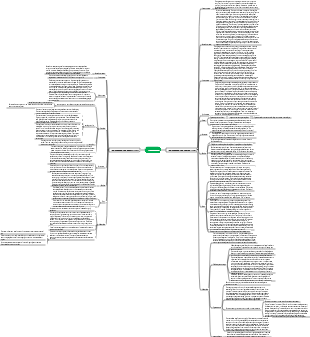
MindMap Gallery Veterinary Pathology-PED Grooming
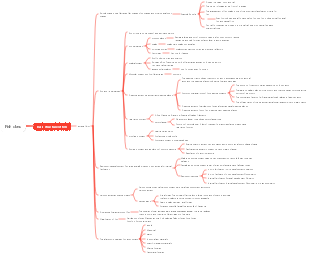
About veterinary pathology-PED review, PED pathogenic characteristics, epidemiology, clinical symptoms, pathological changes, prevention plans (basic ideas for prevention and control), ped domestication
Edited at 2023-11-22 16:04:07This is a mind map about bacteria, and its main contents include: overview, morphology, types, structure, reproduction, distribution, application, and expansion. The summary is comprehensive and meticulous, suitable as review materials.

This is a mind map about plant asexual reproduction, and its main contents include: concept, spore reproduction, vegetative reproduction, tissue culture, and buds. The summary is comprehensive and meticulous, suitable as review materials.
This is a mind map about the reproductive development of animals, and its main contents include: insects, frogs, birds, sexual reproduction, and asexual reproduction. The summary is comprehensive and meticulous, suitable as review materials.
This is a mind map about bacteria, and its main contents include: overview, morphology, types, structure, reproduction, distribution, application, and expansion. The summary is comprehensive and meticulous, suitable as review materials.
This is a mind map about plant asexual reproduction, and its main contents include: concept, spore reproduction, vegetative reproduction, tissue culture, and buds. The summary is comprehensive and meticulous, suitable as review materials.
This is a mind map about the reproductive development of animals, and its main contents include: insects, frogs, birds, sexual reproduction, and asexual reproduction. The summary is comprehensive and meticulous, suitable as review materials.
PED
Pathogenic characteristics
A contact acute intestinal infectious disease caused by epidemic diarrhea virus and characterized by diarrhea, vomiting and dehydration.
Belongs to the genus Coronavirus. Viruses are mostly round in shape; there are petal-like protrusions on the envelope. RNA viruses
Intestinal epithelial cell tissue growth. It is not resistant to the external environment and disinfectants and can be inactivated by exposure to sunlight for 6 hours. It is sensitive to ether, chloroform, etc., and can be killed by general disinfectants.
Popular features
Source of infection: infected pigs, resistant pigs, contaminated products, etc. Route of transmission: direct infection through mouth. Personnel, materials, vehicles, mosquitoes, flies, mice, etc. can cause indirect transmission.
It can cause disease in pigs of different ages and breeds. Among them, piglets and weaned nursery pigs are seriously ill, and they mostly occur in winter and spring.
Immunity is mainly acquired through cellular immunity.
Clinical symptoms
Watery diarrhea, yellow or egg-shaped feces with a foul smell, and obvious dehydration of the whole body (affected by pig immunity, popular strains, and age of onset)
Most of the body temperature is normal. If they eat less, the body temperature rises by 1-2 degrees. Later, the body temperature drops, accompanied by varying degrees of vomiting symptoms. Most of them vomit after eating milk, and vomit yellow-white curds with mucus, followed by watery diarrhea. Yellow, gray or transparent water sample.
In severe cases, the skin around the anus becomes red, the whole body is severely dehydrated, and the eye sockets are sunken.
Piglets in the same litter were infected quickly and would become sick within 1-2 days. The course of the disease in the entire pig farm can last for 1-2 months or even longer.
Nursery piglets: individual vomiting, grey-yellow sticky and loose feces, the incidence rate can reach 100%, and the mortality rate is 5%-20%
Medium and large pigs and breeding pigs: Individual vomiting, depression, not eating or eating less, incidence rate 10-90%, mortality rate low 1%-3%, natural recovery after 5-7 days.
After diarrhea occurs, the immunity of pigs decreases, and piglets may develop paratyphoid, paratyphoid and other diseases.
Pathological changes
In the stomach and small intestine, it can be seen that the small intestine is distended, the intestinal wall is thinned, there is yellow liquid gas in the field, and the intestinal wall is congested and bleeding. Mesenteric congestion, lymphadenopathy and edema. The gastric mucosal bottom showed varying degrees of bleeding.
Cell vacuolation was seen in the colon, but no desquamation was seen. The dead pig carcasses were emaciated and dehydrated, with dry skin and sunken eyeballs. The lesions are milder than TGE.
treatment method
starvation therapy
Take food fasting (2-3 days) or drastically time limit. Specifics: First clean up the remaining feed in the pig pen and do a good job of environmental sanitation inside the injection area. During the fasting period, add some rehydration salt to rehydrate.
medical treatement
Inject interferon, interleukin, and atropine sulfate injection to reduce diarrhea symptoms
prevention program
Basic ideas for prevention and control
External biosecurity control
The main sources of infection for PED are contaminated vehicles, feed, personnel, various animals and pig houses, etc.
Strengthen feeding and management
Maintaining a stable temperature in the delivery room (between 22-25°C) is crucial for disease prevention and control
Keep warm, ventilated and dry, and disinfect regularly
Effects of other diseases
diarrheal diseases
PED is easily mixed with other diseases, such as rotavirus, delta virus, transmissible gastroenteritis (TGE), coccidia, salmonella and other pathogens, which can aggravate diarrhea symptoms and cause the death of a large number of piglets
immunosuppressive disease
Immunosuppressive diseases such as blue ear, porcine ringworm, swine fever, and mycotoxins seriously damage the immune system of pigs and can easily lower the infection threshold of pigs and cause the onset of PED.
During the disease outbreak period, it will also affect the antibody level after immunization with PED vaccine, leading to immune failure and making the pigs susceptible.
When the above diseases break out, focus on environmental PED viral loads and colostrum IgA antibody levels, and strengthen environmental disinfection and other measures.
Internal biosecurity management in delivery room
The delivery room strictly implements all-in, all-out, and weaned piglets are prohibited from pressing the pen; For delivery units with sudden large-scale diarrhea, isolation and testing should be conducted immediately to confirm whether they are infected with PED, etc.; If an illness occurs, the McRebel operation will be strictly implemented in the farrowing room, and injections, castration and other treatment of piglets will be stopped within 10 days of age.
Vaccine Immunization and Domestication
Principle: Increase the PED antibody level of pigs through immunization or acclimation, so that the pigs can develop immunity and protect the pigs.
Domestication methods
Homemade tissue seedlings for feeding
Viral fluid return to feeding
PED monitoring
PEDV nucleic acid detection
IgA antibodies
Colostrum from sows is collected weekly to monitor IgA antibody levels to provide early warning of the risk of PEDV outbreaks.
other
Solution for one pig waiting to be delivered in the gestation house with ped
1. The pig whose ped is detected will not give birth.
2. After the farrowing pigs arrive in the farrowing room, they need to be tested for ped pathogens on the 4th day before farrowing.
3. Collect 2 ml of blood at Houhai point, 15 parts. After the serum is separated in the laboratory, send it to Maba for testing of ped antibodies.
4. Check where the pedv virus comes from
Solutions to peds occurring on site
subtopic