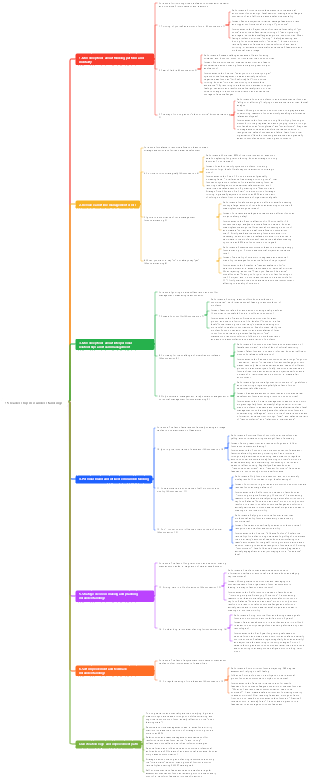
MindMap Gallery Effective Manager Peter Drucker
Everyone is his own CEO, contributing to upward management, empowering downward management, and constantly improving himself. Managers must be effective and can learn, but no one can teach them.
Edited at 2024-01-14 11:57:15Ce calendrier annuel, créé avec EdrawMax, présente une disposition claire et organisée des mois de janvier à décembre. Chaque mois est affiché dans un cadre distinct, montrant les jours de la semaine et les dates correspondantes. Les weekends (samedis et dimanches) sont mis en évidence pour une meilleure visibilité. Ce format est idéal pour la planification et l'organisation des activités tout au long de l'année, offrant une vue d'ensemble rapide et facile à consulter.

This quarterly calendar overview for 2026, created with EdrawMax, presents a structured and colorful layout of the entire year divided into four quarters. Each quarter is displayed in a separate column, showcasing the months within that quarter in a clear grid format. The days of the week are labeled, and each date is marked within its respective cell, allowing for easy identification of dates across the year. This calendar is an excellent tool for long-term planning, providing a comprehensive view of the year at a glance.
This weekly calendar for 2026 is designed using EdrawMax to provide a detailed and organized view of each week, starting from January. The left side features a mini monthly calendar for quick reference, highlighting the current week in yellow. Below it, there's a section for weekly goals to help prioritize tasks. The main area is a time-grid from 6:00 AM to 12:00 AM, divided into half-hour slots, allowing for precise scheduling of daily activities throughout the week. This layout is ideal for managing a busy schedule efficiently.
Ce calendrier annuel, créé avec EdrawMax, présente une disposition claire et organisée des mois de janvier à décembre. Chaque mois est affiché dans un cadre distinct, montrant les jours de la semaine et les dates correspondantes. Les weekends (samedis et dimanches) sont mis en évidence pour une meilleure visibilité. Ce format est idéal pour la planification et l'organisation des activités tout au long de l'année, offrant une vue d'ensemble rapide et facile à consulter.
This quarterly calendar overview for 2026, created with EdrawMax, presents a structured and colorful layout of the entire year divided into four quarters. Each quarter is displayed in a separate column, showcasing the months within that quarter in a clear grid format. The days of the week are labeled, and each date is marked within its respective cell, allowing for easy identification of dates across the year. This calendar is an excellent tool for long-term planning, providing a comprehensive view of the year at a glance.
This weekly calendar for 2026 is designed using EdrawMax to provide a detailed and organized view of each week, starting from January. The left side features a mini monthly calendar for quick reference, highlighting the current week in yellow. Below it, there's a section for weekly goals to help prioritize tasks. The main area is a time-grid from 6:00 AM to 12:00 AM, divided into half-hour slots, allowing for precise scheduling of daily activities throughout the week. This layout is ideal for managing a busy schedule efficiently.
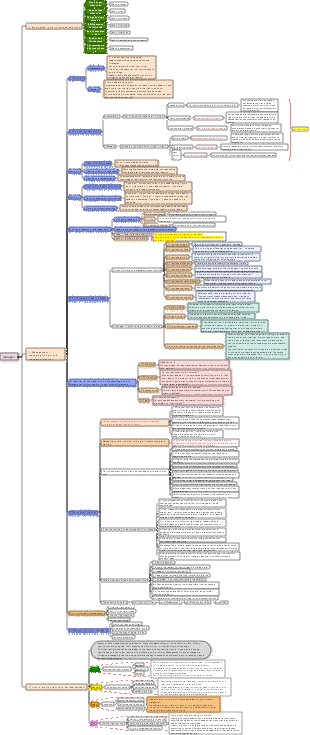
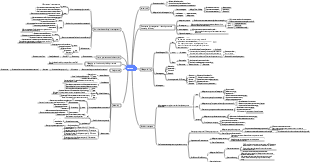
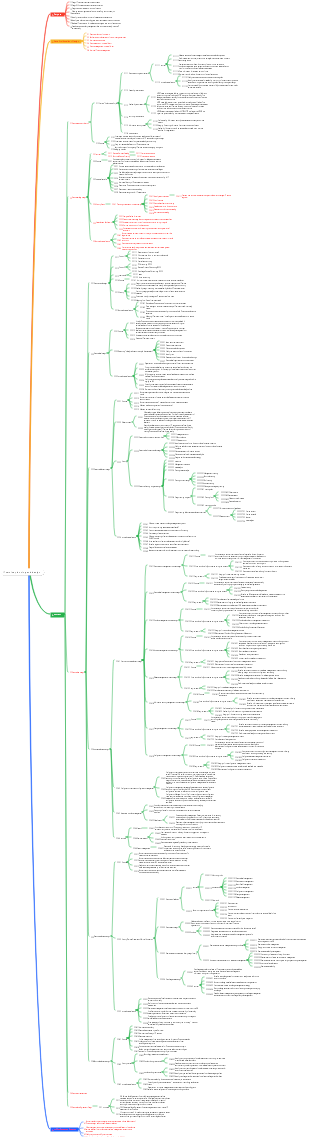
effective managers Peter Drucker
Being effective can be learned
Borrowed light cannot illuminate your own soul.
Managers must face reality
Within the organization, results simply don't come.
The results of a company are generated through customers, and the costs and efforts made by the company must be converted into revenue and profits through customers purchasing its products or services.
An organization is an organ of society. It can only be considered successful if it can make its own contribution to the external environment.
If one does not make a conscious effort to become aware of the outside world, the affairs within the organization will inevitably blind him from true reality.
All results exist outside the organization.
What happens within the organization is only labor and costs, and the only reason for the organization's existence is to serve the external environment.
awareness of effectiveness
You cannot be an effective manager without committing yourself to learning to improve your effectiveness.
Effectiveness is a learned habit, a combination of practice.
Since it is a habit, it can be learned. Learning habits must be practiced repeatedly.
effective elements
1. Effective managers know where to spend their time.
2. Effective managers value their contribution to the outside world.
3. Effective managers are good at utilizing strengths, including the strengths of themselves, their bosses, colleagues and subordinates.
4. Effective managers focus on a few important areas where excellent performance can produce outstanding results.
5. Effective managers must be good at making effective decisions.
Take charge of your own time
Time is a limiting factor and the most special resource.
You cannot rent, hire, or buy. The supply of time is not flexible at all. Time is always in short supply.
The larger the organization, the less time managers actually have at their disposal.
The road that is impassable with your feet can be made with your head - Eastern European Slavs
Concentrate the fragmented time that can be controlled by managers.
What matters is how time is used.
what can i contribute
Valuing contribution is the key to effectiveness.
effectiveness performance
1. Your own work, including work content, standards, standards and their impact.
2. Your relationship with others, including your boss, colleagues and subordinates.
3. The use of various management methods, such as meetings or reports, etc.
Manager's Commitment
Pay attention to overall performance and pay attention to the external world, which is where results are produced.
hospital-patient, school-student
The question of what contribution I can make is about tapping into untapped potential at work.
contribute
1. Direct results - the most important;
2. Establish new values and reaffirm these values;
3. Cultivate and develop the talents needed for tomorrow.
Talent is the biggest driving force for development, because people can adjust themselves according to external requirements.
A commitment to contribution is a commitment to effectiveness.
Professional results
It is your responsibility to let others know you.
If you are willing to make contribution as your goal, you must make your products (knowledge) available to others.
correct interpersonal relationships
Effective interpersonal relationships with a focus on contribution
1. Communicate with each other;
It is a management issue that has attracted the most attention for many years.
2. Teamwork;
Emphasizing contribution helps horizontal communication and promotes teamwork.
4. Cultivate others;
Whether an individual can develop depends to a large extent on whether he or she values contribution.
3. Self-development;
Valuing contribution will inevitably inspire others to seek self-development at the same time.
How to bring out people’s strengths
Employ people’s strengths
Decision-making in employing people is not about how to overcome people's shortcomings, but about how to bring into play people's strengths.
There is no truly omnipotent person in the world. At most, there are only people who are particularly capable in certain aspects.
If you can only see people's shortcomings but not their strengths, and deliberately avoid their shortcomings instead of focusing on developing their strengths, then the manager himself is a weak person.
He may feel that the talents of others may constitute a threat to himself.
Adhere to employing people according to the situation rather than setting things up according to the people
Managers should maintain an appropriate distance from direct colleagues or reports.
How to employ people
1. Positions are designed by people. If a position is failed to be filled by two or three people, it must be redesigned.
2. The job requirements should be strict and the coverage should be broad.
3. When hiring people, you should first consider what you can do, rather than what the requirements of the position are.
4. While utilizing people’s strengths, we must tolerate their shortcomings.
indispensable for someone
1. Someone is not really good, but he is not demanding and survives under protection;
2. The manager's own ability is too poor and he misuses someone's talent to support a boss who is untenable;
3. A serious problem was lurking in the first place, and the problem was covered up by misuse of someone's talents.
You should be transferred anyway, the sooner the better.
How to manage your boss
Taking advantage of your boss's strengths is also the key to effective work.
reader type
listener type
Assisting your boss to leverage their strengths is the best way to be effective
The task of managers is not to change people, but to use everyone's talents.
First things first
Focus on the future rather than the past
Pay attention to opportunities and don’t just see difficulties
Choose your own direction instead of blindly following it
The goal must be high and innovative, not just safe and easy.
decision factors
1. Be sure to understand the nature of the problem. If the problem is recurring, it can only be solved through a decision that establishes rules or principles.
2. Identify the boundaries that must be met when solving the problem. In other words, the "boundary conditions" of the problem should be found.
3. Think carefully about the correct solutions to the problem and what conditions these solutions must meet, and then consider the necessary compromises, adaptations and concessions in order to make the decision acceptable.
4. The decision-making plan must also take into account implementation measures, so that the decision can be turned into an action that can be implemented.
5. Pay attention to feedback during the implementation process to confirm the correctness and effectiveness of the decision-making.
effective decision making
Use of negative opinions
1. Only negative opinions can protect decision-makers from becoming prisoners of the organization.
2. The counter-opinion itself is exactly the "another plan" needed for decision-making.
3. Opposite opinions can stimulate imagination.