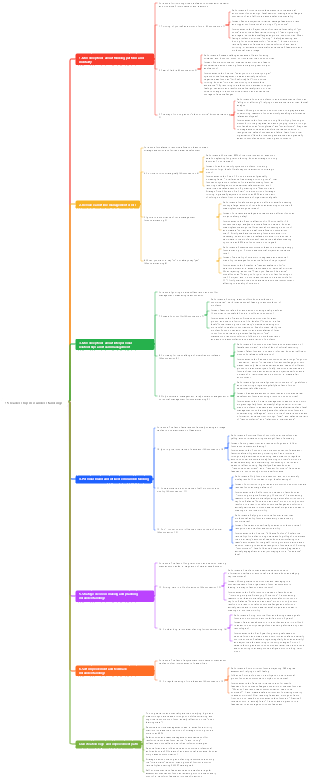
MindMap Gallery Management - Beginner in management - How to get better gradually
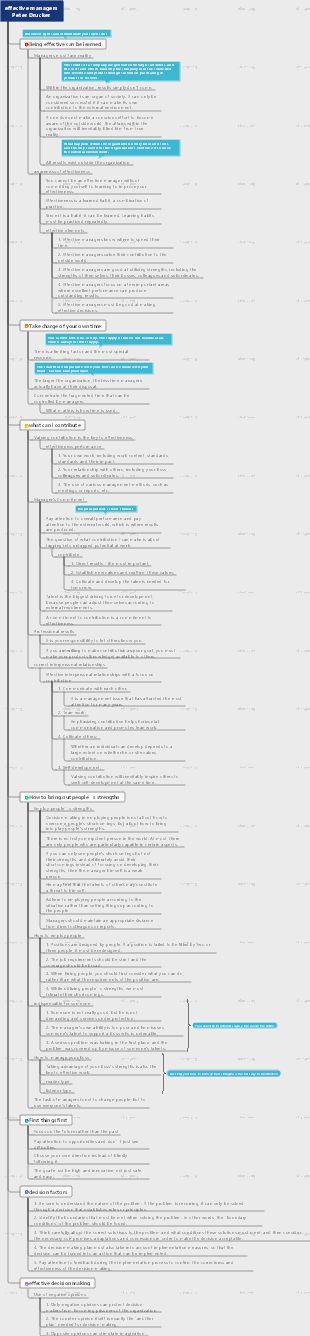
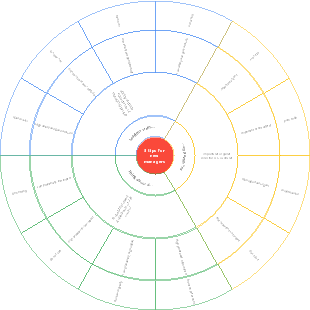
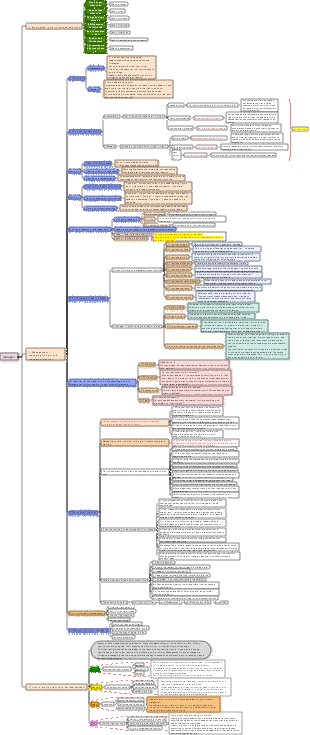
As a new manager, how do you get started smoothly? How do basic managers break through? This brain map is sorted out for you, including career development paths, manager capabilities, four management misunderstandings, excellent managers, etc.
Edited at 2023-11-14 22:26:51This is a mind map about bacteria, and its main contents include: overview, morphology, types, structure, reproduction, distribution, application, and expansion. The summary is comprehensive and meticulous, suitable as review materials.

This is a mind map about plant asexual reproduction, and its main contents include: concept, spore reproduction, vegetative reproduction, tissue culture, and buds. The summary is comprehensive and meticulous, suitable as review materials.
This is a mind map about the reproductive development of animals, and its main contents include: insects, frogs, birds, sexual reproduction, and asexual reproduction. The summary is comprehensive and meticulous, suitable as review materials.
This is a mind map about bacteria, and its main contents include: overview, morphology, types, structure, reproduction, distribution, application, and expansion. The summary is comprehensive and meticulous, suitable as review materials.
This is a mind map about plant asexual reproduction, and its main contents include: concept, spore reproduction, vegetative reproduction, tissue culture, and buds. The summary is comprehensive and meticulous, suitable as review materials.
This is a mind map about the reproductive development of animals, and its main contents include: insects, frogs, birds, sexual reproduction, and asexual reproduction. The summary is comprehensive and meticulous, suitable as review materials.
manage
career path
Business backbone (expert)
Stable and reliable delivery results
Continuously improve professionalism and efficiency
Communicate smoothly with departments or cross-departments
Management line (do self-management first)
Grassroots management
Managing Others - Challenge
Gain team recognition and trust
leadership required
Drive the team to achieve goals
need planning
Help improve team capabilities
Requires skills
middle managers
management manager
top management
Manage business
The essence of management - reducing costs and increasing efficiency
management by objectives
Resolve the coordination between departmental goals and corporate goals
1: Don’t consider rationality, only consider necessity
2: What resources are needed to achieve goals in the future?
Plan management
Solve the problem of matching existing resources and templates, control the process, and make the plan proceed smoothly
Point 1
Align targets up and down
Point 2
Clear priorities
Point three
Allocate tasks appropriately
process management
Monitor whether actions in execution deviate from goals
Organizational management
Solve the problem of whether the rights of team members match their job responsibilities
Manager ability
Business Management-PDCA
plan
what and why
Be clear and precise without missing reusable information, such as deadlines
Two-way communication, employees retell their responsibilities, and let employees clarify methods and resources
monitor
four quadrants
High task fault tolerance & high employee maturity
Control results
High task fault tolerance & low employee maturity
Strengthen counseling
Low task fault tolerance & high employee maturity
Control node
Low task fault tolerance & low employee maturity
Be responsible for the results by taking action
Review
Review is useless
Lack of trust and not telling the truth
Lack of review ability, review is just a formality
Lack of ability to analyze causes and improve problems
Review process
Preparation for review
Review process
Team management
Select people
educate people
Employ people
Keep people
How to recognize people - SHAPE mode
S expertise
Employee job skills, workplace skills
H enthusiasm
Employee’s work passion or interests
A attitude
The mentality and behavior displayed towards work
Personality
Employee personality traits
E experience
Employee’s work history, experience, etc.
self-management
Excellent managers
Master management thinking (give up the halo of star players and go to the next battlefield)
work
Management thinking: insist on self-management
Set your own goals
Manage your own time
take responsibility
Execution thinking: waiting for others to arrange
Waiting for the target to be determined and issued
Give time to subordinates and superiors
Waiting to be recognized and reused
think
Management thinking: Thinking about problems “begin with the end in mind”
Set templates based on future situations
Pay attention to the integration and coordination of resources
Look at the problem from a global perspective
Executive thinking: thinking about problems in a narrow and one-sided way
Set goals based on current circumstances
Ignore resources outside yourself
Only look at issues from a business and professional perspective
growing up
Management thinking: value teamwork and progress
Care about team goals and growth
Value the power of collaborative relationships and communication
Pay attention to cooperation and achieve win-win results
It’s only about your own growth
Just consider improving your abilities
Ignoring interpersonal interactions and communication
Habitually uncooperative and low-level cooperation
The difference between management thinking and execution thinking
Achieving things through others VS Achieving things on your own
Management: getting results through others
Strong subordinates: value exchange, giving responsibility
Win-win with him and provide opportunities
There is no need to consider whether you are convinced or not, whether the relationship is good or not.
Competent subordinates; develop independent problem-solving abilities
Don't solve the problem for him, let him solve the problem slowly by himself
Execution: Rely on yourself to achieve results
Integrate resources VS request resources
Management: integrating resources
There are resources that become less and less the more you use them: people, money, time, etc.
Intangible resources, the more they are used, the more they become: information, connections, policies, etc.
Execution: Request resources
Global Optimum VS Local Optimum
Management: Global Optimum
Grasp the main contradiction
The 28th principle is to grasp the main contradiction and the 20% that have the greatest influence (don’t worry about working backwards from "destruction")
Focus on solving major problems and allow minor problems to remain unresolved in the short term
Very busy but not solving the problem, just moving myself
System troubleshooting
When a problem occurs in a certain link: Managers consider whether there is a problem with the entire process
When there are problems with someone's output and emotions, you should think about whether there is something wrong with that person's way of thinking.
Execution: local optimum
leadership
essence of leadership
Execution of unity
sincere
You can’t fool anyone, let alone yourself.
Improve leadership
A courage to face problems head on
Understand employees’ fundamental needs and provide corresponding emotional value/economic value
Switch leadership behaviors according to different management situations
Biggest challenge: Inability to put understanding of leadership into practice
five levels of leadership
Position
Rights: Subordinates follow because they have rights
agree
Interpersonal relationships: following because I am willing to listen to you
Production
Performance: Only when you have contributed to the organization will people look back
Liren
Educate people: Follow them because you have contributed to them
leader
Respect: Follow because of who you are and what you stand for
How to give negative feedback to subordinates
communication concept
Speak the truth emotionally in a trusting relationship
process
Before communication
Gather information and regulate emotions
Communicating
State the facts and implications
Express expectations/concern
clear reasons
Make commitments and plans to prevent recidivism
After communication
Record communication points and track plan implementation
Feedback information using SBI method (scenario, behavior, impact)
Extra effort (such as working overtime)
staff
Benefit expectations psychological needs
good leadership
Provide value to subordinates
Economic Value
emotional value
meaning value
Fight for personnel rights
Recruiting, hiring, rewarding and punishing
leadership behavior
D1 Enthusiastic Beginner (High Willingness, Low Ability) - S1 Directive: High Guidance, Low Support
D2 dreams and frustrations (low willingness and low ability) - S2 coaching type: high guidance and high support
D3 Cautious and Competent (low willingness and high ability) - S3 Supportive: low guidance and high support
D4 mature contribution (high willingness and high ability) - S4 empowerment type: low guidance and low support
Assign a task
State the mission (background, template, results, impact, etc.)
Ask for repetition
Ask the reason (meaning, why him)
clear method
Estimated time (whether the subordinate has an estimated time)
Provide resources
Managing up: Continuously building trust and reliability
Trust = (professionalism, reliability, intimacy and "heart-to-heart")/self-awareness
How to get resources: business plan
Resource enumeration
Resource sorting
Describe ROI
Gradually release results
Resources continue to flow in
Four misunderstandings in management
Confront misunderstandings (right-hand man)
cannot
Will not use superior’s resources and time
Not understanding the decisions and ideas of superiors
need
Don't wait. Just obey your superiors and influence them.
Strive for resources, resources are in the hands of leaders
Seize the time to communicate with your superiors and don’t give up
Assist and support superiors
Implement management on behalf of superiors to achieve team goals
Dereliction of duty to subordinates (subordinate teachers)
cannot
Not providing growth opportunities for subordinates
Not responsible for subordinates
need
Help improve capabilities, improve performance, and achieve success
Use motivation, guidance, and assessment methods
Lead by example
When subordinates have difficulties, ask questions to guide and provide guidance instead of taking over everything.
Barriers to cross-departmental facilitation (co-worker collaborators)
cannot
Resistance to departmental collaboration
Overemphasis on departmental interests and ignoring company goals
need
Provide support for each other to achieve their goals
Understand each other’s needs and provide timely advice and support
Through value and interest exchange, bring collaborators to your own front, fill resource shortcomings, and achieve a win-win situation.
self-perception bias
cannot
Not paying attention to one’s own learning
No additional study required
need
Self-learning, self-growth
self-management
Review habits