MindMap Gallery Dermatology and Venereology 009 Autoimmune Bullous Disease
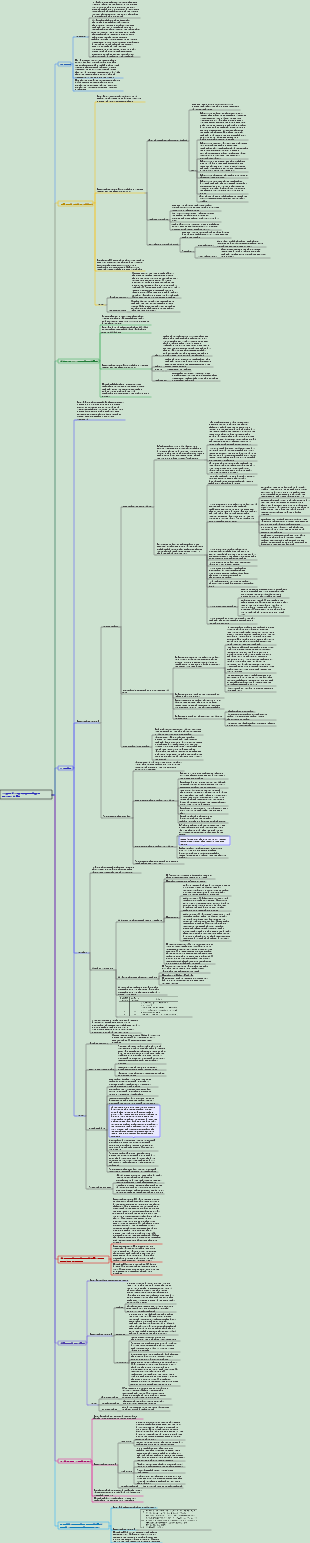
In dermatology and venereology, autoimmune bullous disease refers to an autoimmune cutaneous and mucosal bullous disease characterized by acantholysis and the formation of intraepidermal blisters due to the deposition of antibodies between cells in the spinous layer of the epidermis.
Edited at 2024-03-25 23:00:34This is a panoramic infographic—currently sweeping across the web—illustrating the comprehensive applications of OpenClaw, a popular open-source AI agent platform. It systematically introduces this intelligent agent framework—affectionately dubbed "Lobster Farming"—helping readers quickly grasp its core value, technical features, application scenarios, and security protocols. It serves as an excellent introductory guide and practical manual.

這是一張最近風靡全網關於熱門開源AI代理平台OpenClaw的全網應用全景圖解。它系統性地介紹了這款被稱為「養龍蝦」的智慧體框架,幫助讀者快速理解其核心價值、技術特性、應用場景及安全規範,是一份極佳的入門指南與實操手冊。此圖主要針對希望利用AI建構自動化工作流程的技術從業人員、中小企業主及效率追求者,透過9大模組層層遞進,全面剖析了OpenClaw從概念到落地的整個過程。 圖中核心內容首先釐清了「養龍蝦」指涉的是OpenClawd開源智能體,並強調其本質是「AI基建」而非一般聊天機器人。隨後詳細比較其與傳統AI助理的區別,擁有記憶管理、權限控制、會話隔離和異常恢復四大基礎能力,支援跨平台存取和多模型相容(如GPT、Claude、Ollama)。同時,圖解提供了完整的部署方案(雲端/本地/Docker),並列舉了辦公室自動化、內容創作、資料收集等五大應用程式場景。此外,還展示了其火爆程度、政府與大廠佈局、安全部署建議及適合/不適合的人群分類。幫助你快速掌握OpenClaw技術架構與應用價值,指導個人或企業建構AI自動化系統,規避資料外洩與權限失控風險,是學習「執行式AI」轉型的權威參考圖譜。
本圖由萬興腦圖繪製,是針對IT研發崗位的結構化個人履歷模板,完整涵蓋求職核心資訊模組。基本資訊區包含姓名、電話、信箱、求職意願及GitHub連結;專業概要要求以2-3句提煉核心優勢;工作經驗以「公司A高級Java開發工程師」為例,以「透過(行動),達成(量化成果)」格式呈現微服務架構設計、系統效能優化、團隊技術規範制定等職責,公司B經歷則聚焦功能模組開發與Elasticsearch搜尋優化;技能專長分程式語言、後端框架、中介軟體、資料庫、容器雲等維度,清楚展示技術堆疊;專案成果以「電商平台秒殺系統」為例,說明技術棧、架構設計、個人貢獻(Redis Lua庫存原子扣減)及KPI;教育背景包含一流大學電腦專業學歷,以及AWS認證解決方案架構師、軟考中級軟體設計師證書。模板邏輯嚴謹,涵蓋IT研發求職全流程關鍵訊息,幫助求職者清晰、量化展示專業能力。
This is a panoramic infographic—currently sweeping across the web—illustrating the comprehensive applications of OpenClaw, a popular open-source AI agent platform. It systematically introduces this intelligent agent framework—affectionately dubbed "Lobster Farming"—helping readers quickly grasp its core value, technical features, application scenarios, and security protocols. It serves as an excellent introductory guide and practical manual.
這是一張最近風靡全網關於熱門開源AI代理平台OpenClaw的全網應用全景圖解。它系統性地介紹了這款被稱為「養龍蝦」的智慧體框架,幫助讀者快速理解其核心價值、技術特性、應用場景及安全規範,是一份極佳的入門指南與實操手冊。此圖主要針對希望利用AI建構自動化工作流程的技術從業人員、中小企業主及效率追求者,透過9大模組層層遞進,全面剖析了OpenClaw從概念到落地的整個過程。 圖中核心內容首先釐清了「養龍蝦」指涉的是OpenClawd開源智能體,並強調其本質是「AI基建」而非一般聊天機器人。隨後詳細比較其與傳統AI助理的區別,擁有記憶管理、權限控制、會話隔離和異常恢復四大基礎能力,支援跨平台存取和多模型相容(如GPT、Claude、Ollama)。同時,圖解提供了完整的部署方案(雲端/本地/Docker),並列舉了辦公室自動化、內容創作、資料收集等五大應用程式場景。此外,還展示了其火爆程度、政府與大廠佈局、安全部署建議及適合/不適合的人群分類。幫助你快速掌握OpenClaw技術架構與應用價值,指導個人或企業建構AI自動化系統,規避資料外洩與權限失控風險,是學習「執行式AI」轉型的權威參考圖譜。
本圖由萬興腦圖繪製,是針對IT研發崗位的結構化個人履歷模板,完整涵蓋求職核心資訊模組。基本資訊區包含姓名、電話、信箱、求職意願及GitHub連結;專業概要要求以2-3句提煉核心優勢;工作經驗以「公司A高級Java開發工程師」為例,以「透過(行動),達成(量化成果)」格式呈現微服務架構設計、系統效能優化、團隊技術規範制定等職責,公司B經歷則聚焦功能模組開發與Elasticsearch搜尋優化;技能專長分程式語言、後端框架、中介軟體、資料庫、容器雲等維度,清楚展示技術堆疊;專案成果以「電商平台秒殺系統」為例,說明技術棧、架構設計、個人貢獻(Redis Lua庫存原子扣減)及KPI;教育背景包含一流大學電腦專業學歷,以及AWS認證解決方案架構師、軟考中級軟體設計師證書。模板邏輯嚴謹,涵蓋IT研發求職全流程關鍵訊息,幫助求職者清晰、量化展示專業能力。
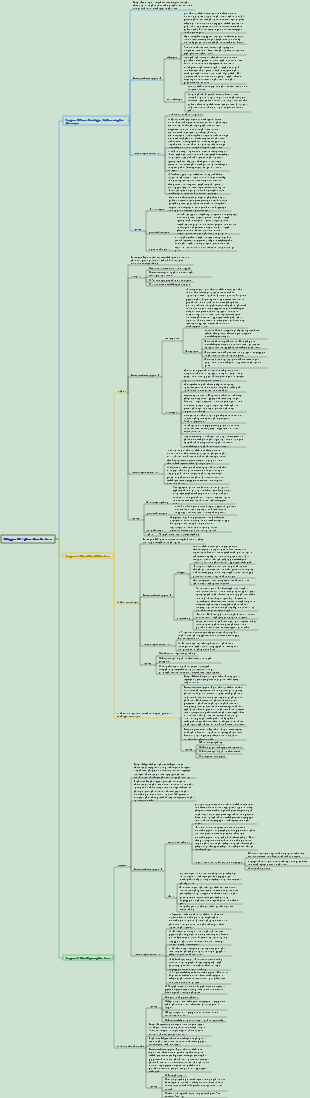
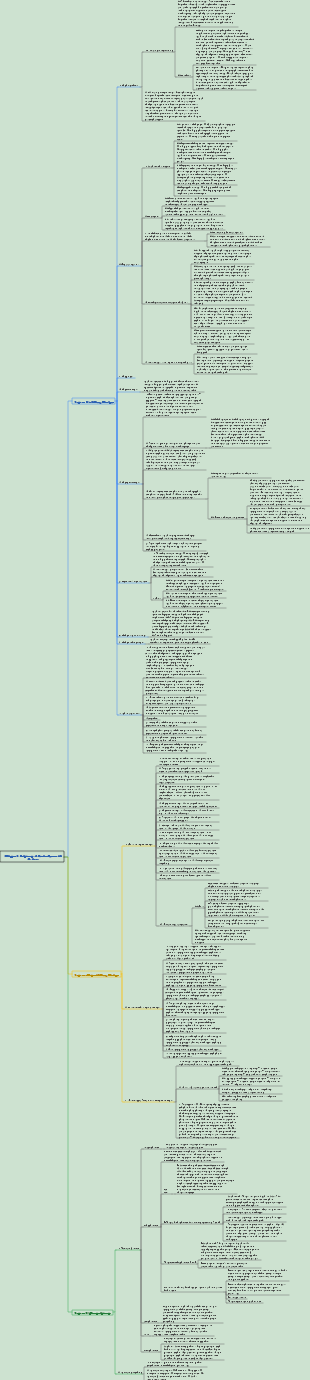
Chapter 9 Autoimmune bullous disease
Section 1 Pemphigus (pemphigus)
[Definition] Refers to an autoimmune mucocutaneous bullous disease characterized by acantholysis and intraepidermal blistering due to the deposition of antibodies between cells in the epidermal spinous layer.
【Classification and classification】
【Cause】
1. Evidence of autoimmune disease:
① There is Ig deposition between cells in the spinous layer of skin lesions, that is, the presence of pemphigus antibodies;
② There are pemphigus antibodies in the serum, and the titer is parallel to the clinical activity;
③Hemodialysis to remove pemphigus antibodies can lead to short-term clinical remission;
④ Babies born to mothers with pemphigus vulgaris have pemphigus skin lesions that resolve after a few weeks, indicating that pemphigus antibodies can be transferred through the placenta;
⑤ Repeated injection of high-titer pemphigus antibodies into the skin of rabbits can produce acantholysis;
⑥Pemphigus antibodies added to tissue cultured epidermal skin slices can cause acantholysis, and the degree is parallel to the antibody titer;
⑦The use of immunosuppressants is effective
2. Pemphigus antigen: essentially a structural protein (Dsg) of desmosomes between epidermal spinous cells, including pemphigus vulgaris antigen (Dsg3) (molecular weight 210,000), pemphigus foliaceus antigen (Dsg1) (molecular weight 260,000) )
3. Possible pathogenesis: pemphigus antibodies bind to spinous cells, causing them to secrete proteases and cause cell lysis; but complement activation is not necessarily required
[Clinical manifestations] More common in middle-aged men; most symptoms are common; the main cause of death of patients is secondary infection
Ordinary type
More severe (worst prognosis); generally without prodromal symptoms; almost all have oral mucosal ulcers, most of which are the first or even the only manifestation. They are difficult to heal and easily expand to the surroundings, and can still involve the throat, esophagus, vulva, and anus.
Typical manifestations: The whole body can be affected; serous blisters/bullae of different sizes appear on normal-appearing skin, with thin walls, loose and easy to break; due to the presence of acantholysis, characteristic Nikolsky's syndrome may appear Symptoms: The eroded surface is left after the bullae rupture, with dirty/greasy sticky scabs on the surface, more exudate, slow healing, and often pigmentation after subsidence; varying degrees of itching and pain at the exfoliation site; generally no fever and WBC↑
Nissl's sign: also called acantholysis sign; it is the palpation performance when acantholysis occurs in certain skin diseases (such as pemphigus). It has diagnostic value, especially when the disease is active; it can have the following 4 positives Performance: ① Push one side of the blister with your finger, and the blister moves in the direction of pushing; ② Press the top of the blister lightly with your finger, and the blister fluid moves to all sides; ③ Push and rub on the normal-looking skin with a little force, and the epidermis will peel off; ④ Pull the damaged skin When the blister wall appears, the normal-looking skin surrounding the blister can be seen peeling off together.
The damage often develops continuously; epidermal exfoliation causes loss of tissue fluid. Oral mucosal lesions hinder eating → malnutrition, decreased resistance, and susceptibility to infection.
May be accompanied by other autoimmune diseases (such as thyroiditis, myasthenia gravis, lupus erythematosus)
Proliferative type
Characteristics: It is a "subtype" of the usual type (but the antigenic composition is inconsistent); mainly limited to the armpit, thigh, gluteal groove, under the breast, umbilicus, genitals and perianal area; oral mucosal ulcers appear later and are milder; resistance is relatively low Strong→The course of the disease is slower and the prognosis is better
Types
Mild type (Hallopeau type): the primary damage is a small pustule (not a blister), and the epidermal exfoliation surface is tissue proliferation (not healing), resulting in the formation of irregular papilloma-like growths; the condition is milder and the prognosis is better
∎ Severe type (Neumann type): The primary damage is a blister or a blister on the basis of erythema. After rupture, there may be more serous and purulent secretions; during the healing process, the epidermal exfoliation surface does not form normal skin but a verrucous hyperplasia of epidermal cells.
Deciduous type
Commonly occurs on the head, face and upper chest and back; usually no oral mucosal damage (if any, it is very slight)
Typical manifestations: Blisters often occur on the basis of erythema. The blister wall is extremely thin and fragile. Sometimes it is even difficult to form a blister. Even if it is formed, it is small and loose and easy to break. There is not much exudation on the peeling surface, and the desquamation layer adheres to form a loose, Thick, yellowish-brown, greasy scabs (like fallen leaves); bacterial decomposition under the scabs can produce odor; sun exposure can aggravate the lesions
Brazilian pemphigus: a special type; prevalent in some areas of South America, more common in children and adolescents; similar to the deciduous type, but with higher serum antibody titers and antimalarial drug treatment with a certain effect
Erythema type
It is a "subtype" of the deciduous type (the antigenic composition is the same); it is mainly found on the scalp, cheeks, upper part of the trunk and upper limbs (generally not involving the lower limbs and oral mucosa); sometimes it can develop into the deciduous type
Typical manifestations: scaly erythema distributed in a butterfly shape on the face (similar to lupus erythematosus but without skin atrophy after it subsides); scattered erythema on the scalp and upper part of the trunk with blisters with loose walls; pigmentation or mild epidermal warts remain after recovery. Hyperplasia; subjective symptoms are mild
special type
Paraneoplastic pemphigus: mostly tumors originating from the lymphatic system, with severe disease and prominent mucosal damage; the skin lesions are polymorphic and have poor response to glucocorticoid treatment.
Drug-induced pemphigus: found in drugs containing sulfhydryl groups (such as D-penicillamine, captopril, piroxicam, rifampicin); mostly manifests as erythematous pemphigus, which can heal spontaneously after stopping the drug
IgA pemphigus: more common in skin folds of middle-aged and elderly women
Pemphigus herpetiformis: The skin lesions are often symmetrically distributed on the trunk/proximal limbs, are polymorphic (but mainly small blisters of about 0.5cm), Nissl's sign is negative; itching is obvious
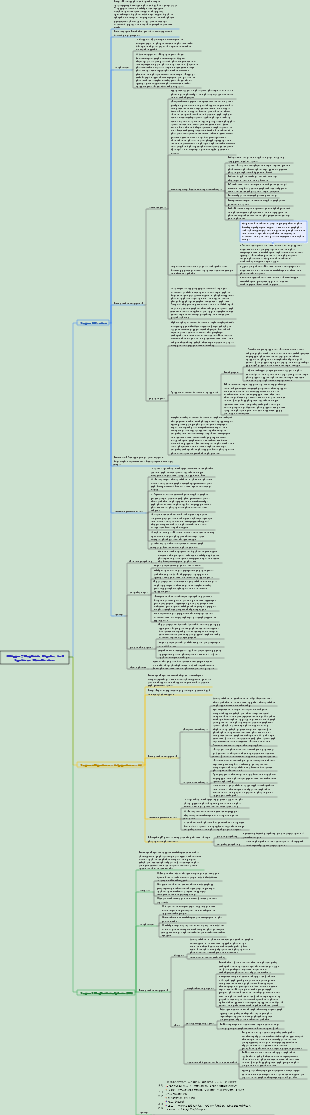
【diagnosis】
1. Clinical manifestations: The lesions of the vulgaris type and deciduous type are extensive, while the proliferative and erythematous types are mostly localized; the common features are flaccid blisters on normal skin and a positive Nissl sign.
2. Histopathology: Intraepidermal blisters with acantholysis; the vulgaris type and the proliferative type are located deeper (lower part of the spinous layer). The former can show tombstone-like basal cells attached to the upper dermis (villous appearance), and the latter Only fissures/acanthosis and papilloma-like hyperplasia are visible; the deciduous and erythematous types are shallower (upper part of the spinous layer/granular layer); the lesions of herpetiform pemphigus are located in the middle of the spinous layer, and there are eosinophils in the blister. /neutrophils
3. Immunological examination
(1) Direct immunofluorescence (DIF): There are Ig deposition (especially IgG) between the spinous cells of the skin around the blister and at the blister, and complement C3 is often positive; in the erythematous type, IgG and C3 deposition can still be seen at the basement membrane at the same time.
(2) Indirect immunofluorescence (IIF) (serological examination): 80~90% have Dsg antibodies (mainly IgG type), and their titers are parallel to the degree of disease and disease activity
4. Differential diagnosis: bullous pemphigoid, severe erythema multiforme, epidermolysis bullosa drug eruption
【treat】
General treatment
Supportive care: very important
Supplement protein and vitamins
Pay attention to body fluid and electrolyte balance, and transfuse blood if necessary
Local care: reduce abrasions; pay attention to oral and vulvar hygiene to prevent and treat infection
Be aware of complications and certain aggravating factors
Systemic treatment
Glucocorticoids: the drug of choice; once diagnosed, they should be used in a timely and sufficient amount (standard: no obvious new blisters appear within 1 week); after relief, the dose needs to be reduced to a maintenance dose, and then maintained for a longer period of time
Immunosuppressive drugs: adjuvant treatment drugs; usually azathioprine and cyclophosphamide are used
IVIg: effective in cases where high-dose glucocorticoids and immunosuppressants are ineffective
Plasma exchange: only suitable for severe cases where glucocorticoids are ineffective
Dapsone (DDS): suitable for mild and vesicular types
Chinese herbal medicine: suitable for patients with mild and less acute exudation; such as Tripterygium wilfordii
topical treatment
Treatment of skin lesions: For ordinary and deciduous types, a large amount of dusting powder, antibacterial ointment or paste can be used; for erythematous and oral mucosal lesions, hormonal ointment can be used
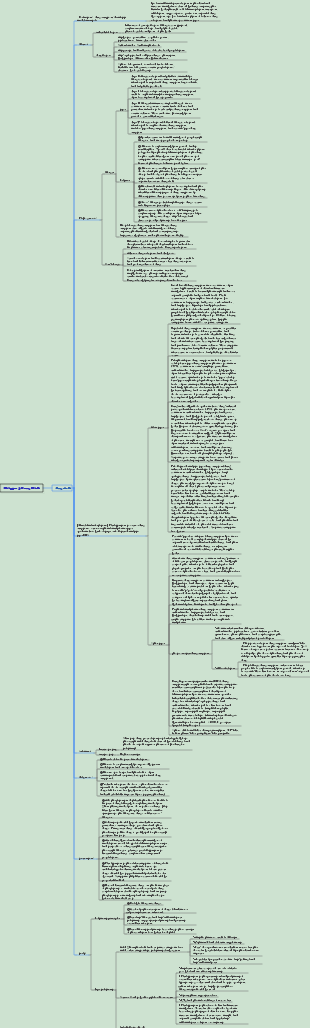
Section 2 Bullous pemphigoid (BP)
[Cause] The target antigens are mainly bullous pemphigoid antigen 1 (BPAg1, BP230) and bullous pemphigoid antigen 2 (BPAg2, BP180) located on hemidesmosomes.
[Diagnosis] Pay attention to comparison with pemphigus
1.Clinical manifestations
(1) More common in the elderly; often occurs in the armpits, groin, etc.; initial oral mucosal damage is rare, and even if it does occur, it is mild and heals quickly.
(2) Typical clinical manifestations: Scattered blisters/bullae appear on edematous erythema/normal skin. The blister walls are thick, tense and not easy to break. The blister fluid may be bloody; Nissl sign is negative; often accompanied by varying degrees of itching.
(3) Course and onset of disease: chronic disease course with alternating attack and remission phases; onset has nothing to do with gluten diet and no small intestinal mucosal damage
2. Histopathology: subepidermal blister formation, eosinophil-based infiltration in the papillary layer of the dermis; no acantholysis
3. Immunological examination: C3 and IgG are linearly deposited in the epidermal basement membrane zone; the antibody titer in the serum is not parallel to the clinical manifestations
4. Differential diagnosis: pemphigus, eczema, prurigo, diabetic bullae, dystrophic bullae
[Related diseases] Visceral malignant tumors, psoriasis
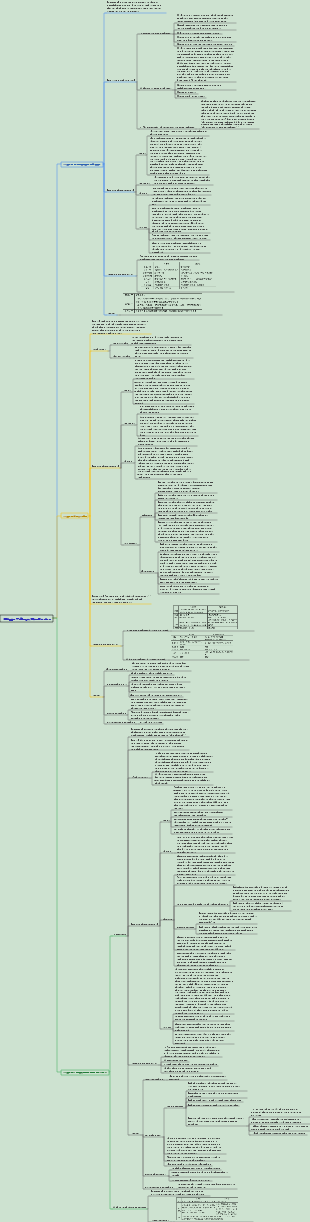
【treat】
General treatment
Supportive treatment: such as protein and vitamin supplements
Avoidance of possible allergenic drugs, detection of complications and visceral malignancies
Systemic treatment
Glucocorticoids: drug of choice
Immunosuppressive drugs: adjuvant treatment drugs; usually azathioprine and cyclophosphamide are used
IVIg: may be effective in cases where high-dose glucocorticoids and immunosuppressants are ineffective. Plasma exchange: only suitable for severe cases where glucocorticoids are ineffective.
Dapsone (DDS)
Chinese herbal medicine: such as tripterygium wilfordii
Tetracycline and nicotinamide: effective in the elderly and those who are intolerant to glucocorticoids
topical treatment
Treatment of skin lesions: Dry powder is generally used for patients without secondary infection; hormone ointment can be applied for patients with limited lesions.
Section 3 Other autoimmune bullous diseases
1. Dermatitis herpetiformis (dermatitis heretiformis): It is related to gluten sensitization in individuals with genetic predisposition; the onset is sudden, manifesting as symmetrical small erythema, which further develops into urticarial papules, which can reach more than 10cm after fusion; the blisters are mostly scattered in Distribution, the blister wall is thick, tense, plump and shiny, and difficult to rupture; there is severe itching; the disease has a chronic course of repeated attacks and remissions, all accompanied by varying degrees of small intestinal mucosal damage (malabsorption syndrome); immunological examination shows IgA Granular deposits are deposited around the lesion and on the top of the dermal papilla of normal skin (while the lesion is negative); histopathology shows the formation of subepidermal blisters without acantholysis, and there is an abscess dominated by neutrophils on the top of the dermal papilla.
2. Linear IgA bullous dermatosis: clinical manifestations similar to dermatitis herpetiformis or pemphigus, divided into childhood type and adult type; immunological examination shows linear IgA deposition in the epidermal basement membrane zone; Good response to dapsone treatment