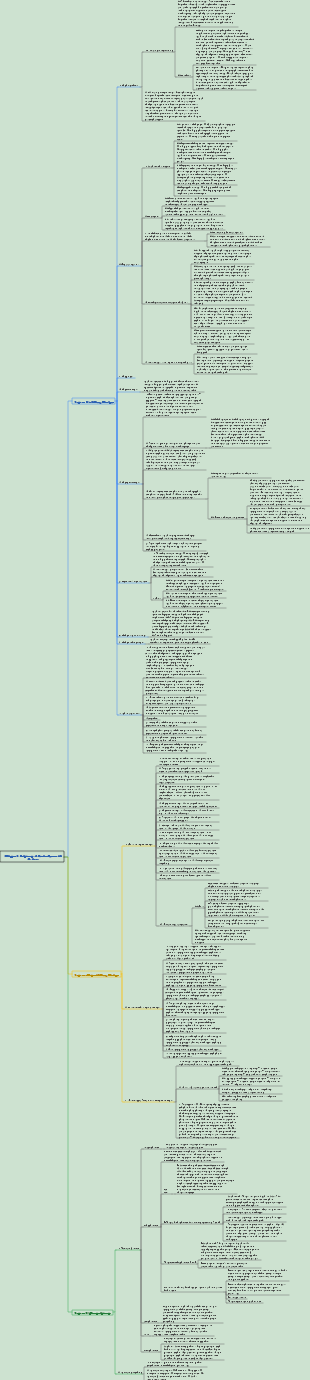
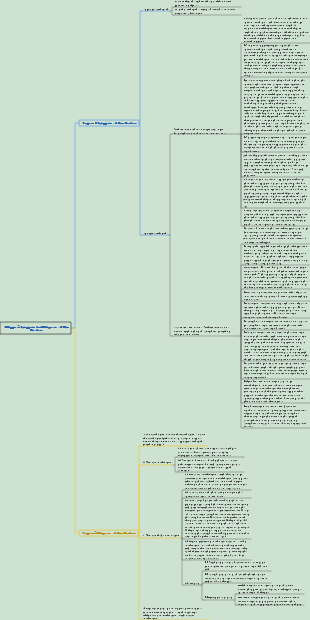
MindMap Gallery Dermatology and Venereology 005 Allergic Skin Diseases
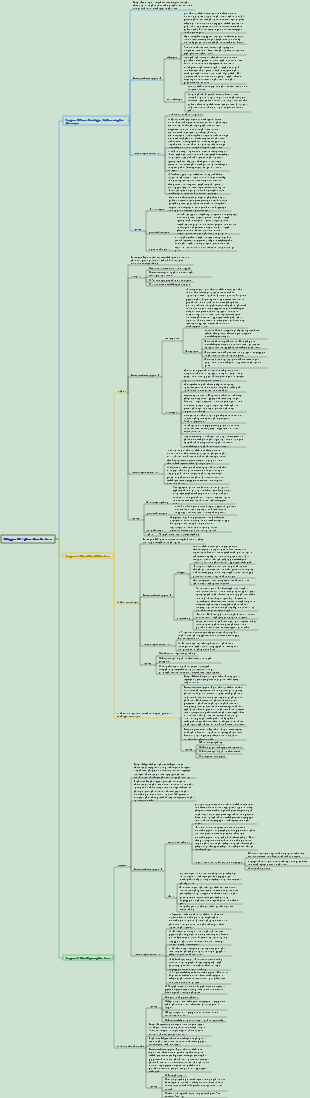
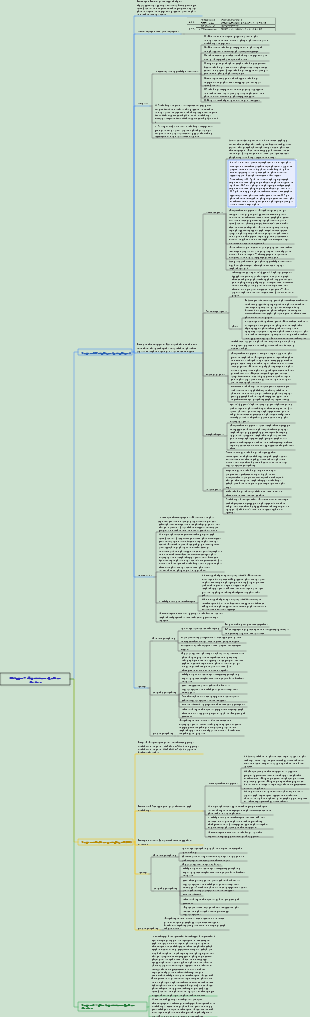
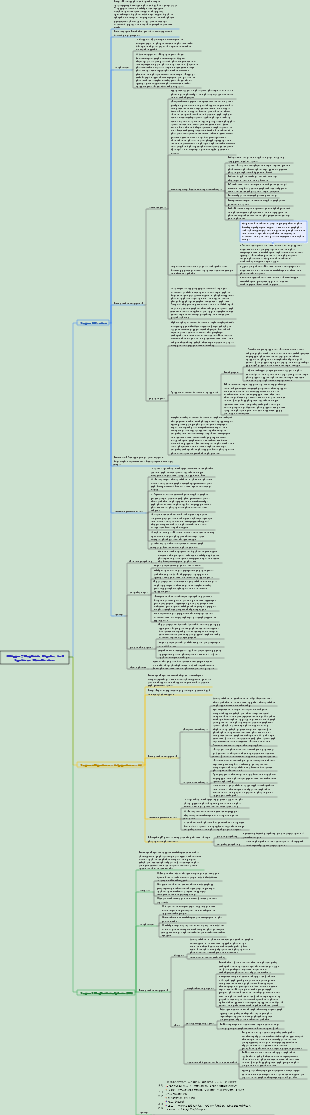
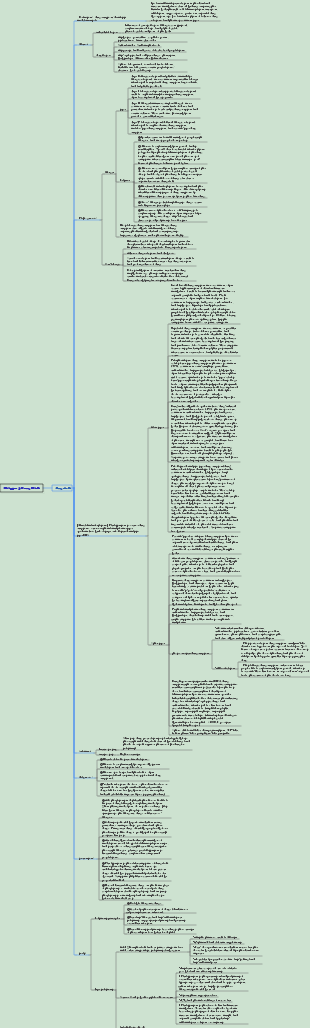
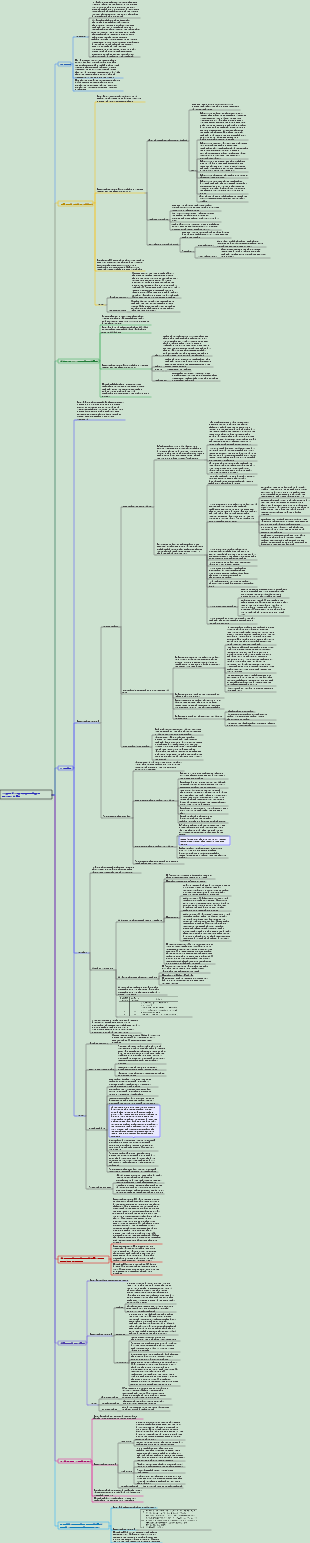
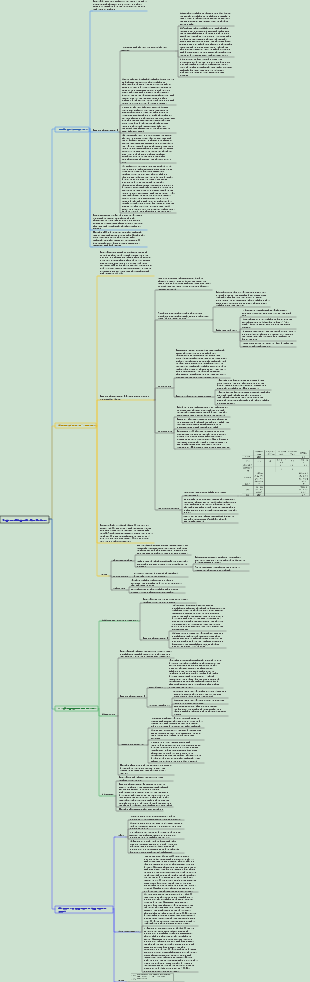
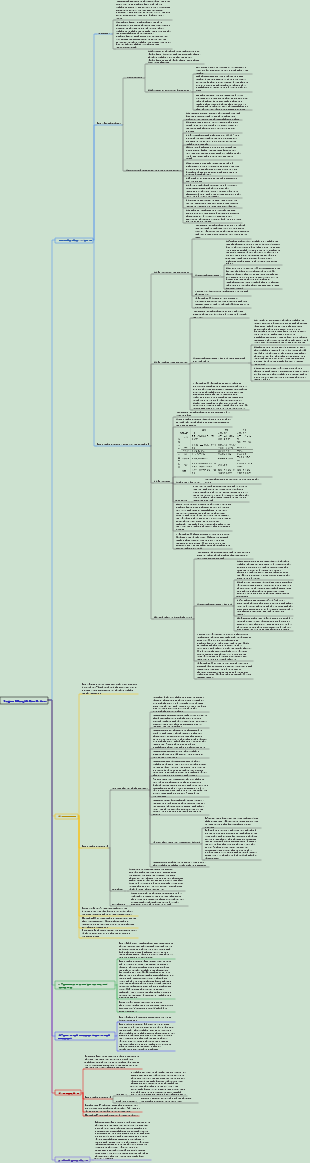
Dermatology and Venereology 005 Allergic Skin Diseases Mind Map, which summarizes the causes and pathogenesis of urticarial skin diseases, eczema, and contact dermatitis. clinical manifestations, differential diagnosis, Treatment etc.
Edited at 2024-03-25 19:01:59This is a panoramic infographic—currently sweeping across the web—illustrating the comprehensive applications of OpenClaw, a popular open-source AI agent platform. It systematically introduces this intelligent agent framework—affectionately dubbed "Lobster Farming"—helping readers quickly grasp its core value, technical features, application scenarios, and security protocols. It serves as an excellent introductory guide and practical manual.

這是一張最近風靡全網關於熱門開源AI代理平台OpenClaw的全網應用全景圖解。它系統性地介紹了這款被稱為「養龍蝦」的智慧體框架,幫助讀者快速理解其核心價值、技術特性、應用場景及安全規範,是一份極佳的入門指南與實操手冊。此圖主要針對希望利用AI建構自動化工作流程的技術從業人員、中小企業主及效率追求者,透過9大模組層層遞進,全面剖析了OpenClaw從概念到落地的整個過程。 圖中核心內容首先釐清了「養龍蝦」指涉的是OpenClawd開源智能體,並強調其本質是「AI基建」而非一般聊天機器人。隨後詳細比較其與傳統AI助理的區別,擁有記憶管理、權限控制、會話隔離和異常恢復四大基礎能力,支援跨平台存取和多模型相容(如GPT、Claude、Ollama)。同時,圖解提供了完整的部署方案(雲端/本地/Docker),並列舉了辦公室自動化、內容創作、資料收集等五大應用程式場景。此外,還展示了其火爆程度、政府與大廠佈局、安全部署建議及適合/不適合的人群分類。幫助你快速掌握OpenClaw技術架構與應用價值,指導個人或企業建構AI自動化系統,規避資料外洩與權限失控風險,是學習「執行式AI」轉型的權威參考圖譜。
本圖由萬興腦圖繪製,是針對IT研發崗位的結構化個人履歷模板,完整涵蓋求職核心資訊模組。基本資訊區包含姓名、電話、信箱、求職意願及GitHub連結;專業概要要求以2-3句提煉核心優勢;工作經驗以「公司A高級Java開發工程師」為例,以「透過(行動),達成(量化成果)」格式呈現微服務架構設計、系統效能優化、團隊技術規範制定等職責,公司B經歷則聚焦功能模組開發與Elasticsearch搜尋優化;技能專長分程式語言、後端框架、中介軟體、資料庫、容器雲等維度,清楚展示技術堆疊;專案成果以「電商平台秒殺系統」為例,說明技術棧、架構設計、個人貢獻(Redis Lua庫存原子扣減)及KPI;教育背景包含一流大學電腦專業學歷,以及AWS認證解決方案架構師、軟考中級軟體設計師證書。模板邏輯嚴謹,涵蓋IT研發求職全流程關鍵訊息,幫助求職者清晰、量化展示專業能力。
This is a panoramic infographic—currently sweeping across the web—illustrating the comprehensive applications of OpenClaw, a popular open-source AI agent platform. It systematically introduces this intelligent agent framework—affectionately dubbed "Lobster Farming"—helping readers quickly grasp its core value, technical features, application scenarios, and security protocols. It serves as an excellent introductory guide and practical manual.
這是一張最近風靡全網關於熱門開源AI代理平台OpenClaw的全網應用全景圖解。它系統性地介紹了這款被稱為「養龍蝦」的智慧體框架,幫助讀者快速理解其核心價值、技術特性、應用場景及安全規範,是一份極佳的入門指南與實操手冊。此圖主要針對希望利用AI建構自動化工作流程的技術從業人員、中小企業主及效率追求者,透過9大模組層層遞進,全面剖析了OpenClaw從概念到落地的整個過程。 圖中核心內容首先釐清了「養龍蝦」指涉的是OpenClawd開源智能體,並強調其本質是「AI基建」而非一般聊天機器人。隨後詳細比較其與傳統AI助理的區別,擁有記憶管理、權限控制、會話隔離和異常恢復四大基礎能力,支援跨平台存取和多模型相容(如GPT、Claude、Ollama)。同時,圖解提供了完整的部署方案(雲端/本地/Docker),並列舉了辦公室自動化、內容創作、資料收集等五大應用程式場景。此外,還展示了其火爆程度、政府與大廠佈局、安全部署建議及適合/不適合的人群分類。幫助你快速掌握OpenClaw技術架構與應用價值,指導個人或企業建構AI自動化系統,規避資料外洩與權限失控風險,是學習「執行式AI」轉型的權威參考圖譜。
本圖由萬興腦圖繪製,是針對IT研發崗位的結構化個人履歷模板,完整涵蓋求職核心資訊模組。基本資訊區包含姓名、電話、信箱、求職意願及GitHub連結;專業概要要求以2-3句提煉核心優勢;工作經驗以「公司A高級Java開發工程師」為例,以「透過(行動),達成(量化成果)」格式呈現微服務架構設計、系統效能優化、團隊技術規範制定等職責,公司B經歷則聚焦功能模組開發與Elasticsearch搜尋優化;技能專長分程式語言、後端框架、中介軟體、資料庫、容器雲等維度,清楚展示技術堆疊;專案成果以「電商平台秒殺系統」為例,說明技術棧、架構設計、個人貢獻(Redis Lua庫存原子扣減)及KPI;教育背景包含一流大學電腦專業學歷,以及AWS認證解決方案架構師、軟考中級軟體設計師證書。模板邏輯嚴謹,涵蓋IT研發求職全流程關鍵訊息,幫助求職者清晰、量化展示專業能力。
Chapter 5 Allergic Skin Diseases
Section 1 Contact dermatitis
[Definition] It is an acute, subacute, or chronic inflammatory reaction that occurs at the skin and mucous membrane contact sites after exposure to certain exogenous substances.
[Cause and pathogenesis]
1. Irritant contact dermatitis:
① There is no allergic reaction mechanism involved, but the result of direct irritation caused by the strong irritation/toxicity of the contact object;
②With sufficient concentration and sufficient exposure time, it can happen to anyone;
③There is no certain incubation period;
④Skin lesions are mostly limited to direct contact parts and have clear boundaries;
⑤Skin lesions can subside after contact is stopped
2. Allergic contact dermatitis:
① The contact object (hapten) itself is non-irritating, and there are usually no adverse reactions after skin contact with it; however, a small number of people with special allergies will be exposed to the same allergen again after a certain incubation period (4~20 days) after exposure. In some cases, allergic inflammation (usually type IV hypersensitivity) may occur in the skin and mucous membranes at the contact site; in some cases, the allergic reaction becomes lighter and lighter due to repeated long-term exposure, so that no reaction occurs again (hardening). Phenomenon);
② Skin lesions are often widespread and symmetrically distributed;
③Easy to relapse;
④Skin patch test positive
3. Phototoxicity & photoallergic contact dermatitis:
A small number of chemicals can cause dermatitis only after being exposed to a certain amount of sunlight (ultraviolet) after contacting the skin; among them, when the skin is exposed to a certain amount of photosensitizer (such as psoralen) and then exposed to an appropriate amount of light, it can occur in everyone Phototoxic reaction (called "phototoxic contact dermatitis"); photosensitivity reaction involving the immune system is called "photoallergic contact dermatitis"
[Clinical manifestations]
acute
The onset is rapid; skin lesions are mostly limited to the contact area
Typical manifestations: well-defined erythema, the shape is related to the contact object; there are papules/papu herpes on it. In severe cases, the redness and swelling are obvious and blisters/bullae appear. The blister wall is tense and the content is clear. After ulceration, it will appear erosive. Occasionally, it may occur. Tissue necrosis; conscious itching/burning pain, scratching can cause similar skin lesions in remote areas, and a few may have systemic symptoms; after removing the contact object and actively treating it, it can usually be cured within 1 to 2 weeks, but temporary pigmentation may be left behind
subacute
The irritation of the contact substance is weak/the concentration is low; it manifests as mild erythema and papules with unclear boundaries.
Chronic
Long-term and repeated exposure can make local skin lesions chronic; manifested as mild hyperplasia of skin lesions and lichen-like changes.
special
Cosmetic dermatitis: acute, subacute and chronic dermatitis caused by contact with cosmetics/hair dyes
Diaper dermatitis (napkin dermatitis, diaper dermatitis): due to diaper irritation (especially enzymes in feces), erythema, papules, papule herpes or erosions appear on the diaper contact parts (buttocks, vulva, thighs) of infants and young children; the boundaries are clear, The shape is consistent with the diaper bandaging range; it is prone to secondary candida and bacterial infections, which can occur repeatedly
Paint dermatitis: skin sensitization caused by paint or its volatile gases, mostly involving exposed parts
Airborne contact dermatitis: Inflammation of exposed areas (e.g., upper eyelids, face) caused by chemical suspensions in the air (e.g., sprays, perfumes)
【Differential Diagnosis】
Pay attention to distinguish between irritant contact dermatitis and allergic contact dermatitis
【treat】
Section 2 Eczema
[Cause] Complex and individual differences; allergic constitution is the most important internal cause, which may be related to genetic factors; external factors may be related to the occurrence and exacerbation of the disease
【pathology】
acute eczema
Sponge formation in the epidermis; dilation of superficial dermal capillaries and perivascular lymphocyte infiltration
chronic eczema
Hyperkeratosis/parakeratosis, obvious hypertrophy of the spinous layer, thickening of capillary walls in the superficial dermis, and thickening of collagen fibers
[Clinical manifestations]
acute
It often appears rapidly and symmetrically; on the basis of diffuse flushing and mild edema, dense, miliary-sized papules/papule vesicles/small blisters appear, often merging into sheets with unclear boundaries, with much exudation, and then erosion and scabbing. ; accompanied by severe itching, especially at night
Vigorous scratching, drug abuse, and hot water washing can aggravate the condition and even lead to secondary infection, causing pustules, pustules, lymphadenopathy, fever, and herpetic eczema; it can subside after appropriate treatment, or it can evolve into subacute Or chronic eczema (which can recur acutely after stimulation by external and internal factors)
subacute
It usually develops over a long period of time after the inflammation of acute eczema is reduced or improperly treated.
Manifestations: Redness, swelling and oozing are reduced, but there are still a small number of small papules/papule herpes, accompanied by erosion, scabs and scales, and itching is still obvious; the course of the disease can last for several weeks, and can be acute, and can become chronic if it does not heal.
Chronic
Mostly caused by acute or subacute eczema; mostly limited to hands, feet, calves, thighs, vulva and perianal area
Manifestations: hypertrophic infiltrative patches with clear borders, some parts of which may have lichen-like changes, and obvious pigmentation (note: the Human Health Edition textbook believes that there may also be hypopigmentation), with small papules scattered around; paroxysmal severe itching, due to Scratches, erosion, oozing, and bloody scabs may appear due to scratching; the course of the disease may last several months or years, and acute attacks may occur after stimulation.
special type
limitation
Hand eczema: onset is slow, characterized by dry, dark red spots on the hands, local infiltration and hypertrophy, clear boundaries, obvious keratinization, and prone to chapping.
Finger eczema: often causes nail deformation and transverse grooves.
Breast eczema: more common in lactating women; manifests as papules, papules, erosions, exudates, and fissures on the nipple/areola; when it occurs only in the nipple area, it is called nipple eczema
Vulva/scrotum/anal eczema: There may be significant skin hypertrophy
Varicose eczema: It usually occurs in the lower 1/3 of the inner leg, accompanied by varicose veins in the corresponding parts; the initial skin lesions are dark red, mainly densely packed small papules, which are prone to exudation and erosion, and the infiltration thickens over time. ; Once an ulcer occurs, it is difficult to heal
Generalized
Autosensitivity eczema: caused by the patient being allergic to certain substances produced by the patient's own internal/skin tissue
Numular eczema: It usually occurs on the limbs; it is characterized by the fusion of dense small papules/papuloherpes to form round/round-like coin-shaped patches with clear borders and a diameter of 1~3cm; in the acute stage, there is obvious redness, swelling and oozing, and in the chronic stage, skin lesions Hyperpigmentation, hyperpigmentation, surface covered with dry scales, severe itching
Infant eczema/"milk tinea": divided into seborrhea type, dry type, and exudative type
Lipid eczema/cracked eczema: due to various reasons, the skin surface is dehydrated and sebum secretion is reduced.
[Diagnosis] Pay attention to the "five characteristics" of eczema diagnosis: symmetry, polymorphism, exudation, pruritus, and recurrence.
【Differential Diagnosis】
1. Contact dermatitis (see table below)
2. Neurodermatitis (see table below)
【treat】
General treatment
Avoid various external stimuli (such as scratching, scalding, soap scrubbing, drug abuse); keep the skin clean; prevent secondary infections
Internal medicine
Antihistamines: most commonly used
Obvious exudation: antifibrinolytic agents (such as 6-aminocaproic acid) can be taken
Chinese herbal medicine: mainly clearing heat, removing dampness, cooling blood and dispelling wind
Glucocorticoids: Generally not suitable for use
topical treatment
Drug treatment: Coal tar, glucocorticoids, antibiotics and antifungal drugs are commonly used; different drugs and dosage forms are selected according to the type of skin lesions.
Physical therapy: phototherapy (UVB), hydrotherapy; used for chronic localized eczema when other treatments are ineffective.
desensitization treatment
Use when necessary
Section 3 Urticarial skin diseases
1. Urticaria
[Definition] Localized edema of the skin and mucous membranes due to temporary increase in vascular permeability, commonly known as "rheumatism"
[Cause] Food, infection, drugs, respiratory inhalants and skin contact, physical factors, mental and endocrine factors, systemic diseases, coagulation and immune dysfunction
【Pathogenesis】
1. Acute urticaria: often caused by IgE-mediated type I hypersensitivity reaction, including immediate phase (mainly mediated by histamine) and delayed phase (mainly mediated by LT); the causative agent is easy to find, Common ones such as food, drugs, and infections can be whole antigens or haptens; physical factors can also induce
2. There are also urticaria mediated by type III hypersensitivity reaction (often accompanied by vasculitis) and urticaria mediated by non-immune mechanisms.
[Clinical manifestations]
acute
Primary skin lesions: Sudden onset, wheals of varying sizes soon appear, light red/pale in color, with uneven surface (orange peel-like appearance); severe itching, burning, and stinging sensations; may be generalized Systemic or more localized, skin lesions generally last no more than 24 hours, but they can come and go, leaving no trace after they subside.
Digestive tract involvement: nausea, vomiting, abdominal pain and diarrhea
Respiratory tract involvement: laryngeal edema → chest tightness, asthma, difficulty breathing, or even suffocation (timely rescue required)
Systemic symptoms: Some may be accompanied by low-grade fever and increased eosinophils
Chronic
Skin lesions recur for more than 6 weeks and occur at least twice a week; systemic symptoms are generally mild, and the wheals are sometimes mild and sometimes severe, and can last for 1 to 2 months or longer; often related to infection and systemic diseases
physical
Artificial urticaria/dermatographism: After the patient scratches his skin with his hands or scratches his skin with a blunt instrument for a few minutes, the area will bulge and appear as wheal-like scratches, which will disappear on their own after about half an hour; some symptoms are also as follows: late onset
Pressure urticaria: occurs 4 to 6 hours after heavy compression (especially on the buttocks, soles of feet and belt); passive transfer test is negative
Cold urticaria: histamine is the main mediator
Familial: Multiple AD inheritance; starting from infancy, difficult to cure throughout life; manifested by wheals after exposure to cold, accompanied by headache, fever, joint pain and increased white blood cells; passive transfer test is negative
Acquired: more common; starts in children/adolescents; behaves like familial disease, but passive transfer test may be positive
febrile urticaria
Congenital: Multiple AD inheritance; onset starts in childhood; manifested by wheals appearing at the contact site 1 to 2 hours after exposure to warm water at 43°C.
Acquired: A wheal may appear at the contact site a few minutes after being stimulated by warm water contact, which will subside after 1 hour.
Actinic urticaria: occurs after a few minutes of exposure to light (especially ultraviolet light with a wavelength of about 300nm). It manifests as erythema and wheals on the exposed parts, which will disappear on its own after 1 to 2 hours.
Urticaria tremens: localized edema and erythema appear within a few minutes after the skin is stimulated by vibration (including jogging, rubbing back and forth with a towel, lawnmower, and motorcycle), lasting about 30 minutes.
special
Cholinergic urticaria: more common in young people; caused by exercise, sweating, and emotional stress. Due to the increase in local body temperature, acetylcholine is released and acts on mast cells; it manifests as round papular urticaria of about 1 to 3 mm. There is a large redness around the mass, which is scattered and not integrated; there is severe itching, numbness and burning sensation, sometimes only severe itching without rash; it subsides after 1 to 2 hours, and may recur; some may be accompanied by systemic reaction to acetylcholine Sexual reactions (such as dizziness, sweating, salivation, headache, abdominal pain, diarrhea, which may cause syncope in severe cases); local iontophoresis/muscular injection of 1:5000 acetylcholine can induce
Contact urticaria: occurs when the skin comes into direct contact with an allergen
Aquagenic urticaria: Appears on areas of skin that come into contact with water (independent of water temperature)
Exercise urticaria: occurs 5 to 30 minutes after the start of exercise; but is not caused by passive increase in body temperature (VS cholinergic urticaria)
【Differential Diagnosis】
1. Papular urticaria (urticarial papulosa)/acute simple prurigo: a wheal with papules/small blisters in the center and obvious itching; more common in children, mostly related to insect bites
2. Urticarial vasculitis
3. With abdominal pain: surgical acute abdomen
4. Accompanied by obvious fever: drug rash, accompanied by other infections
【treat】
Cause treatment
Try to find the cause and remove it (especially acute urticaria)
Systemic drugs
acute urticaria
Antihistamines: the main treatment drugs; second-generation H1 receptor antagonists are generally used
Vitamin C and calcium: can reduce vascular permeability
Antispasmodics: for those with abdominal pain
Antibiotics: patients with sepsis/septicemia
Rescue measures: Suitable for those with serious illness, shock, laryngeal edema, and difficulty breathing
0.1% epinephrine: 0.5~1ml subcutaneous injection/muscular injection; can be reused if necessary
Glucocorticoids: intramuscular/intravenous injection; but long-term use should be avoided
Aminophylline: intravenous injection; especially in patients with severe bronchospasm
Tracheotomy and cardiopulmonary resuscitation
Chronic urticaria: second-generation H1 receptor antagonists are preferred (first-generation H1 receptor antagonists and H2 receptor antagonists can be used in combination); other drugs such as reserpine, chloroquine, and tripterygium wilfordii can be used as appropriate.
Physical and special types of urticaria: use other drugs in addition to antihistamines
Traditional Chinese Medicine Treatment
topical medications
Summer: Antipruritic lotion, calamine lotion
Winter: anti-itch lotion (such as diphenhydramine cream)
Solar Urticaria: Topical Sunscreens
desensitization treatment
Suitable for those with seasonal inhalant allergies or allergies to other allergens
2. Angioedema/giant urticaria
[Definition] It is a localized edema that occurs in loose connective tissue or mucosa under the skin.
【Classification】