MindMap Gallery Dermatology and Venereology 004 Biogenic Skin Diseases Section 4
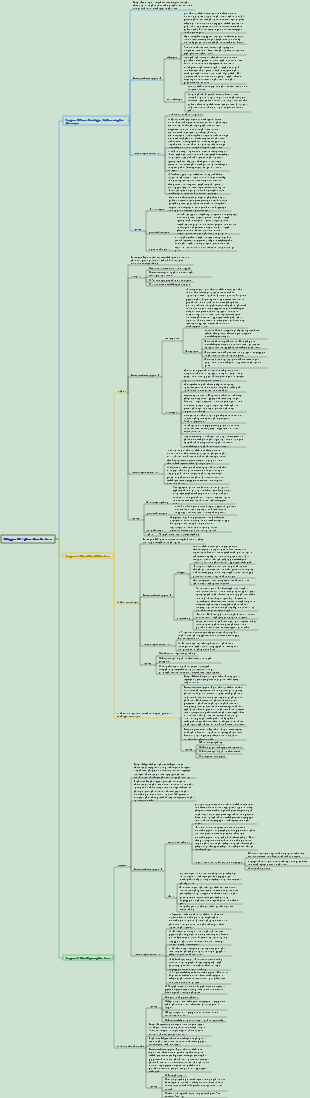
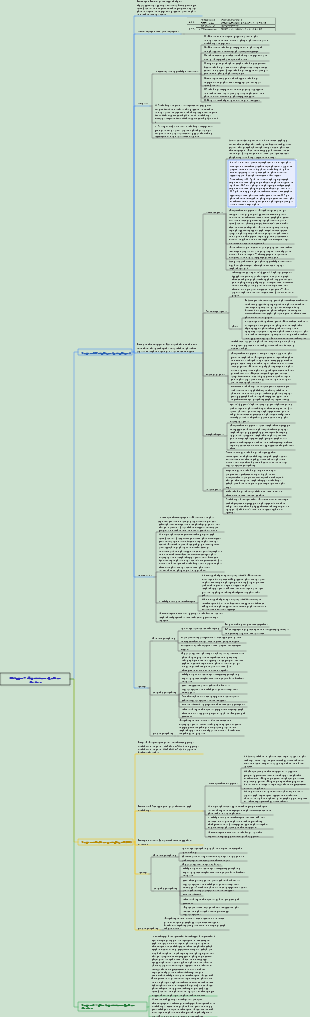
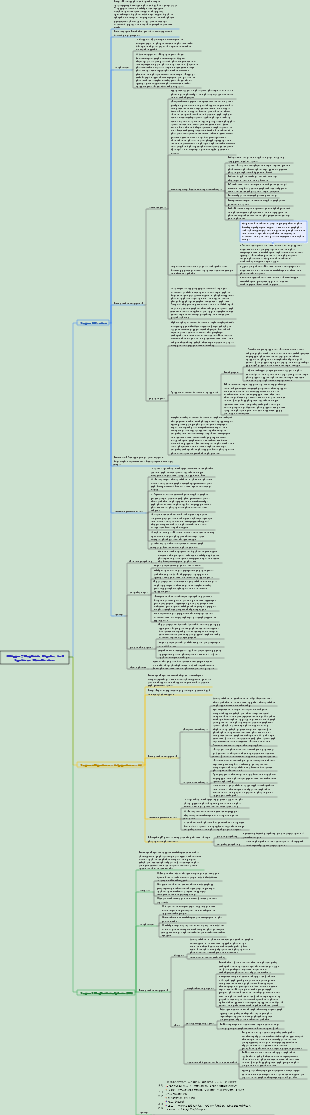
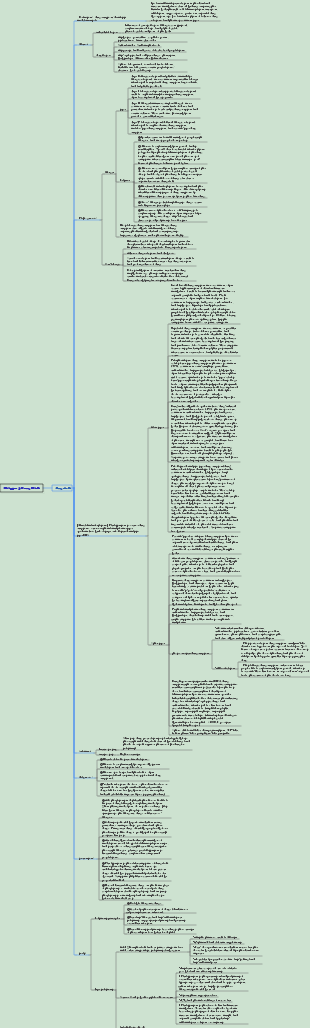
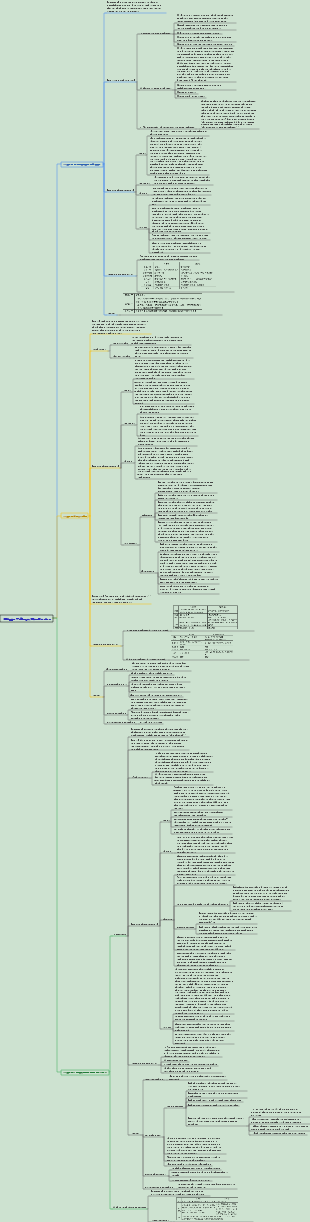
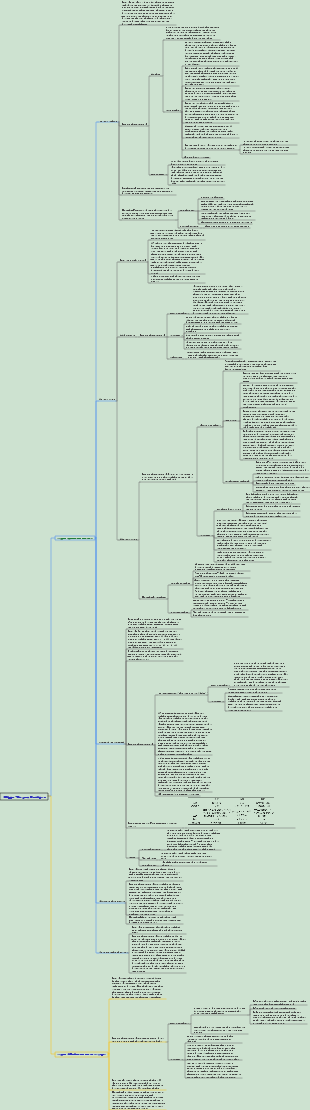
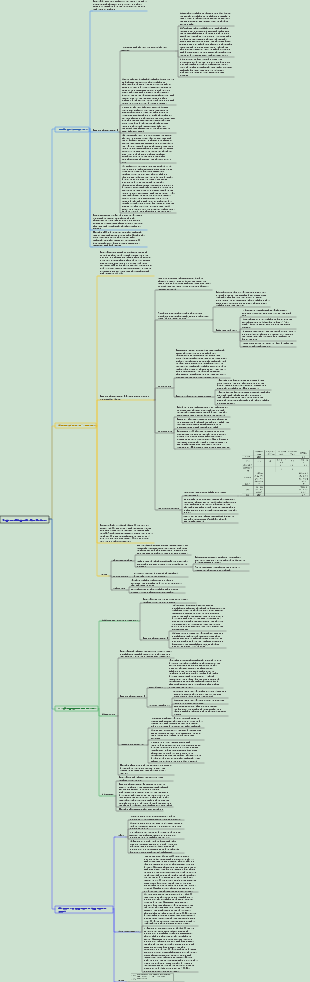
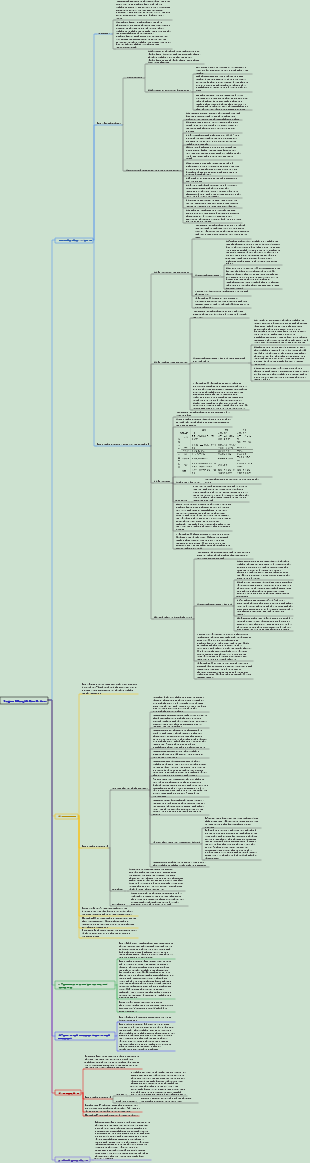
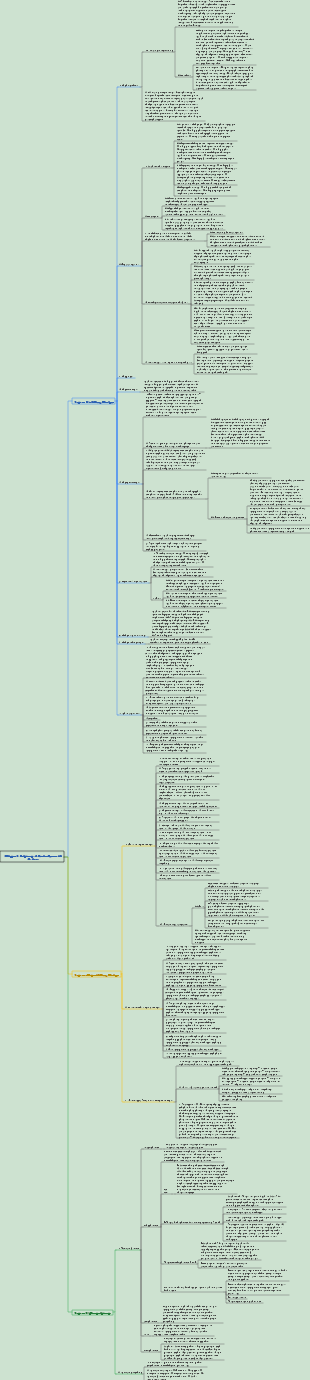
004 Biogenic Skin Diseases Section 4, 1. STD: A general term for all diseases transmitted by sexual or similar sexual behaviors; it can not only cause urogenital organ lesions, but also invade the lymph nodes of the urogenital organs through the lymphatic system, and even It can spread to important organs and tissues throughout the body through hematogeny.
Edited at 2024-03-25 19:00:52本テンプレートは、日本人に人気の海外リゾート地「ハワイ・オアフ島」を対象とした、5 日間の充実したモデル旅行プランを体系化したマインドマップです。初めてハワイを訪れる旅行者、リピーター、家族連れやカップルなど、多様なニーズに対応するため、旅行基本情報・持ち物チェックリスト・5 日間詳細スケジュール・オプションプラン・事前準備情報の 5 つの軸で構成されています。対象読者は日本からオアフ島へ旅行を計画中の 20〜50 代の旅行者であり、成果指標としては、情報の網羅性(渡航手続きから現地体験まで必要な項目が過不足なく含まれているか)、実用性(移動時間や費用、予約のタイミングなどの正確さ)、体験の充実度(自然・文化・アクティビティ・食事のバランス)を測定します。 ユーザーニーズ分析では、渡航準備・現地移動・体験プラン・安全情報の 4 領域を掘り下げます。渡航準備においては、ESTA 申請、飛行機の予約、為替、パスポートの有効期限、海外旅行保険など、事前に整えるべき情報が不足していると計画が難しくなります。求められる価値としては、渡航に必要な手続きの流れ、必要な持ち物リスト、季節別の服装アドバイス、現地で使えるアプリや連絡先などが考えられます。現地移動では、ワイキキ内の徒歩・バス移動、レンタカーの利用方法、空港からのアクセス、交通機関のルール(右側通行など)が主な関心事です。悩みとしては、バスの路線が分からない、レンタカーの予約手続きが不安、現地での移動時間の目安が分からないなどが挙げられます。体験プランでは、ビーチでのんびり、ダイヤモンドヘッドのハイキング、ノースショアでのサーフィン、ハレイワタウン散策、ポリネシアン・カルチャーセンターでの文化体験など、オアフ島の魅力を網羅したプランが求められます。悩みとしては、限られた日数で主要スポットを効率よく回れない、予算に合ったアクティビティの選び方が分からない、人気のレストランやショップの情報が不足しているなどが挙げられます。安全情報では、ハワイ特有の注意点(紫外線対策、海での安全ルール、治安情報)、緊急時の連絡先、現地でのトラブル対応方法など、旅行者が不安に感じる点を整理することが重要です。 5 日間のモデルコースでは、各日のテーマを明確に設定し、体験のバランスを考慮しています。1 日目は「到着日・ワイキキ慣らし」として、ホノルル国際空港に到着後、ワイキキのホテルにチェックインし、夕方からワイキキビーチでのんびりしたり、夜は地元料理を味わったりして、ハワイの雰囲気に慣れる行程です。2 日目は「自然体験&ショッピング」として、午前中にダイヤモンドヘッドのハイキングに挑戦し、午後はアラモアナセンターやワイキキでショッピングを楽しみ、夜はハワイアン・ルアウショーを鑑賞する行程です。3 日目は「歴史文化巡り」として、イオラニ宮殿やパールハーバー(真珠湾)を訪れてハワイの歴史に触れ、午後はダウンタウンホノルルで街歩きをし、夜はインターナショナルマーケットプレイスで食事や買い物を楽しむ行程です。4 日目は「北海岸&大自然体験」として、オプションでノースショアへ向かい、ハレイワタウンで散策したり、サーフィンを体験したり、美しいビーチでのんびり過ごす行程で、夜はワイキキに戻って食事を楽しみます。5 日目は「最終日・思い出作り」として、午前中にワイキキビーチでの最後の散策や、お土産を買いに街を巡り、午後は空港へ移動して帰国する行程です。各日には、おすすめの時間帯、混雑しにくいタイミング、予約が必要なアクティビティの情報などを付け加え、実際に旅行する際の参考になるよう工夫しています。 また、テンプレートには持ち物チェックリストも含まれており、パスポート・ESTA、海外旅行保険証書、現金・クレジットカード、日焼け止め・帽子・サングラス、歩きやすい靴、薬、充電器など、海外旅行に必要なアイテムをリストアップしています。さらに、事前準備情報として、ネット環境の確保、現地で使えるアプリ、緊急連絡先、季節別の服装アドバイスなども記載し、旅行者の不安を解消するようサポートします。 EdrawMind のマインドマップ機能を活用することで、ユーザーは自身の旅行スタイルに合わせて行程を追加・削除したり、好みのアクティビティをハイライトしたりすることができます。例えば、ゆっくりリゾートを楽しみたい方はショッピングやハイキングの時間を減らしてビーチでの時間を増やしたり、アクティブに過ごしたい方はノースショアでのサーフィンやダイビングを追加したりするなど、カスタマイズも自由自在です。このテンプレートは、オアフ島の旅行計画を立てる際の基盤として活用することを想定しており、主要な情報が一目で分かるよう整理されているため、初めてハワイを

本テンプレートは、古都・奈良の世界遺産、鹿とのふれあい、歴史的な雰囲気を存分に楽しむための 1 泊 2 日旅行プランを体系化したマインドマップです。修学旅行や短期文化旅行、週末の小旅行に人気の奈良を対象に、イメージ・種類・交通・宿泊の 4 つの基本軸を設け、2 日間の具体的な行程を時系列で整理しています。対象読者は大阪・京都在住の 20〜40 代の一人旅・カップル・家族連れ、初めて奈良を訪れる旅行者、世界遺産や日本文化に興味のある層であり、成果指標としては、行程の網羅性(主要スポットが過不足なく含まれているか)、実用性(移動時間や混雑情報の正確さ)、体験の充実度(鹿とのふれあい・文化体験の満足度)を測定します。 ユーザーニーズ分析では、行程・体験・交通・注意点の 4 領域を掘り下げます。行程においては、「東大寺」「春日大社」「奈良国立博物館」といった世界遺産の回り方、「奈良公園」での鹿とのふれあい、「奈良町」の古い町並み散策がユーザーの関心事となります。悩みとしては、限られた時間で主要スポットを効率よく回れない、鹿との接し方が分からない、徒歩移動の負担が心配などが挙げられます。求められる価値としては、時間帯別のおすすめルート、鹿と安全に接するためのマナー説明、無理のない徒歩移動のための休憩ポイント案内が考えられます。体験面では、鹿せんべいの購入場所や与え方、春日大社の灯篭や御朱印の魅力、奈良町のカフェや伝統工芸体験など、現地でしか味わえない体験情報が求められます。交通においては、奈良市内のバス路線や一日券の情報、主要スポット間の徒歩時間、雨天時の移動手段など、事前に知っておくべき情報が不足していると計画が難しくなります。注意点では、天候対策(夏の暑さや冬の寒さ)、スケジュールのゆとり作り、写真撮影のルールやマナー、ゴミの持ち帰りなど、旅行者が見落としがちな点を整理することが重要です。 行程の中でも、特に人気の高いスポットには詳細な情報を盛り込んでいます。「東大寺」は世界遺産に登録されており、奈良時代に建立された日本を代表する寺院で、世界最大級の木造建築物である大仏殿や、高さ約 15 メートルの盧舎那仏(奈良の大仏)が有名です。事前にコインロッカーに荷物を預けて身軽になってから訪れることで、ゆっくりと境内を散策できるほか、大仏殿の柱の穴をくぐると「厄除けになる」という言い伝えもあり、多くの観光客が体験しています。「奈良公園」は東大寺や春日大社を含む広大な公園で、約 1,300 頭の野生の鹿が自由に生息しており、鹿せんべいを使って鹿とふれあうことができます。ただし、鹿は野生動物であるため、エサの与え方や触れ方には注意が必要で、事前にルールを確認しておくことが推奨されます。「春日大社」は朱色の社殿と美しい灯篭が特徴的な世界遺産で、参道には 3,000 基を超える石灯篭が並び、神聖な雰囲気を醸し出しています。特に夜間にライトアップされた灯篭は幻想的で、写真撮影にも人気です。 1 泊 2 日のモデルコースでは、初日に東大寺・奈良公園・春日大社を巡り、夜は奈良町の古い町並みを散策して地元料理を味わう行程を提案しています。二日目には、若草山から奈良の街並みを一望した後、興福寺や奈良国立博物館を訪れ、奈良町で伝統工芸体験やカフェ巡りを楽しんでから帰路に就く流れとなっています。各スポットには、徒歩時間や混雑しにくい時間帯、おすすめの食事処などの情報を付け加え、実際に旅行する際の参考になるよう工夫しています。また、旅行の注意点として、スケジュールは体調に合わせて無理のないペースで調整すること、天候に合わせて水分補給や防寒・防暑対策を徹底すること、神社仏閣での写真撮影ルールを守ることなどを記載し、安全で快適な旅行をサポートします。 EdrawMind のマインドマップ機能を活用することで、ユーザーは自身の旅行スタイルに合わせて行程を追加・削除したり、好みのスポットをハイライトしたりすることができます。一人旅向けには静かなカフェ巡りを追加したり、家族連れ向けには鹿とのふれあい体験を充実させたりするなど、カスタマイズも自由自在です。このテンプレートは、奈良の旅行計画を立てる際の基盤として活用することを想定しており、主要な情報が一目で分かるよう整理されているため、初めて奈良を訪れる方でも安心して旅行を楽しむことができます。
本テンプレートは、東京から約90分でアクセス可能な温泉・富士山・美術館が融合したリゾート地「箱根」の週末旅行ガイドを体系化したマインドマップです。カップルや家族連れに人気の週末旅行先として、交通アクセス、観光スポット、名物料理の3軸で構成され、効率的な旅行計画と満足度の高い体験を実現することを目的としています。対象読者は東京在住の20〜40代のカップル・家族連れ、初めて箱根を訪れる旅行者、週末の小旅行を計画中の層であり、成果指標としては、情報の網羅性(必要な項目が過不足なく含まれているか)、実用性(実際の移動時間や料金の正確さ)、満足度(モデルプランの再現性)を測定します。 ユーザーニーズ分析では、交通アクセス、観光スポット、グルメの3領域を掘り下げます。交通アクセスにおいては、東京からの行き方(小田急ロマンスカー約85分・指定席、新宿→箱根湯本、普通電車約2時間・乗換2回)、箱根内の移動手段(登山電車・バス・ケーブルカー・ロープウェイ)、お得な周遊券(箱根フリーパス・2日券)の情報が不足していると計画が難しくなります。求められる価値としては、交通機関別の所要時間・料金・乗換回数を比較した表、周遊券の特典内容(主要観光施設の割引)と購入場所、移動手段ごとのメリット・デメリットが考えられます。観光スポットでは、「箱根ガラスの森美術館」「クモ箱根(早雲山駅)」「芦ノ湖の夕暮れ遊覧船」などが代表的です。悩みとしては、美術館や自然スポットが多すぎて選べない、夕暮れ時の遊覧船のベストタイミングが分からない、写真映えするスポットを知りたいなどが挙げられます。価値ある情報として、おすすめスポットの特徴と所要時間、夕暮れ時の撮影ポイント、カップル向け・家族向けの選別基準を提供します。名物料理では、「黒たまご(大涌谷)」「温泉豆腐」などが代表的です。悩みは、どこで何を食べれば良いか分からない、観光地価格に見合う価値があるか、アレルギーや食事制限への対応などです。求められる価値として、名物料理の特徴とおすすめ店舗、価格帯、食べるタイミング(例:黒たまごは大涌谷観光の合間に)を整理します。 カップルにおすすめスポットとして、「箱根ガラスの森美術館」はユネスコ世界遺産(※正確には箱根地域全体がジオパークに認定されていますが、イメージとして)の美しい庭園とガラス作品が魅力です。写真はイメージですが、実際の訪日客にも人気のスポットです。名物料理のセクションでは、「黒たまご」は大涌谷の火山活動を利用して茹でられた卵で、殻が黒くなるのが特徴です。伝統的な名物料理として、食べると寿命が延びると言われています。「温泉豆腐」も地元の温泉を利用した料理で、なめらかな食感が特徴です。これらの情報をマップ上で可視化し、移動ルートと組み合わせることで、無駄のない観光計画が立てられます。 成功するための具体施策としては、主要スポットを時系列で結んだ「1泊2日モデルコース」を提供する(例:1日目:新宿→箱根湯本→登山電車→強羅→大涌谷→芦ノ湖遊覧船→宿泊、2日目:箱根ガラスの森美術館→箱根湯本→帰京)、各スポットの「混雑予想時間帯」と「穴場時間帯」をデータで示す(例:芦ノ湖遊覧船は夕暮れ時が混雑するが、その分景色は絶景)、名物料理を食べられる店舗の「営業時間・定休日・予約可否」をリスト化する、の3点が有効です。よくある失敗とその回避策としては、移動手段の乗換えが複雑で迷ってしまうケースでは箱根フリーパスの活用と事前のルート確認を推奨すること、観光スポットの滞在時間を見誤って計画が詰まりすぎるケースでは余裕を持ったスケジューリングと優先順位付けをアドバイスすること、天候によって富士山が見えない場合の代替プラン(雨天でも楽しめる美術館や温泉施設)を用意しておくことが有効です。本テンプレートは、週末旅行ガイドのコンテンツを計画・評価する際の基盤として活用することを想定しています。
本テンプレートは、日本人に人気の海外リゾート地「ハワイ・オアフ島」を対象とした、5 日間の充実したモデル旅行プランを体系化したマインドマップです。初めてハワイを訪れる旅行者、リピーター、家族連れやカップルなど、多様なニーズに対応するため、旅行基本情報・持ち物チェックリスト・5 日間詳細スケジュール・オプションプラン・事前準備情報の 5 つの軸で構成されています。対象読者は日本からオアフ島へ旅行を計画中の 20〜50 代の旅行者であり、成果指標としては、情報の網羅性(渡航手続きから現地体験まで必要な項目が過不足なく含まれているか)、実用性(移動時間や費用、予約のタイミングなどの正確さ)、体験の充実度(自然・文化・アクティビティ・食事のバランス)を測定します。 ユーザーニーズ分析では、渡航準備・現地移動・体験プラン・安全情報の 4 領域を掘り下げます。渡航準備においては、ESTA 申請、飛行機の予約、為替、パスポートの有効期限、海外旅行保険など、事前に整えるべき情報が不足していると計画が難しくなります。求められる価値としては、渡航に必要な手続きの流れ、必要な持ち物リスト、季節別の服装アドバイス、現地で使えるアプリや連絡先などが考えられます。現地移動では、ワイキキ内の徒歩・バス移動、レンタカーの利用方法、空港からのアクセス、交通機関のルール(右側通行など)が主な関心事です。悩みとしては、バスの路線が分からない、レンタカーの予約手続きが不安、現地での移動時間の目安が分からないなどが挙げられます。体験プランでは、ビーチでのんびり、ダイヤモンドヘッドのハイキング、ノースショアでのサーフィン、ハレイワタウン散策、ポリネシアン・カルチャーセンターでの文化体験など、オアフ島の魅力を網羅したプランが求められます。悩みとしては、限られた日数で主要スポットを効率よく回れない、予算に合ったアクティビティの選び方が分からない、人気のレストランやショップの情報が不足しているなどが挙げられます。安全情報では、ハワイ特有の注意点(紫外線対策、海での安全ルール、治安情報)、緊急時の連絡先、現地でのトラブル対応方法など、旅行者が不安に感じる点を整理することが重要です。 5 日間のモデルコースでは、各日のテーマを明確に設定し、体験のバランスを考慮しています。1 日目は「到着日・ワイキキ慣らし」として、ホノルル国際空港に到着後、ワイキキのホテルにチェックインし、夕方からワイキキビーチでのんびりしたり、夜は地元料理を味わったりして、ハワイの雰囲気に慣れる行程です。2 日目は「自然体験&ショッピング」として、午前中にダイヤモンドヘッドのハイキングに挑戦し、午後はアラモアナセンターやワイキキでショッピングを楽しみ、夜はハワイアン・ルアウショーを鑑賞する行程です。3 日目は「歴史文化巡り」として、イオラニ宮殿やパールハーバー(真珠湾)を訪れてハワイの歴史に触れ、午後はダウンタウンホノルルで街歩きをし、夜はインターナショナルマーケットプレイスで食事や買い物を楽しむ行程です。4 日目は「北海岸&大自然体験」として、オプションでノースショアへ向かい、ハレイワタウンで散策したり、サーフィンを体験したり、美しいビーチでのんびり過ごす行程で、夜はワイキキに戻って食事を楽しみます。5 日目は「最終日・思い出作り」として、午前中にワイキキビーチでの最後の散策や、お土産を買いに街を巡り、午後は空港へ移動して帰国する行程です。各日には、おすすめの時間帯、混雑しにくいタイミング、予約が必要なアクティビティの情報などを付け加え、実際に旅行する際の参考になるよう工夫しています。 また、テンプレートには持ち物チェックリストも含まれており、パスポート・ESTA、海外旅行保険証書、現金・クレジットカード、日焼け止め・帽子・サングラス、歩きやすい靴、薬、充電器など、海外旅行に必要なアイテムをリストアップしています。さらに、事前準備情報として、ネット環境の確保、現地で使えるアプリ、緊急連絡先、季節別の服装アドバイスなども記載し、旅行者の不安を解消するようサポートします。 EdrawMind のマインドマップ機能を活用することで、ユーザーは自身の旅行スタイルに合わせて行程を追加・削除したり、好みのアクティビティをハイライトしたりすることができます。例えば、ゆっくりリゾートを楽しみたい方はショッピングやハイキングの時間を減らしてビーチでの時間を増やしたり、アクティブに過ごしたい方はノースショアでのサーフィンやダイビングを追加したりするなど、カスタマイズも自由自在です。このテンプレートは、オアフ島の旅行計画を立てる際の基盤として活用することを想定しており、主要な情報が一目で分かるよう整理されているため、初めてハワイを
本テンプレートは、古都・奈良の世界遺産、鹿とのふれあい、歴史的な雰囲気を存分に楽しむための 1 泊 2 日旅行プランを体系化したマインドマップです。修学旅行や短期文化旅行、週末の小旅行に人気の奈良を対象に、イメージ・種類・交通・宿泊の 4 つの基本軸を設け、2 日間の具体的な行程を時系列で整理しています。対象読者は大阪・京都在住の 20〜40 代の一人旅・カップル・家族連れ、初めて奈良を訪れる旅行者、世界遺産や日本文化に興味のある層であり、成果指標としては、行程の網羅性(主要スポットが過不足なく含まれているか)、実用性(移動時間や混雑情報の正確さ)、体験の充実度(鹿とのふれあい・文化体験の満足度)を測定します。 ユーザーニーズ分析では、行程・体験・交通・注意点の 4 領域を掘り下げます。行程においては、「東大寺」「春日大社」「奈良国立博物館」といった世界遺産の回り方、「奈良公園」での鹿とのふれあい、「奈良町」の古い町並み散策がユーザーの関心事となります。悩みとしては、限られた時間で主要スポットを効率よく回れない、鹿との接し方が分からない、徒歩移動の負担が心配などが挙げられます。求められる価値としては、時間帯別のおすすめルート、鹿と安全に接するためのマナー説明、無理のない徒歩移動のための休憩ポイント案内が考えられます。体験面では、鹿せんべいの購入場所や与え方、春日大社の灯篭や御朱印の魅力、奈良町のカフェや伝統工芸体験など、現地でしか味わえない体験情報が求められます。交通においては、奈良市内のバス路線や一日券の情報、主要スポット間の徒歩時間、雨天時の移動手段など、事前に知っておくべき情報が不足していると計画が難しくなります。注意点では、天候対策(夏の暑さや冬の寒さ)、スケジュールのゆとり作り、写真撮影のルールやマナー、ゴミの持ち帰りなど、旅行者が見落としがちな点を整理することが重要です。 行程の中でも、特に人気の高いスポットには詳細な情報を盛り込んでいます。「東大寺」は世界遺産に登録されており、奈良時代に建立された日本を代表する寺院で、世界最大級の木造建築物である大仏殿や、高さ約 15 メートルの盧舎那仏(奈良の大仏)が有名です。事前にコインロッカーに荷物を預けて身軽になってから訪れることで、ゆっくりと境内を散策できるほか、大仏殿の柱の穴をくぐると「厄除けになる」という言い伝えもあり、多くの観光客が体験しています。「奈良公園」は東大寺や春日大社を含む広大な公園で、約 1,300 頭の野生の鹿が自由に生息しており、鹿せんべいを使って鹿とふれあうことができます。ただし、鹿は野生動物であるため、エサの与え方や触れ方には注意が必要で、事前にルールを確認しておくことが推奨されます。「春日大社」は朱色の社殿と美しい灯篭が特徴的な世界遺産で、参道には 3,000 基を超える石灯篭が並び、神聖な雰囲気を醸し出しています。特に夜間にライトアップされた灯篭は幻想的で、写真撮影にも人気です。 1 泊 2 日のモデルコースでは、初日に東大寺・奈良公園・春日大社を巡り、夜は奈良町の古い町並みを散策して地元料理を味わう行程を提案しています。二日目には、若草山から奈良の街並みを一望した後、興福寺や奈良国立博物館を訪れ、奈良町で伝統工芸体験やカフェ巡りを楽しんでから帰路に就く流れとなっています。各スポットには、徒歩時間や混雑しにくい時間帯、おすすめの食事処などの情報を付け加え、実際に旅行する際の参考になるよう工夫しています。また、旅行の注意点として、スケジュールは体調に合わせて無理のないペースで調整すること、天候に合わせて水分補給や防寒・防暑対策を徹底すること、神社仏閣での写真撮影ルールを守ることなどを記載し、安全で快適な旅行をサポートします。 EdrawMind のマインドマップ機能を活用することで、ユーザーは自身の旅行スタイルに合わせて行程を追加・削除したり、好みのスポットをハイライトしたりすることができます。一人旅向けには静かなカフェ巡りを追加したり、家族連れ向けには鹿とのふれあい体験を充実させたりするなど、カスタマイズも自由自在です。このテンプレートは、奈良の旅行計画を立てる際の基盤として活用することを想定しており、主要な情報が一目で分かるよう整理されているため、初めて奈良を訪れる方でも安心して旅行を楽しむことができます。
本テンプレートは、東京から約90分でアクセス可能な温泉・富士山・美術館が融合したリゾート地「箱根」の週末旅行ガイドを体系化したマインドマップです。カップルや家族連れに人気の週末旅行先として、交通アクセス、観光スポット、名物料理の3軸で構成され、効率的な旅行計画と満足度の高い体験を実現することを目的としています。対象読者は東京在住の20〜40代のカップル・家族連れ、初めて箱根を訪れる旅行者、週末の小旅行を計画中の層であり、成果指標としては、情報の網羅性(必要な項目が過不足なく含まれているか)、実用性(実際の移動時間や料金の正確さ)、満足度(モデルプランの再現性)を測定します。 ユーザーニーズ分析では、交通アクセス、観光スポット、グルメの3領域を掘り下げます。交通アクセスにおいては、東京からの行き方(小田急ロマンスカー約85分・指定席、新宿→箱根湯本、普通電車約2時間・乗換2回)、箱根内の移動手段(登山電車・バス・ケーブルカー・ロープウェイ)、お得な周遊券(箱根フリーパス・2日券)の情報が不足していると計画が難しくなります。求められる価値としては、交通機関別の所要時間・料金・乗換回数を比較した表、周遊券の特典内容(主要観光施設の割引)と購入場所、移動手段ごとのメリット・デメリットが考えられます。観光スポットでは、「箱根ガラスの森美術館」「クモ箱根(早雲山駅)」「芦ノ湖の夕暮れ遊覧船」などが代表的です。悩みとしては、美術館や自然スポットが多すぎて選べない、夕暮れ時の遊覧船のベストタイミングが分からない、写真映えするスポットを知りたいなどが挙げられます。価値ある情報として、おすすめスポットの特徴と所要時間、夕暮れ時の撮影ポイント、カップル向け・家族向けの選別基準を提供します。名物料理では、「黒たまご(大涌谷)」「温泉豆腐」などが代表的です。悩みは、どこで何を食べれば良いか分からない、観光地価格に見合う価値があるか、アレルギーや食事制限への対応などです。求められる価値として、名物料理の特徴とおすすめ店舗、価格帯、食べるタイミング(例:黒たまごは大涌谷観光の合間に)を整理します。 カップルにおすすめスポットとして、「箱根ガラスの森美術館」はユネスコ世界遺産(※正確には箱根地域全体がジオパークに認定されていますが、イメージとして)の美しい庭園とガラス作品が魅力です。写真はイメージですが、実際の訪日客にも人気のスポットです。名物料理のセクションでは、「黒たまご」は大涌谷の火山活動を利用して茹でられた卵で、殻が黒くなるのが特徴です。伝統的な名物料理として、食べると寿命が延びると言われています。「温泉豆腐」も地元の温泉を利用した料理で、なめらかな食感が特徴です。これらの情報をマップ上で可視化し、移動ルートと組み合わせることで、無駄のない観光計画が立てられます。 成功するための具体施策としては、主要スポットを時系列で結んだ「1泊2日モデルコース」を提供する(例:1日目:新宿→箱根湯本→登山電車→強羅→大涌谷→芦ノ湖遊覧船→宿泊、2日目:箱根ガラスの森美術館→箱根湯本→帰京)、各スポットの「混雑予想時間帯」と「穴場時間帯」をデータで示す(例:芦ノ湖遊覧船は夕暮れ時が混雑するが、その分景色は絶景)、名物料理を食べられる店舗の「営業時間・定休日・予約可否」をリスト化する、の3点が有効です。よくある失敗とその回避策としては、移動手段の乗換えが複雑で迷ってしまうケースでは箱根フリーパスの活用と事前のルート確認を推奨すること、観光スポットの滞在時間を見誤って計画が詰まりすぎるケースでは余裕を持ったスケジューリングと優先順位付けをアドバイスすること、天候によって富士山が見えない場合の代替プラン(雨天でも楽しめる美術館や温泉施設)を用意しておくことが有効です。本テンプレートは、週末旅行ガイドのコンテンツを計画・評価する際の基盤として活用することを想定しています。
Section 5 Sexually transmitted diseases (STD)
Overview
【definition】
1.STD: A general term for diseases transmitted by sexual or similar sexual behaviors; it can not only cause lesions in the urogenital organs, but also invade the lymph nodes belonging to the urogenital organs through the lymphatic system, and can even spread to important organs and tissues throughout the body through the bloodstream.
2. STD symptom management (syndromic management): It summarizes the clinical manifestations of patients. Each type of related symptoms and signs is a symptom, including abnormal male urethral secretions, abnormal female vaginal secretions, external genital ulcers, Eight major symptoms of external genital neoplasia, female lower abdominal pain, inguinal lymphadenopathy, scrotal swelling, and neonatal conjunctivitis; design a corresponding flow chart for the treatment of each symptom, and provide diagnosis, treatment, health education, consultation, and sexual partner support to the patient. Comprehensive treatment including notification, treatment targeting all pathogenic microorganisms that may cause the symptoms
[Types] Including classic sexually transmitted diseases (syphilis, gonorrhea, chancroid, LGV, granuloma inguinale), GH, CA, NGU, molluscum contagiosum, vaginal trichomoniasis, genital candidiasis, pubic lice, scabies, viral hepatitis , AIDS, etc.; the following only introduces the "eight major sexually transmitted diseases" that my country focuses on prevention and control.
[Transmission route] Sexual contact transmission (>95%), indirect direct transmission, blood transmission, vertical transmission, iatrogenic transmission, organ transplantation, artificial insemination
1. Gonorrhea (most common)
[Cause] Neisseria gonorrhoeae (gonococcus): Humans are the only natural host and source of infection; most are sexually transmitted
[Clinical manifestations] More common in sexually active young and middle-aged people
Gonorrhea without complications (simple)
Definition: Refers to a single local gonococcal infection of the mucosa in the genitourinary tract or other parts of the body
type
Gonococcal urethritis: urethral orifice redness, swelling, mild itching, and yellow mucus/purulent secretion will appear 3 to 5 days after unclean sexual intercourse. There may be pain/burning sensation during urination and frequent urination; it may spread if not treated in time. When reaching the posterior urethra, symptoms include frequent urination, low urination, posterior urethral pain, and terminal hematuria. There may be systemic symptoms such as fever, and inguinal lymph node redness and pain. Frequent urination and hematuria are more obvious in women.
Gonococcal cervicitis: The endocervix is the initial site of gonorrhea in women, but it is often asymptomatic; those with symptoms show abnormal and increased vaginal secretions, purulent leucorrhea, and vulvar itching; examination shows cervical erosion, congestion, and purulence Leucorrhea/discharge
Gonococcal conjunctivitis: It is more common in newborns 48 hours after birth (bilateral), and in adults it is mostly due to self-inoculation/contact with items contaminated by secretions (unilateral); in severe cases, it can cause blindness
Gonococcal pharyngitis: mostly manifests as acute pharyngitis/acute tonsillitis
Gonococcal anorectitis: mostly asymptomatic; those with symptoms may present with anal itching, rectal tingling/burning sensation, mucopurulent secretions, tenesmus, hematochezia, constipation, and may even cause perianal abscess and anal fistula.
Gonorrhea in children: ophthalmia neonatorum and gonococcal vulvovaginitis in young girls are more common
Comorbid gonorrhea
Definition: On the basis of the above simple gonorrhea, gonococcal infection of other tissues and organs occurs simultaneously
Men: gonococcal prostatitis, seminal vesiculitis, epididymitis, urethral stricture, balanitis, parafrenulum, paraurethritis, raphe abscess of the penis
Women: Gonococcal salpingitis, pelvic inflammatory disease, fallopian tube/ovarian abscess, peritonitis, perianitis, Bartholinitis, Bartholin abscess
Disseminated gonorrhea (1-3%)
Definition: Spread of gonorrhea throughout the body through blood/lymphatic vessels; seen in untreated women and gay men
Performance
bacteremia stage
Fever, chills, rash (hemorrhagic, erythematous suprapapular herpes), polyarticular arthritis; blood gonorrhea cultures were often positive
septic arthritis stages
A large joint is involved, and there is obvious exudate; but the rash is small and systemic symptoms are mild; blood gonorrhea cultures are often negative.
[Examination] ① Direct smear microscopy: only has diagnostic significance for male urethral secretions (typical gram-negative diplococci are seen in polymorphonuclear leukocytes); ② Gonococcal culture: the only recommended diagnostic method
【treat】
Treatment principles
① Early diagnosis and early treatment; ② Use medication in a timely, sufficient and regular manner, and adopt corresponding treatment plans according to different conditions; ③ Sexual intercourse is prohibited during treatment, and infected sexual partners should be treated at the same time; ④ Pay attention to the cleanliness of the external genitalia, and be strict with girls and children Isolate; ⑤ Pay attention to whether there are other STD pathogen infections at the same time; ⑥ Follow up and judge recovery after treatment
Criteria for recovery
① Within 2 weeks after the end of treatment, all symptoms and signs disappear without sexual contact; ② 4 to 7 days after the end of treatment, take materials from the affected area and make smear and culture negative
2. Nongonococcal urethritis (NGU)
[Definition] Refers to a type of urethritis that is sexually transmitted. The inflammation of the urethra is obvious but no gonococci can be found in the urethral secretions.
[Cause] Such as Chlamydia trachomatis (25~55%), Ureaplasma urealyticum (20~40%), Trichomonas vaginalis (2~5%), HSV
[Clinical manifestations] More common in sexually active young and middle-aged people
male
Symptoms are similar to gonococcal urethritis but milder; most of the time the urethra needs to be squeezed by hand to see the secretion overflowing, which is small and thin, serous/purulent; sometimes it can be seen after a long period of not urinating or before urinating for the first time in the morning. The secretion that overflows from the urethra contaminates the underwear, and when it becomes sticky, it can block the urethra (life)
female
Symptoms are not obvious or asymptomatic; when symptoms are present, they are often characterized by frequent urination and difficulty urinating, and rarely painful urination.
newborn
conjunctivitis, pneumonia
Comorbidities
Epididymitis, prostatitis, salpingitis, pelvic inflammatory disease, and Reiter's triad (urethritis, conjunctivitis, arthritis) may occur when treatment is not timely or thorough.
[Treatment] Azithromycin, doxycycline, and erythromycin are preferred; criteria for recovery: symptoms disappear 1 week after treatment, urethral secretion smear shows ≤4 polymorphonuclear leukocytes, and pathogen test is negative
3. Syphilis
[Cause] Treponema pallidum (TP): Artificial culture is difficult. It is generally inoculated into rabbit testicles for preservation and passage; through sexual contact (mainly; especially 1 to 2 years after infection), placenta, and other forms of contact, Blood transfusion transmission (blood of syphilis patients refrigerated within 3 days is still contagious)
[Clinical manifestations]
acquired syphilis
Early syphilis: duration <2 years
Primary syphilis: occurs 2 to 4 weeks after unclean sexual intercourse; it is most common in the genitals, mostly on the foreskin, coronal sulcus or glans in men, and on the labia majora or cervix in women; it can heal on its own in about 1 month, and can be left behind Scarring/Pigmentation
Typical manifestation - Chancre: Rice-like infiltration appears in the skin and mucous membranes, which gradually proliferates and expands into a round/oval shape higher than the skin surface, with clear boundaries, beef color, and a skin lesion that is as hard as cartilage when touched. The surface may be There are ulcers and serous secretions (containing a large amount of TP), without pain/tenderness; multiple single ones, about 1cm in diameter; with diagnostic value
Sclerosing lymphadenitis: 1 to 2 weeks after the onset of chancre, the ipsilateral lymph nodes are swollen but painless and non-adhesive; another 1 to 2 weeks later, the contralateral lymph nodes are also swollen; a large amount of TP can be seen in lymph node puncture examination
Generally, there are no systemic symptoms; in early chancre, there are many spirochetes but the seronegative reaction is negative; in the late chancre, there are very few spirochetes but the seropositive reaction is positive.
Secondary syphilis: If primary syphilis is left untreated/incompletely treated, TP enters the blood from the lymphatic system to form bacteremia and spreads throughout the body; it often occurs 1 month after the chancre subsides.
Systemic symptoms: sudden headache, dizziness, anorexia, fatigue, low fever, muscle aches throughout the body, flu-like symptoms, swollen lymph nodes throughout the body
Secondary cutaneous and mucosal syphilis: 3 to 4 days after the onset of systemic symptoms, symmetrical, widespread, and densely distributed macules appear all over the body. They do not merge with each other. They are slightly larger than soybeans, brown-red, have clear borders, and are consistent in size and shape. Painful or itchy; can disappear within days to weeks
Squamous annular syphilis rash on the palms: common, soybean-sized, round, with raised collar-like scales on the edges, not fused, with a certain degree of symmetry; distributed in the palms and adjacent wrists, with certain characteristics sex
Condyloma latum: Occurs in the moist parts of the anus and external genitalia. It proliferates and merges into thick flakes. It appears as flesh-red flat papules/plaques. The surface is eroded and moist or lightly crusted, and is hard and smooth to touch; Contains a large amount of TP and is highly contagious
Syphilitic alopecia (syphilitic alopecia): caused by TP invasion of hair follicles, resulting in insufficient blood supply to the hair area; manifestation
It is localized/diffuse hair loss with moth-eaten appearance; hair is sparse and uneven in length; but it is not permanent.
Other types: gray-black pigmented spots (most common on the forehead, head and occiput), syphilitic leukoplakia (depigmentation), papular syphilis, pustular syphilis, oyster shell-like syphilis, hair follicle papule type syphilis rash
Second stage bone damage: manifests as periostitis (most common) and arthritis; pain worsens at night/when resting, reduces during the day/during activities, and may be exacerbated when first receiving anti-pneumonia treatment
Secondary ocular syphilis: iritis, iridocyclitis, choroiditis, optic neuritis, retinitis
Secondary neurosyphilis: asymptomatic neurosyphilis (no clinical symptoms but cerebrospinal fluid abnormalities), syphilitic meningitis, cerebrovascular syphilis, meningovascular syphilis
Other manifestations of secondary syphilis: multiple sclerosis lymphadenitis, visceral syphilis (rare)
Secondary recurrent syphilis
Due to insufficient anti-tuberculosis treatment or reduced body immunity, secondary damage may reappear after subsidence (1 to 2 years after infection); relapse is more common in serum
Characteristics of rash: ① Large number and limited distribution; ② Clustering tendency is more obvious, and can be ring-shaped, arc-shaped, crescent-shaped, or flower-shaped; ③ More destructive; ④ Prevalent to occur on the forehead, corners of the mouth, neck, and genitals , palm soles
Secondary syphilis recurs several times, and the symptoms may disappear without treatment and enter the latent period.
Late syphilis/tertiary syphilis: disease duration >2 years
Tertiary stage cutaneous and mucosal syphilis: often occurs 3 to 5 years after infection; mostly localized, isolated, infiltrative plaques/nodules, asymmetrical, slow to develop, highly destructive, and leaving scars after healing
Nodular syphilid rash (nodular syphilid): It usually occurs on the head, face, shoulders, back and extensor sides of the limbs; it appears as copper-red nodules, clustered in groups without fusion, and are ring-shaped, snake-shaped, or star-shaped; after ulceration The bottom surface is uneven, the edge is dike-shaped, and there is a parchment-like scar after healing; no subjective symptoms
Syphilitic gumma/syphilitic tumor: usually occurs in the calf, usually solitary; it starts as a painless subcutaneous nodule, and then enlarges and becomes necrotic in the center, forming an ulcer with sharp edges, and the base is purple-red granulation tissue. , secretes bloody gum-like pus; atrophic scars remain after 1 to 2 years of absorption; it is the most destructive skin lesion: septal gum swelling can destroy the nasal bones and form a saddle nose, and palate gum swelling can cause perforation
Juxta-articular nodules: Commonly found near large joints such as elbows, knees, and hips; they appear as symmetrical subcutaneous nodules with no inflammatory changes in the surface skin and are slightly painful when pressed.
Mucosal syphilis: arc-shaped, dark red infiltrated spots with edges
Tertiary stage bone syphilis and ocular syphilis: similar to the second stage
Late cardiovascular syphilis: mostly occurs 10 to 20 years after infection; manifests as syphilitic aortitis, aortic aneurysm, aortic valve insufficiency, coronary artery stenosis, and myocardial gumma
Tertiary neurosyphilis: mostly occurs 3 to 20 years after infection
Asymptomatic neurosyphilis
Meningovascular syphilis: focal meningeal syphilis, cerebrovascular syphilis, spinal meningovascular syphilis
Cerebral parenchymal syphilis: paralytic dementia, tuberculosis, optic atrophy
Latent syphilis/latent syphilis
When the disease duration is <2 years, it is called early latent syphilis, and when the disease duration is >2 years, it is called late latent syphilis.
Characteristics: There is a history of syphilis infection, no clinical symptoms or the clinical symptoms have disappeared, the cerebrospinal fluid is normal but the serum reaction is positive; its occurrence is related to the body's strong immunity or temporary suppression of TP by treatment; Treponema pallidum can still appear intermittently in the blood/body fluids , and then infect others and placental transmission (the most dangerous source of infection)
Prenatally transmitted syphilis
Characteristics: No chancre, early lesions are more serious than acquired syphilis, bones and sensory organs are more involved, and cardiovascular disease is less involved.
Early fetal-transmitted syphilis: age <2 years
Newborns: often born prematurely; emaciated, loose skin, multiple facial wrinkles, hoarse crying, and delayed development
Syphilitic rhinitis: usually appears 1 to 2 months after birth; causing nostril obstruction can cause difficulty in breathing and breastfeeding.
Skin lesions: Most appear 3 weeks after birth; manifestations are diverse, mostly seen on the head, face, extremities and arms, similar to second-stage acquired skin lesions; radial fissures can be seen around the mouth, and radial scars appear after healing (characteristic); anus and Condyloma-like lesions can be seen on the vulva
Syphilitic pseudoparalysis: Osteochondritis of long bones causes pain in the limbs and inability to move
With: anemia, thrombocytopenia, hepatosplenomegaly and systemic lymphadenopathy, nephrotic syndrome, meningitis
Late fetal-transmitted syphilis: age >2 years
Permanent marks: remnants of early lesions, but inactive; manifested as forehead convexity, saber shins, Hutchinson teeth, mulberry teeth, saddle nose, clavicle-sternal joint osteohypertrophy, and retinitis
Active damage: stromal keratitis, neurological deafness, cerebrospinal fluid abnormality, hepatosplenomegaly, nasal/palatal gumma, Clutton's joint swelling, arthritis, skin and mucosal damage
Clutton's joint: rare; manifests as painless swelling of bilateral knee joints, mild ankylosis, and joint effusion
Prenatally transmitted latent syphilis: untreated, asymptomatic but seropositive
【examine】
1. Treponema pallidum examination: dark field microscopy to detect Treponema pallidum in chancre, flat condyloma, and mucosal lesions
2. Syphilis serology test
(1) Non-treponemal pallidum antigen serum test
[1] Principle: Use cardiolipin (reactin) as antigen to measure anti-cardiolipin antibodies in serum
[2]Examples: VDRL test, RPR test, USR test
[3]Evaluation
The sensitivity is high but the specificity is low; it is generally positive 1 to 2 weeks after the appearance of chancre, 100% of secondary syphilis is positive, and weakens in the late stage (the diagnosis of latent syphilis is not ideal)
False positives: ①Technical false positives: such as improper specimen preservation; ②Biological false positives: certain infectious diseases (such as relapsing fever), collagen diseases (such as SLE, rheumatoid arthritis), heroin addicts, a small number of pregnant women and elderly
False negative: ① The patient's own reasons: such as primary syphilis within 1 to 2 weeks after the onset of chancre (antibodies have not yet been produced), some late-stage syphilis; ② after formal anti-syphilis treatment; ③ prozone phenomenon: clinically consistent with the signs of syphilis, However, the RPR test of the original serum is negative; if the serum is further diluted and then the RPR test is performed, a positive result may appear; the reason is that there is too much anti-cardiolipin antibody in the serum, which inhibits the positive reaction.
[4] Clinical significance: ① Used as a routine test for screening a large number of people; ② Used as a quantitative test to observe efficacy, recurrence and reinfection; ③ Identify early and late latent syphilis (the titer decreases quickly after treatment for early syphilis and late then slowly or even unchanged); ④ Helps to identify congenital syphilis and passive antibody (reagin)emia: the latter can automatically turn negative 3 to 4 months after birth
(2) Treponema pallidum antigen serum test
[1] Principle: Use live/dead Treponema pallidum or its components as antigens to determine anti-Treponema pallidum antibodies in serum
[2]Examples: FTA-ABS, TPHA, TPI
[3] Evaluation: Both sensitivity and specificity are high. It is used as a diagnostic test but not for observing efficacy.
(3) Supplement: Combined non-Treponemal pallidum antigen serum test and Treponema pallidum antigen serum test to determine the patient’s condition
3. Cerebrospinal fluid examination: It is helpful for the diagnosis, treatment and prognosis of neurosyphilis; the VDRL test is commonly used; the increased number of white blood cells in cerebrospinal fluid can be used as a sensitive indicator to judge the therapeutic effect.
【treat】
Treatment principles
① Early, sufficient and regular; ② Find the source of infection and treat it; ③ No sexual intercourse during treatment; ④ Regular follow-up after treatment
Drugs to drive away edema
Penicillins: the drug of choice; when the serum concentration reaches 0.03IU/ml, it has the effect of killing TP, but it must be maintained stably for more than 10 days before it can be completely eliminated; commonly used benzathine penicillin, procaine penicillin G, and aqueous penicillin G, please note Cardiovascular syphilis without benzathine penicillin
Ceftriaxone sodium: a preferred alternative treatment for patients with penicillin allergy
Tetracyclines and macrolides: alternative treatments for penicillin allergy
treatment method
Early syphilis (primary, secondary, early latent syphilis): procaine penicillin G, benzathine penicillin; for those with allergies, ceftriaxone sodium/doxycycline/erythromycin
Late syphilis and secondary recurrent syphilis: procaine penicillin G, benzathine penicillin; if allergic, use doxycycline/erythromycin
Cardiovascular syphilis: hospitalization, first treat heart failure and then drive out syphilis; aqueous penicillin G and procaine penicillin G are preferred
Neurosyphilis: hospitalization; aqueous penicillin G, benzathine penicillin, or procaine penicillin G, probenecid, benzathine penicillin is preferred; to avoid Jarisch-Herxheimer reaction ① prednisone can be added
Jihai reaction: refers to an acute allergic reaction that occurs in the body after syphilis patients receive highly effective anti-TP drug treatment because TP is quickly killed and a large amount of heterogeneous proteins are released. It usually occurs within a few hours after taking the drug and is manifested by chills, high fever, and headache. , accelerated breathing, tachycardia, general malaise, and aggravation of the primary disease. In severe cases, patients with cardiovascular syphilis may suffer from aortic rupture; usually prednisone is started 1 day before anti-syphilis treatment for prevention.
Pregnancy syphilis: Generally, intramuscular injection of procaine penicillin G is used from the first 3 months of pregnancy to the last 3 months of pregnancy plus one course of treatment; for those with allergies, erythromycin is used (tetracycline is prohibited)
Prenatally transmitted syphilis: aqueous penicillin G or procaine penicillin G; if allergic, use erythromycin
Post-treatment follow-up
Time: Follow-up for 3 years, every 3 months in the 1st year, every 6 months in the 2nd year, reexamination at the end of the 3rd year Contents: Clinical examination Serum RPR/VDRL test
Serum fixed reaction: fetal-transmitted syphilis and other late-stage syphilis, serological indicators do not decline (always remain strongly positive) despite adequate treatment; no further treatment is required
4. Condyloma acuminatum (CA)/genital warts/venereal warts
[Clinical manifestations] ① The incubation period is long (average 3 months); it is more likely to occur in the external genitalia and perianal skin and mucous membranes; ② It initially appears as soft light red papules with a soft texture and a sharp tip; later it gradually enlarges to a papillary fleshy texture. The vegetations have rough and uneven surfaces and can fuse into cauliflower-like, comb-shaped or huge masses; ③ Bleeding is easy during sexual intercourse, and erosion and ulcers may occur during secondary infection; ④ Some may appear as keratinized plaques, and a few may Excessive proliferation forms giant genital warts (Buschke-loewenstein tumors, often related to HPV-6 infection, and some can become cancerous); ⑤ Usually there are no subjective symptoms; ⑥ A few may show latent infection (negative acetic acid white test), subclinical infection (Acetic acid white test positive)
[Differential Diagnosis] Genital warts vs. flat condyloma: The latter is a common skin lesion caused by syphilis. The skin lesions are flat and moist papules with a smooth surface and are distributed in sheets or clusters. Treponema pallidum can be found in the lesions, and the syphilis serum reaction is strongly positive.
[Treatment] ① Local drug treatment; ② Physical therapy; ③ Surgical treatment: suitable for giant cases; ④ Criteria for recovery: warts disappear, and no new warts appear within 3 months after treatment
5. Genital herpes (GH)
[Cause] HSV-2; HIV infection risk doubled
[Clinical manifestations]
primary
It usually occurs in the glans, foreskin, coronal sulcus, etc. in men, and in the labia, mons pubis, clitoris, etc. in women. It initially appears as one/multiple small red papules, and then quickly develops into isolated/clustered small blisters. There may be burning discomfort or pain; after the blisters rupture, erosion may form, and ulcers may form during secondary infection; the duration of the disease is 2 to 3 weeks.
Accompanied by: Cervical redness/ulcer, increased vaginal discharge, inguinal lymphadenopathy/tenderness, systemic symptoms
Recurrent
It usually recurs 1 to 4 months after the primary skin lesions subside. The skin lesions usually appear at the original site, similar to primary herpes, but are milder, generally have no systemic symptoms, and have a short course (8 to 12 days); although some cases There are prodromal symptoms but no damage (pseudo prodromal), which may be due to strong immune function; most relapses 5 to 8 times in the first year, and then decrease
Special case
Subclinical type: lacks typical clinical manifestations and is the main source of infection
Pregnancy: clinical manifestations are the same as those of non-pregnant women; the possibility of birth canal infection is 50%, so cesarean section should be performed
Neonatal infection: severe symptoms, high mortality; manifested as herpes zoster, epileptic seizures, bleeding tendencies, hepatosplenomegaly
HIV-infected patients complicated by genital herpes: ① The condition is severe and has a long course, which can manifest as generalized chronic persistent ulcers and necrosis, with severe pain; ② Clinical relapses are more frequent; ③ Complications are numerous and serious, often combined with bacterial/fungal infections, Herpetic meningitis is prone to occur; ④ treatment is difficult, resistance to acyclovir is easy to occur, and viral suppression treatment is often required
【treat】
General treatment
① Pay attention to rest, avoid drinking alcohol and excessive sexual life; ② Avoid sexual life when clinical symptoms appear; ③ Cesarean section should be performed when genital herpes during pregnancy becomes active before delivery.
systemic treatment
Acyclovir is the first choice; it can reduce the recurrence rate, but it cannot cure it
topical treatment
Keep the area dry and clean, and apply 5% acyclovir ointment or 3% phthalamide cream
6. Chancroid, soft chancre
[Cause] Haemophilus ducreyi: short rod-shaped Gram-negative facultative anaerobic bacterium
[Clinical manifestations]
Skin lesions
It starts out as a large red papule on the external genital area, which instantly turns into a pustule the size of a soybean. After rupture, it forms a painful ulcer. The edge of the ulcer is irregular (jagged/sneak-shaped), surrounded by redness, and the base is soft to the touch. , tender to touch, easy to bleed, and gray-yellow dirty purulent secretions visible on the surface
Clusters of satellite lesions may appear around the primary skin lesion due to autoinoculation
complication
Inguinal lymphadenitis: Acute inguinal lymphadenitis may occur after a few days, often unilaterally; the enlarged lymph nodes may fuse with each other to form a red, swollen, and painful mass (painful transverse fistula). When suppurative and ulcerated, there is only one fistula.
Phimosis, incarcerated phimosis, labial adhesions/strictures, urethral fistulas, and urethral strictures
Penile shaft lymphangitis, scrotal/labial elephantiasis
Hematogenous dissemination generally does not occur, but local secondary bacterial infection may occur; when combined with syphilis, it is called mixed chancre
systemic symptoms
May be accompanied by systemic symptoms
[Examination] Smear staining shows Gram-negative short bacilli arranged in a "fish school"; culture can confirm the diagnosis
[Treatment] Choose azithromycin, ceftriaxone, erythromycin, ciprofloxacin or spectinomycin
7. Lymphogranuloma venereum (LGV)/fourth sexually transmitted disease
[Cause] Chlamydia trachomatis L1, L2, L3 types
[Clinical manifestations]
[Treatment] ① Choose doxycycline, erythromycin, tetracycline, etc.; ② Transverse abscess can be punctured and aspirated to promote healing, but incision and drainage should be avoided; ③ Rectal stenosis and elephantiasis can be treated surgically