MindMap Gallery Dermatology and Venereology 002 Symptoms and Diagnosis of Skin Diseases
Dermatology and Venereology 002 Mind map of symptoms and diagnosis of skin diseases, detailed introduction, comprehensive knowledge, I hope it can be helpful to everyone!
Edited at 2024-03-25 15:12:09Easter Celebration Roadmap Mind Map Template — a professional visualization tool specially designed for church event teams, community organizers and family event planners. This mind map template helps organizations systematically plan the complete process of Easter celebration events, forming a closed-loop management system from pre-event planning to post-event review. The template is built around five core links: Pre-Event Planning, Promotion & Invitation, Logistics & Setup, Event Day Execution, and Follow-up & Review. It integrates key elements such as date & venue setting, invitation design, on-site preparation, activity execution and effect evaluation, forming a comprehensive Easter event planning framework. It is suitable for churches, community organizations and family event teams, supporting event plan formulation, activity process management, volunteer coordination and event summary reports. Through structured roadmap charts, it clearly visualizes the core nodes of each event link, enabling teams to achieve closed-loop management from event preparation to post-event optimization. Common application scenarios include Easter event plan demonstration, team planning meetings, activity process review, event effect analysis and annual event blueprint display. With EdrawMind's powerful chart drawing and visualization functions, users can quickly customize module structure, color schemes and content hierarchy, so as to generate professional-level Easter event planning mind maps, improve event execution efficiency and enhance participant experience.

Spring Travel Route Planning Mind Map Template — a professional visualization tool specially designed for travel enthusiasts, travel agencies and individual travelers. This mind map template helps travelers systematically plan the complete process of spring travel, forming a closed-loop system from route research to post-trip reflection. The template is built around six core modules: Route Research & Selection, Itinerary Design, Logistics Coordination, Essential Preparations, On-the-Go Management, and Post-Trip Reflection. It integrates key elements such as destination selection, itinerary arrangement, logistics coordination, travel preparation, on-the-way management and travel summary, forming a comprehensive spring travel planning framework. It is suitable for individual travelers, travel agencies and family travel teams, supporting travel plan formulation, route optimization, travel preparation and travel experience sharing. Through structured hierarchical charts, it clearly visualizes the core nodes of each travel link, enabling travelers to achieve closed-loop management from travel planning to post-trip summary. Common application scenarios include travel plan demonstration, travel strategy sharing, travel preparation checklist, travel experience review and annual travel blueprint display. With EdrawMind's powerful chart drawing and visualization functions, users can quickly customize module structure, color schemes and content hierarchy, so as to generate professional-level spring travel planning mind maps, improve travel efficiency and enhance travel experience.
Easter Celebration Ideas & Family Activities Brainstorming Mind Map Template — a professional visualization tool specially designed for family event planners, teachers and church activity teams. This mind map template helps users systematically brainstorm and sort out various Easter celebration activities, covering traditional religious activities, family fun, creative crafts, festive food, outdoor activities and educational content. The template is built around six core categories: Traditional & Religious Activities, Family-Friendly Fun Activities, Creative Crafts & DIY, Festive Food & Baking, Outdoor & Garden Activities, and Educational & Meaningful Activities. It integrates a wealth of Easter activity ideas, forming a comprehensive Easter activity inspiration library. It is suitable for families, schools, churches and community organizations, supporting Easter activity planning, family activity arrangement, children's activity design and event creativity inspiration. Through structured hierarchical charts, it clearly visualizes various Easter activity types and specific ideas, enabling users to quickly select suitable activities and formulate activity plans. Common application scenarios include Easter activity brainstorming, family activity plan demonstration, children's activity design, church activity arrangement and annual Easter activity blueprint display. With EdrawMind's powerful chart drawing and visualization functions, users can quickly customize module structure, color schemes and content hierarchy, so as to generate professional-level Easter activity brainstorming mind maps, improve activity planning efficiency and enhance Easter celebration experience.
Easter Celebration Roadmap Mind Map Template — a professional visualization tool specially designed for church event teams, community organizers and family event planners. This mind map template helps organizations systematically plan the complete process of Easter celebration events, forming a closed-loop management system from pre-event planning to post-event review. The template is built around five core links: Pre-Event Planning, Promotion & Invitation, Logistics & Setup, Event Day Execution, and Follow-up & Review. It integrates key elements such as date & venue setting, invitation design, on-site preparation, activity execution and effect evaluation, forming a comprehensive Easter event planning framework. It is suitable for churches, community organizations and family event teams, supporting event plan formulation, activity process management, volunteer coordination and event summary reports. Through structured roadmap charts, it clearly visualizes the core nodes of each event link, enabling teams to achieve closed-loop management from event preparation to post-event optimization. Common application scenarios include Easter event plan demonstration, team planning meetings, activity process review, event effect analysis and annual event blueprint display. With EdrawMind's powerful chart drawing and visualization functions, users can quickly customize module structure, color schemes and content hierarchy, so as to generate professional-level Easter event planning mind maps, improve event execution efficiency and enhance participant experience.
Spring Travel Route Planning Mind Map Template — a professional visualization tool specially designed for travel enthusiasts, travel agencies and individual travelers. This mind map template helps travelers systematically plan the complete process of spring travel, forming a closed-loop system from route research to post-trip reflection. The template is built around six core modules: Route Research & Selection, Itinerary Design, Logistics Coordination, Essential Preparations, On-the-Go Management, and Post-Trip Reflection. It integrates key elements such as destination selection, itinerary arrangement, logistics coordination, travel preparation, on-the-way management and travel summary, forming a comprehensive spring travel planning framework. It is suitable for individual travelers, travel agencies and family travel teams, supporting travel plan formulation, route optimization, travel preparation and travel experience sharing. Through structured hierarchical charts, it clearly visualizes the core nodes of each travel link, enabling travelers to achieve closed-loop management from travel planning to post-trip summary. Common application scenarios include travel plan demonstration, travel strategy sharing, travel preparation checklist, travel experience review and annual travel blueprint display. With EdrawMind's powerful chart drawing and visualization functions, users can quickly customize module structure, color schemes and content hierarchy, so as to generate professional-level spring travel planning mind maps, improve travel efficiency and enhance travel experience.
Easter Celebration Ideas & Family Activities Brainstorming Mind Map Template — a professional visualization tool specially designed for family event planners, teachers and church activity teams. This mind map template helps users systematically brainstorm and sort out various Easter celebration activities, covering traditional religious activities, family fun, creative crafts, festive food, outdoor activities and educational content. The template is built around six core categories: Traditional & Religious Activities, Family-Friendly Fun Activities, Creative Crafts & DIY, Festive Food & Baking, Outdoor & Garden Activities, and Educational & Meaningful Activities. It integrates a wealth of Easter activity ideas, forming a comprehensive Easter activity inspiration library. It is suitable for families, schools, churches and community organizations, supporting Easter activity planning, family activity arrangement, children's activity design and event creativity inspiration. Through structured hierarchical charts, it clearly visualizes various Easter activity types and specific ideas, enabling users to quickly select suitable activities and formulate activity plans. Common application scenarios include Easter activity brainstorming, family activity plan demonstration, children's activity design, church activity arrangement and annual Easter activity blueprint display. With EdrawMind's powerful chart drawing and visualization functions, users can quickly customize module structure, color schemes and content hierarchy, so as to generate professional-level Easter activity brainstorming mind maps, improve activity planning efficiency and enhance Easter celebration experience.
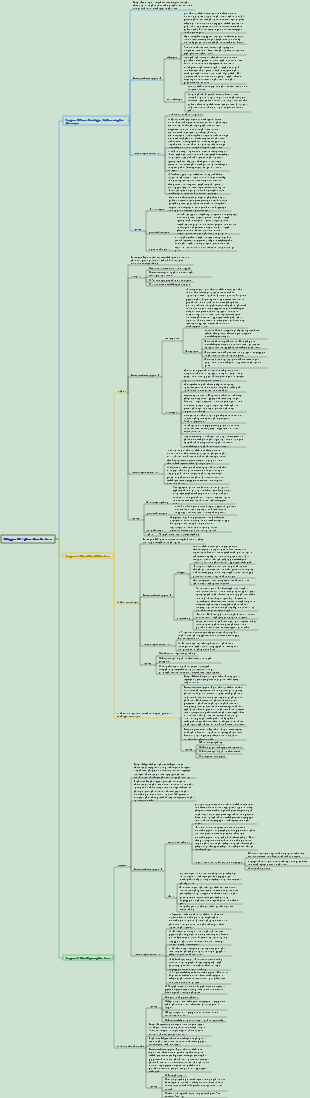
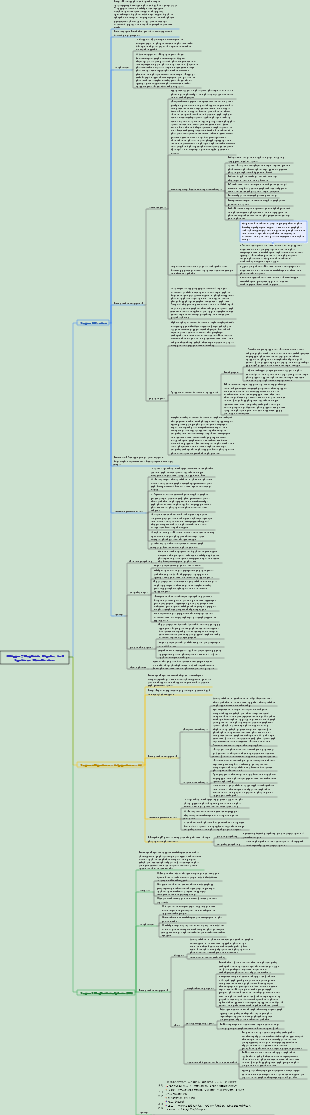
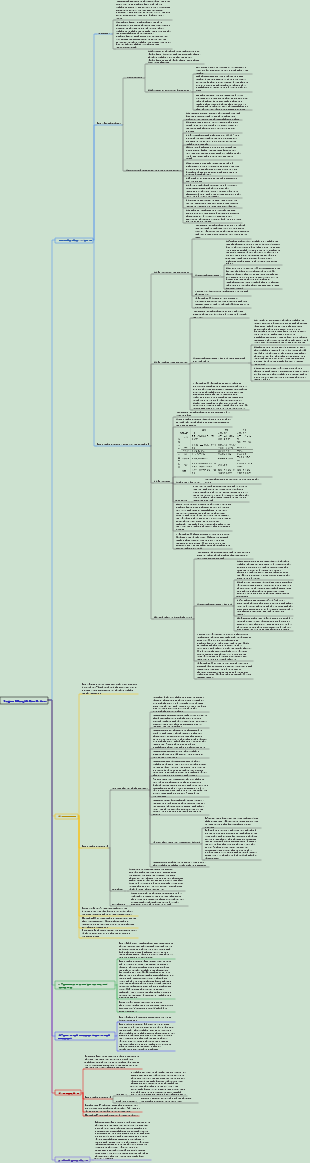
Chapter 2 Symptoms and Diagnosis of Skin Diseases
Section 1 Symptoms of skin diseases
subjective symptoms
Local symptoms: itching (most common), pain, burning, numbness
Systemic symptoms: fatigue, headache, anorexia, joint pain, chills, fever
objective symptoms
Primary skin damage: directly caused by histopathological changes in skin diseases
∎ Macula: localized color change, neither raised nor sunken; diameter <1cm (large lesions formed by dense fusion of macula are called patches); including inflammatory and non-inflammatory erythema , petechiae (diameter <2mm) and petechiae (diameter >2mm), pigment abnormalities (such as hyperpigmentation, hypopigmentation and depigmentation)
Papula: a substantial bulge above the skin surface; diameter <1cm; can be primary or secondary to macules; can subside on its own or transform into herpes/pustules; most are infiltrated by skin inflammation Or epidermal hyperplasia, and a few are caused by the deposition of metabolites; slightly raised papules with flat surfaces are called maculopapules, and flaky lesions formed by the fusion of a large number of dense papules are called plaques.
Vesicle: a lacunar lesion that is higher than the surface of the skin and contains fluid; it varies in size, with a diameter >0.5cm (Human Health Edition: diameter >1cm); it is called a bulla; most are caused by an inflammatory reaction It can also be caused by the dissolution and destruction of the adhesive substance between spinous cells (pemphigus) or basement membrane lesions (dermatitis herpetiformis); it can be divided into intraepidermal blisters (such as prickly heat, herpes simplex, pemphigus) and subepidermal blisters ( Such as erythema multiforme, pemphigoid); there may be redness around the deeper blisters, and there will usually be no scars after healing; if the cell edema in the epidermis of the papule is obvious, small blisters may form on the top, which is called papulovesicle
Pustula: a blister containing pus, surrounded by redness; it can be primary or secondary to blisters, mostly caused by purulent bacterial infection; the location varies in depth; there is usually no scar after healing
Wheal: Acute, temporary, localized, edematous, and raised damage to the superficial dermis. It usually subsides within a few to more than ten hours without leaving any trace. It is often accompanied by severe itching; it may appear light red/ Pale, with redness around it and irregular edges; seen in urticaria
∎ Nodule: round, localized, substantial damage to the dermis/subcutaneous tissue. It can be higher than the skin surface or located under the skin and can only be palpated. It varies in size and is hard to touch; it can be caused by inflammation of the subcutaneous tissue. (such as erythema nodosum), vascular inflammation, metabolite deposition (such as nodular xanthoma), parasitic infection, tumors, etc.
∎ Cyst: a cystic lesion containing liquid/viscous/cellular components with a certain wall structure in the dermis/subcutaneous tissue. It can be higher than the skin or only palpable; it can feel elastic to touch; seen in sebaceous glands Cysts etc.
Secondary skin lesions: Primary skin lesions develop further through scratching, treatment, infection, and repair
Scale: Shedding of the epidermal cuticle caused by hyperkeratosis, parakeratosis, drying of blisters, etc.; it can be in the form of pityriasis (pityriasis versicolor), oyster shell (psoriasis), or large flakes ( exfoliative dermatitis)
Crust: An attachment formed by the mixture and drying of serous fluid, pus exuded from skin damage, tissue microorganisms exuded from blood necrosis, etc.; can be thin or thick, soft/brittle in texture, attached to the wound surface; includes pus scab, serous scab, bloody scab
∎Maceration: The skin has been immersed in water for too long or has been in a humid environment for a long time → the cuticle absorbs too much water and the epidermis becomes soft, white and wrinkled; it is more common in wrinkles such as between the fingers (toes); epidermis can occur when exposed to mechanical factors fall off, form erosion
Erosion: Superficial defect of epidermis/mucosa, exposing red moist surface, healing quickly without leaving scars
Ulceration: a localized defect of the skin/mucosa involving the dermis/subcutaneous tissue. There may be serous fluid, pus, necrotic tissue, and scab attached to the surface. The edges are often irregular; scars remain after healing.
Scratching/exfoliation: linear skin lesions caused by scratching, often involving only the epidermis and leaving no scars after healing
Fissure/Cracks: Linear cracks in the skin, often deep into the dermis, with pain and bleeding; often caused by skin inflammation, thickening of the stratum corneum or dry skin, resulting in reduced skin elasticity and increased fragility, and are caused after traction; common It is found on the palms, soles and finger (toe) joints, consistent with skin lines, and can also be seen at the corners of the mouth, lower part of the breast, and perianal area.
Scar: formed by new connective tissue filled after ulcer healing, with smooth surface without striae, hair and other appendages, and inelasticity; divided into proliferative (such as keloid) and atrophic (such as lupus vulgaris)
Atrophy: skin degeneration caused by inflammation, endocrine changes, and radiation; divided into epidermal atrophy (skin thinning, translucent, parchment-like surface but normal texture), dermal atrophy (local skin depression, surface texture may be normal) , hair can become thinner/disappear), mixed type
Lichenification: localized skin thickening, roughness, increased surface texture (in a grid-like pattern), often accompanied by severe itching; mainly caused by thickening of the stratum corneum and spinous layer due to frequent scratching or friction, seen in Chronic pruritic skin disease
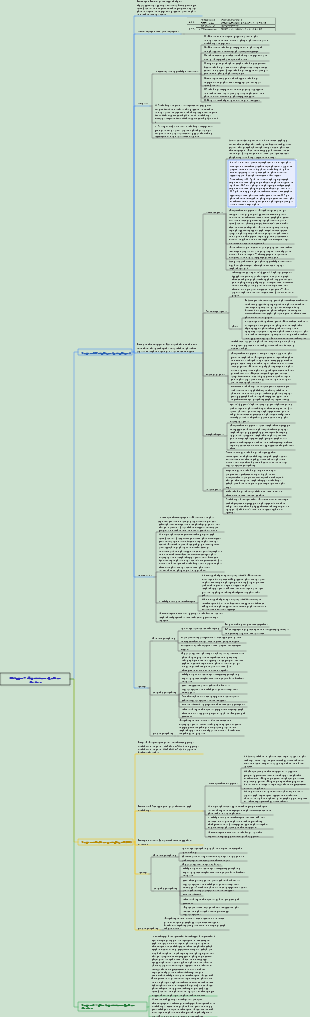
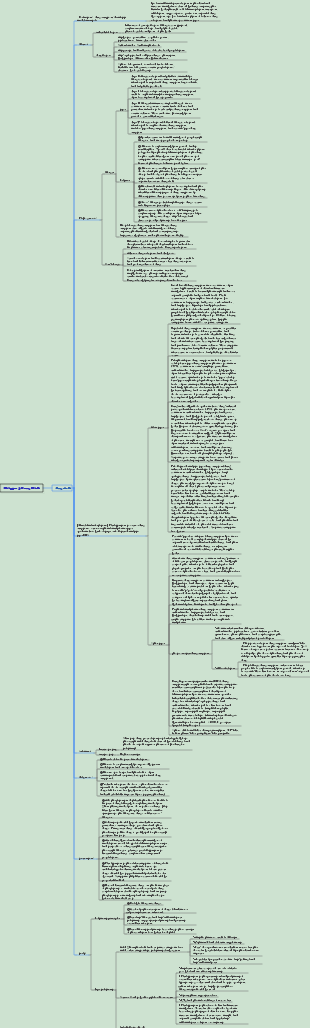
Section 2 Diagnosis of skin diseases
1. Medical history: general medical history, special medical history (time of onset, location, nature, development of skin lesions, subjective symptoms, treatment status)
2. Physical examination
(1) Inspection: changes in nature, size, number, color, edge, shape, surface, base, content, distribution, location, and skin appendages
(2) Palpation: hardness, height, thickness, local temperature, relationship with surrounding tissues, local feeling, elasticity, sweating and sebum conditions
3. Physical method inspection
(1) Diascopic examination: erythema caused by capillary congestion and inflammation can subside, while petechiae, ecchymosis, and pigmentation remain unchanged in color; lupus vulgaris nodules appear like apples when pressed Sauce color
(2) Scale scraping method: can understand the surface properties of skin lesions
(3) Skin scratch test (dermographic test): Use a blunt object to scratch the skin surface of a patient with urticaria with appropriate pressure, and the following triple reaction (positive) will appear: ① 3 to 15 seconds after scratching, a red line will appear at the scratched area (The release of histamine from mast cells causes telangiectasia); ② After 15 to 45 seconds, redness appears on both sides of the red line (neuraxonal reaction causes arterioles to dilate); ③ After 1 to 3 minutes, a bulge and pale color appear at the scratched area. Globular lines (edema caused by histamine, kinins, etc.)
(4) Filtered ultraviolet examination/Wood’s light examination: Use a high-pressure mercury lamp with a filter made of nickel oxide and silica to emit 360mm wavelength ultraviolet rays to irradiate the rashes of certain skin diseases, which can show special colors/fluorescence
(5)Skin test
[1] Patch test: used to check allergens; conducted under standard conditions, observed after 48h and 72h
[2] Scratch test: used to check whether the tested allergen can cause type I allergic reaction, observed within 15~30 minutes
[3]Intracutaneous test
Immediate response type: used to check for reagins that bind to cells (atopic dermatitis); can be observed after 15 minutes
Delayed reaction type: used to check for delayed allergic reactions to bacterial, fungal and other antigens; such as tuberculin test and leprosum test
4. Laboratory tests: blood routine, urine routine, liver and kidney function, serum electrolytes, immunological examination, pathological examination