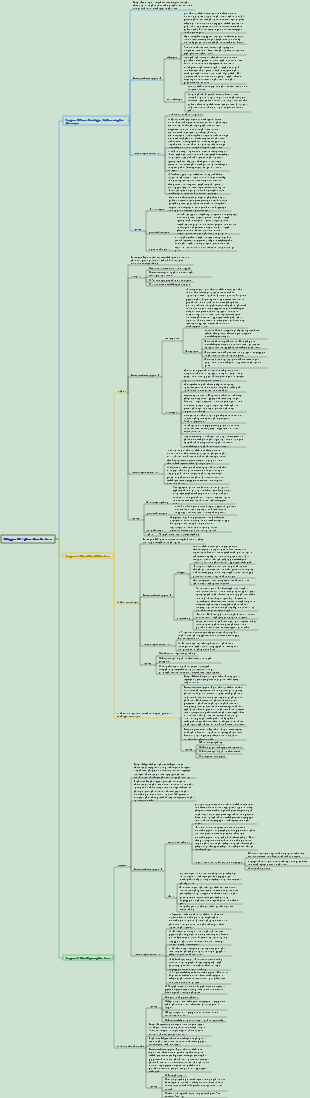
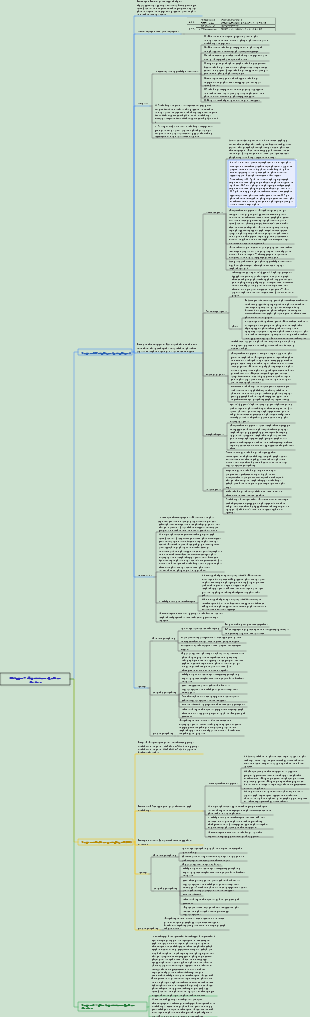
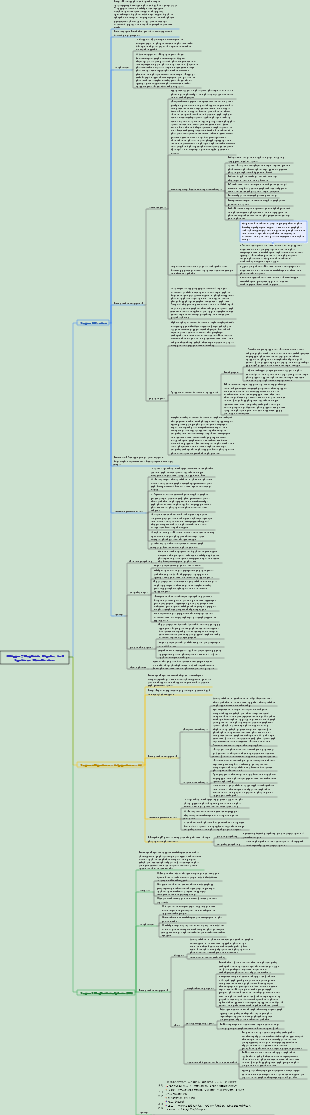
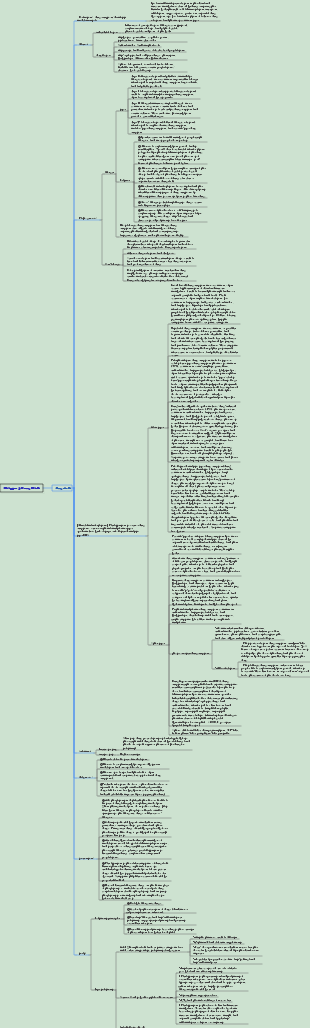
MindMap Gallery Dermatology and Venereology 004 Biogenic Skin Diseases Section 2
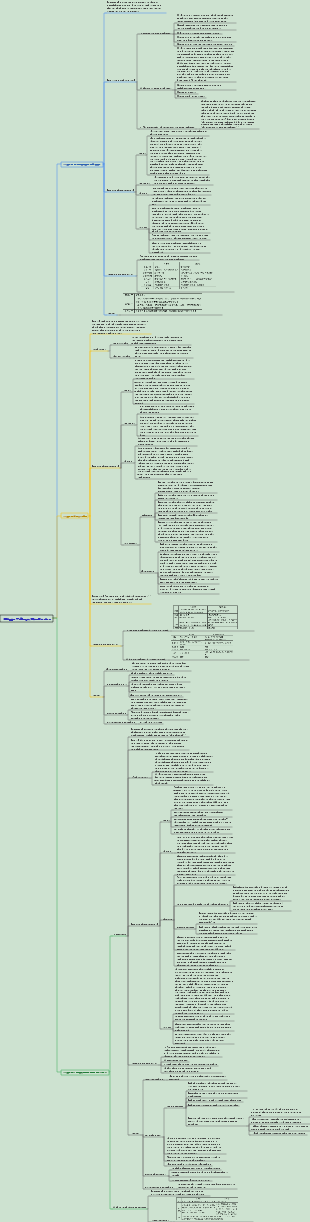
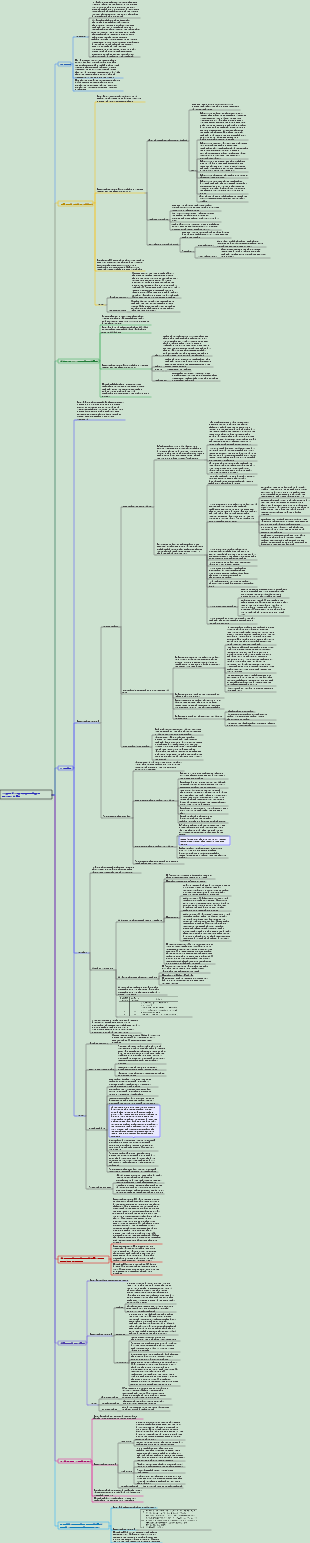
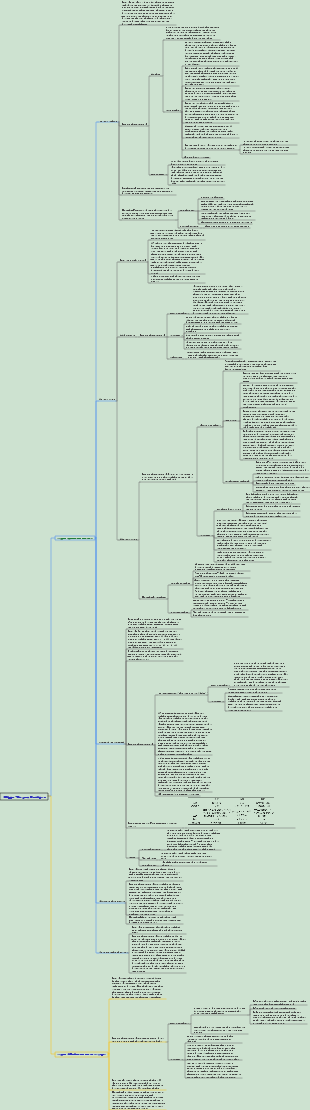
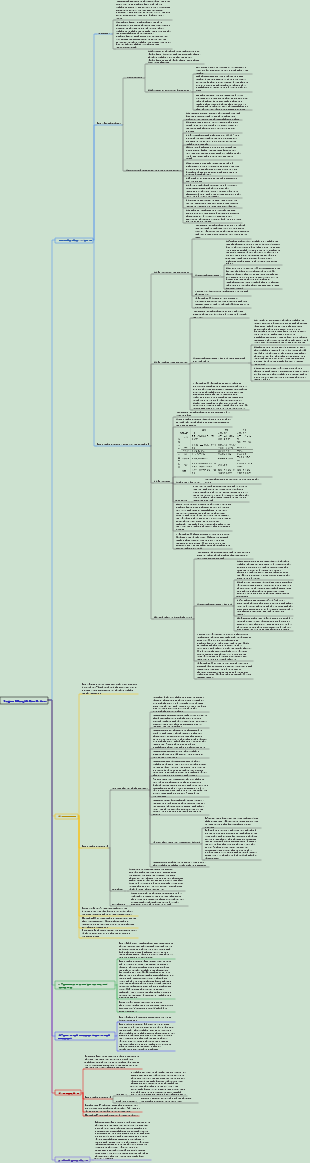
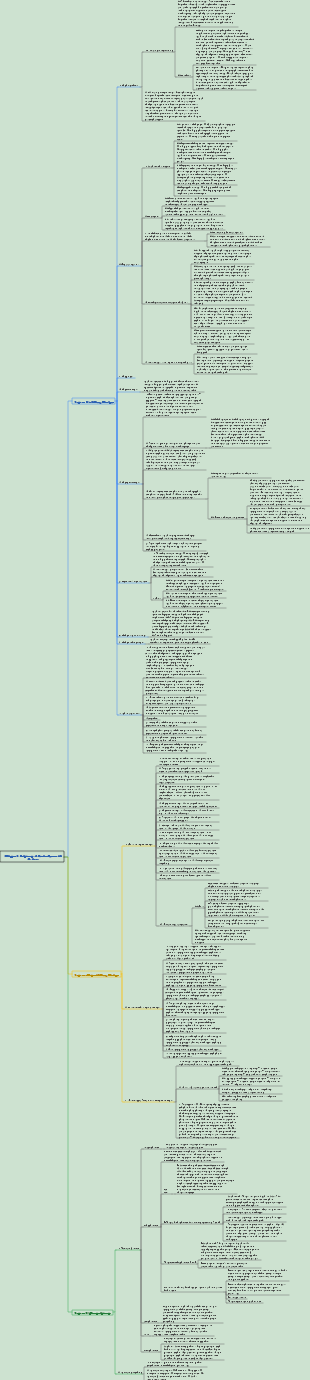
Dermatology and Venereology 004 Biogenic Skin Diseases Section 2 Mind Map, Bacterial skin diseases are skin lesions caused by bacterial infection and bacterial toxin invasion.
Edited at 2024-03-25 16:45:39This is a panoramic infographic—currently sweeping across the web—illustrating the comprehensive applications of OpenClaw, a popular open-source AI agent platform. It systematically introduces this intelligent agent framework—affectionately dubbed "Lobster Farming"—helping readers quickly grasp its core value, technical features, application scenarios, and security protocols. It serves as an excellent introductory guide and practical manual.

這是一張最近風靡全網關於熱門開源AI代理平台OpenClaw的全網應用全景圖解。它系統性地介紹了這款被稱為「養龍蝦」的智慧體框架,幫助讀者快速理解其核心價值、技術特性、應用場景及安全規範,是一份極佳的入門指南與實操手冊。此圖主要針對希望利用AI建構自動化工作流程的技術從業人員、中小企業主及效率追求者,透過9大模組層層遞進,全面剖析了OpenClaw從概念到落地的整個過程。 圖中核心內容首先釐清了「養龍蝦」指涉的是OpenClawd開源智能體,並強調其本質是「AI基建」而非一般聊天機器人。隨後詳細比較其與傳統AI助理的區別,擁有記憶管理、權限控制、會話隔離和異常恢復四大基礎能力,支援跨平台存取和多模型相容(如GPT、Claude、Ollama)。同時,圖解提供了完整的部署方案(雲端/本地/Docker),並列舉了辦公室自動化、內容創作、資料收集等五大應用程式場景。此外,還展示了其火爆程度、政府與大廠佈局、安全部署建議及適合/不適合的人群分類。幫助你快速掌握OpenClaw技術架構與應用價值,指導個人或企業建構AI自動化系統,規避資料外洩與權限失控風險,是學習「執行式AI」轉型的權威參考圖譜。
本圖由萬興腦圖繪製,是針對IT研發崗位的結構化個人履歷模板,完整涵蓋求職核心資訊模組。基本資訊區包含姓名、電話、信箱、求職意願及GitHub連結;專業概要要求以2-3句提煉核心優勢;工作經驗以「公司A高級Java開發工程師」為例,以「透過(行動),達成(量化成果)」格式呈現微服務架構設計、系統效能優化、團隊技術規範制定等職責,公司B經歷則聚焦功能模組開發與Elasticsearch搜尋優化;技能專長分程式語言、後端框架、中介軟體、資料庫、容器雲等維度,清楚展示技術堆疊;專案成果以「電商平台秒殺系統」為例,說明技術棧、架構設計、個人貢獻(Redis Lua庫存原子扣減)及KPI;教育背景包含一流大學電腦專業學歷,以及AWS認證解決方案架構師、軟考中級軟體設計師證書。模板邏輯嚴謹,涵蓋IT研發求職全流程關鍵訊息,幫助求職者清晰、量化展示專業能力。
This is a panoramic infographic—currently sweeping across the web—illustrating the comprehensive applications of OpenClaw, a popular open-source AI agent platform. It systematically introduces this intelligent agent framework—affectionately dubbed "Lobster Farming"—helping readers quickly grasp its core value, technical features, application scenarios, and security protocols. It serves as an excellent introductory guide and practical manual.
這是一張最近風靡全網關於熱門開源AI代理平台OpenClaw的全網應用全景圖解。它系統性地介紹了這款被稱為「養龍蝦」的智慧體框架,幫助讀者快速理解其核心價值、技術特性、應用場景及安全規範,是一份極佳的入門指南與實操手冊。此圖主要針對希望利用AI建構自動化工作流程的技術從業人員、中小企業主及效率追求者,透過9大模組層層遞進,全面剖析了OpenClaw從概念到落地的整個過程。 圖中核心內容首先釐清了「養龍蝦」指涉的是OpenClawd開源智能體,並強調其本質是「AI基建」而非一般聊天機器人。隨後詳細比較其與傳統AI助理的區別,擁有記憶管理、權限控制、會話隔離和異常恢復四大基礎能力,支援跨平台存取和多模型相容(如GPT、Claude、Ollama)。同時,圖解提供了完整的部署方案(雲端/本地/Docker),並列舉了辦公室自動化、內容創作、資料收集等五大應用程式場景。此外,還展示了其火爆程度、政府與大廠佈局、安全部署建議及適合/不適合的人群分類。幫助你快速掌握OpenClaw技術架構與應用價值,指導個人或企業建構AI自動化系統,規避資料外洩與權限失控風險,是學習「執行式AI」轉型的權威參考圖譜。
本圖由萬興腦圖繪製,是針對IT研發崗位的結構化個人履歷模板,完整涵蓋求職核心資訊模組。基本資訊區包含姓名、電話、信箱、求職意願及GitHub連結;專業概要要求以2-3句提煉核心優勢;工作經驗以「公司A高級Java開發工程師」為例,以「透過(行動),達成(量化成果)」格式呈現微服務架構設計、系統效能優化、團隊技術規範制定等職責,公司B經歷則聚焦功能模組開發與Elasticsearch搜尋優化;技能專長分程式語言、後端框架、中介軟體、資料庫、容器雲等維度,清楚展示技術堆疊;專案成果以「電商平台秒殺系統」為例,說明技術棧、架構設計、個人貢獻(Redis Lua庫存原子扣減)及KPI;教育背景包含一流大學電腦專業學歷,以及AWS認證解決方案架構師、軟考中級軟體設計師證書。模板邏輯嚴謹,涵蓋IT研發求職全流程關鍵訊息,幫助求職者清晰、量化展示專業能力。
Section 2 Bacterial skin diseases
1. Impetigo/yellow sores
[Cause] 50~70% are Staphylococcus aureus, and the rest are beta-hemolytic Streptococcus; it is more likely to occur when the body's resistance is reduced or the skin is damaged.
[Clinical manifestations]
1. Contact with impetigo contagiosa/impetigo vulgaris
(1) It is more common in children aged 2 to 8 years old. It is more common in summer and autumn. It often occurs in small-scale outbreaks in nurseries and kindergartens. It usually occurs on the head, face and limbs.
(2) Primary damage: a 2mm-sized erythema that quickly turns into a blister/bulla with a thin wall and an inflammatory blush around it; the blister wall changes from tense to relaxed, especially when it is half a bottle of water, the upper half of the blister fluid It is a clear liquid, and the lower half is yellow turbid pus, which accumulates in the form of a bag; after the blister breaks, a red, smooth and moist erosive surface is exposed, which is covered with thick yellow scab after drying; the damage can spread to the surroundings or merge into pieces.
(3) Conscious itching, scratching and self-inoculation to other parts. If it does not heal for a long time, it may become eczema-like; in severe cases, there may be symptoms of systemic poisoning with lymphadenitis, and even sepsis/acute nephritis; generally no scars will be left after recovery.
2. Deep impetigo (ecthyma)/ecthyma: Mainly caused by hemolytic streptococci, more common in malnourished children/elderly people, and more likely to occur on the calves/buttocks; it starts as pustules and gradually develops into the deeper parts of the skin, with pustules on the surface. Necrosis and oyster shell-like black thick scab, with obvious redness and swelling around it. After removing the thick scab, a saucer-shaped ulcer with a steep edge can be seen; the pain is obvious
3. Bullous impetigo (impetigo bullosa): Mainly caused by Staphylococcus aureus infection of bacteriophage group Ⅱ type 71; manifested as scattered bullae (diameter 1~10cm), there may be pus accumulation in the blister, and large tracts will be formed after rupture Erosive surface; the skin lesions can heal themselves in the middle and expand to the periphery like a ring (impetigo annularis), and multiple rings can merge into a gyrus (impetigo gyrus)
4. Neonatal impetigo: It is a special type of bullous impetigo. It usually occurs 4 to 10 days after birth and is highly contagious. It manifests as multiple large pustules widely distributed and positive Nissl sign. There is a blush around the blister, and a red eroded surface will form after rupture; the condition progresses quickly and soon spreads to the whole body, causing high fever, lethargy, vomiting, diarrhea, green stool, and even bacteremia, pneumonia, and meningitis, and the prognosis is poor
5. Staphylococcal scalded skin syndrome (SSSS): caused by epidermal exfoliation toxin produced by coagulase-positive, phage group II type 71 Staphylococcus aureus. It is more common in children under 5 years old; onset Most of the time, there is an upper body sensation or purulent infection of the skin all over the body; the characteristic manifestations are flaccid blisters on the basis of large erythema, positive Nissl sign, and large areas of skin peeling off, leaving a flushed and eroded surface, like a burn, with obvious folds. ; The skin of the hands and feet can be peeled off like gloves or socks, and radial cracks can be seen around the mouth, but there is no damage to the oral mucosa; the skin lesions have obvious pain and tenderness; mild cases can be cured after 1 to 2 weeks, and severe cases can be due to complications (such as sepsis) , pneumonia) and endanger life
[Differential diagnosis] VS chickenpox: The latter generally has obvious systemic symptoms, manifesting as serous mung bean-sized blisters distributed centripetally; multiple stages of lesions may exist at the same time; the mucosa may be involved
[Treatment] ① If there are no systemic symptoms, only local treatment can be performed; ② When the lesions are extensive or there are systemic symptoms, systemic antibiotics are required; ③ Neonatal impetigo should be given intravenous antibiotics with high efficacy
2. Leprosy/Hansen’s disease
[Cause] Mycobacterium leprae (Mycobacterium lepare): Humans are the only host and source of infection. It is mainly transmitted through droplets. It can also be transmitted through close contact in daily life; acid-fast staining is positive; phenolic glycolipid-1 (PGL-1) on the surface ) is considered to be the specific antigen of Leprae bacillus; it cannot be cultured in vitro so far, and the optimal growth temperature is 32~35℃
[Clinical manifestations] The incubation period is generally 2 to 5 years.
Skin lesions: various manifestations (such as macules, papules, nodules), leprosy bacillus can often be found (especially tumor type and borderline leprosy); skin appendages can be affected (hair loss, sweating disorder)
Peripheral nerve damage: When there is only peripheral nerve damage without skin damage, it is called "pure neuritis leprosy"
Morphological changes: The affected nerves are fusiform, nodular, or uniformly thick, painful, and sometimes may have caseous necrosis, fibrous degeneration, and calcification; more common in the ulnar nerve, greater auricular nerve, median nerve, common peroneal nerve, etc.
Functional changes
Shallow sensory impairment: Temperature disturbance appears first, pain second, and touch last.
Movement disorders: common in hands, feet and face; manifested as "claw-shaped hands", "ape palms", dropped wrists, dropped feet, and facial paralysis
Nutritional disorders: Dry and atrophic skin, prone to blisters/ulcers; thickening of nails, loss of luster, and easy defects; muscle atrophy; deformities of hands and feet
Circulatory disorders: cyanosis, hypothermia, and swelling of the arms and legs
lepra reaction
Definition: Refers to acute/subacute symptoms during the course of leprosy, which are characterized by aggravation of original skin lesions/nerve damage, new skin lesions and nerve damage, accompanied by systemic symptoms such as chills, fever, fatigue, general malaise, loss of appetite, etc. Symptoms; common triggers such as climate change, drugs, mental factors, endocrine factors, vaccinations, alcoholism, overwork, malnutrition, trauma and surgery; often increase patient pain and even cause teratogenesis
Essence: hypersensitivity reaction
Type I (type IV hypersensitivity reaction): skin lesions are red, swollen, macerated, and locally heated; affected nerves are enlarged, painful, and tender; more common in TT and BB types
Type II (type III hypersensitivity reaction): erythema nodosum, erythema multiforme, necrotizing erythema; the affected nerves are enlarged and tender; there are systemic symptoms; more common in LL and BL types
leprorisin test
Method: Intradermal injection of 0.1 ml of crude leprosyrin into the flexor side of the upper arm; observe the early reaction after 48 hours, and the late reaction after 3 weeks (greater significance)
Results: A positive early reaction was manifested as infiltrative erythema with a diameter >10mm, and a positive late reaction was manifested as an infiltrative nodule with a diameter >3mm.
Significance: ① A positive reaction in leprosy patients and contacts in endemic areas indicates resistance to leprosy bacilli, while a negative reaction indicates poor resistance; ② It is helpful in classifying leprosy: those with positive reactions in undetermined and borderline types are often converted to TT. Negative patients often turn into LL
Clinical classification
Classic type five leprosy (immunospectral classification)
Undetermined leprosy: It is actually the early stage of leprosy, manifesting as 1 to 2 simple light-colored spots, with varying degrees of shallow sensory impairment but mild peripheral nerve involvement; it may develop into one of the above five types in the future.
WHO classification: multibacillary (MB) (LL, BL, a few BT), paucibacillary (PB) (TT, some BT, undetermined type)
[Diagnosis] Choose 2 from 4 (only ③ can also be diagnosed): ① Skin lesions with superficial sensory disturbance and closed sweating, or only a numb area; ② Peripheral nerve trunks or cutaneous nerves are thick; ③ Internal examination of skin lesions/tissue sections Leprae bacillus; ④Specific lesions are seen in pathological tissues
【treat】
medical treatement
Dapsone (DDS): traditional and effective drug; oral or intramuscular injection; side effects: temporary anemia, drug rash, mental disorder, neutropenia, liver and kidney damage, gastrointestinal reactions
Combination chemotherapy (MDT): can reduce the development of drug resistance; at least 5 years of follow-up
Multi-bacterial type: rifampicin, clofazimine, dapsone; continuous use for more than 2 years or the bacteria turn negative
Paucibacillary type: rifampicin and dapsone; continuous medication for 6 months
leprosy reaction
Use glucocorticoids (preferred), thalidomide/thalidomide, etc. as appropriate
complication
The most common complication is chronic ulceration and deformity of the sole: local exercise, physiotherapy, surgery
Eye complications: more common when leprosy reactions occur in mid-to-late stage tumors
3. Other bacterial skin diseases
(1) Folliculitis, boils and carbuncles
[Cause] Mostly caused by coagulase-positive Staphylococcus aureus infection
[Clinical manifestations]
1. Folliculitis (folliculitis): It is a purulent inflammation limited to the mouth of hair follicles; it commonly occurs on the head, face, neck, buttocks and vulva; it initially appears as a red follicular papule, and within a few days, a pustule appears in the center, with redness and dryness around it. / Yellow scab is formed after ulceration, and the scab generally leaves no scar after peeling off; special types include folliculitis alopecia, sores barbae, and keloid folliculitis
2. Furuncle and carbuncle: The former is purulent inflammation of the deep hair follicles and their surrounding tissues, while the latter is a deep skin infection formed by the fusion of multiple adjacent hair follicles and inflammation around the hair follicles; for details, see " Surgery"
(2) Erysipelas
[Cause] Beta-hemolytic Streptococcus causes acute inflammation of lymphatic vessels in the skin and subcutaneous tissue and surrounding soft tissues
[Clinical manifestations]
Basic Features
There may be prodromal symptoms before the onset; the lesions are more common on the lower legs and face, and are often unilateral. Erysipelas on the lower legs mostly originates from tinea pedis (immersion and erosion type); it manifests as edematous bright red patches slightly higher than the skin surface, with clear borders. , smooth surface, tense and shiny, hot and painful to touch; accompanied by systemic symptoms, WBC/N%↑; mild pigmentation and desquamation may remain locally after subsidence
special performance
Vesicular erysipelas: There may be serous/purulent blisters/bullae on the surface, and occasionally rapid gangrene (gangrenous erysipelas)
Migratory erysipelas: The skin lesions subside and expand, spreading like islands.
Recurrent erysipelas: After repeated attacks, elephantiasis can form on the lower limbs, and chronic lymphedema can form on the face/external genitals.
【Differential Diagnosis】
1. Contact dermatitis: There is a clear history of contact with irritants; the skin lesions occur at the contact site, with clear boundaries and obvious itching; generally there are no systemic symptoms.
2. Cellulitis: local redness, swelling, heat and pain, but unclear boundaries; deep infiltration, and pus and necrotic tissue may be discharged after ulceration
3. Erysipeloid: caused by infection with erysipelothrix insidiosa; often occupational factors (personnel engaged in food processing industry, slaughtering, fishery or veterinarian), typically manifesting as patches of purple-red spots accompanied by pain and itching , mostly seen on the hands; chronic, no systemic symptoms, self-limiting course (can be cured in 2 to 3 weeks)
[Treatment] Bed rest in the acute stage; penicillin is the first choice, used for at least 10 days, and continued for a few days after the skin lesions subside.
(3) Cellulitis
[Cause] Mainly hemolytic Streptococcus and Staphylococcus aureus
[Clinical manifestations] It initially appears as diffuse, edematous, and infiltrative erythema with unclear boundaries, increased local skin temperature, and obvious redness and swelling in the center of the skin lesion. In severe cases, deep suppuration and tissue necrosis may form; in the acute phase, there are often symptoms of pain and systemic poisoning. , the skin shows hardening and atrophy in the chronic stage (similar to scleroderma)
[Treatment] Mainly systemic drug treatment
(4) Cutaneous tuberculosis (tuberculosis cutis)
【Type】
1. Caused by exogenous vaccination: such as tuberculous sores and verrucous skin tuberculosis
2. Caused by endogenous diffusion/self-inoculation: such as scrofula, cutaneous tuberculosis, and oral tuberculous ulcers
3. Hematogenous spread to the skin: such as lupus vulgaris, acute miliary cutaneous tuberculosis, tuberculous ulcer, gumma, and abscess
4. Tuberculosis rash: such as hard erythema, papule necrotizing tuberculosis rash, scrofula, lichenoid skin tuberculosis; Mycobacterium tuberculosis is not easily found in the damage (it has been cleared by the body's immunity)
【Main clinical types】
1. Lupus vulgaris (50~70%): ① Caused by re-infection of Mycobacterium tuberculosis in those with positive tuberculin reaction; more common in children and young people; more likely to occur on the face; ② Mainly manifested as brown-red nodules with texture It is soft, has penetration phenomenon on probing, and looks like applesauce when pressed on the glass (Apple jelly phenomenon); the damage can expand to the surroundings, fuse, and have obvious edges; ③ can be absorbed/ulcered by itself, leaving atrophic lesions after healing Scar, new nodules may appear on it (old and new skin lesions coexist); ④ It may be accompanied by tuberculosis in other parts, and the tuberculin test is positive
2. Scrofula cutaneous tuberculosis (10~15%): ① often caused by the spread of bone/lymph node tuberculosis; more common in children; prone to occur in the neck; ② initially subcutaneous nodules, hard and movable ; Then it enlarges and adheres to the skin, turns red, gradually softens, ruptures, and forms a fistula, and cheese-like material/thin pus may be discharged; ③The edge of the ulcer may be latent, leaving a typical cord-like/indistinct appearance after healing Regular/uneven scars; ④ The above lesions are often visible at the same time, and the tuberculin test is positive
3. Tuberculosis verrucosa cutis (4~5%): ① Caused by exogenous inoculation of Mycobacterium tuberculosis into immunocompetent individuals; more common in male adults; most common on fingers; ② Initially a single purple soybean-sized tuberculosis Small red papules with hard texture, and then the surface becomes keratinized to form warty nodules and hard texture, and then proliferates into sheets; ③ The periphery of the fully developed lesions is inflammatory redness; there are papilloma-like protrusions inside, covered with sticky scabs or accompanied by cavities The gap forms an ulcer, and pus overflows when pressed; the center can be healed, leaving a smooth, soft and superficial reticular scar; the above are collectively referred to as the "triple contour sign"; ④ The tuberculin test is strongly positive
【treat】