MindMap Gallery Dermatology and Venereology 010 Other Skin Diseases
Dermatology and venereology, including neurodermatitis/chronic lichen simplex, skin adnexal diseases, and skin pigmentary diseases.
Edited at 2024-03-25 23:03:34This is a panoramic infographic—currently sweeping across the web—illustrating the comprehensive applications of OpenClaw, a popular open-source AI agent platform. It systematically introduces this intelligent agent framework—affectionately dubbed "Lobster Farming"—helping readers quickly grasp its core value, technical features, application scenarios, and security protocols. It serves as an excellent introductory guide and practical manual.

這是一張最近風靡全網關於熱門開源AI代理平台OpenClaw的全網應用全景圖解。它系統性地介紹了這款被稱為「養龍蝦」的智慧體框架,幫助讀者快速理解其核心價值、技術特性、應用場景及安全規範,是一份極佳的入門指南與實操手冊。此圖主要針對希望利用AI建構自動化工作流程的技術從業人員、中小企業主及效率追求者,透過9大模組層層遞進,全面剖析了OpenClaw從概念到落地的整個過程。 圖中核心內容首先釐清了「養龍蝦」指涉的是OpenClawd開源智能體,並強調其本質是「AI基建」而非一般聊天機器人。隨後詳細比較其與傳統AI助理的區別,擁有記憶管理、權限控制、會話隔離和異常恢復四大基礎能力,支援跨平台存取和多模型相容(如GPT、Claude、Ollama)。同時,圖解提供了完整的部署方案(雲端/本地/Docker),並列舉了辦公室自動化、內容創作、資料收集等五大應用程式場景。此外,還展示了其火爆程度、政府與大廠佈局、安全部署建議及適合/不適合的人群分類。幫助你快速掌握OpenClaw技術架構與應用價值,指導個人或企業建構AI自動化系統,規避資料外洩與權限失控風險,是學習「執行式AI」轉型的權威參考圖譜。
本圖由萬興腦圖繪製,是針對IT研發崗位的結構化個人履歷模板,完整涵蓋求職核心資訊模組。基本資訊區包含姓名、電話、信箱、求職意願及GitHub連結;專業概要要求以2-3句提煉核心優勢;工作經驗以「公司A高級Java開發工程師」為例,以「透過(行動),達成(量化成果)」格式呈現微服務架構設計、系統效能優化、團隊技術規範制定等職責,公司B經歷則聚焦功能模組開發與Elasticsearch搜尋優化;技能專長分程式語言、後端框架、中介軟體、資料庫、容器雲等維度,清楚展示技術堆疊;專案成果以「電商平台秒殺系統」為例,說明技術棧、架構設計、個人貢獻(Redis Lua庫存原子扣減)及KPI;教育背景包含一流大學電腦專業學歷,以及AWS認證解決方案架構師、軟考中級軟體設計師證書。模板邏輯嚴謹,涵蓋IT研發求職全流程關鍵訊息,幫助求職者清晰、量化展示專業能力。
This is a panoramic infographic—currently sweeping across the web—illustrating the comprehensive applications of OpenClaw, a popular open-source AI agent platform. It systematically introduces this intelligent agent framework—affectionately dubbed "Lobster Farming"—helping readers quickly grasp its core value, technical features, application scenarios, and security protocols. It serves as an excellent introductory guide and practical manual.
這是一張最近風靡全網關於熱門開源AI代理平台OpenClaw的全網應用全景圖解。它系統性地介紹了這款被稱為「養龍蝦」的智慧體框架,幫助讀者快速理解其核心價值、技術特性、應用場景及安全規範,是一份極佳的入門指南與實操手冊。此圖主要針對希望利用AI建構自動化工作流程的技術從業人員、中小企業主及效率追求者,透過9大模組層層遞進,全面剖析了OpenClaw從概念到落地的整個過程。 圖中核心內容首先釐清了「養龍蝦」指涉的是OpenClawd開源智能體,並強調其本質是「AI基建」而非一般聊天機器人。隨後詳細比較其與傳統AI助理的區別,擁有記憶管理、權限控制、會話隔離和異常恢復四大基礎能力,支援跨平台存取和多模型相容(如GPT、Claude、Ollama)。同時,圖解提供了完整的部署方案(雲端/本地/Docker),並列舉了辦公室自動化、內容創作、資料收集等五大應用程式場景。此外,還展示了其火爆程度、政府與大廠佈局、安全部署建議及適合/不適合的人群分類。幫助你快速掌握OpenClaw技術架構與應用價值,指導個人或企業建構AI自動化系統,規避資料外洩與權限失控風險,是學習「執行式AI」轉型的權威參考圖譜。
本圖由萬興腦圖繪製,是針對IT研發崗位的結構化個人履歷模板,完整涵蓋求職核心資訊模組。基本資訊區包含姓名、電話、信箱、求職意願及GitHub連結;專業概要要求以2-3句提煉核心優勢;工作經驗以「公司A高級Java開發工程師」為例,以「透過(行動),達成(量化成果)」格式呈現微服務架構設計、系統效能優化、團隊技術規範制定等職責,公司B經歷則聚焦功能模組開發與Elasticsearch搜尋優化;技能專長分程式語言、後端框架、中介軟體、資料庫、容器雲等維度,清楚展示技術堆疊;專案成果以「電商平台秒殺系統」為例,說明技術棧、架構設計、個人貢獻(Redis Lua庫存原子扣減)及KPI;教育背景包含一流大學電腦專業學歷,以及AWS認證解決方案架構師、軟考中級軟體設計師證書。模板邏輯嚴謹,涵蓋IT研發求職全流程關鍵訊息,幫助求職者清晰、量化展示專業能力。
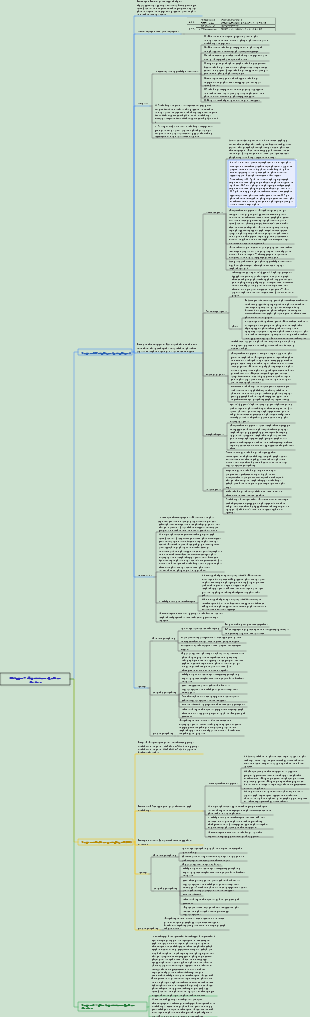
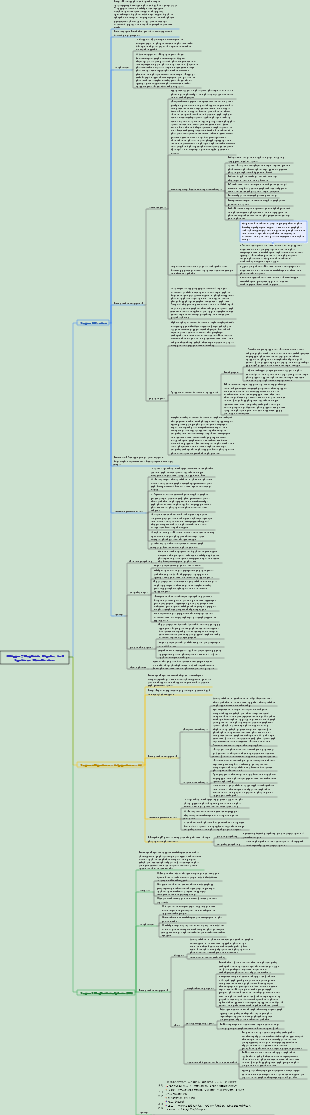
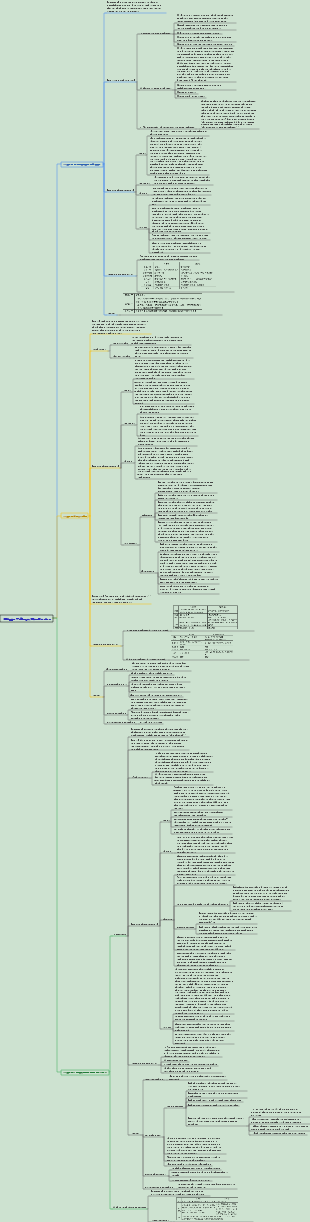
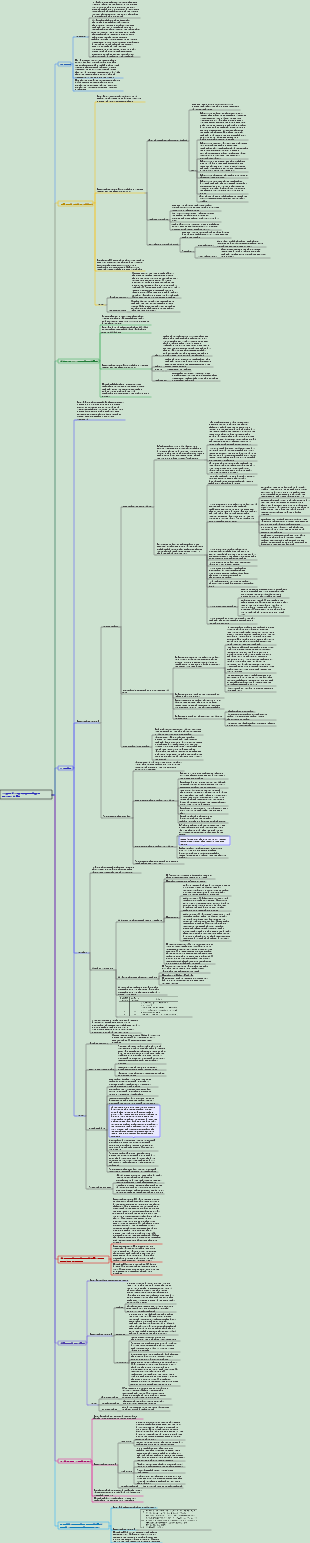
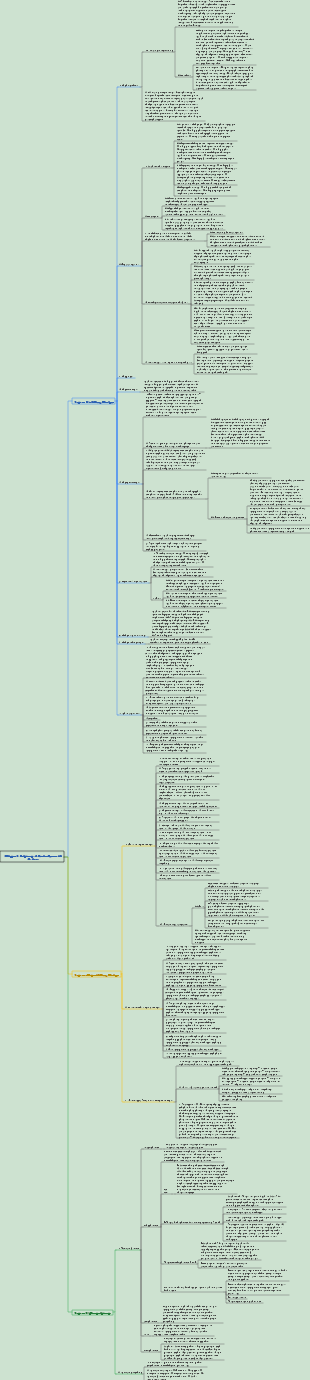
Chapter 10 Other skin diseases
Section 1 Neurodermatitis/lichen simplex chronicus
[Cause] Repeated scratching and friction are the main causes of the development of this disease and lead to lichenoid dermatitis of the skin.
[Clinical manifestations]
limitation
It is more common in young and middle-aged people; it usually occurs on the side of the neck, the back of the neck, and the upper eyelids. It is usually limited to one place or distributed symmetrically on both sides. It initially appears as local paroxysmal itching, which is aggravated by local skin irritation or mental distress.
After scratching/rubbing, clusters of miliary to rice-sized polygonal flat papules with skin color/light red/light brown appear, which are diamond-shaped.
Polygonal mosaic appearance, the texture is relatively solid and shiny, and the surface is covered with bran-like thin scales.
Over time, the papules may merge and expand, becoming dark brown in color, with increased skin ridges, deepened and intertwined skin lines, resembling leather-like patches, with dry, rough, and hypertrophic surfaces (lichenification); the diameter of the lesions can reach 2 to 6 mm. The central damage is large and obvious, with smaller flat papules appearing on the edge, and the boundary is very clear
disseminated
More common in adults and the elderly; skin lesions are widespread
Most of them show lichen-like changes, and scratches/blood scabs can be seen in the affected area and surrounding areas; conscious paroxysmal itching, mild in summer and winter, and the course of the disease is chronic, often lasting for a long time.
【Differential Diagnosis】
1. Chronic eczema: see before
2. Atopic dermatitis (atropic dermatitis): Many people have a history of allergic diseases; they often develop 1 to 2 months after birth, can resolve naturally, and can reappear; the skin lesions develop from exudative eczema to chronic lichenification. Severe itching; often accompanied by xeroderma, ichthyosis, palmprint syndrome, pale complexion, periorbital halo, peripilular bulge, etc.; serum IgE↑, eosinophils↑; often accompanied by slow whitening and scratch reaction of the skin.
3. Lichen planus: purple-red polygonal flat papules, shiny, with few scales and adhesive, with gray-white spots/stripes (Wickham's striae) on the surface; obvious itching; mucous membranes are often involved, especially the oral mucosa , the formation of pterygium is characteristic; Koebner's sign is positive
4. Primary cutaneous amyloidosis: It commonly occurs on the calves, extensor sides of upper limbs, and upper back; it is a solid papule as large as millet grains or soybeans, with a rough surface, dense but not fused, and often arranged in a bead shape; crystal violet is used for histopathological examination. Staining has diagnostic value
【treat】
The essential
Find and remove various factors that may induce itching, provide patient and targeted psychological treatment, and try to avoid all forms of scratching, friction and irritation; avoid washing in hot water and abusing irritating topical drugs
topical medications
Creams/tinctures/ointments containing antipruritic ingredients and corticosteroids; for those with obvious lichenification, strong corticosteroid ointment can be used for encapsulation or for local application of Fukining plaster; for those with thickened and small-scale skin lesions, corticosteroid injection therapy can be used
Internal medicine
Use antihistamines with sedative effects (such as cyproheptadine, ketotifen), combined with vitamin B; for those who cannot control, take diazepam drugs; in severe cases, procaine vein closure can be used
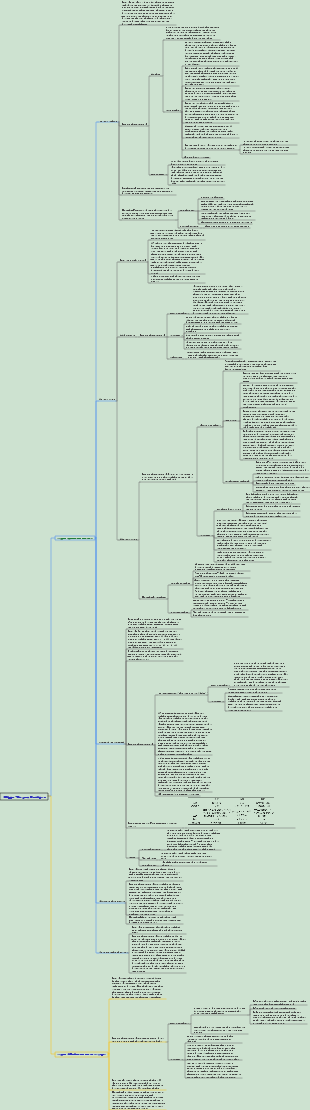
Section 2 Skin Adnexal Diseases
1. Acne
[Definition] It is a chronic inflammatory disease of the pilosebaceous glands, which has a certain degree of disfigurement.
【Cause】
①Increase of androgens and sebum;
② Hyperkeratosis at the opening of the pilosebaceous gland;
③ Propionibacterium acnes infection;
④ Secondary inflammatory reaction
[Clinical manifestations]
acne vulgaris
Characteristics: It is more common in young men, and is more likely to occur in areas rich in sebaceous glands such as the face, upper chest, and between the shoulder blades. It initially appears as blackheads (open comedones) and whiteheads (closed comedones) at the follicle mouth, in the form of conical papules; later it turns into Inflammatory papules gradually develop pustules, and even nodules, abscesses, and scars after aggravation; generally there are no subjective symptoms; the course is chronic and generally tends to heal on its own after puberty, leaving more or less pigmentation/scars.
Graduation
Degree I (mild): scattered to multiple blackheads, which may be accompanied by scattered inflammatory papules.
Grade II (moderate): Grade I: The number of inflammatory papules increases and superficial pustules appear, but they are limited to the face.
Grade III (severe): Grade II deep pustules, distributed on the face, neck, chest and back
Grade IV (severe to clustered): Grade III nodules, cysts, and scar formation, occurring in the upper body
special type
Acne conglobata: more severe form; basic lesions include comedones, pustules, nodules, cysts, sinus tracts, and scars, but is characterized by penetrating abscesses and irregular scarring
Acne fulminant: A small number of patients suddenly worsen and develop systemic symptoms such as fever, joint pain, and anemia.
Drug-induced acne: The basic damage is similar to that of acne vulgaris, but it is mainly caused by halogens, glucocorticoids, oral contraceptives, and isoniazid; it often occurs after 1 to 2 months of taking the drug, and after stopping the drug subsides in months
Infantile acne: Acne caused by maternal androgens entering the body during the fetal stage Premenstrual acne
Cosmetic acne: antibacterial substances in skin cleansing and disinfectants, fatty acids in soaps/facial cleansers
Salt and various cosmetics can cause narrowing of the inner diameter of the sebaceous gland secretion duct/mechanical blockage at the opening/inflammation of the hair follicle orifice
【Differential Diagnosis】
1. Rosacea: It is more common in middle-aged people, and is more likely to occur on the tip of the nose, cheeks, forehead and chin; the affected areas may have telangiectasia, papules, pustules, and rhinophyma will form in the later stage.
2. Facial disseminated miliary lupus: more common in adults; manifests as dark red papules/nodules, soft to touch, and necrotic in the center; yellow/brown dots may appear when the slide is pressed, symmetrically distributed in Eyelids, nasolabial folds and cheeks
【treat】
General treatment
Pay attention to general hygiene, do not squeeze with your hands to cause damage, wash your face frequently with warm water and soap to remove greasiness and blackheads, eat less fat and sugar, and avoid drinking alcohol and other irritating foods.
topical medications
0.025~0.05% retinoic acid (softens cuticles), benzoyl peroxide (dissolves fat plugs in hair follicles), antibiotics, azelaic acid, selenium disulfide
Systemic drugs
Antibiotics (such as tetracycline, erythromycin), isotretinoin (good for cysts and polymerization; but has teratogenic effects), antiandrogens, glucocorticoids (for severe patients, local intralesional injection can also be used)
other
Phototherapy, acne scar treatment
2. Alopecia areata
[Definition] A sudden localized patchy hair loss that can occur anywhere on the body
[Clinical manifestations]
Features
More common in young adults; typical manifestations include sudden appearance of round/oval hair loss areas with diameters of 1 to 10 cm, varying numbers, and clear boundaries; the affected scalp is smooth, without inflammation/scales/scars; and there are no subjective symptoms.
The course of the disease can last from several months to several years, and most can regenerate (it is more difficult to regenerate at the scalp edge), but it can also relapse; it can manifest as
Alopecia totalis, alopecia universalis (hair loss in other parts of the body as well)
installment
Progressive stage: The hair at the edge of the alopecia area is loose and easy to pull out (positive pull test); when the hair is pulled out, the proximal end of the hair shaft is atrophic, showing an exclamation mark-like appearance of a thick upper part and a thin lower part; when the damage continues to expand and the number increases, it can merge into irregular patches
Telogen: The hair at the edge of the hair loss area is no longer loose (the traction test is negative)
Recovery period: New hair grows. It is soft and light-colored at first, then gradually thickens and becomes darker, and finally returns to normal.
【Differential Diagnosis】
1. Pseudoalopecia areata: multiple atrophic patches on the scalp; the outbreak area is clearly defined but has irregular edges.
2. Tinea capitis: incomplete hair loss, the hair is easily broken, with scales/scab attached, and fungi can be found in the broken hair.
【treat】
①Remove possible inducements;
②Topical drugs (such as minoxidil, capsicum tincture);
③ Systemic drugs (such as cystine, calcium pantothenate, vitamin B; glucocorticoids can be used if the disease develops rapidly and extensively)
3. Androgenetic alopecia/male pattern baldness/premature alopecia
[Cause] AD inheritance; abnormal 5α-reductase activity is currently believed to be an important pathogenesis
[Clinical Manifestations] It is more common in men (especially mental workers) and begins to occur at the age of 20 to 30. Hair loss starts from both sides of the forehead and gradually extends to the top of the head. The hairline on the forehead recedes backwards; the hair on the top of the head also gradually begins to fall off, and finally It can merge with the V-shaped baldness on the forehead, leaving only occipital and temporal hair; the skin at the hair loss area is smooth, and fine vellus hair can be seen; no subjective symptoms/slight itching; symptoms in women are milder, mostly sparse hair on the top of the head. No forehead hairline receding
[Differential diagnosis] Women should differentiate from other hair loss, such as postpartum alopecia, hair loss caused by systemic diseases (such as anemia, hypothyroidism)
【treat】
①General treatment;
②5α-reductase inhibitor (finasteride);
③Topical drugs (such as minoxidil);
④ Hair transplantation
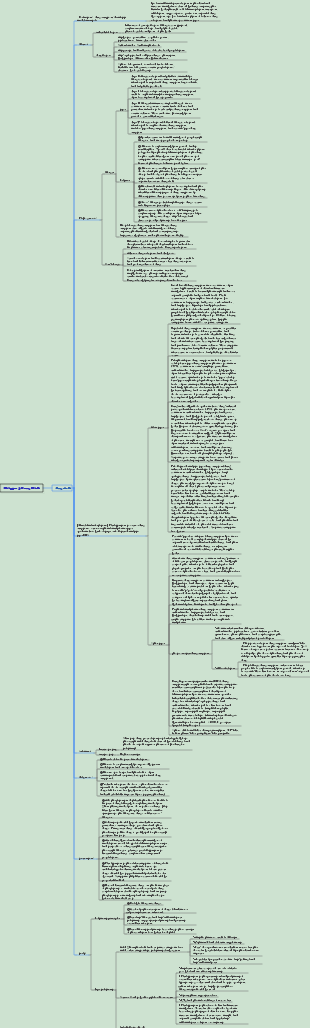
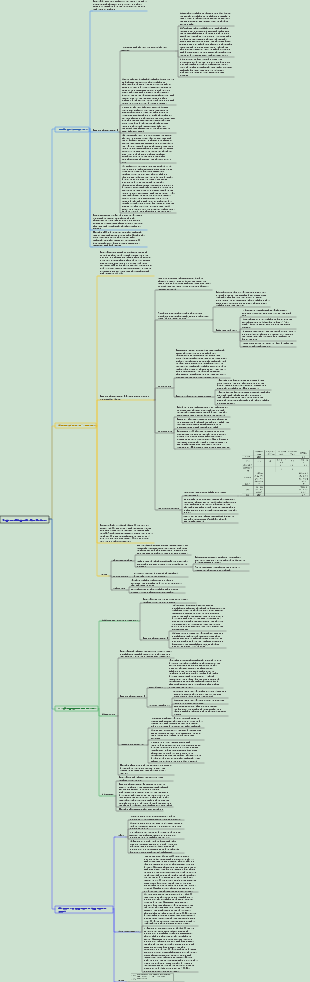
Section 3 Skin Pigment Diseases
1. Vitiligo
[Cause] Autoimmune theory (IgG-type anti-melanocyte antibodies can be measured in active serum, and the titer is parallel to disease activity/severity), melanocyte self-destruction theory, psychoneurochemistry theory, genetic theory, etc.
[Pathology] In the active stage, the density of melanocytes in the skin lesions decreases, and the surrounding melanocytes increase abnormally; in the later stage, there are no melanocytes in the depigmented skin lesions, and DOPA staining is negative; there may be lymphocyte infiltration in the superficial dermis.
[Clinical manifestations]
Basic performance
It occurs acquiredly and is more common in young and middle-aged people. It usually occurs in parts that are easily damaged by light and friction (such as the face, neck, waist and abdomen, and back of hands). Most of them are symmetrically distributed, and some are distributed segmentally along the nerves.
The skin lesions initially appear as localized depigmentation spots with unclear boundaries; they can gradually expand into well-demarcated depigmentation spots, which are milky white. There may be scattered island-shaped pigmented areas around the pores in the white spots; the hair in the white spots may turn white. /No whitening; mostly asymptomatic
Course of disease: chronic and protracted
Progressive stage: It can migrate to normal skin, develop rapidly, and have isomorphic reaction
∎ Stable phase: Stops development, clear boundary, and pigmentation ring on the edge
improvement period
Types
Localized type: one/several white spots limited to one location; segmental type (distributed by dermatomes), mucosal type (white spots only involve the mucosa)
Generalized type (the most common): skin lesions spread over the body surface; divided into ordinary type (white spots scattered in many places on the body surface), facial acral type (white spots distributed on the face and extremities), and mixed type
Systemic type: complete/almost complete skin involvement
【Differential Diagnosis】
1. Pityriasis simplex: more common in children; localized hypopigmented spots (rather than depigmented spots) on the face, the boundaries of the lesions are unclear, and there may be small scurfs on the surface
2. Tinea versicolor: It is seen on the cheeks and between the eyebrows of infants and young children. It is light yellow in color; however, due to frequent scrubbing, the scales are rare and can easily be confused with early vitiligo.
3. Anemic nevus: friction test - after friction, the skin around the white spot is congested but the white spot area remains pale.
4. Achromatic nevus: There are localized light-colored spots at birth/shortly after birth, with unclear boundaries, and the damage is often distributed along nerve segments.
5. Post-inflammatory hypopigmentation: There is a history of primary disease; hypopigmentation is limited to the original skin lesion; it is temporary and can recover on its own
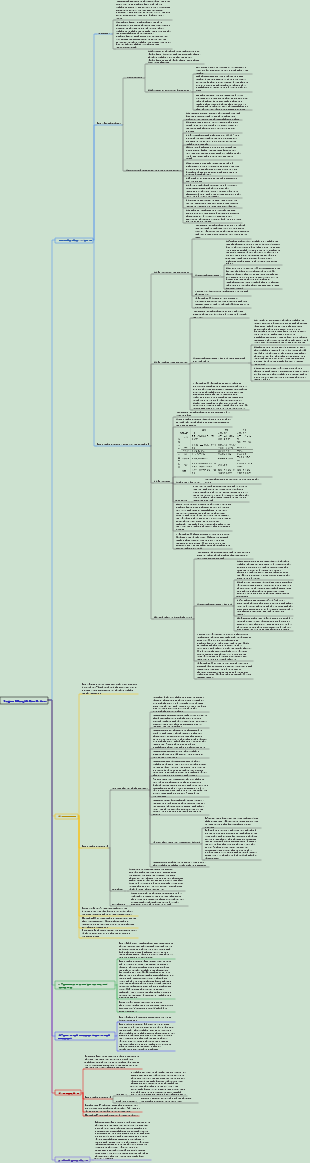
2. Chloasma, melasma
【treat】
① Phototherapy: psoralen phototherapy; long-wave ultraviolet irradiation can be added for generalized hair problems all over the body;
② Nitrogen mustard ethanol;
③Autologous epidermal transplantation: suitable for when the lesions are small and the condition is stable;
④Glucocorticoids: suitable for generalized and progressive disease;
⑤Topical immunosuppressants: such as tacrolimus
[Cause] Ultraviolet radiation, oral contraceptives, cosmetics, pregnancy (such as pregnancy spots), endocrine factors, genetic factors, chronic liver disease, chronic wasting disease
[Pathology] Active melanin formation in the base layer of the skin lesion, increased melanin but no proliferation of melanocytes
[Clinical manifestations] It is more common in young and middle-aged women; it manifests as symmetrical yellowish-brown/dark brown patches (butterfly-shaped) on the cheeks; it can also involve the forehead, nose, perioral area, and chin; the color deepens after ultraviolet rays in summer and becomes darker in winter. Reduced; no subjective symptoms
【treat】
①Treat the cause;
② Local treatment: depigmenting agent (such as 3% hydroquinone cream, 3% hydrogen peroxide), 20% azelaic acid cream, 25% trichloroacetic acid, SOD cream;
③Chinese herbal medicine: Liuwei Dihuang Pills, Xiaoyao Pills, etc.