MindMap Gallery Experimental Diagnostics - Experimental Diagnosis of Blood System Diseases - Anemia
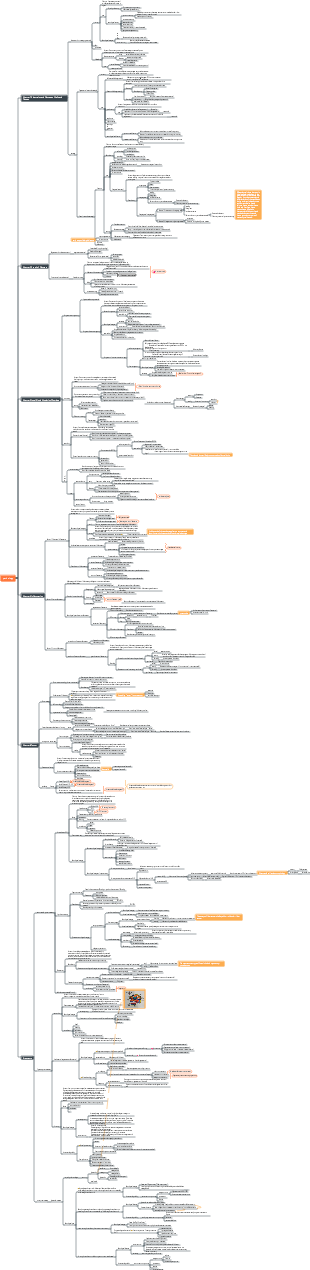
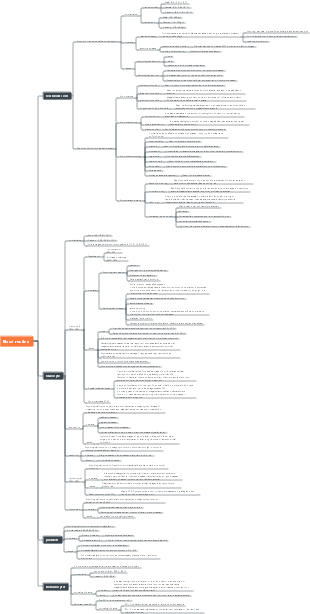
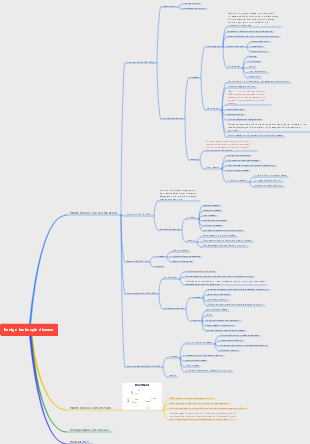
Experimental diagnostics - experimental diagnosis of blood system diseases - mind map of anemia. The main experimental diagnosis of anemia are: iron deficiency anemia, megaloblastic anemia, hemolytic anemia, and aplastic anemia.
Edited at 2023-10-10 22:48:47This is a mind map about bacteria, and its main contents include: overview, morphology, types, structure, reproduction, distribution, application, and expansion. The summary is comprehensive and meticulous, suitable as review materials.

This is a mind map about plant asexual reproduction, and its main contents include: concept, spore reproduction, vegetative reproduction, tissue culture, and buds. The summary is comprehensive and meticulous, suitable as review materials.
This is a mind map about the reproductive development of animals, and its main contents include: insects, frogs, birds, sexual reproduction, and asexual reproduction. The summary is comprehensive and meticulous, suitable as review materials.
This is a mind map about bacteria, and its main contents include: overview, morphology, types, structure, reproduction, distribution, application, and expansion. The summary is comprehensive and meticulous, suitable as review materials.
This is a mind map about plant asexual reproduction, and its main contents include: concept, spore reproduction, vegetative reproduction, tissue culture, and buds. The summary is comprehensive and meticulous, suitable as review materials.
This is a mind map about the reproductive development of animals, and its main contents include: insects, frogs, birds, sexual reproduction, and asexual reproduction. The summary is comprehensive and meticulous, suitable as review materials.
Laboratory diagnosis of hematological diseases --anemia
Commonly used screening tests
complete blood count
Red blood cell parameters
red blood cellsRBC
Hemoglobin concentration Hb
HematocritHCT
Red blood cell morphological parameters
mean corpuscular volumeMCV
Mean corpuscular hemoglobin MCH
mean corpuscular hemoglobin concentration MCHC
Red blood cell volume distribution width RDW
Reticulocyte count
Determine the erythroid hematopoietic status and proliferation ability of bone marrow
RET increased significantly
RET is significantly reduced
myelopathic anemia
Evaluate the effectiveness of anemia treatment
Peripheral blood cell morphology test
normal red blood cell morphology
The diameter of the central light-stained area is less than 1/3 of the cell diameter
Pathological morphology of red blood cells
Abnormal size
Uneven size, especially megaloblastic red blood cells.
Microerythrocytes: diameter <6 μm, the light staining area in the center of the red blood cells expands
Large red blood cells: diameter >10μm
Megared blood cells: diameter >15μm
Abnormal morphology
Spherocytosis: hereditary spherocytosis, autoimmune hemolytic anemia
oval red blood cells
target red blood cells
Teardrop red blood cells: myelofibrosis, thalassemia, hemolysis
acanthocytes
stomatocytes
sickle red blood cells
Irregular red blood cell morphology: DIC, intravascular hemolysis caused by burns, etc.
abnormal staining
hypochromic red blood cells
hyperchromic red blood cells
Increased hemoglobin content: megajuvenile anemia
The thickness increases and the light-stained area in the center disappears: genetic ball
polychromatic red blood cells
Light gray or purple-gray, they are newly denucleated and immature red blood cells. They are slightly larger than normal red blood cells. They are Ret with higher nucleic acid content. 1% can be seen in the peripheral blood of normal people, reflecting the active hematopoiesis of the bone marrow.
Structural abnormality
Basophilic stippling red blood cells
It indicates that hematopoiesis is vigorous and disordered, which is common in heavy metal poisoning and severe proliferative anemia. It is an important indicator of lead poisoning.
Howell-Jolly bodies
It indicates strong red blood cell proliferation, which is common in megaloblastic anemia, hemolytic anemia, erythroleukemia, and after splenectomy.
Cabot’s ring
Often appears together with chromatin bodies, which is a sign of vigorous red blood cell proliferation.
nucleated red blood cells
Proliferative anemia, malignant diseases of the hematopoietic system, extramarrow hematopoiesis
Distribution anomaly
Red blood cell ring formation
red blood cells agglutinated in piles
erythrocyte sedimentation rate
accelerating factors
Changes in certain components in plasma
Decreased number of red blood cells
clinical significance of acceleration
pathological increase
Infectious diseases
acute bacterial infection
Used to identify the type of infection
tissue damage and necrosis
bone marrow morphological examination
myelopoietic stage
The first stage: hematopoietic stem cell stage
Stage 2: Hematopoietic progenitor cell stage
The third stage: primitive cell proliferation and maturation stage
Indications
Contraindications
Determine the degree of proliferation
Normal bone marrow characteristics
Etiology and pathogenesis
physiological anemia
pathological anemia
Too much red blood cell loss
acute blood loss
chronic blood loss
Decreased red blood cell production
Hematopoietic tissue damage
Abnormalities of myeloid hematopoietic tissue
Hematopoietic stem cell abnormalities
Abnormalities in erythroid progenitor cells
Infiltration of abnormal cells or tissue into hematopoietic tissue
Reduced or lost utilization of hematopoietic raw materials
"The nucleus is young and the pulp is old"
"The core is old and the pulp is young"
Iron waste utilization
Too much red blood cell destruction
RBC's own flaws
hereditary disease
acquired disease
RBC external defects
immunity
mechanical
Infect
Morphological classification
Early diagnosis, differential diagnosis, efficacy observation
Early diagnosis of iron deficiency
Guide the treatment of iron deficiency
Use RDW to differentiate between iron deficiency anemia and nucleoglobulin production disorder anemia
Laboratory diagnosis of major anemia
iron deficiency anemia
Blood
RBC, Hb decreased, Hb was more significant; MCV, MCH, MCHC decreased, RDW increased significantly; blood film: microcytic hypopigmentation, red blood cell body is small, central light-stained area is expanded, and cell size is uneven
bone marrow
The proliferation of nucleated cells is obviously active, and the granulosa/red ratio decreases; the number of immature red blood cells increases significantly: >30%, mainly in the middle and late immature erythrocytes; immature plasma and old nuclei; mature erythrocytes: varying sizes, with an increase in small erythrocytes and a pale center The dyeing area expands
iron stain
intracellular iron
extracellular iron
The gold standard reflecting body iron storage
iron metabolism
megaloblastic anemia
MA-hemogram
RBC, Hb decreased, RBC was more significant; MCV, MCH increased, RDW increased significantly; blood film: red blood cells were uneven in size, mainly one large cell, and the light-stained area in the center shrank.
MA-bone marrow image
Hyperplasia is obviously active
Erythroid hyperplasia, immature erythrocytes >40%, giant promyoerythrocytes, giant and medium-sized erythrocytes, and giant promyoblasts can be seen; "young nuclei and old plasma"; different sizes, large red blood cells increase, and the center light-stained area shrinks
Folic acid and vitamin B12 metabolism test
It is an important coenzyme for synthesizing DNA. MA must be tested.
hemolytic anemia
Classification
intravascular hemolysis
extravascular hemolysis
RBC self-defects: often lead to congenital hemolytic anemia
RBC external defects: often lead to acquired hemolytic anemia
Blood
Mostly normocytic normochromic anemia, with reduced RBC, Hb and Hct; mature red blood cells in blood smears vary in size; Rct increases significantly
bone marrow
Bone marrow proliferation is obviously active, and the granulosa-red ratio is significantly reduced or even inverted; erythroid hyperplasia is obvious, and young red is often >40%
screening test
Diagnostic test
aplastic anemia
acute aplastic anemia
Blood
bone marrow
Hematopoietic stem cell count
chronic aplastic anemia
Blood
bone marrow
Hematopoietic stem cell count