MindMap Gallery Animal-derived bacteria mind map
Mind map about bacteria of animal origin, medical microorganisms, including Brucella, Yersinia pestis, Bacillus, Coxiella, etc.
Edited at 2023-11-09 12:13:41This is a mind map about bacteria, and its main contents include: overview, morphology, types, structure, reproduction, distribution, application, and expansion. The summary is comprehensive and meticulous, suitable as review materials.

This is a mind map about plant asexual reproduction, and its main contents include: concept, spore reproduction, vegetative reproduction, tissue culture, and buds. The summary is comprehensive and meticulous, suitable as review materials.
This is a mind map about the reproductive development of animals, and its main contents include: insects, frogs, birds, sexual reproduction, and asexual reproduction. The summary is comprehensive and meticulous, suitable as review materials.
This is a mind map about bacteria, and its main contents include: overview, morphology, types, structure, reproduction, distribution, application, and expansion. The summary is comprehensive and meticulous, suitable as review materials.
This is a mind map about plant asexual reproduction, and its main contents include: concept, spore reproduction, vegetative reproduction, tissue culture, and buds. The summary is comprehensive and meticulous, suitable as review materials.
This is a mind map about the reproductive development of animals, and its main contents include: insects, frogs, birds, sexual reproduction, and asexual reproduction. The summary is comprehensive and meticulous, suitable as review materials.
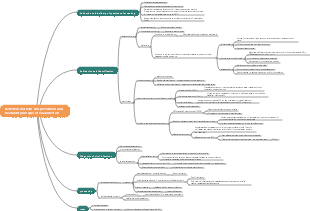
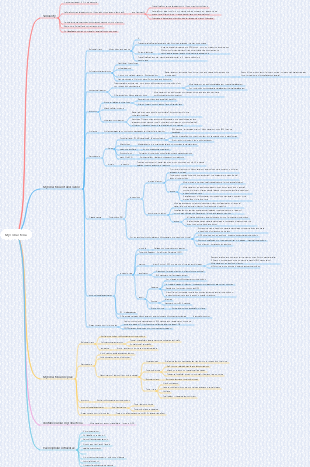
Animal-derived bacteria
Brucella
biological properties
G-
two antigens
Brucella melitensis-M antigen has a large proportion
Brucella bovis - A large proportion of antigen
Pathogenicity
Pathogenic substances – endotoxins
Pathogenic mechanism—intracellular parasitic bacteria, causing bacteremia (endotoxemia)
Course of disease
2 to 4 weeks, most can heal on their own
A few develop wave fever
Brucella invades the body and is phagocytosed by phagocytes. The amount of bacteria increases beyond the phagocytic capacity and is released into the blood, causing bacteremia. Then it spreads to the liver, spleen, and bone marrow tissues. The fever subsides and then multiplies to a certain extent and is released again into the blood. blood, causing intermittent recurring fever. If it is not cured for a long time, it will develop into chronic wasting disease.
Can cause abortion in livestock
specimen
Patient's blood, bone marrow
Aborted animal tissue
About intracellular bacteria
Speciality
Chlamydia
Rickettsia
Facultative (skin test is delayed type hypersensitivity reaction)
Mycobacterium tuberculosis
Mycobacterium leprae
Salmonella typhi
Brucella
Legionella pneumophila
Yersinia pestis
Biological traits
G-
Bacillus parvum, densely stained at both ends, light stained in the middle, no spores, capsule
Cultivation characteristics
facultative anaerobic
Broth culture medium
There is a flocculent precipitate in the early stage of growth, and a bacterial film forms after 48 hours. The bacterial film sinks like a stalactite when shaken slightly, making the culture medium turbid.
The strain is an R-type colony
Grows in corrupt, high-salt areas and is extremely polymorphic
Pathogenicity
antigen
F1,V/W,Yop
rat toxin
Exotoxins
Only highly toxic to rats
Can be detoxified into toxoids
Only released after bacterial lysis
endotoxin
Pathogenic to humans
Disease caused
plague
Bubonic plague (acute lymphitis) → Pneumonic plague (respiratory tract transmission) → Septicemic plague
High mortality rate, strong immunity
Very small amounts of bacteria can cause disease
media
rat fleas
way for spreading
bite wound
respiratory tract
Popularity
jungle cycle
urban circulation
prevention
Kill rats, kill fleas
isolation
border quarantine
live vaccine
Bacillus
Most non-pathogenic bacteria (Bacillus subtilis), few pathogenic bacteria (Bacillus anthracis)
Bacillus anthracis
Biological traits
G. immitis, the largest pathogenic bacteria
No flagella. Oval spores are common in the middle, and the width is less than the bacterial body. capsule
Pathogenic substances
capsule
anthrax toxin
Edema factor (EF)
Lethal factor (LF)
Protective Antigen (PA)
disease
All can be complicated by sepsis and cause anthrax meningitis, with extremely high mortality
Cutaneous anthrax
Direct contact with sick animals or their fur
The initial stage is macules or papules, which later turn into blisters, and the necrotic area finally forms eschar.
Pulmonary anthrax
Caused by inhalation of spores
intestinal anthrax
Eating undercooked or contaminated food
Immunity
Develop long-lasting and robust immunity after infection
Isolation culture
Sensitive to multiple antibiotics
penicillin bead test
Low concentration of penicillin changes the shape from rod to spherical, presenting a bead-like arrangement.
preventive treatment
Penicillin G
live attenuated anthrax vaccine
It is strictly forbidden to dissect dead animals, and they must be burned/buried deep with a large amount of lime.
Coxiella
Causes Q fever
Transmission vector—ticks