MindMap Gallery Other bacteria mind maps
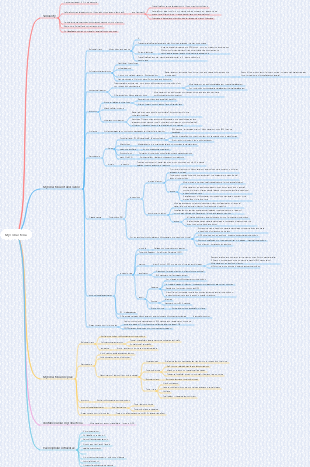
Mind map about other bacteria, medical microorganisms, including Pseudomonas aeruginosa, Legionella, Corynebacterium diphtheriae, Bordetella pertussis, etc.
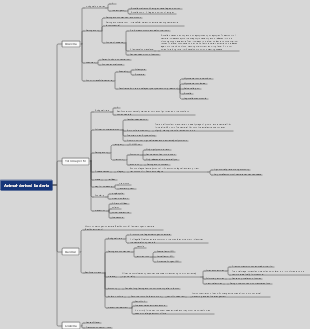
Edited at 2023-11-09 12:13:23This is a mind map about bacteria, and its main contents include: overview, morphology, types, structure, reproduction, distribution, application, and expansion. The summary is comprehensive and meticulous, suitable as review materials.

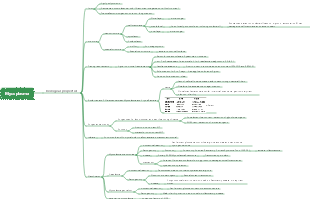
This is a mind map about plant asexual reproduction, and its main contents include: concept, spore reproduction, vegetative reproduction, tissue culture, and buds. The summary is comprehensive and meticulous, suitable as review materials.
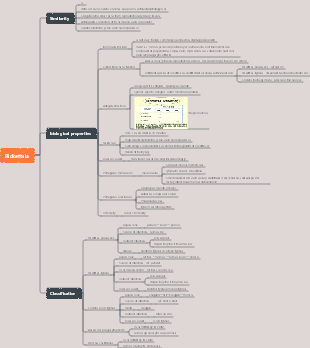
This is a mind map about the reproductive development of animals, and its main contents include: insects, frogs, birds, sexual reproduction, and asexual reproduction. The summary is comprehensive and meticulous, suitable as review materials.
This is a mind map about bacteria, and its main contents include: overview, morphology, types, structure, reproduction, distribution, application, and expansion. The summary is comprehensive and meticulous, suitable as review materials.
This is a mind map about plant asexual reproduction, and its main contents include: concept, spore reproduction, vegetative reproduction, tissue culture, and buds. The summary is comprehensive and meticulous, suitable as review materials.
This is a mind map about the reproductive development of animals, and its main contents include: insects, frogs, birds, sexual reproduction, and asexual reproduction. The summary is comprehensive and meticulous, suitable as review materials.
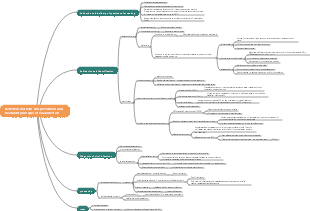
Other bacteria
Pseudomonas aeruginosa
Biological traits
Morphological staining
G-, Campylobacter
No spores, capsule, with 1 to 3 flagella on one end
Culture and biochemical reactions
Aerobic, no CO2 is required for culture
Grow at 42℃
Produce fluorescent green water-soluble pigment
There is a hemolytic ring
Can decompose urea, oxidase test is positive
Strong resistance
Pathogenicity
One of the normal flora: multiplying in the human intestine
Density Sensing Signaling System (QS)
This enables the bacterium to monitor changes in the number of itself or other bacteria in the surrounding environment based on the concentration of specific signal molecules. When the value reaches a certain concentration threshold, it starts the expression of relevant genes in the bacteria to adapt to changes in the environment.
The QS system can regulate the expression of virulence factors and affect host immune function
Pathogenic substances
Endotoxin (O antigen)
Pili, capsule, exotoxins (inhibit protein synthesis)
Immunity
The original endotoxin protein (OEP) in the O antigen is a protective antigen → people can produce antibodies to it, so it has a protective effect on the human body and can be used to make vaccines
Disease caused
Widely distributed in hospital settings, causing bacteremia, sepsis, epidemic diarrhea
Legionella
Biological traits
G-not easy to dye, Giemsa dyeing is red, silver-plated dyeing is dark brown
Culture and biochemical reactions
obligate aerobic
High nutritional requirements, requiring L-cysteine, iron, methionine → activated carbon-yeast extract agar (BCYE) medium
Gray-white shiny S-shaped colonies
Does not ferment sugar, is catalase positive, does not decompose urea
Strong resistance
Survive in distilled water for more than 100 days—can form a symbiotic relationship with amoeba to maintain bacterial vitality
Invades the human body and can parasitize macrophages
Resistant to chlorine and acid
Sensitive to common chemical disinfectants, UV rays, and drying
Disease caused
Legionnaires' disease, spread by droplets
Pontiac fever—influenza-like (mild)
Legionnaires’ disease—pneumonia type (severe)
Mainly symptoms of pneumonia, accompanied by multiple organ damage, death if not treated in time
Extrapulmonary infection, secondary infection
Immunity
cellular immunity
Prevention and control principles
Strengthen water source management and disinfection of artificial water pipeline facilities (this bacteria can be detected in hospital air-conditioning condensate and aerosol particles generated by auxiliary ventilators)
Erythromycin
Corynebacterium diphtheriae
Biological traits
The bacteria are slender, with one or both ends enlarged and rod-shaped.
G
Methylene blue staining—the bacterial cells are stained unevenly in a short period of time, with dark stained particles.
Albert's or Neisser's method—stained metachromatic particles, different from bacterial staining—used to identify bacteria
metachromatic granules
composition
ribonucleic acid, polymetaphosphate
medium
Lu's medium
Rapidly growing, small round gray-white colonies with obvious metachromatic particles.
Potassium tellurite medium - used to identify bacteria
Colony black
Mutations
If the avirulent strain carries B-coryneform bacteriophage → it becomes a lysogenic bacterium and produces diphtheria exotoxin
resistance
Resistant to cold drying
Not sensitive to sulfonamides
Pathogenicity
toxaemia
Corynebacterium diphtheriae invades the body and only grows and reproduces locally in the nose and throat, producing diphtheria toxin into the blood.
Pathogenic substances
diphtheria toxin
composition
A chain—toxic functional area
Inhibits protein synthesis in susceptible cells
B chain—receptor binding region and translocation region
Binds to surface proteins such as cardiomyocytes and nerve cells to assist the A chain in entering susceptible cells
1 molecule kills 1 cell, highly toxic
Fighting tumors with poison: Tumor cells are particularly sensitive to this toxin
Cordoid factor/trehalose 6’6 bimycolic acid
Damage mitochondria in mammalian cells
K antigen
Thermolabile protein, anti-phagocytosis and adhesion
Pathogenic mechanism
Elongation factor-2 (EF-2) produced by the A subunit inactivates susceptible cell proteins
Disease caused
Diphtheria - acute respiratory infectious disease
Bacteria and toxins work together to cause local symptoms
inflammation, necrosis
Asphyxia caused by false membrane (early cause of death)
Toxins enter the blood and cause symptoms of systemic poisoning
peripheral neuritis
Difficulty breathing and swallowing
Myocarditis (late cause of death)
Immunity
Antitoxin Neutralization
After infection, the body can acquire strong immunity
microbiological examination
Specimen—Pseudomembrane edge sampling
Isolation culture—potassium tellurite blood agar medium, black colonies
Toxicity test
In vivo method—guinea pig in vivo neutralization test
In vitro method—Elek plate toxicity test
prevention
Injection of DPT triple vaccine
Toxoid components
diphtheria
tetanus
dead bacterium
pertussis
Injection of diphtheria antitoxin
treat
antitoxin antibiotic
Bordetella pertussis
Cultivation characteristics
Bao-Jin culture medium
immunity
sigA
Haemophilus epidemics
Cultivation characteristics
Requires factors X and V (found in plasma proteins and blood)
satellite phenomenon