 Wondershare EdrawMind
MindMap Gallery connective tissue
- 44
connective tissue
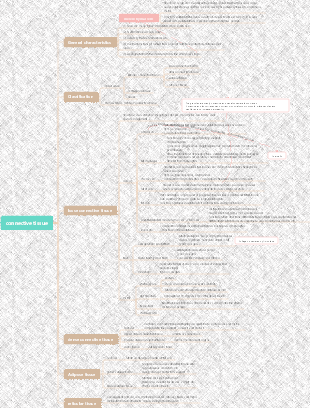
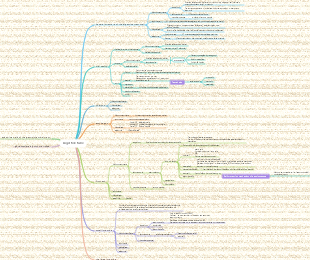
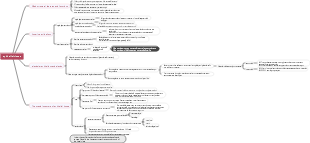
Histome - generalized connective tissue, composed of cells and a large amount of extracellular matrix. The cells are many types, small in number, and non-polar. The extracellular matrix is composed of matrix and fibers and mainly serves the functions of connection, support, protection, defense, transportation and nutrition. .
Edited at 2023-10-23 15:25:49
- bacteria
This is a mind map about bacteria, and its main contents include: overview, morphology, types, structure, reproduction, distribution, application, and expansion. The summary is comprehensive and meticulous, suitable as review materials.
- Plant asexual reproduction
This is a mind map about plant asexual reproduction, and its main contents include: concept, spore reproduction, vegetative reproduction, tissue culture, and buds. The summary is comprehensive and meticulous, suitable as review materials.
- Reproductive development of animals
This is a mind map about the reproductive development of animals, and its main contents include: insects, frogs, birds, sexual reproduction, and asexual reproduction. The summary is comprehensive and meticulous, suitable as review materials.
connective tissue
- bacteria
This is a mind map about bacteria, and its main contents include: overview, morphology, types, structure, reproduction, distribution, application, and expansion. The summary is comprehensive and meticulous, suitable as review materials.
- Plant asexual reproduction
This is a mind map about plant asexual reproduction, and its main contents include: concept, spore reproduction, vegetative reproduction, tissue culture, and buds. The summary is comprehensive and meticulous, suitable as review materials.
- Reproductive development of animals
This is a mind map about the reproductive development of animals, and its main contents include: insects, frogs, birds, sexual reproduction, and asexual reproduction. The summary is comprehensive and meticulous, suitable as review materials.
- Recommended to you
- Outline
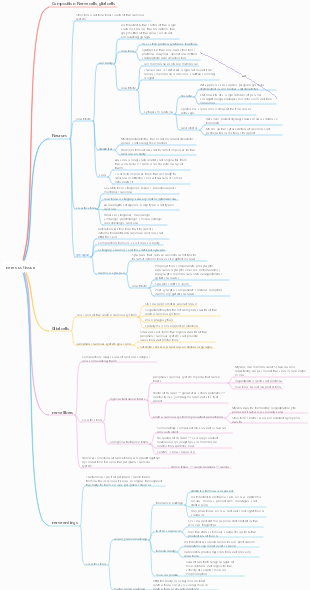
Generalized connective tissue
cartilage and bone
cartilage
cartilage tissue
No blood vessels inside
cartilage matrix
form
With hyaluronic acid as the backbone, it forms a molecular sieve structure; chondroitin sulfate has the highest glycosaminoglycan content and is basophilic when stained with HE. There is a small cavity inside, called a cartilage lacunae, and the surrounding matrix is strongly basophilic, called a cartilage capsule.
Function
It is rich in water and has good permeability. Nutrients in the blood vessels in the perichondrium can enter the cartilage tissue through osmosis.
Chondrocytes
located in cartilage lacunae
form
periphery of cartilage tissue
Cells are distributed singly, small, oblate, and immature
cartilage center
Cells are distributed in groups (homologous cell groups), large, round or oval, mature The cytoplasm is weakly basophilic and contains a large number of rough endoplasmic reticulum, a well-developed Golgi complex, a small number of mitochondria, some glycogen granules and lipid droplets.
Function
Synthesis and secretion of fibers and matrix of cartilage tissue
perichondrium
A thin layer of dense connective tissue on the surface of cartilage
Outer layer: mainly composed of collagen fibers, which plays a protective role
Inner layer: many cells and blood vessels, containing spindle-shaped osteoprogenitor cells that can differentiate into chondrocytes
Classification
hyaline cartilage
form
The matrix contains a lot of water and is translucent when fresh.
distributed
Widely distributed, including costal cartilage, articular cartilage, respiratory tract cartilage, etc.
Structural features
Collagen fibrils, composed of type II collagen
characteristic
Has strong pressure resistance, and has certain elasticity and toughness
Fibrocartilage
form
Opaque milky white when fresh
distributed
Intervertebral disc, articular disc, pubic symphysis, etc.
Structural features
There are a large number of parallel or cross-arranged collagen fiber bundles in the matrix, which are composed of type I collagen.
characteristic
It is very tough and mainly plays the role of connection and protection.
elastic cartilage
form
Opaque yellow when fresh
distributed
Auricle, throat, epiglottis, etc.
Structural features
There are a large number of elastic fibers interwoven into a network in the matrix
characteristic
Have strong elasticity
growth pattern
imposed growth
Proliferation and differentiation of osteoprogenitor cells in the inner layer of the perichondrium → Add chondrocytes to the surface of the cartilage tissue → Chondrocytes synthesize and secrete fibers and matrix → Cartilage expands outward from the surface
interstitial growth
Cartilage cells in cartilage tissue divide and proliferate, synthesize and secrete fibers and matrix → cartilage grows and expands from the inside
bone
bone tissue
Important calcium and phosphorus storage in the human body
Bone matrix
Uncalcified bone matrix is osteoid
Composition
organic matter
Lots of collagen fibers
Mainly composed of type I collagen
A small amount of amorphous matrix (gel-like)
(Main ingredient) Neutral and weakly acidic glycosaminoglycans
Various glycoproteins (produced by osteoblasts)
Osteocalcin
Osteonectin: adheres inorganic matter to organic matter
osteopontin
Inorganic matter (also known as bone salt/calcium salt)
Mainly hydroxyapatite crystals (secreted by fibroblasts)
Cells of bone tissue
Osteoprogenitor cells
Located at the junction of bone tissue and periosteum
form
The cells are small and spindle-shaped; the nucleus is oval; the cytoplasm is sparse, weakly basophilic, and contains a small number of ribosomes and mitochondria.
Function
They are stem cells of bone tissue that can divide and differentiate into osteoblasts.
Osteoblast
Distributed on the surface of bone tissue
form
A single layer of cuboidal or short columnar cells with many small protrusions protruding from the surface and forming gap connections with the protrusions of adjacent osteoblasts or osteocytes; There are tight junctions between adjacent cells; the nucleus is large and round, the nucleoli are obvious, and the cytoplasm is basophilic; Under the electron microscope, abundant rough endoplasmic reticulum and well-developed Golgi complex can be seen.
Function
Synthesis and secretion of collagen fibers and matrix
Releases matrix vesicles (an important structure for osteoid calcification) into osteoid through apocrine secretion, There are alkaline phosphatase, ATPase, etc. on the vesicle membrane, and the vesicles contain calcium-binding protein and small bone salt crystals.
Osteoblasts form inorganic matter and adhere to organic matter to embed themselves → Osteocytes
osteoclast
Located in small depressions on the surface of bone tissue
form
multinucleated giant cells Under a light microscope, the cytoplasm is usually eosinophilic (the cytoplasm is basophilic but gradually becomes eosinophilic as the cells age), and there is a striated border on the bone side. Under the electron microscope, the striated border is composed of many irregular microvilli, called the ruffled border. The cytoplasm of the ruffled border contains a large number of hydrolases and swallowing vesicles.
Function
Dissolve and absorb bone, participate in the reconstruction of bone tissue and maintain blood calcium balance
are located on the surface of bone tissue
Osteocytes
Scattered individually within or between bone plates
form
The cell body is small and flat and oval (located in the bone lacunae), with many slender processes (located in the bone canaliculi); the cytoplasm is weakly basophilic
Function
Osteolysis and osteogenesis, involved in regulating blood calcium balance
long bone
Backbone
Compact bone composition
Ring bone plate
outer ring bone plate
Thicker and neater
inner ring bone plate
Thinner and more irregular
Blood vessels and nerves from the periosteum cross the inner and outer ring bone plates and are called perforating canals (Folkmann's canals)
Bone unit(Havers system)
primary support structure of long bones
Central axis: central tube (Havers tube)
Contains blood vessels, nerves and tissue fluid
Surrounding: Bone unit bone plate (Havers bone plate)
Layers 4-20 are arranged in concentric circles
bone lacunae
bone cells
Bone canaliculus
bone cell process
Interosseous plate
The part that remains after the ring bone plate or bone unit has been absorbed
epiphysis
Mainly composed of cancellous bone, with a thin layer of dense bone on its surface; the articular surface is covered by articular cartilage
Periosteum
constitute
Epiosseous membrane
Outer layer: thicker, composed of dense connective tissue, containing collagen fibers
Inner layer: Thin, loose tissue, few fibers, containing osteoprogenitor cells, bone covering cells, blood vessels, nerves, etc.
endosteum
Very thin, lining the surface of the medullary cavity, the inner surface of the perforating canal and central canal, and the surface of trabecular bone, composed of a single layer of osteoprogenitor cells and a small amount of connective tissue
Function
Nourish bone tissue and provide osteoblasts for bone growth and repair
distributed
The internal and external surfaces of bone tissue other than the articular surface
bone marrow (see below)
blood
Plasma (55%)
Serum does not contain fibrinogen
Element
90% water, plasma proteins (albumin, globulin, fibrinogen), lipoproteins, Lipid droplets, vitamins, hormones, enzymes, inorganic salts and various nutritional metabolites
Function
Transportation, regulating acid-base balance and osmotic pressure, etc.
layered
Add appropriate anticoagulant (such as heparin/sodium citrate), and after natural or centrifugal precipitation
Upper layer: light yellow plasma
Middle thin layer: white blood cells & platelets
Lower layer: red blood cells
Blood smear: Wright or Giemsa stain
Hemogram: Determination of the shape, number, proportion and hemoglobin content of blood cells
Hemoglobin content: (male) 120-150g/L (Female) 110-140g/L
include
red blood cells
mature red blood cells
Quantity: (Male) 4.0~5.5×10^12/L (Female) 3.5~5.0×10^12/L
7-8μm in diameter, biconcave disc shape, with certain plasticity. No nucleus or organelles, the cytoplasm is filled with hemoglobin
The maintenance of normal form requires ATP for energy. Red blood cells have no mitochondria, and ATP is produced by anaerobic glycolysis of glucose; Without ATP energy supply, it will deform into a spheroidal or spherical shape.
Osmotic pressure: equal to plasma, Equivalent to 0.9% NaCl solution
Hemolysis: Plasma osmotic pressure ↓, excess water enters cells, Red blood cells swell and rupture, and hemoglobin escapes (The remaining red blood cell membrane sacs are called blood ghosts)
Factors that can damage the red blood cell membrane, such as lipid solvents, snake venom, and hemolytic bacteria, can cause hemolysis.
Plasma osmotic pressure ↑, too much intracellular water is analyzed, Red blood cell shrinkage
Reticulocytes
Ratio: (adults) 0.5%-1.5% (Newborn) 3%-6%
Bright tar blue staining → fine blue mesh or particles in the cytoplasm, which are residual ribosomes in the cell → reticulocytes can still synthesize hemoglobin
Bone marrow hematopoietic dysfunction→Reticulocyte count↓
Function
Transport oxygen and carbon dioxide
leukocyte
Quantity: 4.0~10.0×10^9/L
According to the white blood cell cytoplasm Are there any special particles?
granulocytic leukocytes
According to particles chromophilia
neutrophils
Ratio: 50%-70%
Morphology
Spherical, diameter 10-12μm; The core usually has 2-5 lobes, and normal people usually have 2-3 lobes; Left-shifted nucleus (1-2 lobe nuclear cells ↑) often occurs when the body is seriously infected by bacteria Nuclei shift to the right (4-5 lobe nuclear cells ↑) cell senescence
particles
Azure Granules (20%)
It is larger in size, lavender in color, and is a kind of lysosome. Contains acid phosphatase, peroxidase, etc. Can digest and decompose foreign matter swallowed
Special particles (80%)
It is small in size, light red in color, and contains alkaline phosphatase, phagocytosin, lysozyme, etc.; Phagocin has a bactericidal effect, and lysozyme can dissolve glycoproteins on the surface of bacteria
Function
Chemotaxis, metamorphosis, and phagocytosis
eosinophils
Ratio: 0.5%-3%
Morphology
Spherical, 10-15μm in diameter, mostly 2-lobed core. The cytoplasm is filled with thick, uniform, orange-red eosinophilic granules
particles
It is a special kind of lysosome, Contains acid phosphatase, aryl sulfatase, peroxidase, histidase, cationic protein, etc.
Function
Chemotaxis, metamorphosis
Releases histamine enzyme to inactivate histamine and weaken allergic reactions
Releases cationic proteins and participates in killing parasites
basophils
Ratio: 0%-1%
Morphology
Spherical, 10-12μm in diameter, containing in the cytoplasm Basophilic particles of varying sizes, uneven distribution, and stained blue-purple
Contains ingredients
Heparin and Histamine (Intragranular) Leukotrienes (in the cytoplasm)
Function
Heparin: anticoagulant Histamine and leukotrienes: involved in allergic reactions
agranulocytosis (There are particles, but they are not special particles)
monocytes
Ratio: 3%-8%
Morphology
It is the largest cell among white blood cells, with a diameter of 14-20 μm; The nucleus is kidney-shaped, horseshoe-shaped or irregular; the cytoplasm is rich and gray-blue.
The cytoplasm contains many lavender azurophilic granules, which are specialized lysosomes. Contains peroxidase, acid phosphatase, non-specific esterase and lysozyme
Function
Deformation movement, chemotaxis, participating in immune response and entering connective tissue or other tissues, Differentiate into macrophages and other cells with phagocytic function
Lymphocytes
Ratio: 20%-30%
Classification
by size
Small lymphocytes (6-8μm)
Very little cytoplasm, basophilic, Contains a small amount of azurophilic granules
Medium lymphocytes (9-12μm)
Large lymphocytes (13-20μm)
by function
Thymus-dependent cells (T cells)
Bone marrow-dependent cells (B cells)
Natural killer cells (NK cells)
Function
Participate in cellular immunity or humoral immunity, etc.
platelets
Quantity: 100~300×10^9/L
source
It is a small piece of cytoplasm shed from the cytoplasm of mature megakaryocytes in bone marrow.
Morphology
Biconvex disc shape, 2-4 μm in diameter, without nucleus, with organelles, often distributed in groups; Granule area: central part, containing blue-purple granules Transparent zone: Peripheral part, homogeneous light blue, containing microfilaments and microtubules
Function
Involved in hemostasis and coagulation
Development of bone marrow and blood cells
Migration of hematopoietic organs: (3rd embryonic week) blood islands in the yolk sac wall → (6th week) liver → (12th week) spleen → (late embryonic to postnatal) bone marrow
marrow
yellow bone marrow
red bone marrow
constitute
hematopoietic tissue
composition
Mainly composed of reticular tissue and hematopoietic cells
structure
Reticular cells and reticular fibers form the scaffolding of hematopoietic tissue
The mesh is filled with various developmental stages Blood cells, a small amount of hematopoietic stem cells, macrophages, adipocytes and undifferentiated mesenchymal cells, etc.
Hematopoiesis-inducing microenvironment
The internal environment for the growth and development of hematopoietic cells
composition
Composed of reticular tissue, microvessels, macrophages, etc.
Function
Regulates proliferation and differentiation of hematopoietic cells
Sinusoids
Irregular shape, different lumen sizes, sinus wall lined with porous endothelium, and incomplete basement membrane The sinusoids are filled with hematopoietic tissue
distributed
Cancellous bone at the epiphyseal end of flat bones, irregular bones, and long bones
Have active hematopoietic function
Hematopoietic stem cells and hematopoietic progenitor cells
hematopoietic stem cells
They are primitive cells that generate various blood cells, also known as pluripotent stem cells.
After birth, mainly found in red bone marrow, followed by spleen and lymph nodes
Features
Multidirectional differentiation ability
High self-replication ability
heterogeneity
hematopoietic progenitor cells
Several types of directional stem cells differentiated from hematopoietic stem cells, also called directional stem cells
Classification
erythroid hematopoietic progenitor cells
Granulocyte-monocyte lineage hematopoietic progenitor cells
Megakaryocyte lineage progenitor cells
Evolution of the process of hematopoiesis
The cell body changes from large to small (the occurrence of megakaryocytes changes from small to large)
The nucleus changes from large to small (the nucleus of the red blood cell eventually disappears)
The amount of cytoplasm gradually increases from small to large, and the basophilia of the cytoplasm gradually weakens.
Special granules in granulocytes appear from scratch and gradually increase in number
Cell division ability changes from existence to non-existence (lymphocytes still have strong potential division ability)
intrinsic connective tissue
Loose connective tissue
Cell
Fibroblast
It is the most important cell in loose connective tissue; it has the largest number, widest distribution and greatest function.
form
Light microscopy
The cell body is large, flat and multi-projected; the cytoplasm is weakly basophilic; the nucleus is oval with obvious nucleoli; When inactive, they are called fiber cells. Their cell bodies are small and their cytoplasm is weakly eosinophilic.
Electron microscopy
Abundant rough endoplasmic reticulum, free ribosomes and developed Golgi complex
Function
Synthesis and secretion of collagen, elastin and proteoglycans
Form collagen fibers, elastic fibers, reticular fibers and matrix components in connective tissue
Macrophages
distributed
Widely present in the body
form
Light microscopy
Round or irregular shape; cytoplasm is rich, eosinophilic, and red; nucleus is small and deeply stained
Electron microscopy
Microfolds and protrusions; numerous lysosomes, phagosomes, phagocytic vesicles; microfilaments and microtubules
Function
Metamorphosis and chemotaxis
Phagocytosis
Antigen presentation
Secretory function
source
Mononuclear cells in blood (cytoplasm is blue)
Plasma cell
distributed
It is more common in the connective tissue of the lamina propria in parts of the digestive tract, respiratory tract mucosa and other areas where pathogenic bacteria or foreign body proteins are easily invaded.
form
Light microscopy
Round or oval; the cytoplasm is basophilic, with a lightly stained area on the near-nuclear side; the nucleus is small and deviated, The nuclear chromatin is radial (also called wheel-shaped or spoke-shaped), and the nucleoli are obvious
Electron microscopy
Abundant parallel-arranged rough endoplasmic reticulum, free ribosomes, perinuclear centrosomes and well-developed Golgi complex
Function
Synthesizes and secretes immunoglobulins (antibodies) and participates in the body's humoral immune response
source
B lymphocytes
Mast cells
form
Light microscopy
Round or oval; cytoplasm is filled with thick, metachromatic basophilic granules
Electron microscopy
There are microvilli and granular ridges on the cell surface; the cytoplasmic granules are of different sizes, round or oval, and are wrapped by unit membranes on the surface.
distributed
Mostly located around small blood vessels, mostly distributed in connective tissue in parts of the dermis, digestive tract, respiratory tract mucosa, etc. that are in contact with the outside world.
Function
Participate in immune response, defense, anticoagulation, etc.; Involved in allergic reactions (mast cell degranulation caused by antigen stimulation)
Histamine & Leukotrienes
Causes capillary dilation and increased permeability, Helps a large number of white blood cells and plasma components to enter the inflammatory area from blood vessels, Plays a defensive role in the body
(in pathological conditions) causing respiratory smooth muscle spasm, Cause allergic reaction symptoms such as urticaria and asthma
eotaxin
Guide the accumulation of eosinophils and reduce allergic reactions
heparin
Anticoagulation
Mast cells synthesize and release leukotrienes in the cytoplasm; Mast cell granule contents: histamine, heparin, eotaxin
source
bone marrow hematopoietic progenitor cells
fat cells
form
Light microscopy
Often distributed singly or in groups, the cells are larger and spherical or oval; The cytoplasm is filled with lipid droplets (dissolved during HE staining) and the nucleus is squeezed to the periphery, making the cells vacuolated.
Function
Synthesize and store fat, participate in lipid metabolism
source
undifferentiated mesenchymal cells
Undifferentiated mesenchymal cells
form
fibrocyte-like
distributed
Mostly distributed around small blood vessels
Function
Low degree of differentiation and strong proliferation ability, Stem cells with differentiation potential, Involved in inflammation and wound repair
Can differentiate into fibroblasts, adipocytes, endothelial cells and smooth muscle cells of new blood vessel walls, etc.
Differentiates into a variety of connective tissue cells, endothelial cells, smooth muscle cells, etc. during the embryonic period
leukocyte
Attracted by chemokines, it migrates through the blood vessel wall through deformation motion into the connective tissue to perform defense functions.
extracellular matrix
fiber
Collagen fiber (white fiber)
structure
Under the light microscope, it is thick and without branches; under the electron microscope, it is collagen fibrils. There are periodic horizontal stripes (the period is about 64nm)
chemical composition
Type I and Type III collagen
(secreted by fibroblasts) collagen → collagen fibrils → collagen fibers
Features
High toughness and strong tensile strength
Elastic fiber (yellow fiber)
structure
Under a light microscope, they are thin and branched; under an electron microscope, they are microfibrils.
chemical composition
elastin
Features
Highly elastic, dyed purple or tan by aldehyde red or lichen red
HE staining turns pink
Reticular fibers (argyrophilic fibers)
structure
It is thinner under light microscope, difficult to color with HE staining, and black with silver plating staining; There are 64nm periodic horizontal stripes under the electron microscope
chemical composition
Type III collagen
Features
Argyrophilic, PAS staining positive
distributed
Mostly distributed at the junction of connective tissue and epithelial tissue (basement membrane mesh), At the junction with nervous tissue, reticular tissue, around muscle cells, fat cells, and hematopoietic organs, etc.
matrix
chemical composition
Proteoglycan
Main components of matrix
include
Hyaluronic acid; [chondroitin sulfate A, C, keratan sulfate, heparan sulfate, etc.] are collectively called glycosaminoglycans
Hyaluronic acid (which forms the backbone of the proteoglycan complex) forms proteoglycans with the help of proteins and glycosaminoglycans, and a large number of proteoglycan aggregates form molecular sieves
Glycoprotein
include
Fibronectin, laminin, chondronectin, etc.
Participate in the composition of molecular sieves and affect cell differentiation and migration
structure
molecular sieve
Formed from a large number of proteoglycan polymers with many micropores
It has a barrier effect, which can limit the diffusion of macromolecules such as bacteria, while allowing water smaller than its pore size and water-soluble nutrients, hormones, Gas molecules, ions, metabolites, etc. pass through to facilitate material exchange between blood and cells.
Clinical: Hemolytic streptococci and cancer cells can produce hyaluronidase, which destroys the barrier function of molecular sieves and accelerates their spread.
tissue fluid
Liquid that infiltrates into the matrix through the arterial end of capillaries and returns through the venous ends of capillaries or lymphatic capillaries, which facilitates material exchange
Pathological conditions: edema, dehydration
Dense connective tissue
Morphology: Mainly fibers, less cells and matrix Mostly composed of collagen fibers A few are mainly elastic fibers
Regular dense connective tissue
distributed
Tendon, aponeurosis
The extracellular matrix contains a large number of thick, parallel-arranged collagen fiber bundles. There are fibroblasts (also called tenocytes) between fiber bundles
Irregular dense connective tissue
distributed
Dermis, sclera, and lining of internal organs
The extracellular matrix contains a large number of thick, irregularly arranged collagen fiber bundles. Fiber bundles are intertwined into a dense lamellar structure with only a few fibroblasts and matrix
Elastane
distributed
nuchal ligament, ligamentum flavum, vascular elastic membrane
adipose tissue
The largest "energy bank" in the body
Shape: Massive accumulation of fat cells separated by loose connective tissue
Yellow adipocytes (single vesicle~)
distributed
Subcutaneous tissue, omentum, mesentery, yellow bone marrow, etc.
Function
Store fat, maintain body temperature, cushion, protect and fill
Brown adipocytes (multivesicular~)
distributed
newborn
Shoulder blade area, armpit, neck, etc.
aldult
Rarely, distributed in an island shape around the kidneys
Function
When cold, lipids decompose and oxidize to generate a large amount of heat to maintain body temperature.
reticular tissue
form
Reticular cells: synthesize reticular fibers; star-shaped multiple processes, cytoplasm is weakly basophilic; can produce reticular fibers
Reticular fibers & matrix
distributed
Bone marrow, lymph nodes, spleen, lymphoid tissue, etc.
Function
Forms a microenvironment for the development of blood cells and lymphocytes
Made up of cells and a large amount of extracellular matrix There are many types of cells, few in number, and no polarity The extracellular matrix is composed of matrix and fibers It mainly serves the functions of connection, support, protection, defense, transportation and nutrition.