MindMap Gallery Digestive tube
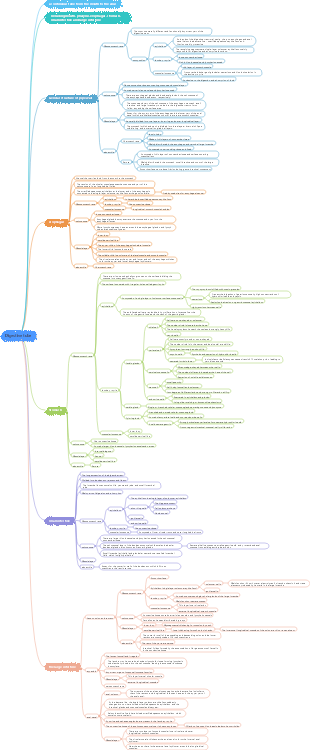
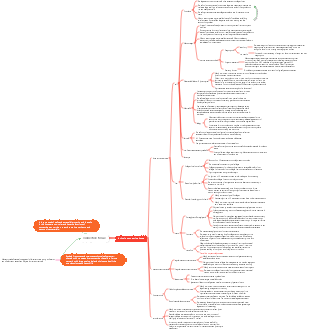
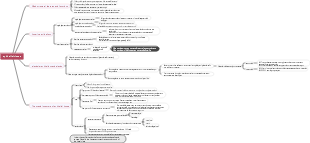
This is a mind map about the digestive tract. The digestive tract is a continuous tube from the mouth to the anus, including the mouth, pharynx, esophagus, stomach, small intestine and large intestine.
Edited at 2024-02-05 18:17:12This infographic, created using EdrawMax, outlines the pivotal moments in African American history from 1619 to the present. It highlights significant events such as emancipation, key civil rights legislation, and notable achievements that have shaped the social and political landscape. The timeline serves as a visual representation of the struggle for equality and justice, emphasizing the resilience and contributions of African Americans throughout history.

This infographic, designed with EdrawMax, presents a detailed timeline of the evolution of voting rights and citizenship in the U.S. from 1870 to the present. It highlights key legislative milestones, court decisions, and societal changes that have expanded or challenged voting access. The timeline underscores the ongoing struggle for equality and the continuous efforts to secure voting rights for all citizens, reflecting the dynamic nature of democracy in America.
This infographic, created using EdrawMax, highlights the rich cultural heritage and outstanding contributions of African Americans. It covers key areas such as STEM innovations, literature and thought, global influence of music and arts, and historical preservation. The document showcases influential figures and institutions that have played pivotal roles in shaping science, medicine, literature, and public memory, underscoring the integral role of African American contributions to society.
This infographic, created using EdrawMax, outlines the pivotal moments in African American history from 1619 to the present. It highlights significant events such as emancipation, key civil rights legislation, and notable achievements that have shaped the social and political landscape. The timeline serves as a visual representation of the struggle for equality and justice, emphasizing the resilience and contributions of African Americans throughout history.
This infographic, designed with EdrawMax, presents a detailed timeline of the evolution of voting rights and citizenship in the U.S. from 1870 to the present. It highlights key legislative milestones, court decisions, and societal changes that have expanded or challenged voting access. The timeline underscores the ongoing struggle for equality and the continuous efforts to secure voting rights for all citizens, reflecting the dynamic nature of democracy in America.
This infographic, created using EdrawMax, highlights the rich cultural heritage and outstanding contributions of African Americans. It covers key areas such as STEM innovations, literature and thought, global influence of music and arts, and historical preservation. The document showcases influential figures and institutions that have played pivotal roles in shaping science, medicine, literature, and public memory, underscoring the integral role of African American contributions to society.
Digestive tube
General structure of the digestive tract wall
Mucous membrane
epithelium
Stratified squamous epithelium at both ends of the digestive tract (oral cavity, pharynx, esophagus, anus) - protection
The remaining segments of single-layer columnar epithelium - digestion and absorption
lamina propria
LCT loose connective tissue
muscularis mucosa
thin layer of smooth muscle
submucosa
CT, including nerve plexus (parasympathetic neurons, unmyelinated nerve fibers)
Muscle layer
Oral cavity, pharynx, upper esophagus, anal canal - skeletal muscles, other smooth muscles
Inner circular muscles and outer longitudinal muscles, including nerve plexuses
adventitia
fiber membrane
CT - main esophagus and terminal large intestine
Serosa
CT and mesothelium - main stomach, small intestine, large intestine
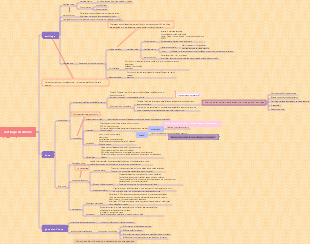
oral cavity
General structure of oral mucosa
Mucous membrane
Stratified squamous epithelium
Lamina propria: CT, glandular
Skeletal muscle/bone
tongue
Mucous membrane
Stratified squamous epithelium
lamina propria
tongue papilla
Filamentous papillae (no taste buds)
fungiform papillae
Contoured nipples
skeletal muscle
tooth
Dentin
Dentin tubules, odontoblasts, stroma Sensitive to hot, cold, sour, sweet and mechanical stimulation
enamel
The hardest tissue in the body Glaze columns, a small amount of interstitium ameloblasts, radial
cementum
dental pulp
LCT, contains blood vessels, nerve fibers
periodontal ligament
gums
pharynx
Mucous membrane
Muscle layer
adventitia
esophagus
Mucous membrane
Unkeratinized stratified squamous epithelium
submucosa
mucinous esophageal gland
Muscle layer
Upper 1/3 - skeletal muscle Middle 1/3 - skeletal muscle and smooth muscle Lower 1/3 - Smooth muscle
adventitia
fiber membrane
Stomach
Mucous membrane
epithelium
Simple columnar epithelium (surface mucus cells)
The nucleus is located at the base The top is filled with clay particles, making the supranuclear area transparent or vacuolated.
lamina propria
gastric glands
fundic glands
Distributed in the fundus and body of the stomach
chief cell
peptic cells Conical or columnar, round core RER Enzyme granules, pepsinogen
parietal cell
oxyntic or hydrochloric acid cells Synthesize and secrete hydrochloric acid - sterilizes and activates pepsinogen Secreted intrinsic factor - prevents vitamin B12 from being broken down by enzymes in the small intestine
cervical mucus cells
Few, located in the neck of the gland, with flat nuclei and light staining
stem cell
Neck of gland, bottom of gastric pit
endocrine cells
cardia gland
Pyloric gland
muscularis mucosa
smooth muscle
submucosa
Muscle layer
adventitia
Serosa
small intestine
Annular folds (mucosa and submucosa), intestinal villi (mucosal epithelium and lamina propria), and microvilli (free surface of epithelial absorptive cells) can expand the surface area of the small intestinal lumen
Mucous membrane
epithelium
absorbing cells
Limb striae (LM), microvilli (EM) Cell coat - an important part of digestion and absorption absorb nutrients Participate in the release process of secretory IgA Secretes enterokinase, which activates trypsinogen secreted by the pancreas
goblet cells
endocrine cells
lamina propria
small intestinal glands
Paneth cells (Paneth cells)
stem cell
muscularis mucosa
submucosa
Muscle layer
adventitia
the large intestine
gut-associated lymphoid tissue
endocrine cells of the gastrointestinal tract
Self-protection mechanism of gastric mucosa
Mucus-bicarbonate barrier (surface mucus cells) insoluble gel mucus
Taste buds
taste receptors
bright cells
dark cells
basal cells