MindMap Gallery PM capability model
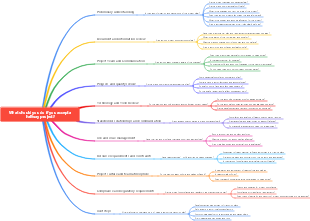
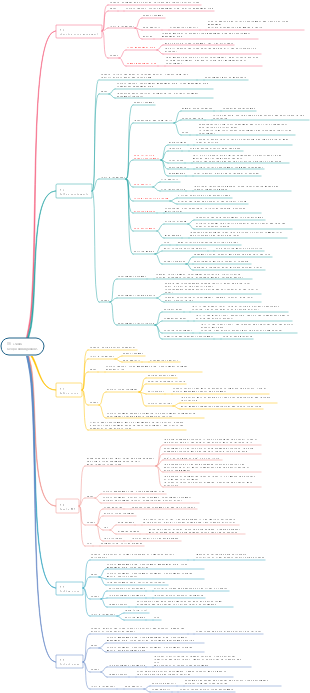
This is a mind map about the PM capability model. The main contents include: continuous learning and development, leadership and influence, stakeholder management, technology and innovation management, strategic planning and execution, business intelligence and data analysis, Product management, team leadership and management, project management basics.
Edited at 2024-11-22 15:40:38Rumi: 10 dimensions of spiritual awakening. When you stop looking for yourself, you will find the entire universe because what you are looking for is also looking for you. Anything you do persevere every day can open a door to the depths of your spirit. In silence, I slipped into the secret realm, and I enjoyed everything to observe the magic around me, and didn't make any noise. Why do you like to crawl when you are born with wings? The soul has its own ears and can hear things that the mind cannot understand. Seek inward for the answer to everything, everything in the universe is in you. Lovers do not end up meeting somewhere, and there is no parting in this world. A wound is where light enters your heart.
Chronic heart failure is not just a problem of the speed of heart rate! It is caused by the decrease in myocardial contraction and diastolic function, which leads to insufficient cardiac output, which in turn causes congestion in the pulmonary circulation and congestion in the systemic circulation. From causes, inducement to compensation mechanisms, the pathophysiological processes of heart failure are complex and diverse. By controlling edema, reducing the heart's front and afterload, improving cardiac comfort function, and preventing and treating basic causes, we can effectively respond to this challenge. Only by understanding the mechanisms and clinical manifestations of heart failure and mastering prevention and treatment strategies can we better protect heart health.
Ischemia-reperfusion injury is a phenomenon that cellular function and metabolic disorders and structural damage will worsen after organs or tissues restore blood supply. Its main mechanisms include increased free radical generation, calcium overload, and the role of microvascular and leukocytes. The heart and brain are common damaged organs, manifested as changes in myocardial metabolism and ultrastructural changes, decreased cardiac function, etc. Prevention and control measures include removing free radicals, reducing calcium overload, improving metabolism and controlling reperfusion conditions, such as low sodium, low temperature, low pressure, etc. Understanding these mechanisms can help develop effective treatment options and alleviate ischemic injury.
Rumi: 10 dimensions of spiritual awakening. When you stop looking for yourself, you will find the entire universe because what you are looking for is also looking for you. Anything you do persevere every day can open a door to the depths of your spirit. In silence, I slipped into the secret realm, and I enjoyed everything to observe the magic around me, and didn't make any noise. Why do you like to crawl when you are born with wings? The soul has its own ears and can hear things that the mind cannot understand. Seek inward for the answer to everything, everything in the universe is in you. Lovers do not end up meeting somewhere, and there is no parting in this world. A wound is where light enters your heart.
Chronic heart failure is not just a problem of the speed of heart rate! It is caused by the decrease in myocardial contraction and diastolic function, which leads to insufficient cardiac output, which in turn causes congestion in the pulmonary circulation and congestion in the systemic circulation. From causes, inducement to compensation mechanisms, the pathophysiological processes of heart failure are complex and diverse. By controlling edema, reducing the heart's front and afterload, improving cardiac comfort function, and preventing and treating basic causes, we can effectively respond to this challenge. Only by understanding the mechanisms and clinical manifestations of heart failure and mastering prevention and treatment strategies can we better protect heart health.
Ischemia-reperfusion injury is a phenomenon that cellular function and metabolic disorders and structural damage will worsen after organs or tissues restore blood supply. Its main mechanisms include increased free radical generation, calcium overload, and the role of microvascular and leukocytes. The heart and brain are common damaged organs, manifested as changes in myocardial metabolism and ultrastructural changes, decreased cardiac function, etc. Prevention and control measures include removing free radicals, reducing calcium overload, improving metabolism and controlling reperfusion conditions, such as low sodium, low temperature, low pressure, etc. Understanding these mechanisms can help develop effective treatment options and alleviate ischemic injury.
PM capability model
Project management basics
Project definition
Clarify project goals
Set SMART goals (specific, measurable, attainable, relevant, time-bound)
Ensure goals are aligned with organizational strategy
Define project scope
Determine project boundaries
List what is included and excluded in the project
Develop project plan
Create a work breakdown structure (WBS)
Break projects into small, manageable tasks
Ensure clear logic between tasks
Arrange timetable
Use a Gantt chart or critical path method (CPM)
Consider task dependencies and resource allocation
risk management
Risk identification
Identify potential risks through brainstorming, checklists, etc.
Communicate with team members and stakeholders to identify risks
risk assessment
Assess the likelihood and impact of risks
Prioritize using risk matrix
risk response strategies
Develop prevention and response measures
Assign responsibilities and resources to execute risk response plans
Team leadership and management
communication management
Determine communication needs
Analyze information needs of stakeholders and team members
Design a communication plan
Implement communication strategy
Hold regular meetings and reports
Use multiple communication channels to ensure messaging
team building
Build a team culture
Foster an environment of trust and respect
Encourage collaboration and innovation among team members
resolve conflicts
Identify the root causes of conflict
Adopt appropriate conflict resolution strategies
Incentive and performance management
Set performance standards
Set individual and team performance metrics based on project goals
Regular performance evaluation and feedback
Incentive mechanism
Design reward and recognition system
Provide career development and training opportunities
product management
market research
Understand market needs
Conduct market research and user interviews
Analyze competitors and market trends
Define product vision
Create a product roadmap
Identify product differentiators
Product design and development
user experience design
Prototyping and user interface design
Conduct user testing and feedback collection
Technical implementation
Choose the right technology stack
Manage development progress and quality assurance
Product release and iteration
release plan
Develop product launch schedule
Prepare marketing and sales strategies
Continuous improvement
Collect user feedback
Regular updates on product features and performance
Business Intelligence and Data Analysis
data collection
Determine data needs
Determine required data types based on business goals
Choose appropriate data collection methods
Data integration
Integrate data from different sources
Ensure data quality and consistency
data analysis
data mining
Use statistical analysis and machine learning techniques
Discover patterns and trends in your data
decision support
Use analysis results to support project decisions
Develop data-based strategies and action plans
data visualization
Create charts and reports
Use charts and dashboards to showcase key metrics
Make data easy to understand and communicate
Share insights
Communicate data insights to teams and stakeholders
Leverage data to drive decision-making processes
strategic planning and execution
Organizational strategic alignment
Understand organizational goals
Analyze the organization's long-term and short-term goals
Ensure projects are aligned with organizational strategy
Develop project strategy
Create a project strategic plan
Determine the project's contribution to organizational goals
Execution and monitoring
Implement project plan
Execute tasks according to project plan
Manage project resources and progress
Monitoring and Control
Monitor project status using project management tools
Adjust plans promptly to deal with deviations
Continuous improvement
Evaluate project results
Regularly review project goals and results
Identify opportunities for improvement and success stories
Implement improvement measures
Develop improvement plans and allocate resources
Track improvements and make adjustments
Technology and Innovation Management
Technology Trend Analysis
Pay attention to industry trends
Read industry reports and research regularly
Attend industry conferences and seminars
Evaluate new technologies
Analyze the impact of new technologies on projects
Decide whether to adopt new technology
Innovative practice
Encourage innovative thinking
Create an open innovation environment
Conduct innovation workshops and brainstorming sessions
Implement innovative projects
Managing the life cycle of innovation projects
Monitor the progress and effectiveness of innovation projects
knowledge management
knowledge sharing
Establish knowledge base and document management system
Promote knowledge exchange among team members
Knowledge update
Regularly update knowledge base content
Ensure knowledge is accurate and relevant
stakeholder management
Stakeholder identification
Identify key stakeholders
List all stakeholders of the project
Analyze stakeholder needs and expectations
stakeholder analysis
Classify using the power/influence matrix
Develop appropriate communication and management strategies
communication and participation
Communicate regularly
Regularly report project progress to stakeholders
Maintain transparency through meetings and reports
Participate in promotion
Encourage stakeholders to participate in the decision-making process
Gather feedback and suggestions from stakeholders
relationship maintenance
build trust
Communicate project challenges and risks honestly
Fulfill commitments and resolve issues promptly
handling conflicts
Identify potential conflicts among stakeholders
Take steps to prevent and resolve conflicts
Leadership and Influence
personal leadership
self-awareness
Understand your own leadership style and strengths
Be aware of your limitations and room for improvement
emotional intelligence
Manage your emotions and stress
Enhance empathy and interpersonal skills
influencing skills
Build influence
Build authority through professional capabilities and networks
Use persuasion techniques and negotiation strategies
inspire others
Identify and leverage team members’ motivations
Provide incentives and rewards to increase team motivation
decision-making ability
Make informed decisions
Collect and analyze relevant information
Consider the long-term and short-term effects of decisions
Coping with uncertainty
Making judgments with incomplete information
Manage risk and prepare response plan B
Continuous learning and development
personal development plan
Determine career goals
Analyze personal career interests and long-term goals
Develop specific steps to achieve your goals
Learning resource planning
Identify needed learning resources and opportunities
Develop study schedules and progress tracking methods
Knowledge update and skill improvement
Pay attention to industry development
Read professional books and journals regularly
Attend online courses and workshops
Skill practice
Apply newly learned skills in practical work
Seek feedback and conduct self-assessments
Feedback and Reflection
Proactively seek feedback
Request feedback from colleagues and superiors
Learn lessons from project results
reflective practice
Practice regular self-reflection
Identify areas for improvement and develop action plans