MindMap Gallery PMP-05 Project Scope Management
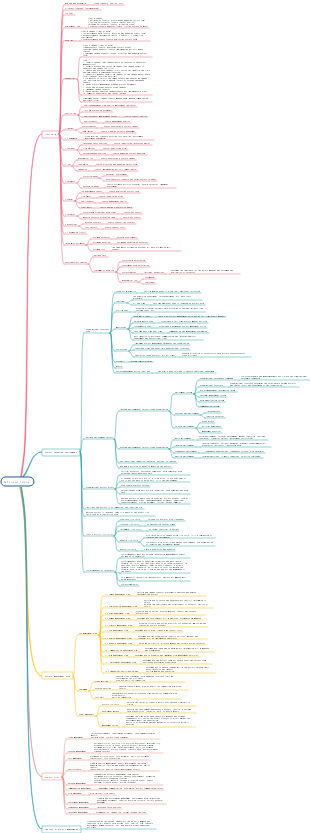
Chapter 5 Project Scope Management,PMP project management, PMBOK sixth edition knowledge structure organization,(PMBOK 6th Edition) Essential for studying and preparing for exams, 49 process tests,The ten knowledge areas of PMP, the input and output of the five process groups,PMP Exam—Knowledge Points Review (PMBOK Sixth Edition).
Edited at 2024-09-05 10:05:03Diese Vorlage zeigt die Struktur und Funktion des Fortpflanzungssystems in Form einer Mind Map. Es führt die verschiedenen Komponenten der internen und externen Genitalien ein und sortiert das Wissen eindeutig aus, um Ihnen dabei zu helfen, mit den wichtigsten Wissenspunkten vertraut zu werden.
Dies ist eine Mind Map über die Interpretation und Zusammenfassung des Beziehungsfeldes E-Book, des Hauptinhalts: Überblick über die Essenzinterpretation und Übersicht über das Feld E-Book. "Relationship Field" bezieht sich auf das komplexe zwischenmenschliche Netzwerk, in dem ein Individuum andere durch spezifische Verhaltensweisen und Einstellungen beeinflusst.
Dies ist eine Mind Map über Buchhaltungsbücher und Buchhaltungsunterlagen.
Diese Vorlage zeigt die Struktur und Funktion des Fortpflanzungssystems in Form einer Mind Map. Es führt die verschiedenen Komponenten der internen und externen Genitalien ein und sortiert das Wissen eindeutig aus, um Ihnen dabei zu helfen, mit den wichtigsten Wissenspunkten vertraut zu werden.
Dies ist eine Mind Map über die Interpretation und Zusammenfassung des Beziehungsfeldes E-Book, des Hauptinhalts: Überblick über die Essenzinterpretation und Übersicht über das Feld E-Book. "Relationship Field" bezieht sich auf das komplexe zwischenmenschliche Netzwerk, in dem ein Individuum andere durch spezifische Verhaltensweisen und Einstellungen beeinflusst.
Dies ist eine Mind Map über Buchhaltungsbücher und Buchhaltungsunterlagen.
05 items scope management
5.1 planning scope management
Purpose: Document how to define, validate and control project scope
enter
Project Charter, Project Management Plan: Quality Management Plan
Tools & Techniques
expert judgment
data analysis
Alternatives Analysis
Used to analyze and collect requirements and carry out scope management Multiple alternatives and making a choice
Meeting
Convene meetings to prepare scope management plan and requirements management plan
output
scope management plan
How to write a scope statement, WBS, WBS dictionary
Who will approve the scope baseline and how will the deliverables be accepted?
demand management plan
What methods are used to collect requirements, what criteria are used to rank requirements, and how to track the implementation of requirements
5.2 Gather requirements
Purpose: Collect the needs of relevant parties, convert them into specific project needs and record them
Requirements must be measurable
enter
Project charter, requirements management plan, scope management plan, stakeholder engagement plan
Interested party register, assumption log, business documents, agreements/contracts
Tools & Techniques
expert judgment
Interpersonal and team skills
nominal group technique
Sequencing brainstorming
observe and talk
Follow the work, you can stand by and observe and participate in the observation
guide
Representatives from cross-department and cross-field stakeholders were invited to discuss needs. To identify some cross-border requirements and coordinate conflicting requirements
data collection Gather requirements
Brainstorming
A group of people face to face to brainstorm and come up with as many ideas as possible
Interview
Ask the person directly what they need
focus group
Call 6 to 10 people with similar backgrounds to participate in the meeting, and let them target the host Discuss the questions and get the collective opinions of the group
Questionnaire
Quickly collect requirements from many respondents
Benchmarking
Local contrast, which can be internal or external
data analysis
File analysis
Site investigation
Individual investigation method, group investigation method and contact comparison method
System interaction diagram
A visual depiction of the product range
Display the input and output of the business system
prototype method
Prototyping, user experience, collecting feedback, prototype modifications.
Data performance
Affinity diagram
Categorize the bulk requirements for brainstorming.
Affinity diagrams can classify potential defect causes and show the areas of greatest concern
mind Mapping
Integrate brainstorming ideas into a picture to reflect commonalities and differences and inspire new ideas
decision making
vote
Make collective evaluation decisions on plans.
Multi-criteria decision analysis
Use a decision matrix to prioritize
Delphi technique
Anonymous voting, experts must have one and only one vote
Questionnaire multiple rounds of feedback
Reaching a consensus helps mitigate personal biases.
output
requirements document
Content: serial number, requirement description, classification, sorting, acceptance criteria, acceptance method, relevant parties
Requirements Tracking Matrix
Explain the correspondence between specific needs and high-level goals, as well as the specific needs Correspondence between project design and deliverables at the level of detail
Content: Description of requirements, ranking, sources, high-level goals, results in WBS
Requirements classification
business needs
This is the highest level, such as seizing a business opportunity. Solution: Why do you want to do a certain project?
Stakeholder needs
This is the middle level, addressing: What do the stakeholders want to do with the project product?
Solution requirements
This is the lowest level, the features and functions that the project product must have. Solution: What project product must the project team develop?
transition and readiness requirements
Such as data migration
5.3 Define scope
Purpose: Define project boundaries
Tools & Techniques
expert judgment
data analysis
Alternatives Analysis
enter
Project charter, scope management plan, requirements document, hypothesis log
output
project scope statement
Refined product range
Detailed acceptance criteria
Deliverables
Product results that must be produced to complete the project, such as project management reports and documents
Project exclusions
The project must do nothing to lower user expectations and increase satisfaction
Helps manage stakeholder expectations and reduce scope creep
Project document updates Assumption log Requirements documentation Requirements tracking matrix Stakeholder register
Clarify what requirements must be implemented on this project, prepare a project scope statement based on these requirements, and clarify the boundaries of the project scope.
5.4 Create WBS
Break down work into small tasks and work packages, And form a scope benchmark based on this. Helps identify scope creep
The work breakdown structure is used to determine the overall scope of the project and all the work of the project must be included in it.
Requirements of the 100% rule of work breakdown structure: The work breakdown structure must and can only contain 100% of the work
Don’t do too much or don’t do too little
The preparation of the work breakdown structure requires the participation of all major stakeholders and the participation of project team members.
The purpose of decomposing layer by layer is to improve the accuracy of time and cost estimates. In order to carry out project planning, execution and control more effectively
enter
Project Management Plan: Scope Management Plan
Project documents: project scope statement, requirements documents, business environment factors, organizational process assets
output
Scope Baseline
Approved Scope Statement WBS and WBS Dictionary
project scope statement
WBS
work package
The lowest level of WBS. The work package is the smallest deliverable on the project, which is further broken down into schedule activities.
planning package
Below the control account, above the work package. Planning packages must be broken down into work packages before they can be executed
WBS Dictionary
Various details of the work package
tool
Decomposition, rolling planning
5.5 Confirm scope
Purpose: The process of formal acceptance of completed project deliverables
Improve by validating each deliverable Possibility of final product results being accepted
enter
Project management plan: requirements management plan, scope management plan, scope baseline
Project documents: requirements documents, requirements tracking matrix, quality reports
Work performance data, verified deliverables
output
Deliverables for acceptance
Officially signed and approved by the client or sponsor
job performance information
Includes project progress information
change request
Deliverables that have been completed but have not passed formal acceptance and the reasons for failure should be documented
Tools & Techniques
Check (tick list)
decision making
vote
5.6 Control range
Purpose: Monitor the scope status of projects and products. Manage the process of scope baseline changes.
Scope creep and gold-plated projects are failures
enter
Project management plan: scope management plan, requirements management plan, scope baseline, performance measurement baseline
Project documents: requirements documents, requirements tracking matrix, work performance data
output
job performance information
Includes classification of changes received, scope deviations identified and their causes, impact of deviations on schedule and cost, and forecasts of future scope performance.
change request
After analyzing project performance, change requests may be made to the scope baseline and schedule baseline
Tools & Techniques
data analysis
Deviation analysis
Determine the extent and reasons why project scope performance deviates from the scope baseline
trend analysis
Predict future project scope performance