MindMap Gallery Product Lifecycle Model A Powerful Tool to Describe Product and Market Operations Methods
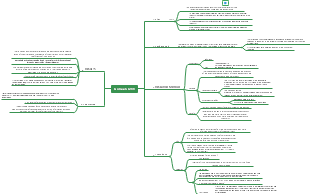
Still confused about the development rules of products in the market? The product life cycle model mind map is here! It clearly shows the characteristics of the product from introduction to recession and gives corresponding marketing strategies. Through it, you can accurately grasp the rhythm of the product and formulate scientific strategies. You are the right-hand assistant to understand product and market operations. Come and find out!
Edited at 2025-01-16 22:03:14Rumi: 10 dimensions of spiritual awakening. When you stop looking for yourself, you will find the entire universe because what you are looking for is also looking for you. Anything you do persevere every day can open a door to the depths of your spirit. In silence, I slipped into the secret realm, and I enjoyed everything to observe the magic around me, and didn't make any noise. Why do you like to crawl when you are born with wings? The soul has its own ears and can hear things that the mind cannot understand. Seek inward for the answer to everything, everything in the universe is in you. Lovers do not end up meeting somewhere, and there is no parting in this world. A wound is where light enters your heart.
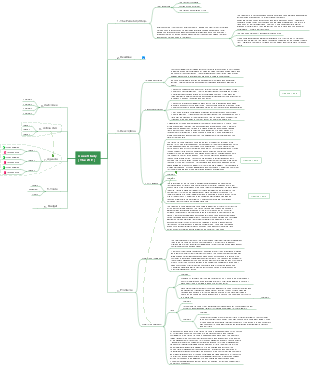
Chronic heart failure is not just a problem of the speed of heart rate! It is caused by the decrease in myocardial contraction and diastolic function, which leads to insufficient cardiac output, which in turn causes congestion in the pulmonary circulation and congestion in the systemic circulation. From causes, inducement to compensation mechanisms, the pathophysiological processes of heart failure are complex and diverse. By controlling edema, reducing the heart's front and afterload, improving cardiac comfort function, and preventing and treating basic causes, we can effectively respond to this challenge. Only by understanding the mechanisms and clinical manifestations of heart failure and mastering prevention and treatment strategies can we better protect heart health.
Ischemia-reperfusion injury is a phenomenon that cellular function and metabolic disorders and structural damage will worsen after organs or tissues restore blood supply. Its main mechanisms include increased free radical generation, calcium overload, and the role of microvascular and leukocytes. The heart and brain are common damaged organs, manifested as changes in myocardial metabolism and ultrastructural changes, decreased cardiac function, etc. Prevention and control measures include removing free radicals, reducing calcium overload, improving metabolism and controlling reperfusion conditions, such as low sodium, low temperature, low pressure, etc. Understanding these mechanisms can help develop effective treatment options and alleviate ischemic injury.
Rumi: 10 dimensions of spiritual awakening. When you stop looking for yourself, you will find the entire universe because what you are looking for is also looking for you. Anything you do persevere every day can open a door to the depths of your spirit. In silence, I slipped into the secret realm, and I enjoyed everything to observe the magic around me, and didn't make any noise. Why do you like to crawl when you are born with wings? The soul has its own ears and can hear things that the mind cannot understand. Seek inward for the answer to everything, everything in the universe is in you. Lovers do not end up meeting somewhere, and there is no parting in this world. A wound is where light enters your heart.
Chronic heart failure is not just a problem of the speed of heart rate! It is caused by the decrease in myocardial contraction and diastolic function, which leads to insufficient cardiac output, which in turn causes congestion in the pulmonary circulation and congestion in the systemic circulation. From causes, inducement to compensation mechanisms, the pathophysiological processes of heart failure are complex and diverse. By controlling edema, reducing the heart's front and afterload, improving cardiac comfort function, and preventing and treating basic causes, we can effectively respond to this challenge. Only by understanding the mechanisms and clinical manifestations of heart failure and mastering prevention and treatment strategies can we better protect heart health.
Ischemia-reperfusion injury is a phenomenon that cellular function and metabolic disorders and structural damage will worsen after organs or tissues restore blood supply. Its main mechanisms include increased free radical generation, calcium overload, and the role of microvascular and leukocytes. The heart and brain are common damaged organs, manifested as changes in myocardial metabolism and ultrastructural changes, decreased cardiac function, etc. Prevention and control measures include removing free radicals, reducing calcium overload, improving metabolism and controlling reperfusion conditions, such as low sodium, low temperature, low pressure, etc. Understanding these mechanisms can help develop effective treatment options and alleviate ischemic injury.
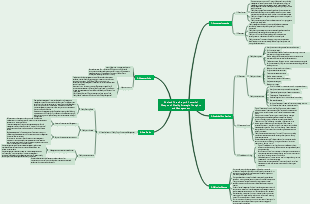
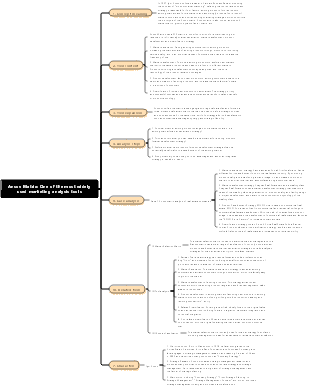
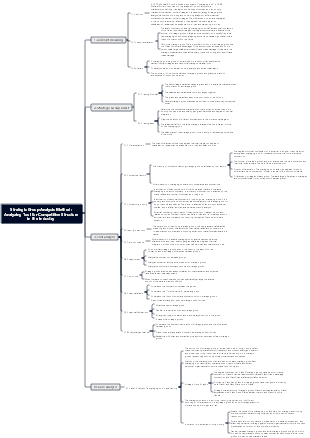
Product Lifecycle Model: A Powerful Tool to Describe Product and Market Operations Methods
1. Concept meaning
(I) Source meaning
In 1965, Theodore Levitt proposed the concept of product life cycle in the Harvard Business Review, and in 1966, Raymond Vernon proposed the product life cycle model in his paper. The product life cycle is the market life of the product. From development, introduction, growth, maturity to recession, there are differences in this cycle in different countries.
(II) Typical product life cycle
1. Phase 1: Introduction (introduction) period: Products are put into market testing, with few varieties, few customers know, low sales, high costs, and the company may lose money.
2. Phase 2: Growth period: Product trial sales are successful, demand and sales are rising rapidly, costs are falling, profits are growing, and competitors enter.
3. Stage 3: Maturity stage: mass production of products, market saturation, slow sales growth, fierce competition, and enterprises need to increase investment.
4. Stage 4: Recession period: Products aging, sales volume and profits continue to decline, replaced by new products, and some companies stop production.
(III) Conceptual elements
Products have limited lives, sales go through different stages, and profits are different at each stage, so different marketing, financial and other strategies are required.
(IV) Pay attention to the problem
The product life cycle and service life are different, and the product types, product forms and brand life cycles are also different.
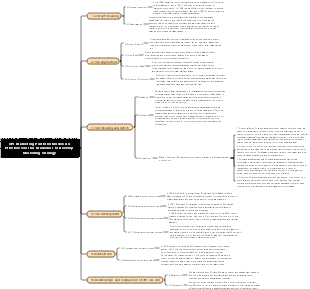
2. Tool analysis
(I) Product life cycle curve
In the stages of product development, introduction, growth, maturity and recession, sales and profits show different changes. This curve applies to general products, but is not suitable for special products such as style and fashion.
(II) Special product life cycle
It includes style, fashion, hot and scallop product life cycles, and its curved shape is different from that of general products.
3. Tool application
(I) As a prediction mode
Enterprises can use product life cycle to predict new product sales. Common ones include diffusion new product models, such as the Brady-Adams model, but when using it, you need to pay attention to sales caps, curve shapes, consumer homogeneity assumptions and corporate marketing efforts. condition.
(II) As a guide for marketing strategy
1. Marketing strategy in the introduction period: The marketing focus is on promotion and price. There are four strategies: high-price fast, selective penetration, low-price fast, and slow penetration. Each strategy is suitable for different market environments.
2. Marketing strategies in the growth stage: Enterprises should maintain and expand market share, and can adopt strategies such as increasing production, improving products, opening up markets, unblocking channels, changing promotional focus, and using price means.
3. Marketing strategies in the mature stage: Enterprises can adopt strategies such as market correction, product improvement, and marketing portfolio adjustment to maintain and expand market share and increase sales.
4. Marketing strategy during recession: Enterprises can choose to maintain, reduce or withdrawal strategies, and they need to make decisions based on market conditions and the company's own conditions.
(III) Brand Opportunities analyzed
American scholar Marcos put forward the view of "brand opportunity", examining product brands and product categories separately, forming nine product brand opportunities, including product repositioning or brand repositioning.
(IV) How to determine the stage of the life cycle of the product
Common methods include analogy, growth rate, curve judgment, experience judgment and product popularity judgment.
(V) Main factors affecting the life cycle of the product market
Including the nature and use of the product itself, changes in consumer demand, the degree of progress in social production technology and market competition.
(VI) Main methods to extend the life cycle of the product market
Promote consumers to get used to using, change product design, open up new markets, discover new areas of use, etc.
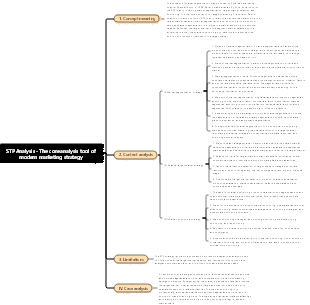
4. Characteristics and significance
(I) Advantages
Provide applicable marketing planning perspectives and divide products into different strategic periods, which is easy to formulate marketing strategies and is simple and easy to understand.
(II) Disadvantages
The standards for the division of starting and ending points in each stage are not easy to confirm, the curves are not all standard S-shaped, it is difficult to determine the level of application, and no factors such as cost are considered, which can easily cause "marketing myopia", and a life cycle can be created after the product decline.
(III) Function
Reveal the product market life pattern, help companies judge the product stage, formulate marketing strategies, and extend the product life cycle, but when applying, you need to carefully judge the product stage.
V. Case analysis
Case 1: Analysis of the life cycle model of book products
1. Book product life cycle concept: refers to the lifespan of the book market, which goes through the investment period, growth period, maturity period and recession period.
2. Characteristics of the life cycle of book products: Each stage is measured by changes in sales and profits, and the characteristics of different stages are obvious, such as slow growth in sales during the investment period, high costs, and rapid growth in sales during the growth period.
3. Marketing strategies for each stage of the life cycle of the book product: strategies such as double high, rapid penetration, selective penetration, and slow penetration can be adopted during the investment period; brand image should be established, distribution channels should be broadened, and price reductions should be appropriately reduced during the growth period; Product improvement, market improvement and marketing combination improvement; you can choose to shrink, maintain or abandon strategies during recession.
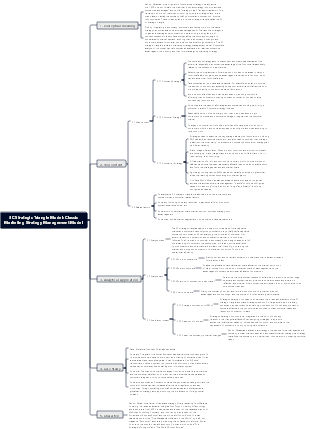
VI. Related tools
(I) Requirements/Technology Life Cycle
1. Concept of meaning: Product life cycle theory is based on demand/technology life cycle theory and describes the situation where the product form meets the demand within a given demand technology life cycle.
2. Main content: The demand life cycle is divided into appearance period, accelerated growth period, slow growth period, maturity period and recession period. Each new technology has a corresponding life cycle.
(II) Customer Life Cycle Theory
1. Conceptual meaning: refers to the entire process from the establishment of a business relationship between the enterprise and the customer to the termination of the business, which is divided into the inspection period, the formation period, the stability period and the degradation period.
2. Stage characteristics: During the inspection period, the two parties understand each other, and there is great uncertainty; the relationship in the formation period develops rapidly and transactions increase; the relationship in the stable period matures and transaction volume is high; the relationship in the degradation period reverses and transaction volume decreases.
3. The relationship between customers and enterprises at each stage: Customers at each stage contribute differently to the company's income, and the most contribution during the stable period. Enterprises can provide personalized services according to different stages.