MindMap Gallery Hydrogen energy application demand analysis
1. Production of alcohols from aldehydes, production of alkenes from alkynes, production of benzene by dealkylation of toluene, production of aniline by hydrogenation of nitrobenzene, production of hydrogenated naphthalene from naphthalene, etc. 2. Diphenylmethylene diisocyanate (MDI), toluene diisocyanate (TDI), adipic acid, fatty alcohols, etc. used in the light chemical industry all require catalytic hydrogenation processes.
Edited at 2022-10-27 13:36:00本テンプレートは、日本人に人気の海外リゾート地「ハワイ・オアフ島」を対象とした、5 日間の充実したモデル旅行プランを体系化したマインドマップです。初めてハワイを訪れる旅行者、リピーター、家族連れやカップルなど、多様なニーズに対応するため、旅行基本情報・持ち物チェックリスト・5 日間詳細スケジュール・オプションプラン・事前準備情報の 5 つの軸で構成されています。対象読者は日本からオアフ島へ旅行を計画中の 20〜50 代の旅行者であり、成果指標としては、情報の網羅性(渡航手続きから現地体験まで必要な項目が過不足なく含まれているか)、実用性(移動時間や費用、予約のタイミングなどの正確さ)、体験の充実度(自然・文化・アクティビティ・食事のバランス)を測定します。 ユーザーニーズ分析では、渡航準備・現地移動・体験プラン・安全情報の 4 領域を掘り下げます。渡航準備においては、ESTA 申請、飛行機の予約、為替、パスポートの有効期限、海外旅行保険など、事前に整えるべき情報が不足していると計画が難しくなります。求められる価値としては、渡航に必要な手続きの流れ、必要な持ち物リスト、季節別の服装アドバイス、現地で使えるアプリや連絡先などが考えられます。現地移動では、ワイキキ内の徒歩・バス移動、レンタカーの利用方法、空港からのアクセス、交通機関のルール(右側通行など)が主な関心事です。悩みとしては、バスの路線が分からない、レンタカーの予約手続きが不安、現地での移動時間の目安が分からないなどが挙げられます。体験プランでは、ビーチでのんびり、ダイヤモンドヘッドのハイキング、ノースショアでのサーフィン、ハレイワタウン散策、ポリネシアン・カルチャーセンターでの文化体験など、オアフ島の魅力を網羅したプランが求められます。悩みとしては、限られた日数で主要スポットを効率よく回れない、予算に合ったアクティビティの選び方が分からない、人気のレストランやショップの情報が不足しているなどが挙げられます。安全情報では、ハワイ特有の注意点(紫外線対策、海での安全ルール、治安情報)、緊急時の連絡先、現地でのトラブル対応方法など、旅行者が不安に感じる点を整理することが重要です。 5 日間のモデルコースでは、各日のテーマを明確に設定し、体験のバランスを考慮しています。1 日目は「到着日・ワイキキ慣らし」として、ホノルル国際空港に到着後、ワイキキのホテルにチェックインし、夕方からワイキキビーチでのんびりしたり、夜は地元料理を味わったりして、ハワイの雰囲気に慣れる行程です。2 日目は「自然体験&ショッピング」として、午前中にダイヤモンドヘッドのハイキングに挑戦し、午後はアラモアナセンターやワイキキでショッピングを楽しみ、夜はハワイアン・ルアウショーを鑑賞する行程です。3 日目は「歴史文化巡り」として、イオラニ宮殿やパールハーバー(真珠湾)を訪れてハワイの歴史に触れ、午後はダウンタウンホノルルで街歩きをし、夜はインターナショナルマーケットプレイスで食事や買い物を楽しむ行程です。4 日目は「北海岸&大自然体験」として、オプションでノースショアへ向かい、ハレイワタウンで散策したり、サーフィンを体験したり、美しいビーチでのんびり過ごす行程で、夜はワイキキに戻って食事を楽しみます。5 日目は「最終日・思い出作り」として、午前中にワイキキビーチでの最後の散策や、お土産を買いに街を巡り、午後は空港へ移動して帰国する行程です。各日には、おすすめの時間帯、混雑しにくいタイミング、予約が必要なアクティビティの情報などを付け加え、実際に旅行する際の参考になるよう工夫しています。 また、テンプレートには持ち物チェックリストも含まれており、パスポート・ESTA、海外旅行保険証書、現金・クレジットカード、日焼け止め・帽子・サングラス、歩きやすい靴、薬、充電器など、海外旅行に必要なアイテムをリストアップしています。さらに、事前準備情報として、ネット環境の確保、現地で使えるアプリ、緊急連絡先、季節別の服装アドバイスなども記載し、旅行者の不安を解消するようサポートします。 EdrawMind のマインドマップ機能を活用することで、ユーザーは自身の旅行スタイルに合わせて行程を追加・削除したり、好みのアクティビティをハイライトしたりすることができます。例えば、ゆっくりリゾートを楽しみたい方はショッピングやハイキングの時間を減らしてビーチでの時間を増やしたり、アクティブに過ごしたい方はノースショアでのサーフィンやダイビングを追加したりするなど、カスタマイズも自由自在です。このテンプレートは、オアフ島の旅行計画を立てる際の基盤として活用することを想定しており、主要な情報が一目で分かるよう整理されているため、初めてハワイを

本テンプレートは、古都・奈良の世界遺産、鹿とのふれあい、歴史的な雰囲気を存分に楽しむための 1 泊 2 日旅行プランを体系化したマインドマップです。修学旅行や短期文化旅行、週末の小旅行に人気の奈良を対象に、イメージ・種類・交通・宿泊の 4 つの基本軸を設け、2 日間の具体的な行程を時系列で整理しています。対象読者は大阪・京都在住の 20〜40 代の一人旅・カップル・家族連れ、初めて奈良を訪れる旅行者、世界遺産や日本文化に興味のある層であり、成果指標としては、行程の網羅性(主要スポットが過不足なく含まれているか)、実用性(移動時間や混雑情報の正確さ)、体験の充実度(鹿とのふれあい・文化体験の満足度)を測定します。 ユーザーニーズ分析では、行程・体験・交通・注意点の 4 領域を掘り下げます。行程においては、「東大寺」「春日大社」「奈良国立博物館」といった世界遺産の回り方、「奈良公園」での鹿とのふれあい、「奈良町」の古い町並み散策がユーザーの関心事となります。悩みとしては、限られた時間で主要スポットを効率よく回れない、鹿との接し方が分からない、徒歩移動の負担が心配などが挙げられます。求められる価値としては、時間帯別のおすすめルート、鹿と安全に接するためのマナー説明、無理のない徒歩移動のための休憩ポイント案内が考えられます。体験面では、鹿せんべいの購入場所や与え方、春日大社の灯篭や御朱印の魅力、奈良町のカフェや伝統工芸体験など、現地でしか味わえない体験情報が求められます。交通においては、奈良市内のバス路線や一日券の情報、主要スポット間の徒歩時間、雨天時の移動手段など、事前に知っておくべき情報が不足していると計画が難しくなります。注意点では、天候対策(夏の暑さや冬の寒さ)、スケジュールのゆとり作り、写真撮影のルールやマナー、ゴミの持ち帰りなど、旅行者が見落としがちな点を整理することが重要です。 行程の中でも、特に人気の高いスポットには詳細な情報を盛り込んでいます。「東大寺」は世界遺産に登録されており、奈良時代に建立された日本を代表する寺院で、世界最大級の木造建築物である大仏殿や、高さ約 15 メートルの盧舎那仏(奈良の大仏)が有名です。事前にコインロッカーに荷物を預けて身軽になってから訪れることで、ゆっくりと境内を散策できるほか、大仏殿の柱の穴をくぐると「厄除けになる」という言い伝えもあり、多くの観光客が体験しています。「奈良公園」は東大寺や春日大社を含む広大な公園で、約 1,300 頭の野生の鹿が自由に生息しており、鹿せんべいを使って鹿とふれあうことができます。ただし、鹿は野生動物であるため、エサの与え方や触れ方には注意が必要で、事前にルールを確認しておくことが推奨されます。「春日大社」は朱色の社殿と美しい灯篭が特徴的な世界遺産で、参道には 3,000 基を超える石灯篭が並び、神聖な雰囲気を醸し出しています。特に夜間にライトアップされた灯篭は幻想的で、写真撮影にも人気です。 1 泊 2 日のモデルコースでは、初日に東大寺・奈良公園・春日大社を巡り、夜は奈良町の古い町並みを散策して地元料理を味わう行程を提案しています。二日目には、若草山から奈良の街並みを一望した後、興福寺や奈良国立博物館を訪れ、奈良町で伝統工芸体験やカフェ巡りを楽しんでから帰路に就く流れとなっています。各スポットには、徒歩時間や混雑しにくい時間帯、おすすめの食事処などの情報を付け加え、実際に旅行する際の参考になるよう工夫しています。また、旅行の注意点として、スケジュールは体調に合わせて無理のないペースで調整すること、天候に合わせて水分補給や防寒・防暑対策を徹底すること、神社仏閣での写真撮影ルールを守ることなどを記載し、安全で快適な旅行をサポートします。 EdrawMind のマインドマップ機能を活用することで、ユーザーは自身の旅行スタイルに合わせて行程を追加・削除したり、好みのスポットをハイライトしたりすることができます。一人旅向けには静かなカフェ巡りを追加したり、家族連れ向けには鹿とのふれあい体験を充実させたりするなど、カスタマイズも自由自在です。このテンプレートは、奈良の旅行計画を立てる際の基盤として活用することを想定しており、主要な情報が一目で分かるよう整理されているため、初めて奈良を訪れる方でも安心して旅行を楽しむことができます。
本テンプレートは、東京から約90分でアクセス可能な温泉・富士山・美術館が融合したリゾート地「箱根」の週末旅行ガイドを体系化したマインドマップです。カップルや家族連れに人気の週末旅行先として、交通アクセス、観光スポット、名物料理の3軸で構成され、効率的な旅行計画と満足度の高い体験を実現することを目的としています。対象読者は東京在住の20〜40代のカップル・家族連れ、初めて箱根を訪れる旅行者、週末の小旅行を計画中の層であり、成果指標としては、情報の網羅性(必要な項目が過不足なく含まれているか)、実用性(実際の移動時間や料金の正確さ)、満足度(モデルプランの再現性)を測定します。 ユーザーニーズ分析では、交通アクセス、観光スポット、グルメの3領域を掘り下げます。交通アクセスにおいては、東京からの行き方(小田急ロマンスカー約85分・指定席、新宿→箱根湯本、普通電車約2時間・乗換2回)、箱根内の移動手段(登山電車・バス・ケーブルカー・ロープウェイ)、お得な周遊券(箱根フリーパス・2日券)の情報が不足していると計画が難しくなります。求められる価値としては、交通機関別の所要時間・料金・乗換回数を比較した表、周遊券の特典内容(主要観光施設の割引)と購入場所、移動手段ごとのメリット・デメリットが考えられます。観光スポットでは、「箱根ガラスの森美術館」「クモ箱根(早雲山駅)」「芦ノ湖の夕暮れ遊覧船」などが代表的です。悩みとしては、美術館や自然スポットが多すぎて選べない、夕暮れ時の遊覧船のベストタイミングが分からない、写真映えするスポットを知りたいなどが挙げられます。価値ある情報として、おすすめスポットの特徴と所要時間、夕暮れ時の撮影ポイント、カップル向け・家族向けの選別基準を提供します。名物料理では、「黒たまご(大涌谷)」「温泉豆腐」などが代表的です。悩みは、どこで何を食べれば良いか分からない、観光地価格に見合う価値があるか、アレルギーや食事制限への対応などです。求められる価値として、名物料理の特徴とおすすめ店舗、価格帯、食べるタイミング(例:黒たまごは大涌谷観光の合間に)を整理します。 カップルにおすすめスポットとして、「箱根ガラスの森美術館」はユネスコ世界遺産(※正確には箱根地域全体がジオパークに認定されていますが、イメージとして)の美しい庭園とガラス作品が魅力です。写真はイメージですが、実際の訪日客にも人気のスポットです。名物料理のセクションでは、「黒たまご」は大涌谷の火山活動を利用して茹でられた卵で、殻が黒くなるのが特徴です。伝統的な名物料理として、食べると寿命が延びると言われています。「温泉豆腐」も地元の温泉を利用した料理で、なめらかな食感が特徴です。これらの情報をマップ上で可視化し、移動ルートと組み合わせることで、無駄のない観光計画が立てられます。 成功するための具体施策としては、主要スポットを時系列で結んだ「1泊2日モデルコース」を提供する(例:1日目:新宿→箱根湯本→登山電車→強羅→大涌谷→芦ノ湖遊覧船→宿泊、2日目:箱根ガラスの森美術館→箱根湯本→帰京)、各スポットの「混雑予想時間帯」と「穴場時間帯」をデータで示す(例:芦ノ湖遊覧船は夕暮れ時が混雑するが、その分景色は絶景)、名物料理を食べられる店舗の「営業時間・定休日・予約可否」をリスト化する、の3点が有効です。よくある失敗とその回避策としては、移動手段の乗換えが複雑で迷ってしまうケースでは箱根フリーパスの活用と事前のルート確認を推奨すること、観光スポットの滞在時間を見誤って計画が詰まりすぎるケースでは余裕を持ったスケジューリングと優先順位付けをアドバイスすること、天候によって富士山が見えない場合の代替プラン(雨天でも楽しめる美術館や温泉施設)を用意しておくことが有効です。本テンプレートは、週末旅行ガイドのコンテンツを計画・評価する際の基盤として活用することを想定しています。
本テンプレートは、日本人に人気の海外リゾート地「ハワイ・オアフ島」を対象とした、5 日間の充実したモデル旅行プランを体系化したマインドマップです。初めてハワイを訪れる旅行者、リピーター、家族連れやカップルなど、多様なニーズに対応するため、旅行基本情報・持ち物チェックリスト・5 日間詳細スケジュール・オプションプラン・事前準備情報の 5 つの軸で構成されています。対象読者は日本からオアフ島へ旅行を計画中の 20〜50 代の旅行者であり、成果指標としては、情報の網羅性(渡航手続きから現地体験まで必要な項目が過不足なく含まれているか)、実用性(移動時間や費用、予約のタイミングなどの正確さ)、体験の充実度(自然・文化・アクティビティ・食事のバランス)を測定します。 ユーザーニーズ分析では、渡航準備・現地移動・体験プラン・安全情報の 4 領域を掘り下げます。渡航準備においては、ESTA 申請、飛行機の予約、為替、パスポートの有効期限、海外旅行保険など、事前に整えるべき情報が不足していると計画が難しくなります。求められる価値としては、渡航に必要な手続きの流れ、必要な持ち物リスト、季節別の服装アドバイス、現地で使えるアプリや連絡先などが考えられます。現地移動では、ワイキキ内の徒歩・バス移動、レンタカーの利用方法、空港からのアクセス、交通機関のルール(右側通行など)が主な関心事です。悩みとしては、バスの路線が分からない、レンタカーの予約手続きが不安、現地での移動時間の目安が分からないなどが挙げられます。体験プランでは、ビーチでのんびり、ダイヤモンドヘッドのハイキング、ノースショアでのサーフィン、ハレイワタウン散策、ポリネシアン・カルチャーセンターでの文化体験など、オアフ島の魅力を網羅したプランが求められます。悩みとしては、限られた日数で主要スポットを効率よく回れない、予算に合ったアクティビティの選び方が分からない、人気のレストランやショップの情報が不足しているなどが挙げられます。安全情報では、ハワイ特有の注意点(紫外線対策、海での安全ルール、治安情報)、緊急時の連絡先、現地でのトラブル対応方法など、旅行者が不安に感じる点を整理することが重要です。 5 日間のモデルコースでは、各日のテーマを明確に設定し、体験のバランスを考慮しています。1 日目は「到着日・ワイキキ慣らし」として、ホノルル国際空港に到着後、ワイキキのホテルにチェックインし、夕方からワイキキビーチでのんびりしたり、夜は地元料理を味わったりして、ハワイの雰囲気に慣れる行程です。2 日目は「自然体験&ショッピング」として、午前中にダイヤモンドヘッドのハイキングに挑戦し、午後はアラモアナセンターやワイキキでショッピングを楽しみ、夜はハワイアン・ルアウショーを鑑賞する行程です。3 日目は「歴史文化巡り」として、イオラニ宮殿やパールハーバー(真珠湾)を訪れてハワイの歴史に触れ、午後はダウンタウンホノルルで街歩きをし、夜はインターナショナルマーケットプレイスで食事や買い物を楽しむ行程です。4 日目は「北海岸&大自然体験」として、オプションでノースショアへ向かい、ハレイワタウンで散策したり、サーフィンを体験したり、美しいビーチでのんびり過ごす行程で、夜はワイキキに戻って食事を楽しみます。5 日目は「最終日・思い出作り」として、午前中にワイキキビーチでの最後の散策や、お土産を買いに街を巡り、午後は空港へ移動して帰国する行程です。各日には、おすすめの時間帯、混雑しにくいタイミング、予約が必要なアクティビティの情報などを付け加え、実際に旅行する際の参考になるよう工夫しています。 また、テンプレートには持ち物チェックリストも含まれており、パスポート・ESTA、海外旅行保険証書、現金・クレジットカード、日焼け止め・帽子・サングラス、歩きやすい靴、薬、充電器など、海外旅行に必要なアイテムをリストアップしています。さらに、事前準備情報として、ネット環境の確保、現地で使えるアプリ、緊急連絡先、季節別の服装アドバイスなども記載し、旅行者の不安を解消するようサポートします。 EdrawMind のマインドマップ機能を活用することで、ユーザーは自身の旅行スタイルに合わせて行程を追加・削除したり、好みのアクティビティをハイライトしたりすることができます。例えば、ゆっくりリゾートを楽しみたい方はショッピングやハイキングの時間を減らしてビーチでの時間を増やしたり、アクティブに過ごしたい方はノースショアでのサーフィンやダイビングを追加したりするなど、カスタマイズも自由自在です。このテンプレートは、オアフ島の旅行計画を立てる際の基盤として活用することを想定しており、主要な情報が一目で分かるよう整理されているため、初めてハワイを
本テンプレートは、古都・奈良の世界遺産、鹿とのふれあい、歴史的な雰囲気を存分に楽しむための 1 泊 2 日旅行プランを体系化したマインドマップです。修学旅行や短期文化旅行、週末の小旅行に人気の奈良を対象に、イメージ・種類・交通・宿泊の 4 つの基本軸を設け、2 日間の具体的な行程を時系列で整理しています。対象読者は大阪・京都在住の 20〜40 代の一人旅・カップル・家族連れ、初めて奈良を訪れる旅行者、世界遺産や日本文化に興味のある層であり、成果指標としては、行程の網羅性(主要スポットが過不足なく含まれているか)、実用性(移動時間や混雑情報の正確さ)、体験の充実度(鹿とのふれあい・文化体験の満足度)を測定します。 ユーザーニーズ分析では、行程・体験・交通・注意点の 4 領域を掘り下げます。行程においては、「東大寺」「春日大社」「奈良国立博物館」といった世界遺産の回り方、「奈良公園」での鹿とのふれあい、「奈良町」の古い町並み散策がユーザーの関心事となります。悩みとしては、限られた時間で主要スポットを効率よく回れない、鹿との接し方が分からない、徒歩移動の負担が心配などが挙げられます。求められる価値としては、時間帯別のおすすめルート、鹿と安全に接するためのマナー説明、無理のない徒歩移動のための休憩ポイント案内が考えられます。体験面では、鹿せんべいの購入場所や与え方、春日大社の灯篭や御朱印の魅力、奈良町のカフェや伝統工芸体験など、現地でしか味わえない体験情報が求められます。交通においては、奈良市内のバス路線や一日券の情報、主要スポット間の徒歩時間、雨天時の移動手段など、事前に知っておくべき情報が不足していると計画が難しくなります。注意点では、天候対策(夏の暑さや冬の寒さ)、スケジュールのゆとり作り、写真撮影のルールやマナー、ゴミの持ち帰りなど、旅行者が見落としがちな点を整理することが重要です。 行程の中でも、特に人気の高いスポットには詳細な情報を盛り込んでいます。「東大寺」は世界遺産に登録されており、奈良時代に建立された日本を代表する寺院で、世界最大級の木造建築物である大仏殿や、高さ約 15 メートルの盧舎那仏(奈良の大仏)が有名です。事前にコインロッカーに荷物を預けて身軽になってから訪れることで、ゆっくりと境内を散策できるほか、大仏殿の柱の穴をくぐると「厄除けになる」という言い伝えもあり、多くの観光客が体験しています。「奈良公園」は東大寺や春日大社を含む広大な公園で、約 1,300 頭の野生の鹿が自由に生息しており、鹿せんべいを使って鹿とふれあうことができます。ただし、鹿は野生動物であるため、エサの与え方や触れ方には注意が必要で、事前にルールを確認しておくことが推奨されます。「春日大社」は朱色の社殿と美しい灯篭が特徴的な世界遺産で、参道には 3,000 基を超える石灯篭が並び、神聖な雰囲気を醸し出しています。特に夜間にライトアップされた灯篭は幻想的で、写真撮影にも人気です。 1 泊 2 日のモデルコースでは、初日に東大寺・奈良公園・春日大社を巡り、夜は奈良町の古い町並みを散策して地元料理を味わう行程を提案しています。二日目には、若草山から奈良の街並みを一望した後、興福寺や奈良国立博物館を訪れ、奈良町で伝統工芸体験やカフェ巡りを楽しんでから帰路に就く流れとなっています。各スポットには、徒歩時間や混雑しにくい時間帯、おすすめの食事処などの情報を付け加え、実際に旅行する際の参考になるよう工夫しています。また、旅行の注意点として、スケジュールは体調に合わせて無理のないペースで調整すること、天候に合わせて水分補給や防寒・防暑対策を徹底すること、神社仏閣での写真撮影ルールを守ることなどを記載し、安全で快適な旅行をサポートします。 EdrawMind のマインドマップ機能を活用することで、ユーザーは自身の旅行スタイルに合わせて行程を追加・削除したり、好みのスポットをハイライトしたりすることができます。一人旅向けには静かなカフェ巡りを追加したり、家族連れ向けには鹿とのふれあい体験を充実させたりするなど、カスタマイズも自由自在です。このテンプレートは、奈良の旅行計画を立てる際の基盤として活用することを想定しており、主要な情報が一目で分かるよう整理されているため、初めて奈良を訪れる方でも安心して旅行を楽しむことができます。
本テンプレートは、東京から約90分でアクセス可能な温泉・富士山・美術館が融合したリゾート地「箱根」の週末旅行ガイドを体系化したマインドマップです。カップルや家族連れに人気の週末旅行先として、交通アクセス、観光スポット、名物料理の3軸で構成され、効率的な旅行計画と満足度の高い体験を実現することを目的としています。対象読者は東京在住の20〜40代のカップル・家族連れ、初めて箱根を訪れる旅行者、週末の小旅行を計画中の層であり、成果指標としては、情報の網羅性(必要な項目が過不足なく含まれているか)、実用性(実際の移動時間や料金の正確さ)、満足度(モデルプランの再現性)を測定します。 ユーザーニーズ分析では、交通アクセス、観光スポット、グルメの3領域を掘り下げます。交通アクセスにおいては、東京からの行き方(小田急ロマンスカー約85分・指定席、新宿→箱根湯本、普通電車約2時間・乗換2回)、箱根内の移動手段(登山電車・バス・ケーブルカー・ロープウェイ)、お得な周遊券(箱根フリーパス・2日券)の情報が不足していると計画が難しくなります。求められる価値としては、交通機関別の所要時間・料金・乗換回数を比較した表、周遊券の特典内容(主要観光施設の割引)と購入場所、移動手段ごとのメリット・デメリットが考えられます。観光スポットでは、「箱根ガラスの森美術館」「クモ箱根(早雲山駅)」「芦ノ湖の夕暮れ遊覧船」などが代表的です。悩みとしては、美術館や自然スポットが多すぎて選べない、夕暮れ時の遊覧船のベストタイミングが分からない、写真映えするスポットを知りたいなどが挙げられます。価値ある情報として、おすすめスポットの特徴と所要時間、夕暮れ時の撮影ポイント、カップル向け・家族向けの選別基準を提供します。名物料理では、「黒たまご(大涌谷)」「温泉豆腐」などが代表的です。悩みは、どこで何を食べれば良いか分からない、観光地価格に見合う価値があるか、アレルギーや食事制限への対応などです。求められる価値として、名物料理の特徴とおすすめ店舗、価格帯、食べるタイミング(例:黒たまごは大涌谷観光の合間に)を整理します。 カップルにおすすめスポットとして、「箱根ガラスの森美術館」はユネスコ世界遺産(※正確には箱根地域全体がジオパークに認定されていますが、イメージとして)の美しい庭園とガラス作品が魅力です。写真はイメージですが、実際の訪日客にも人気のスポットです。名物料理のセクションでは、「黒たまご」は大涌谷の火山活動を利用して茹でられた卵で、殻が黒くなるのが特徴です。伝統的な名物料理として、食べると寿命が延びると言われています。「温泉豆腐」も地元の温泉を利用した料理で、なめらかな食感が特徴です。これらの情報をマップ上で可視化し、移動ルートと組み合わせることで、無駄のない観光計画が立てられます。 成功するための具体施策としては、主要スポットを時系列で結んだ「1泊2日モデルコース」を提供する(例:1日目:新宿→箱根湯本→登山電車→強羅→大涌谷→芦ノ湖遊覧船→宿泊、2日目:箱根ガラスの森美術館→箱根湯本→帰京)、各スポットの「混雑予想時間帯」と「穴場時間帯」をデータで示す(例:芦ノ湖遊覧船は夕暮れ時が混雑するが、その分景色は絶景)、名物料理を食べられる店舗の「営業時間・定休日・予約可否」をリスト化する、の3点が有効です。よくある失敗とその回避策としては、移動手段の乗換えが複雑で迷ってしまうケースでは箱根フリーパスの活用と事前のルート確認を推奨すること、観光スポットの滞在時間を見誤って計画が詰まりすぎるケースでは余裕を持ったスケジューリングと優先順位付けをアドバイスすること、天候によって富士山が見えない場合の代替プラン(雨天でも楽しめる美術館や温泉施設)を用意しておくことが有効です。本テンプレートは、週末旅行ガイドのコンテンツを計画・評価する際の基盤として活用することを想定しています。
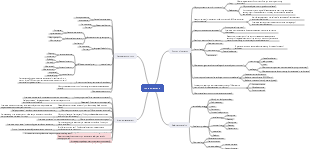
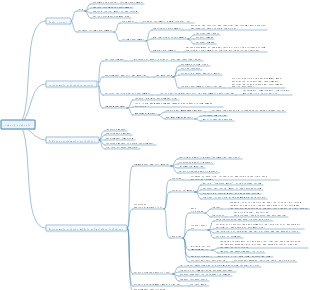
Hydrogen energy application demand analysis
Petrochemical
Hydrogen used as raw material for ammonia synthesis
Hydrogen and nitrogen are directly combined to generate ammonia under a metal catalyst and certain temperature and pressure conditions. Synthetic ammonia is currently the second largest application for hydrogen after refineries. The most commonly used catalyst is based on iron and modified by K2O, CaO, SiO2 and Al2O3. The mixed gas usually passes through four catalyst beds and is cooled between each cooling bed to maintain a reasonable reaction equilibrium constant. Only about 15% of the gas is converted into ammonia each time it passes through a catalyst bed: the liquid ammonia is removed and the unreacted gas is recycled through the compressor. In modern factories, the total conversion rate can reach more than 97%. A 1,000 ton/day synthetic ammonia plant requires 336m3 of hydrogen for each ton of ammonia produced. The main cost of large-scale production of synthetic ammonia depends on the cost of hydrogen.
Hydrogen used as raw material for methanol synthesis
Methanol can be produced from synthesis gas (carbon monoxide and hydrogen) in a fixed-bed reactor with an alumina particle catalyst coated with copper and zinc oxides. Methanol can also be produced by the direct combination of hydrogen and carbon dioxide. In this process, hydrogen and carbon dioxide are pumped into the sealed chamber of the reaction vessel containing the catalyst and heated to 180-250°C. The maximum conversion of carbon dioxide to methanol is approximately 24%. Unconverted carbon dioxide and hydrogen are recovered and returned to the vessel. A methanol plant with a capacity of 2,500 tons/day requires approximately 560m3 of hydrogen for each ton of methanol produced.
Hydrogen used as feedstock for petroleum refining: Desulphurization and hydrocracking
1. In the petroleum refining process, hydrogen is mainly used for naphtha hydrodesulfurization, gas oil hydrodesulfurization, fuel oil hydrodesulfurization, improving the flameless height of aircraft fuel and hydrocracking;
2. Hydrocracking is a catalytic cracking process carried out in the presence of hydrogen. The main characteristics of the reaction are the breakage of C-C bonds, low space velocity, and a large amount of hydrogen used. In the petrochemical industry, hydrogen is mainly used for hydrogenation of C3 fractions, hydrogenation of gasoline, hydrodealkylation of C6-C8 fractions, and the production of cyclohexane.
Petroleum refining industry: Hydrogen for catalytic reforming feedstock
1. Remove impurities such as sulfides, nitrogen compounds, lead and arsenic in naphtha.
2. The operating pressure of hydrodesulfurization of diesel fraction and heavy fraction is 3-4MPa, and the temperature is 340-380°C. Hydrodesulfurization of fuel oil is mainly due to environmental protection requirements, because 95% of air pollution is caused by SO2 released when fuel oil is burned. Hydrodesulfurization consumes a lot of hydrogen, so direct or indirect desulfurization can be used in the process.
3. Selective hydrogenation is mainly used for high-temperature cracking products. Gas-phase hydrogenation is used for the ethylene fraction, and liquid-phase hydrogenation is used for the propylene fraction. The gasoline fraction is rich in diolefins, olefins and aromatic hydrocarbons. These compounds are in contact with air. Colloids will be produced during the process, so hydrogenation must be carried out to convert unstable compounds into stable products.
Hydrorefining
The process of hydrogenation to remove harmful compounds. In addition to hydrogen sulfide, mercaptans, and total sulfur, alkynes, alkenes, metals, and metalloids can all be removed during the hydrogenation process. Therefore, in modern petrochemical processing, the use of hydrogenation technology can improve the quality of petrochemicals and increase the production of the most valuable petrochemicals. Reduce the generation of heavy oil residues and tar, reduce the amount of carbon deposits, and improve the efficiency of petroleum processing plants. With its adaptability, many valuable petrochemical products can be obtained from petroleum processing waste, purifying a series of products and removing harmful impurities. Hydrogen is the most common purifier and cross-linking agent for modern petrochemical industry products, and can improve the production capacity of large-scale cracking units.
Synthetic organic compounds
In the field of petrochemical industry, hydrogen and carbon monoxide can be used to react to synthesize a variety of organic compounds, such as the synthesis of ethylene glycol, the synthesis of polymethylen (polymethylen), the homologation reaction of alcohols, the reaction with unsaturated hydrocarbons to produce aldehydes, etc. Various hydrocarbons can be synthesized using the Fischer-Tropsch method, including engine fuels and a series of valuable single organic compounds, such as solid paraffin, oxygenated compounds, etc.
selective catalytic hydrogenation
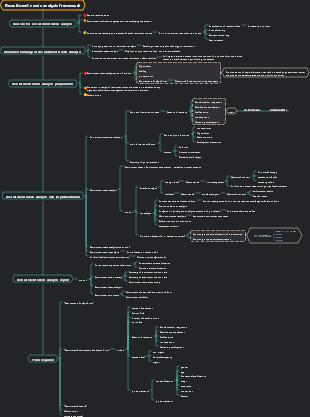
1. Production of alcohols from aldehydes, production of alkenes from alkynes, production of benzene by dealkylation of toluene, production of aniline by hydrogenation of nitrobenzene, production of hydrogenated naphthalene from naphthalene, etc.
2. Diphenylmethylene diisocyanate (MDI), toluene diisocyanate (TDI), adipic acid, fatty alcohols, etc. used in the light chemical industry all require catalytic hydrogenation processes.
electronics industry
Electronic materials: hydrogen as reaction gas, reducing gas or protective gas
"In the crystal growth of electronic materials and the preparation of substrates, oxidation processes, epitaxial processes, and chemical vapor deposition (CVD) technology, hydrogen must be used as a reaction gas, reducing gas, or protective gas.
Oxidation process: When used for hydrogen-oxygen synthesis and oxidation, high-purity hydrogen and high-purity oxygen are passed into a quartz tube under normal pressure, causing them to burn at a certain temperature to generate high-purity water. The water vapor reacts with silicon to generate high-quality SiO2 membrane.
In the epitaxial process, silicon tetrachloride or trichlorosilane reacts with hydrogen on the surface of the heated silicon substrate to reduce the silicon and deposit it on the silicon substrate to form an epitaxial layer.
Chemical vapor deposition (CVD) technology: A method that uses one or several gas phase compounds or elements containing thin film elements to perform a chemical reaction on the surface of a substrate to form a thin film. Chemical vapor deposition is a new technology developed in recent decades for the preparation of inorganic materials. Chemical vapor deposition has been widely used to purify substances, develop new crystals, and deposit various single crystal, polycrystalline or glassy inorganic thin film materials. These materials can be oxides, sulfides, nitrides, carbides, or binary or multi-element interelement compounds in groups III-V, II-IV, IV-VI, and their physical functions can be passed through the gas phase. The doped deposition process is precisely controlled. "
Polysilicon preparation
The preparation of polysilicon in the electronics industry requires the use of hydrogen. When silicon uses hydrogen chloride to generate trichlorosilane SiHCl3, it is separated through a fractionation process. The purified trichlorosilane uses a high-temperature reduction process to reduce and deposit high-purity SiHCl3 in an H2 atmosphere to generate polysilicon. Its chemical reaction SiHCl3 H2→Si HCl reaches the purity required by semiconductors.
Hydrogen reduction oxide powder
In the production process of electric vacuum materials and devices such as tungsten and molybdenum, oxide powder is reduced with hydrogen and then processed into wires and strips. If the purity of the hydrogen used is higher, the water content is lower, and the reduction temperature is lower. , the finer the tungsten and molybdenum powder obtained.
filling gas
The filling gas purity requirements for various gas-filled electron tubes such as hydrogen thyristors, ion tubes, laser tubes, etc. are higher. The purity of hydrogen used in the manufacture of picture tubes is greater than 99.99%.
Semiconductor integrated circuit
The production of semiconductor integrated circuits requires extremely high gas purity. For example, the allowable concentration of oxygen impurities is . The "incorporation" of trace amounts of impurities will change the surface characteristics of semiconductors and even reduce product yields or cause scrap.
Restore protective gas
High-purity hydrogen is also required in the manufacture of amorphous silicon solar cells. Amorphous silicon thin film semiconductor is a new material that has been successfully developed internationally in the past ten years and has shown attractive application prospects in solar energy conversion and information technology.
Optical fiber manufacturing: hydrogen-oxygen flame heating
The application and development of optical fiber is one of the important symbols of the new technological revolution. Quartz glass fiber is the main type of optical fiber. During the manufacturing process, it is necessary to use hydrogen-oxygen flame heating and dozens of depositions to determine the purity and cleanliness of the hydrogen. All have very high demands.
Float glass production
Restore protective gas
Gases widely used in the glass industry are hydrogen, acetylene, oxygen and nitrogen. There is molten tin liquid in the float glass forming equipment. It is easily oxidized and generates tin oxide, causing the glass to be stained with tin and increasing the consumption of tin. Therefore, the tin bath needs to be sealed and pure hydrogen must be continuously supplied. Nitrogen mixed gas maintains positive pressure and reducing atmosphere in the tank to protect the tin liquid from oxidation. Hydrogen consumption in float glass plants depends on the production scale, generally between 80-150m3/h.
reduction metallurgy
Hydrogen reduction steelmaking
"The carbon emissions caused by the steel industry account for about 18% of my country's total carbon emissions.
Hydrogen steelmaking uses hydrogen as a reducing agent instead of carbon, thereby reducing carbon emissions from carbon reduction. It is aimed at the ironmaking process in the steel production process, that is, the blast furnace ironmaking in the long process and the direct reduction ironmaking in the short process. , in addition to eliminating carbon emissions from the reduction reaction, it can also eliminate carbon emissions from the coal coking process. According to the chemical formula of the carbon reduction iron reaction, the reducing agent carbon required to reduce 1 mol of iron is 1.5-3 mol (depending on the participation ratio of direct reduction and indirect reduction). According to the molar mass ratio of iron, carbon and carbon dioxide of 56:12:44, it is produced The carbon dioxide emissions produced by the carbon reduction reaction of 1 ton of iron are 0.59 tons, plus 0.1 tons of coking carbon emissions in the long process, which is equivalent to the long process theoretically reducing carbon emissions by about 0.69-1.28 tons, a reduction of 34-62% .
Blast furnace hydrogen-rich smelting and hydrogen-rich gas-based shaft furnace are the two main directions for the development of hydrogen metallurgy in my country. Compared with traditional "carbon metallurgy", hydrogen metallurgy can reduce carbon dioxide emissions by up to 85%. Hydrogenation of the steel industry will greatly contribute to carbon emission reduction.
Hydrogen enrichment of the blast furnace means injecting substances with higher hydrogen content into the blast furnace, such as pure hydrogen, natural gas, coke oven gas and other hydrogen-rich gases, to replace part of the carbon reduction and reduce carbon emissions. Hydrogen enrichment of the gas-based shaft furnace means increasing the proportion of hydrogen in the reducing gas in the gas base. "
Reduced metal ores
"Hydrogen is mainly used as a reducing gas to reduce metal oxides to metals.
Hydrogen is used commercially to extract tungsten from ores (wolframite, scheelite, and wolframite). Can also be used to produce copper from chertite and chertite (copper oxide, CuO). "
protective gas
When forging some metal equipment at high temperatures, hydrogen is often used as a protective gas to prevent the metal from being oxidized.
food processing industry
Edible oil hydrogenation
"Hydrogen is used to convert unsaturated fats into saturated oils and fats. For example, the food industry uses hydrogen to make hydrogenated vegetable oils such as margarine and butter.
Many natural edible oils have a high degree of unsaturation. After hydrogenation, the resulting product is stable for storage and resists the growth of bacteria and increases the viscosity of the oil.
The products of hydrogenated edible oil can be processed into margarine and edible protein. "
Hydrogenation of non-edible oils
Hydrogenation of non-edible oils can produce raw materials for the production of soaps and livestock feeds. The process involves using hydrogen and unsaturated acids (oleic acid, linoleic acid, etc.) in glycerol to introduce hydrogen into the composition of liquid fats or vegetable oils.
Space, heat release and protection
aviation fuel
It can meet many requirements for future aviation fuel. The most important thing is that hydrogen combustion causes basically no pollution to the environment. On a unit mass basis, the combustion heat value of hydrogen (119900-141900kJ/kg) is 1.8 times greater than the combustion heat value of hydrocarbon fuels. Propellants composed of liquid hydrogen and liquid oxygen have high specific thrust.
Welding and cutting
Hydrogen releases a large amount of heat when reacting with oxygen, and the combustion temperature can reach 3100K. When hydrogen passes through the arc flame, it decomposes into atomic hydrogen. The generated atomic hydrogen flies to the welding surface, and the metal is further heated and melted by absorbing the heat of atomic hydrogen. The temperature of the metal welding surface is as high as 3800-4300K. This atomic hydrogen can be used for melting and welding the most refractory metals, high carbon steels, corrosion-resistant materials, non-ferrous metals, etc. The advantage of using atomic hydrogen for welding is that the hydrogen atomic beam can prevent the welding part from being oxidized, so that no oxide scale will be produced in the welding place.
Coolant (power plant, scientific research)
"Because hydrogen has a high thermal conductivity, hydrogen is often used as the rotor coolant in large generator sets.
Since hydrogen is a gas with an extremely low boiling point except helium, liquid hydrogen can obtain a low temperature of 14-15K when evaporated in a vacuum. Therefore, hydrogen is often used as a refrigerant in scientific research that requires ultra-low temperatures. "
Atomic hydrogen welding
Atomic hydrogen welding (AHW) is an arc welding process between two metal tungsten electrodes in a hydrogen protective atmosphere. It can be used to weld refractory metals and tungsten.
Carrier gas (gas chromatography)
Hydrogen is one of the gases that can be used as a carrier phase in gas chromatography to separate volatile substances.
Filled with gas (weather balloon)
Due to its low density, hydrogen can be used to fill high-altitude weather balloons and airships.
Transportation The fuel cell
fuel cell vehicle
"The transportation field is the most important application scenario of hydrogen energy. Hydrogen fuel cell vehicles are the entry point and key point for the promotion and application of hydrogen energy in the transportation field at this stage. In the short term, passenger cars and medium and light logistics vehicles will be the entry point, and in the medium and long term, hydrogen energy will be the entry point. Fuel heavy trucks are the main body.
Fuel cell vehicles are suitable for heavy-duty and long-distance transportation, and are more competitive in markets with high mileage requirements and large load capacity.
The future development direction is heavy-duty trucks, long-distance transportation passenger vehicles, etc. Fuel cell vehicles have more cost advantages in the transportation market with a cruising range of more than 650 kilometers. Since passenger cars and city buses often have shorter driving ranges, pure electric vehicles have advantages. Fuel cell vehicles overcome the problems of long energy replenishment time and poor adaptability to low-temperature environments, improve operating efficiency, and complement the application scenarios of pure electric vehicles. "
Shipping
"Inland waterway and coastal shipping can be electrified through hydrogen fuel cell technology, and ocean shipping can be decarbonized through new fuels such as biofuels or zero-carbon hydrogen synthesis of ammonia.
Some enterprises and institutions in my country have started the development of hydrogen-powered ships based on the advancement of domestic hydrogen energy and fuel cell technology. At this stage, hydrogen-powered ships are usually used in lakes, inland rivers, offshore and other scenarios, as the main power for small ships or the auxiliary power for large ships. Large hydrogen-powered ships such as offshore engineering ships, offshore ro-ro ships, and super yachts are the future development trend. "
aviation
"Hydrogen energy provides the possibility for low-carbon aviation. Hydrogen energy can reduce the aviation industry's dependence on crude oil and reduce greenhouse and harmful gas emissions. Compared with fossil energy, fuel cells can reduce carbon emissions by 75%-90%. Direct combustion of hydrogen in gas turbine engines can reduce carbon emissions by 50%-75%, and synthetic fuels can reduce carbon emissions by 30%-60%.
Hydrogen-powered aircraft may become a carbon-reducing solution for short- and medium-distance aviation. "
railway
"The application of hydrogen energy in the field of railway transportation is mainly to combine with fuel cells to form a power system to replace the traditional internal combustion engine. The advantage of hydrogen-powered trains is that there is no need to modify the existing railway tracks, the train is filled with hydrogen through a pump, and the noise is low , zero carbon emissions.
Hydrogen refueling station
"Hydrogen refueling stations are the central link in the utilization and development of hydrogen energy. They are specialized places for refueling fuel cell vehicles. As the central link serving the commercial application of hydrogen energy transportation, they are important infrastructure for the development of the hydrogen energy industry.
Hydrogen from different sources is pressurized by a hydrogen compressor, stored in a high-pressure storage tank, and then filled with hydrogen for hydrogen fuel cell vehicles through a hydrogen filling machine. As a very critical link in the hydrogen energy strategy, hydrogen refueling stations radiate surrounding areas with their hydrogen fuel reserves, allowing vehicles to replenish energy in a timely manner and forming a good cycle to promote the development of fuel cells.
On the premise of ensuring safety, new models such as hydrogen refueling stations integrating hydrogen production, storage and refueling are also being actively explored. The "Medium and Long-term Plan for the Development of Hydrogen Energy Industry (2021-2035)" encourages full utilization The advantage of low production cost of on-site hydrogen production promotes the distributed production and nearby utilization of hydrogen energy. "
Renewable energy application demonstration
Zero carbon hydrogen
Hydrogen is produced by electrolyzing water from renewable energy sources such as photovoltaic power generation, wind power, and solar energy. Basically no greenhouse gases are produced during the hydrogen production process, so it is called "zero-carbon hydrogen."
Hydrogen energy storage
"Pumped hydro storage accounts for more than 86% of electric energy storage. Hydrogen energy storage has the advantages of long discharge time, high cost-effectiveness of large-scale hydrogen storage, flexible storage and transportation methods, and will not damage the ecological environment. There are many application scenarios for hydrogen energy storage. On the power supply side, hydrogen energy storage can reduce power abandonment and smooth fluctuations; on the power grid, hydrogen energy storage can increase the peak capacity of the grid and alleviate transmission line congestion.
Hydrogen energy storage is currently mostly accomplished using alkaline electrolyzer technology combined with high-pressure gaseous hydrogen storage technology and proton exchange membrane fuel cells. Renewable energy storage and electricity-to-electricity conversion, energy conversion efficiency needs to be improved. Improve the efficiency of renewable energy storage by improving alkaline stack, electrode and separator materials, optimizing the design and manufacturing process of proton exchange membrane electrolyzers, and improving hydrogen storage efficiency by increasing hydrogen storage pressure and developing hydrogen liquefaction equipment and storage tanks. By 2025, an electricity-to-electricity conversion efficiency of 40-45% and a hydrogen storage density of 15-20 mol/L can be achieved. "
heat pump
By utilizing the properties of metal hydrides that absorb hydrogen and release heat and dehydrogenate and absorb heat, a heat pump cycle or a thermal adsorption compressor can be established.
Backup power supply, combined heat and power system
Utilizing the reverse reaction of electrolyzing water, hydrogen and oxygen (or air) undergo an electrochemical reaction to generate water and release electrical energy, which is "fuel cell technology". Fuel cells can be used in fixed or mobile power stations, backup peak power stations, backup power supplies, combined heat and power systems and other power generation equipment.
Valley power hydrogen production and grid balancing
"Pure hydrogen or a mixture of hydrogen and natural gas can power gas turbines, thereby decarbonizing the power generation industry. There are two ways to generate electricity from hydrogen. One is to use hydrogen energy in gas turbines, which undergoes suction, compression, combustion, and exhaust. The hydrogen energy generator can be integrated into the power transmission line of the power grid and work in conjunction with the hydrogen production device to electrolyze water to produce hydrogen when electricity consumption is low. During peak hours, hydrogen energy is used to generate electricity, thereby rationalizing the application of electric energy and reducing resource waste. Hydrogen production using valley power is used at night, and renewable energy is used to produce hydrogen during the day, including photovoltaic power generation, including hydrogen production plants, public auxiliary devices, and storage. transportation engineering, environmental protection engineering, and filling functions."
Construction sector
Building heating
Early use of hydrogen in buildings will primarily be in hybrid form. Hydrogen can be mixed with natural gas at a ratio of up to 20% by volume without the need to modify existing equipment or pipelines.
Compared with using pure hydrogen, blending hydrogen into natural gas pipelines can reduce costs and balance seasonal energy needs. As the cost of hydrogen falls, regions with natural gas infrastructure and access to low-cost hydrogen, such as North America, Europe and China, are expected to gradually use hydrogen in building heating and heating.
When the price of hydrogen is as low as 10-21 yuan/kg, it can compete with natural gas in distributed heating;
It is expected that by 2030, the demand for hydrogen energy from building combined heat and power generation will reach 30,000-90,000 tons/year; Det Norske Veritas DNV predicts that in the late 2030s, the use of pure hydrogen in buildings is expected to exceed that of mixed hydrogen; by In 2050, hydrogen will account for approximately 3-4% of the total energy demand for building heating and heating.