MindMap Gallery Spiral mind map
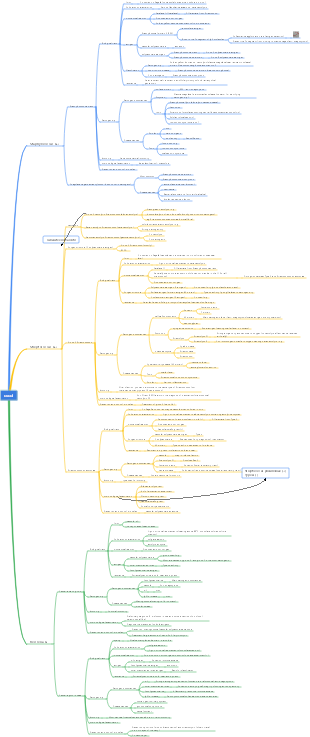
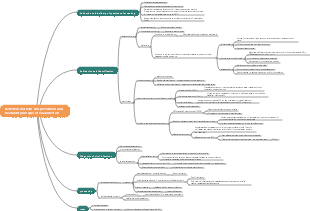
This is a mind map about spirochetes, medical microorganisms, divided into genus Trichospira, Borrelia, etc.
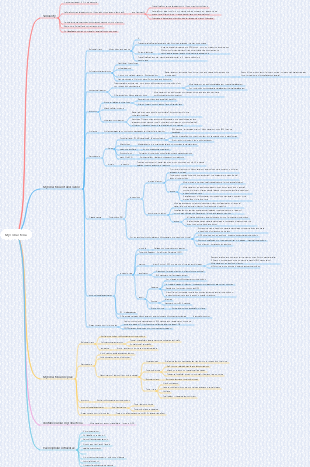
Edited at 2023-11-09 12:12:17This is a mind map about bacteria, and its main contents include: overview, morphology, types, structure, reproduction, distribution, application, and expansion. The summary is comprehensive and meticulous, suitable as review materials.

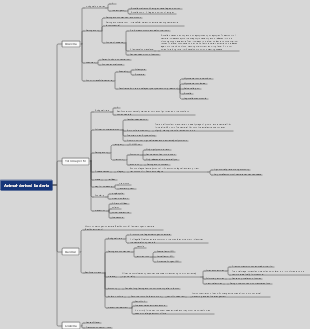
This is a mind map about plant asexual reproduction, and its main contents include: concept, spore reproduction, vegetative reproduction, tissue culture, and buds. The summary is comprehensive and meticulous, suitable as review materials.
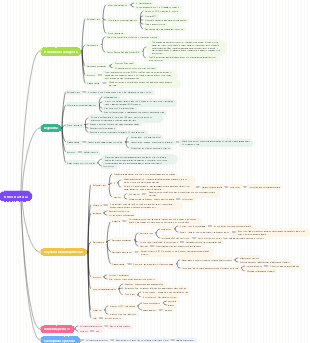
This is a mind map about the reproductive development of animals, and its main contents include: insects, frogs, birds, sexual reproduction, and asexual reproduction. The summary is comprehensive and meticulous, suitable as review materials.
This is a mind map about bacteria, and its main contents include: overview, morphology, types, structure, reproduction, distribution, application, and expansion. The summary is comprehensive and meticulous, suitable as review materials.
This is a mind map about plant asexual reproduction, and its main contents include: concept, spore reproduction, vegetative reproduction, tissue culture, and buds. The summary is comprehensive and meticulous, suitable as review materials.
This is a mind map about the reproductive development of animals, and its main contents include: insects, frogs, birds, sexual reproduction, and asexual reproduction. The summary is comprehensive and meticulous, suitable as review materials.
spirochetes
common characteristics
Slender, soft, curved, active, and its biological status is between bacteria and protozoa
Has primitive nucleoplasm, G-like cell wall, reproduces by binary fission, and is sensitive to a variety of antibiotics
The bacterial body is slender, curved and spiral, with internal flagella (axonemes) for movement.
Can survive outside the body and can also be parasitic inside the cell
Classification
Leptospira
Biological traits
Outer membrane, inner flagellum, cylindrical protoplast
Difficult to dye conventionally
Observe directly with a dark field microscope, rotating and active movement
Silver-plated dyeing, bacterial cells golden or brown
nourish
Korthof medium cultured at 28℃
Contains rabbit serum or bovine serum
popular features
There are many hosts, and wild rats and domestic animals are more harmful.
The effects of animal infection are mild, but Leptospira continues to be excreted in the urine → the disease occurs in human contact
Easily infected after floods and earthquakes
Pathogenicity
Powerful invasion
Hook-like structures (adhesins and axonemes)
adhesins and invasive enzymes
Toxic substances
Endotoxin-like substances (ELS)
Less toxic
Hemolysin
Cause anemia, bleeding, jaundice, hematuria
Disease caused
Leptospirosis
Basic lesions
Bleeding, jaundice, complications
Cold and heat, body pain, general fatigue
Red eyes, leg pain (gastrocnemius tenderness), enlarged lymph nodes
Clinical manifestations vary greatly
route of infection
Infectious water and soil
placenta
Microbiological examination
Pathological examination—Peripheral blood is collected 7 to 10 days after the onset of illness, urine is collected two weeks later, and the bacteria are collected by centrifugation and observed under a dark field microscope.
Serological examination—a single serum microscopic agglutination test (MAT) titer is ≥1:400, and a double serum MAT titer is positive if it increases more than 4 times.
Prevention and control principles
prevention
Anti-rat and rodent control, water source protection, multivalent vaccine
treat
Penicillin is the first choice (Herx reaction - causes chills and high blood pressure, may be related to the spirochete's lysis of toxic substances)
Treponema
Treponema pallidum subspecies pallidum (Treponema pallidum)
Biological traits
Small spiral, 3 to 4 inner flagella with tapered ends
Structure and staining: similar to Leptospira
nourish
Cannot be cultured on non-living media
Two strains
Nichols strain (maintains virulence)
Reiter strain (lost virulence)
Very weak resistance, but extremely powerful invasiveness
Pathogenic substances
capsule-like substance, adhesion factor, invasive enzyme
Disease caused
syphilis
acquired syphilis
include
Stage I syphilis
Hard chancre of external genitalia, highly contagious
Exudate contains large amounts of spirochetes
regional lymphadenopathy
painless
Stage II syphilis
Two to three months after the appearance of chancre, syphilis rash (containing a large number of spirochetes) appears on the skin, which is highly contagious.
Recurrent
swollen lymph nodes throughout the body
Stage III syphilis
It occurs several years after infection and invades the cardiovascular and nervous systems. It is less contagious and causes great tissue damage.
nodular syphilitic rash, gumma
Source of infection
patient
Propagation mode
Sexual contact, blood transfusion, vertical transmission
congenital syphilis
Miscarriage/premature stillbirth/neonatal malformations
Immunity
Bacterial immunity/infectious immunity
microbiological examination
Smear—darkfield microscopy, direct fluorescence immunoassay
Etiological examination - chancre, syphilis exudate, lymph node aspirate
Serological testing
prevention
Strengthen sexual health education, there is currently no vaccine
treat
Treat it as early as possible and penicillin can cure it completely
Borrelia
Borrelia burgdorferi (the causative agent of Lyme disease)
Morphology
Both ends are slightly pointed, similar to Leptospira, but with fewer and irregular spirals
antigen
Osp antigen
popular features
Animal hosts: many, hares and deer are more important
Transmission vector: Various types of Ixodes ticks (bite animals and then bite humans)
Disease caused
Lyme disease
Early local infection—erythema migrans (ECM), accompanied by fever, muscle and joint pain, and local lymph node enlargement
early disseminated infection
Secondary erythema, facial nerve palsy
late persistent infection
Chronic arthritis, neuritis, multiple organ damage
Immunity
Humoral immunity
Prevention and control principles
Prevent tick bites
Relapsing fever Borrelia
Disease caused
relapsing fever
Repeated periodic onset and onset of high fever
Relapsing fever – spread by body lice
Endemic relapsing fever—transmitted by soft ticks
Borrelia pensensis
Bacteria that normally inhabit the human body
Synergizes with Fusobacterium fusiformis to cause dysangina, gingivitis, and oral gangrene