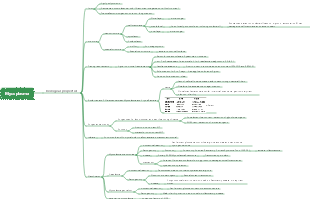
MindMap Gallery Retrovirus mind map
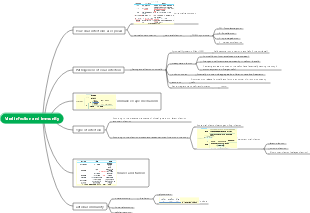
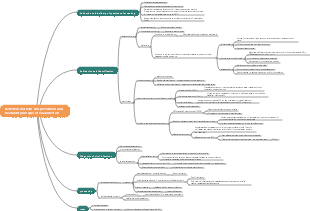
This is a mind map about retroviruses, medical microorganisms, retroviruses, also known as retroviruses, are single-stranded RNA viruses.
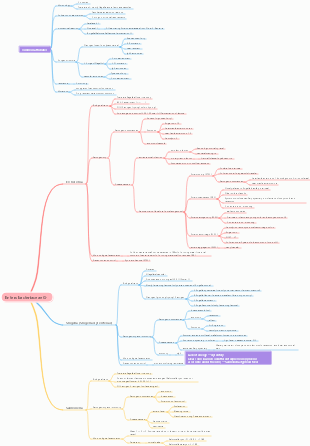
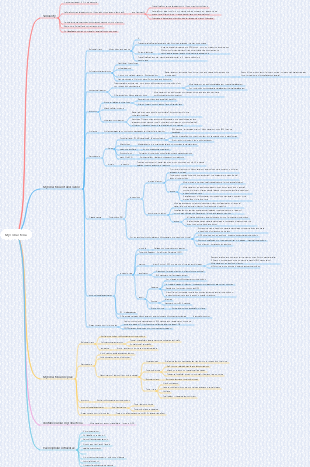
This is a mind map about bacteria, and its main contents include: overview, morphology, types, structure, reproduction, distribution, application, and expansion. The summary is comprehensive and meticulous, suitable as review materials.
This is a mind map about plant asexual reproduction, and its main contents include: concept, spore reproduction, vegetative reproduction, tissue culture, and buds. The summary is comprehensive and meticulous, suitable as review materials.
This is a mind map about the reproductive development of animals, and its main contents include: insects, frogs, birds, sexual reproduction, and asexual reproduction. The summary is comprehensive and meticulous, suitable as review materials.
Virus infection and immunity mind map
Medical Microbiology—Enterohepatic Bacteria Mind Map
Medical microbiology - cocci mind map
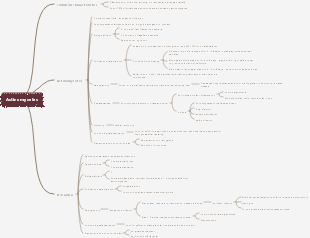
Actinomycetes mind map
Mind map of virus infection detection methods and prevention and treatment principles
Anaerobic bacteria mind map
Mycobacteria
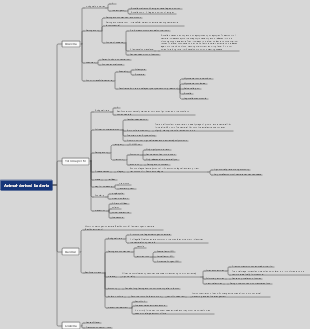
Animal-derived bacteria mind map
Other bacteria mind maps
Mycoplasma mind map
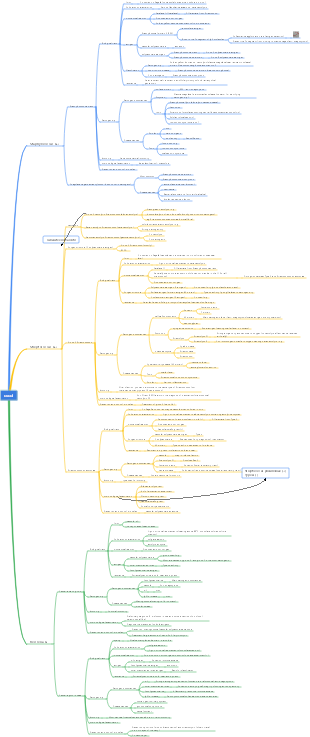
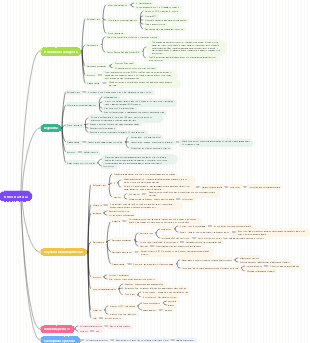
Retroviral
Overview
spherical
core
The genome has two identical single positive strand RNAs
Replication will involve reverse transcription and integration into the host chromosome → forming a provirus
Three consequences of provirus
Long-term quiescence without transcription
Continue to replicate slowly, cells are damaged, will not lyse and die, and the virus buds out.
Explosive generation of a large number of viruses
Long terminal repeats (LTR)
Genome reverse transcription
Located at both ends of the genome, controlling gene transcription
gag, pol, env 3 structural genes
multiple regulatory genes
nucleocapsid
Icosahedral symmetry (p24)
There are spikes on the surface of the capsule
HIV
Types
HIV-1
Globally popular and prone to mutation
HIV-2
structure
gp120—glycoprotein
Binds to receptors CD4 and CCR5 (CXCR4)
There are neutralizing antigen sites (immune escape, protection is not long-lasting)
Prone to mutation, conducive to immune escape
gp41—transmembrane glycoprotein
Mediates the fusion of two membranes with less mutation
Genome
gag (capsid protein gene)
pol gene (composing the core of the virus)
Reverse transcriptase (RT)
Integrase (IN)
Protease (PR)
env
Precursor protein gp160 (composes the viral envelope and surface spike)
cleaved into gp120 and gp41
hypervariable genes
nef regulatory genes (negatively regulate host cells)
Can be synthesized early in HIV infection
Reduce the expression of CD4 and MHC and interfere with T cell activation
Promote macrophages to express chemokines and attract activated T cells
Lack of nef: T cells are in a quiescent state and HIV infection/replication capacity is reduced
tat (transactivating transcription factor)
Activate HIV gene transcription
Tat protein can enhance the sensitivity of CD4 T cells to Fas/FasL
copy
Adsorption
penetrate
Shelling
Biosynthesis
Assembly release
resistance
Weak resistance to physical and chemical factors
Strong resistance to blood products and ultraviolet rays
Immunity
Cellular immunity: CTL, NK cells
Humoral immunity: IgG, IgM protective antibodies (gp120)
microbiological examination
Detect virus antibodies
ELISA method preliminary screening (high false positive rate), Western blotting (WB)/radioimmunoprecipitation (RIA) confirmation
Detect viral antigens
P24 (early diagnosis)
It can be detected in the early stage of infection (2 to 3 weeks, window period)
Check for viral nucleic acid
RT-PCR (very early diagnosis)
Prevention and control
Highly active antiretroviral therapy (HAART)/cocktail approach
viral entry inhibitor
reverse transcriptase inhibitor
integrase inhibitor
viral protease inhibitor
Human T-cell virus (HTLV)
HTLV-1
Causative agents of adult T lymphocytic leukemia (ATL)
HTLV-2
Pathogens causing hairy cell leukemia and chronic CD4 cell lymphoma