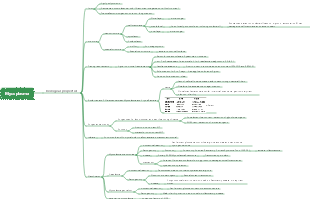
MindMap Gallery Vibrio mind map
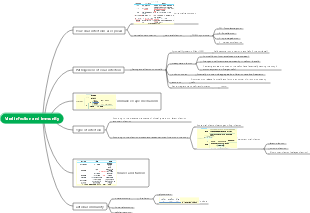
This is a mind map about Vibrio, medical microorganisms, including Vibrio cholerae, Vibrio parahaemolyticus, etc. Hope this helps!
Edited at 2023-11-09 12:09:14This is a mind map about bacteria, and its main contents include: overview, morphology, types, structure, reproduction, distribution, application, and expansion. The summary is comprehensive and meticulous, suitable as review materials.

This is a mind map about plant asexual reproduction, and its main contents include: concept, spore reproduction, vegetative reproduction, tissue culture, and buds. The summary is comprehensive and meticulous, suitable as review materials.
This is a mind map about the reproductive development of animals, and its main contents include: insects, frogs, birds, sexual reproduction, and asexual reproduction. The summary is comprehensive and meticulous, suitable as review materials.
This is a mind map about bacteria, and its main contents include: overview, morphology, types, structure, reproduction, distribution, application, and expansion. The summary is comprehensive and meticulous, suitable as review materials.
This is a mind map about plant asexual reproduction, and its main contents include: concept, spore reproduction, vegetative reproduction, tissue culture, and buds. The summary is comprehensive and meticulous, suitable as review materials.
This is a mind map about the reproductive development of animals, and its main contents include: insects, frogs, birds, sexual reproduction, and asexual reproduction. The summary is comprehensive and meticulous, suitable as review materials.
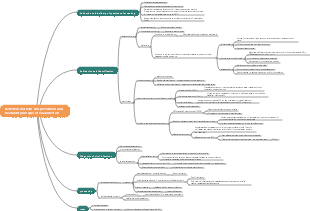
Vibrio
Vibrio cholerae
Biological traits
Morphological staining
G-
Newly isolated bacteria are arc-shaped or comma-shaped. After artificial culture, it becomes rod-shaped. Direct microscopic examination of feces shows that they are arranged like a school of fish.
The bacterial body has a single flagellum at one end and is active in movement.
Pili, no spores, group O139 has capsule
Genomic features
2 circular chromosomes
Prophage genome → produces cholera toxin
Cultivation characteristics
facultative anaerobic
Not high nutritional requirements
Alkali-resistant but not acid-resistant
Initial isolation and enrichment—alkaline peptone water
Isolation culture
TCBS medium
Colony yellow
biochemical reaction
Ferment various sugars, producing acid but not gas
Reduced nitrate, positive indole test
Positive oxidase and catalase tests (unlike Enterobacteriaceae)
antigen
Thermostable O antigen—group specific
Thermolabile H antigen—nonspecific
The classical biotype of group O1 does not dissolve sheep red blood cells and does not agglutinate chicken red blood cells, whereas the El Tor type does the opposite.
resistance
They live longer in places with water and are more resistant to the outside world.
sensitive to heat and acid
Sensitive to chlorine-containing disinfectants
Pathogenicity
Pathogenic substances
Cholera toxin (the most powerful of the diarrheal toxins)
Enterotoxin
source
Prophage-carrying lysogenic Vibrio cholerae of groups O1 and O139
structure
1 A subunit (toxicity)
5 B subunits
mechanism
B subunit binds to the GMI ganglioside receptor of intestinal mucosal epithelial cells → A subunit enters the cell → Adenylyl cyclase is continuously activated, cAMP increases → Intestinal mucosal cells secrete chloride and sodium ions, causing water loss →Severe diarrhea and vomiting
Factors related to colonization
Toxin co-regulatory pilus A (TcpA)
Mediates bacterial adhesion and colonization in small intestinal mucosal epithelial cells and can serve as a phage receptor
Group O139 has a capsule and specific LPS virulence determinants
Pathogenic
cholera
O1 and O139 groups
severe diarrhea and vomiting
Rice watery diarrhea
Dehydration, metabolic acidosis, renal failure, shock
Non-O1 and O139 groups
mild diarrhea
Popularity
Patients and asymptomatic carriers are the main sources of infection
Class A notifiable infectious diseases in my country
fecal-oral route transmission
Children are susceptible to O1, adults are susceptible to O139
Immunity
Protective anti-toxin antibodies and antibacterial antibodies may appear after illness, mainly sIgA
Acquire solid immunity after infection (more than 3 years)
The protective immunity of group O139 is mainly based on antibacterial immunity against lipopolysaccharide and capsular polysaccharide, supplemented by antitoxin immunity.
The acquired immunity cannot cross-protect against O139 group infection and can protect against other infections.
diagnosis
Prevention and control
Control sources of infection
Isolate and treat patients, promptly replenish water and electrolytes, and prevent hypovolemic shock and acidosis.
Cut off transmission routes
Protect vulnerable groups – get vaccinated
Vibrio parahaemolyticus
Cultivation characteristics
Halophilic, will not grow without salt
Blue-green S-shaped colonies can be formed on TCBS plates
B hemolysis-Kanagawa phenomenon (KP) occurs on Gatsuma agar plate
Pathogenic substances
heat-stable hemolysin
Pathogenicity
Microbial food poisoning in coastal areas