MindMap Gallery Health Education Chapter 2 Health Behavior
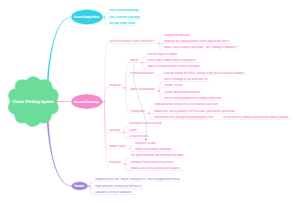
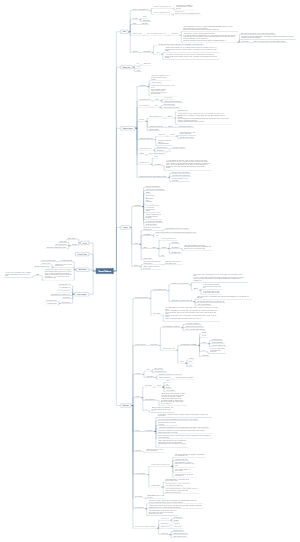
This picture introduces human behavior and its characteristics, human behavior development and socialization, health behavior and its influencing factors, health-related behaviors, etc. I hope it is helpful to everyone. Welcome to like and collect it!
Edited at 2024-03-03 13:28:19This is a mind map about bacteria, and its main contents include: overview, morphology, types, structure, reproduction, distribution, application, and expansion. The summary is comprehensive and meticulous, suitable as review materials.
This is a mind map about plant asexual reproduction, and its main contents include: concept, spore reproduction, vegetative reproduction, tissue culture, and buds. The summary is comprehensive and meticulous, suitable as review materials.
This is a mind map about the reproductive development of animals, and its main contents include: insects, frogs, birds, sexual reproduction, and asexual reproduction. The summary is comprehensive and meticulous, suitable as review materials.
This is a mind map about bacteria, and its main contents include: overview, morphology, types, structure, reproduction, distribution, application, and expansion. The summary is comprehensive and meticulous, suitable as review materials.
This is a mind map about plant asexual reproduction, and its main contents include: concept, spore reproduction, vegetative reproduction, tissue culture, and buds. The summary is comprehensive and meticulous, suitable as review materials.
This is a mind map about the reproductive development of animals, and its main contents include: insects, frogs, birds, sexual reproduction, and asexual reproduction. The summary is comprehensive and meticulous, suitable as review materials.
Health Education Chapter 2 Health Behavior
summary
Master: the characteristics of human behavior; the four stages of human behavior development; the concepts of health behavior and health-related behavior; the classification, main characteristics and content of health-related behavior.
Familiarity: Factors influencing health behavior; Ecological Model of Health Behavior.
Understand: the objects and contents of health education in the three stages of life; socialization.
Behavior
definition
Under the stimulation of the internal and external environment, the organism responds to adapt to the environment. It is also the response the organism makes in the ever-changing environment to maintain individual survival and racial continuation.
Classification of behavior
overt behavior
Behavior that can be directly observed by others
e.g. speech and behavior
implicit behavior
Behavior that cannot be directly observed by others
e.g. Consciousness, thought and other psychological activities
Behavior is not only the result of internal and external environmental stimulation, but also has an impact on the internal and external environment.
The core of health education is behavioral change
Shared formulas for the behavioral processes of organisms
S-O-R Presented by Woodworth
S→stimulation from the internal and external environment of the body
O→organism organization
R→behavioral reaction reaction
human behavior
definition
It refers to the internal physiological and psychological changes and external active responses caused by human beings under the influence of internal and external environments; it refers to the active responses made by people with cognitive, thinking abilities, emotions, will and other psychological activities to the stimulation of internal and external environmental factors. Reaction
Behavior is a process of activity
Behavior that expresses someone's state at that time
Behavior that expresses certain behavioral characteristics of the person
Example
When a smoker takes a cigarette from someone else and starts smoking, this behavior not only indicates that he is a smoker and is in a state of smoking, but also indicates that smoking is his lifestyle habit and that he has some behaviors that smokers usually have. feature.
Five elements of human behavior
Actors
people
action object
The goal towards which human behavior is directed
behavioral environment
The objective environment in which the behavioral subject and behavioral object interact
behavioral means
The methods and tools used by behavioral subjects when acting on behavioral objects
behavioral results
The impact of behavior on the object of behavior.
Human behavior and characteristics
Socialization
It refers to the process in which a person forms a personality suitable for that society in a specific social and cultural environment and masters the behavioral styles and life skills recognized by that social culture. (The process of growing from a "natural person" to a "social person".)
Main characteristics of human behavior
biological
1. behavior and genetics
2. Behavior is based on physiological form and function.
3. People behave instinctively:
1 Feeding behavior
2 sexual behavior
3 Avoidance or defensive behavior
4 Curiosity and thrill-seeking behavior
5 sleep
Human instinctive behavior is essentially different from that of animals because it is affected by cultural, psychological, and social factors.
For example: people will have sleep behavior when they are tired, but if they are restricted by time, place, environment or even discipline, people will actively suppress this behavior to adapt to the situation at that time.
Sociality
1. acquisition and plasticity
Behavior conforms to social requirements and meets social needs
Young age and strong plasticity
2. Diversity
Different customs, cultural backgrounds, and ideological influences
3. active choice
selective imitation learning
4. cultural recognition
Normal behavior meets the requirements of most people
deviant behavior
The result of adaptation of human individuals to social environment.
It mainly comes from the influence of the social environment, that is, individual social behavior is the behavior of people and the surrounding environment, which is established through the socialization process.
Purpose of human behavior
The most important sign that distinguishes humans from animals is the obvious purposefulness of human behavior.
Most of people's behaviors are purposeful and planned, so people can not only adapt to the environment but also transform the environment according to their own wishes.
adaptability of human behavior
The process by which people satisfy their own needs and maintain a dynamic balance with the environment by changing each other
Adaptive behavior: The way and method of interaction between the body and the environment not only conforms to the needs of environmental ecological laws, maintains harmony with the environment, but also satisfies its own needs.
Human behavioral development and socialization
development of individual behavior
definition
The process by which an individual’s behavior occurs and develops during its life cycle
That is, after an individual is born, with the development of body and mind, the scope of social interaction activities continues to expand, and the individual behavior continues to change and develop.
Features: From simple to complex, from general to special.
The most fundamental essence is to become more and more perfect.
Internal causes and motivations for behavioral development
In the process of interaction between the subject and the object, the contradiction between the new needs caused by the requirements put forward by society and practice on the subject and its existing psychological level
Main manifestations
The deepening and complication of individual activities
The individual and the surrounding environment mature from passive adaptation to interaction
Individual participation in environmental transformation
Continuity and imbalance in behavioral development
Continuity means that behavior develops and changes throughout life: old behavioral responses are broken and new behavioral responses are established. Current behavior is a continuation of past behavior, and future behavior must be a continuation of current behavior.
Continuity: The development process of any individual behavior is continuous. Throughout each person's life, his behavior is constantly developing and changing. The breaking of the original behavioral response and the establishment of a new behavioral response is a continuous process, that is, now The behavioral response is a continuation of past behavior, and the future behavioral response must be a continuation of current behavior.
Imbalance means that the uninterrupted development of individual behavior shows stage characteristics. In some stages, behavior develops faster, and a certain stage is particularly important for the development of certain behaviors. This shows that the development of behavior is unbalanced.
Imbalance
The behavioral development of each stage of the same individual's life course is unbalanced: the law of craniocaudal development (head→feet) and the law of proximal development (center→peripheral).
The development of the same stage among different individuals is also uneven: mainly caused by genetic factors, environmental factors and learning opportunities.
4 stages of behavioral development
①Passive development stage (0-3 years old)
Unconscious imitation is trained, the basic preparation for socialization
Behaviors develop through genetic and instinctive forces, such as infant sucking, grasping, crying, etc.
②Active development stage (3-12 years old)
Demonstrated initiative, taking the initiative to imitate, explore, and enjoy self-expression
Behaviors with obvious initiative, such as inquiring, aggressive, irritable, and self-expression
③Independent development stage (12 years old - adult)
Adjust your behavior through a comprehensive understanding of yourself, others, the environment, and society
④Perfection and consolidation stage (after adulthood)
The behavior at this stage has basically been finalized, but because the environment, society and personal conditions are constantly changing, people must constantly adjust, improve and enrich their behavior.
"Three Stages of Life"
In 1995, the Western Pacific Region of the World Health Organization proposed to divide the human life process into three stages, and proposed that health goals, tasks and strategies should be determined according to the health needs of each stage, and health protection and health promotion should be implemented as a way to achieve the goals of the 21st century. important measures envisaged in the health strategy.
1. Preparation for life
From fetus to adolescence (18~20 years old)
Features
The physical development, psychological development and socialization process are very rapid, and the physiology and psychology are relatively immature and fragile. It is a critical period for health education
The objects and tasks of health education in the preparation stage of life
Perinatal Period - Parents of Newborns. Achieve prenatal and postnatal care, reduce pregnancy and childbirth risks, reduce infant morbidity and mortality, correct breastfeeding, etc.
Infancy and early childhood – parents, childcare leaders and staff. Master the knowledge and methods of breastfeeding and the correct introduction of complementary foods; promote the development of baby's sense, language and movement; convey the most basic physiological hygiene knowledge, cultivate children's personal hygiene habits, etc.
Childhood - children, parents, school leaders and teachers. Increase health knowledge, cultivate and consolidate general health habits, help develop healthy behaviors and lifestyles; prevent and correct diseases, prevent accidental injuries; form preliminary moral judgments, increase the initiative and purpose of healthy behaviors, etc.
Adolescence (critical period) – adolescents, parents, school leaders and teachers, community leaders and members. The core mission is to promote healthy physical and mental development, including mastering basic health knowledge and knowledge and related skills to prevent diseases and accidental injuries; preventing and treating bad behavioral tendencies, staying away from tobacco, alcohol and drugs; promoting understanding and mastery of social moral principles, and helping to cultivate lofty ideals , strong will, promote the formation of a complete personality. Adolescence is the focus of health education work.
2. Protection of life
Time: from adulthood to old age, especially middle-aged people (35~60 years old). Many chronic diseases that appear in old age often begin to develop in middle age. Mid-life health care is an important part of protecting life
Characteristics: pillars of society, creators of wealth, bear heavy work and family burdens, and are more exposed to various risk factors.
Health education target tasks: middle-aged people, including family, work unit and social service agency personnel and relevant members of the community.
Mission: Target common and chronic diseases and occupationally related behavioral risk factors to protect labor productivity and improve health and quality of life. Pay attention to women's health education.
3. Quality of life in later years (quality of life in later years)
Time: Seniors over 65 years old.
Characteristics: Various chronic diseases appear one after another, causing physical and mental pain, and changes in social roles and status bring about psychological problems.
Health education target: the elderly, families and social related personnel.
Task: Carry out work on daily health care, psychological adjustment, sports activities and leisure, hospice care, etc. for the elderly.
The significance of health education
The dynamics of behavioral development and developmental continuum provide possibilities for improving clients' behaviors related to health and illness
The imbalance of behavioral development suggests that in order to help clients develop healthy behaviors, attention must be paid to utilizing the key developmental stages related to the behavior.
Socializationg
Concept: refers to the personality formed by a person in a specific social and cultural environment that is suitable for that social culture, and the characteristics of mastering the behavioral styles and life skills recognized by that social culture.
Socialization is the process by which a human individual transforms from a natural person into a social person. It is a process in which individual behavior is restricted and transformed, assimilated or naturalized by society, and adapted to society.
Human social attributes are acquired through socialization. The basic contents include:
Acquire basic social life skills and social life behavioral norms, form values, worldview and social life goals, and obtain social roles and social status.
The social environment provides social members with space and conditions for activities, and the behaviors of social members also have an impact on the social environment. For the sake of social coordination and overall interests, human beings must take various measures to encourage, restrict and regulate the behavior of everyone living in it.
Generally speaking, most people’s behaviors fall into the first three types
A person who is obedient; a person who can adapt to the social environment; a person who can manage himself; a person who cannot adapt; a person who defies
health behavior
definition
In a broad sense, the human body is in good health in all aspects of physical, mental and social behavior. In actual health education work: understood as behaviors that are beneficial to health or behaviors that promote health.
In a narrow sense: health behaviors are behaviors taken by individuals to prevent diseases or detect diseases early (kasl & Cobb). Relevant individual psychological, emotional states and explicit behavioral patterns
Classification of common health behaviors Health behaviors defined by kasl & Cobb can be divided into:
preventive health behavior primary prevention
Any behavior taken by a person who is confident of being healthy and has no symptoms of disease to maintain health and prevent disease.
Such as balanced diet, reasonable exercise, etc.
Illness behavior secondary prevention
Any action taken by a person who is unsure of health or who feels sick to determine a medical condition or to seek appropriate treatment.
Such as help-seeking behavior, etc.
sick-role behavior tertiary prevention
Any action taken by a person who is diagnosed with an illness or believes to be ill with the intention of restoring health.
Such as taking the initiative to obtain treatment, care, rest and recovery, taking the initiative to rest, etc.
health related behaviors
definition
The behavioral responses produced by an individual or group interacting with the surrounding environment are directly or indirectly related to the individual's own health and disease, or to the health and disease of others. These behaviors have an impact on health.
Classified according to the nature of the actors
1. personal health-related behaviors
Behaviors related to health and disease that occur in human individuals, as well as health-related behaviors of an individual actor.
It mainly includes health behaviors related to daily life and behaviors related to health maintenance and disease prevention.
hedonic behavior
When the behavioral subject adopts this type of behavior, it can bring subjective pleasure to the subject in a short period of time
Such as high-fat, high-salt and high-sugar delicacies, smoking and drinking; spitting and littering
Active non-enjoyable behavior
Occurs due to "ignorance" and has nothing to do with the subject's subjective feelings and objective conditions
Such as not washing hands before meals and after using the toilet; selling eggs in exchange for "condensed milk" to feed children; improper exercise locations and methods, etc.
passive non-enjoyable behavior
Unhealthy behaviors that are forced into
For example, if you accompany guests to dinner, non-drinkers still drink heavily; non-smokers smoke with others or inhale second-hand smoke in a closed environment; they are forced to ingest polluted air, food and water; the living environment is severely lacking in water and cannot Wash your hands before meals and after using the toilet; irregular life due to high work pressure, often unable to eat on time, lack of physical exercise
2. Group health-related behaviors
definition
It refers to health-related behaviors with social groups as the main actors (consistent with the concept of "legal person"). The government formulates various policies that may affect the health of the population and the environment, the treatment of "three wastes" by enterprises, and cultural and sports activities carried out by mass groups. All can be considered group health-related behaviors.
Such as infectious disease control, maternal and child health, social insurance, food safety, medical service provision, etc.
Characteristics (laws)
1) Having clear goals and objectives, it is an organized, planned, evaluated and regulated behavior
2) Groups have their own cultural characteristics, change is generally more complex than individuals, and their ability to withstand social pressure is greater than individuals. Once successful, the effect will be significant.
3) It has a certain degree of "inertia", and its start and stop are slower than individual behaviors.
Categorized by impact on actor’s own health and the health of others
health-promoting behaviors
Refers to behaviors exhibited by individuals or groups that are objectively beneficial to the health of themselves and others.
Including behaviors that are beneficial to health in daily life, reducing or avoiding behaviors that are not beneficial to health, etc.
Health-promoting behaviors Features
(1) Advantage
Benefit yourself, others and society
Eat a balanced diet, exercise reasonably, and don’t smoke
(2) Regularity
There is a constant pattern of behavior
Eat regular meals every day
(3) Harmony
Individual behavior shows personality and can adjust one's behavior in time according to the overall environment
(4) Consistency
Behavior consistent with inner emotions
(5) Suitability
The intensity of behavior is rationally controlled; the intensity is appropriate; there is no obvious impulse
Health-promoting behaviors 5 categories of content
(1) Daily health behaviors
Refers to the basic behaviors that are beneficial to health in daily life, such as proper nutrition, adequate sleep, moderate exercise, washing hands before meals and after using the toilet, etc.
(2) Avoid environmentally harmful behaviors
It refers to avoiding exposure to risk factors harmful to health in the natural environment and social environment, such as leaving polluted environments, not coming into contact with epidemic water, and actively adapting to various stressful life events.
(3) Get rid of bad habits
Get rid of personal preferences in daily life that are harmful to health, such as smoking, alcohol abuse, drug abuse, etc.
(4) Early warning behavior
Refers to preventive behaviors against possible health-threatening events to prevent the occurrence of the event and to deal with it correctly after the accident, such as using seat belts when driving, prevention of fires, drownings, car accidents, and post-accident handling.
(5) Reasonable use of health services
Refers to the effective and reasonable use of the existing health care system to achieve three-level prevention and maintain one's own health, including regular physical examinations, vaccinations, timely medical treatment after illness, compliance with medical advice, active cooperation with medical care, and staying optimistic emotions, positive recovery, etc.
health-risk behaviors
Refers to a set of behaviors that are detrimental to the health of oneself and others.
Health-hazardous behaviors Characteristics
①Hazardousness
Behaviors that have direct or indirect, obvious or potential harmful effects on people, themselves, and social health
such as smoking behavior
②Obviousness and stability
The behavior does not occur accidentally, and the harm to health is relatively stable, that is, the impact on health has a certain intensity and duration.
③Acquisition
Behaviors that endanger health are learned by individuals through acquired life experiences, so they are also called "self-created risk factors"
4 categories of harmful health behaviors
(1) Bad lifestyle
Behavioral habits and their characteristics in daily life are called lifestyle.
A bad lifestyle is a set of habitual behaviors that are harmful to health (habits usually refer to persistent and stereotyped behaviors)
Characteristics of health effects:
Long incubation period; poor specificity; strong synergy; large individual differences; widespread existence, etc.
Overeating, smoking, alcoholism, lack of exercise, etc.
Smoking behavior: my country is a big smoking country. According to surveys, the smoking rate of male adults over 15 years old is 60.01%, and the number of people who smoke passively for more than 15 minutes a day is 39.75%.
Alcoholism: There is no feast without wine, no manners without drunkenness, and the trend of drinking is prevalent
Insomnia: Inability to sleep sustainably or poor sleep quality
Bad eating behaviors: irregular eating, skipping breakfast, overeating; high-fat, high-sugar, high-salt, low-fiber diet; partial eclipse, picky eaters, and too many snacks; hobby of foods containing carcinogens; eating too fast, too hot, and too hard wait
(2) Pathogenic behavioral patterns (first 2 types)
Type A behavioral pattern (TABP) coronary heart disease-prone behaviors
Impatient, hostile, quick to do things, like to compete
Core manifestations: Impatience and hostility
Aggressive, ambitious, competitive, focused on work, impatient, and with a strong sense of time urgency. Easily irritated, agitated, angry and impatient. People with this kind of personality are very ambitious and enterprising, have a strong sense of time, and can't sit still all day long. However, they are easily irritable, distrustful of others, and do not have harmonious interpersonal relationships.
The incidence, recurrence and mortality rates of coronary heart disease in people with type A behavior are 2-4 times higher than those in non-type A behavior.
Type C behavioral pattern (TCBP) tumor-prone behaviors
Emotional depression, self-restraint, sulking
Core performance: Suppressed emotions, self-restrained personality, obedient, humble and tolerant on the surface, but suppressing anger and sulking on the inside.
Depression develops in childhood, such as losing parents at an early age and lacking parental care. The behavioral characteristics are over-cooperation, over-tolerance, avoidance of conflicts, self-sulking, and excessive anxiety.
The incidence rates of cervical cancer, gastric cancer, esophageal cancer, liver cancer and malignant melanoma among people with type C behavior are about three times higher than those without type C behavior.
Type B
Live a leisurely and contented life, do things unhurriedly, and be patient → May not be enterprising
Longevity will be with you. B and A's personalities are exactly the opposite. B's personality is easy to get along with others, not easily excited, has good social adaptability, can think openly when things happen, and does not hold a grudge.
D type
Solitary type, prone to heart disease and tumors
The withdrawn type is often taciturn, indifferent to others, lacks self-confidence, feels insecure, withdrawn, likes to be alone, is not gregarious, has negative emotions, and is easily irritable.
Type E
It's neurotic anxiety.
Rich in emotions, good at thinking, weak in aggression, rarely looking for trouble with others, relatively negative in mood, and tend to be pessimistic in self-evaluation
E personality is prone to neurosis, and little things in life can cause anxiety in such people, such as dizziness, headaches, insomnia, etc.
(3)Adverse disease behavior
Hypochondriasis, fear of illness, failure to seek medical treatment in time, failure to follow medical advice, etc.
It refers to the unhealthy behaviors exhibited by individuals from the time they perceive themselves to be sick to the time they recover from the disease.
Hypochondriasis, concealing illness, fear of illness, avoiding medical treatment, not seeking medical treatment in time, not following medical advice, praying to gods and Buddhas, giving up on oneself, etc.
(4) Violations
Violation of morals and laws, drug abuse, sexual promiscuity
Refers to behaviors that violate laws, regulations, moral norms and endanger health.
Such as drug abuse, sexual promiscuity, etc.
Factors influencing health behavior
1 Individual factors
1. Wants and Needs
Wants and needs are the source of human initiative and the fundamental motivation for human behavior
Needs exist objectively and are independent of human will, including physiological needs and social needs.
Need is the subjective reflection of objective need stimulation in the brain, and it is the need that is realized by the brain.
Health is an objective need of people. In many cases, people are not aware of the need for health.
Health education activities need to stimulate the health needs of subjects
Any effort to improve health-related behavior that ignores the wants and needs of the subject is bound to fail.
2. Cognition
Definition: All processes and activities by which people obtain and utilize information
Human cognitive processes are selective, and they will only choose signals that interest them or have special meaning.
Selective "pick up information"
Human cognitive process is proactive
The health information provided in health education should be clear, distinctive, and suitable for the target audience, and attract the attention of the target audience as soon as possible.
Health education cannot simply disseminate correct information from objective reality, but must also consciously help people establish and develop correct attitudes, beliefs and values about health.
cognitive dissonance factors
Cognitive dissonance phenomenon: refers to mastering health knowledge, but not necessarily having consistent behaviors
cause
1. There are multiple needs and corresponding motivation conflicts at the same time.
2 The behavioral conditions are not met and one has to make a choice
3 herd behavior
4. Obtaining correct knowledge has already formed some unhealthy behavior.
5. Conflicts between cognitive elements, namely knowledge, beliefs, attitudes, values, abilities, etc.
3. Attitude
It is an individual's tendency to respond to people, objects, and events. It is an internal state of readiness. Related to but different from values
structure of attitude
cognitive component
An individual’s approval or disapproval, belief or disbelief of an object
emotional component
A person's likes or dislikes of an object
intention component
Personal action intention and action readiness towards the object
characteristic
1 The main characteristic is evaluative, and the attitude must have a specific object, that is, what the evaluation points to.
2 Attitudes are relatively stable tendencies that span time and situations.
Three stages of attitude change:
1. obey
Superficially change your views and attitudes. forced to perform certain submissive behaviors
2. assimilation
Consciously and voluntarily conform one's attitude to others
3. Internalization
Truly believe and accept the opinions, knowledge, and beliefs of others from the bottom of your heart, completely change your attitude, and become your inner behavioral tendency.
4. Emotion and will
Emotion and feeling are also psychological processes with special subjective experiences, significant physiological changes and external expressions
Emotional reactions that are stable, long-lasting, and deeply experienced, such as self-esteem, sense of responsibility, enthusiasm, and love between relatives, etc. Emotions are short-lived and intense
Volition is the psychological process by which people adjust and control their own behavior consciously, purposefully, and plannedly
Emotions and emotions are comprehensive psychological processes, which include physiological, cognitive and behavioral components.
In the interaction of emotion and emotion-cognition-behavior, emotion and emotion can be opportunities for cognitive development, motivating people to understand and act; they can also strongly affect the development of cognitive processes and behavioral performance.
Will qualities include: consciousness, decisiveness, persistence, self-control
The volition process includes the decision stage and the execution stage.
①Decision stage. It is the preparation stage for the act of will.
②Execution stage. In putting the action plan into practice, the quality of will is manifested in moving firmly towards the goal, working hard to overcome various subjective and objective difficulties, executing the set action plan and achieving the goal.
2Family factors
The family is the first place where an individual receives socialization.
The social impact of almost all of people's actions can be observed within the family environment.
Children will acquire relevant health knowledge from their families, form a certain health awareness, and develop early healthy behaviors.
Each stage of family development has different effects on children's health behaviors.
The most important value of home-based health education programs is the long-term impact on the individual.
Understanding the role of family factors in people's formation and establishment of health-promoting behaviors can help to better design family-based health education programs.
Family members as parents are the main targets of natural intervention
3 Education and Learning Factors
Schooling is a formal socialization activity provided by society.
influence student behavior
Teacher role model
The special status of the school: school spirit, school motto, teaching style
When the economic level is relatively consistent, people with different education levels may adopt different behaviors and lifestyles, which will have different impacts on health.
Generally, the higher the education level, the more rational their behavior will be, and they can arrange their lives in a healthier and more reasonable way.
How school education affects health education
Improve the ability of education subjects to receive, understand and apply health information and health care facilities by imparting scientific knowledge and skills
Provide health information directly to educational targets by imparting scientific knowledge
Through the dissemination of social behavioral norms, students can understand and master the laws and regulations, moral norms, etc. related to healthy behaviors, and systematically cultivate healthy behavioral habits that comply with social behavioral norms according to social needs.
4 cultural factors
Ideology
Healthy and positive ideologies lead to health-promoting behaviors
social morality
Standardize behavior, have a large scope of influence, and have strong authority
religious beliefs
Give people spiritual sustenance, but also pay attention to its negative effects
customs
Customs are widespread, stable and have strong vitality. Health education needs to "do as the Romans do in the country"
5Mass media and new media
Mass communication: refers to the process in which professional organizations disseminate information to a large number of unspecific groups of people through newspapers, magazines, radio, television and other media.
Mass communication is the most powerful health communication, and interpersonal communication and group communication are the most commonly used and flexible communication methods.
New media: refers to various emerging communication media created using new technologies compared to traditional media such as newspapers, magazines, radio, and television. It has distinctive characteristics in many aspects such as information content, expression form and communication method.
The emergence of new media has provided a new information platform for health communication.
In health intervention activities aimed at promoting the establishment of group health behaviors, the combination of multiple intervention methods is the most effective strategy. Internet-based interactive health communication intervention has become a new and vital field of health education.
6Social factors
Social and economic development, social population, laws and regulations, social system
7Physical environment
The physical environment refers to the sum of the natural environment and the built environment related to human life behaviors, including the natural conditions, artificial facilities, buildings and other material systems around human life.
There are often both favorable and unfavorable factors for the formation of residents' health behaviors. Health educators should pay attention when analyzing the health behaviors of service recipients in a certain area.
Natural environment: adapting to the environment, affecting the resources available
Built environment: artificial facilities built by humans to live better and adapt to society
The above-mentioned influencing factors on health behaviors are layered (individual-interpersonal-social) according to the individual (biological, psychological), interpersonal (interpersonal), social (organization, community, culture, material environment and policy) levels. A framework model is formed, which is called a socioecological model or perspective of behavior.
Ecological model of health behavior and behavioral intervention strategies
Ecology: The interaction between an individual and the surrounding environment (including the physical environment and social environment), which in turn affects the physical, psychological and social health of the individual.
Ecology: The science that studies the relationship between organisms and their surrounding environment.
Behavioral ecology: mainly studies the adaptation of animal behavior to the environment and the impact of environmental changes on animals. The study of behavioral ecology will enable people to have a deeper understanding of the nature of behavior, including the relationship between the occurrence, development and ecological conditions of behavior, so as to better explore the nature and occurrence and development mechanism of behavior.
Human behavioral ecology: studies the impact of human ecological environment on behavioral decision-making, behavior occurrence and development, and the impact of these behaviors on human ecological environment.
Environmental factors include the influence of intra-individual, inter-individual and extra-individual multi-level factors. This theory divides the environmental factors that affect human behavior into: microsystem, mesosystem, exosystem, macrosystem, and temporal system (American scholar Bronfenbrenner (1979) proposed the behavioral ecosystem theory, pointing out that environmental factors at different levels will be related to personal characteristics and related to health status)
1. microsystem
It refers to the environment in which individual activities and interpersonal interactions are in direct contact during the growth of an individual, including the natural environment and the social environment. As the individual grows, the microsystem will continue to change and develop, and affect the formation and development of individual behavior.
Have a direct impact on individuals.
Such as family, school, parents, teachers, classmates, friends, etc.
2. mesosystem
It refers to the connections and interactions between various microsystems, such as the connections between school and workplace, family and workplace.
If there are relatively consistent positive connections between microsystems, it will have a positive effect on individual and behavioral development.
On the contrary, it will have a negative impact. For example: If parents are tired from work, in bad mood, and do not properly discipline their children, their children will easily develop deviant behaviors.
3. exosystem
It refers to the connection between multiple environments that an individual is indirectly exposed to during his/her growth.
It is a larger social system that indirectly affects individuals through education, politics, economy, law, policies, etc., but individuals have no control over it.
For example: The government builds parks, libraries, cultural and leisure centers and other facilities to facilitate the growth of children.
4. macrosystem 1986
It is composed of microsystem, mesosystem and exosystem.
Refers to the culture that exists in an individual’s living environment, including social ideologies, values, social norms, customs, etc.
Macrosystems set behavioral standards and regulations for individuals in the environment. Directly or indirectly affects individual behavioral development goals.
5. chronosystem
It refers to the transformation of environment or events due to differences in life cycles and historical eras.
It includes events experienced in a person's life, including general events (schooling, employment, marriage, retirement, etc.) and unexpected events (accidents, divorce, moving, winning a lottery, etc.).
Extensions to ecological models
McLeroy et al. (1988) proposed a social ecological model based on Brofenbrenner's theory. The factors affecting health behavior are divided into five levels.
Individual factors, interpersonal interaction and primary group factors, institutional (organizational) factors, community factors, public policy factors
Advantages and Disadvantages of Behavioral Ecology Models
advantage
1. Develop a comprehensive behavioral intervention model from an ecological theoretical perspective to improve the factors that affect health behavior at each level and the interactive relationships between factors at each level;
2. Interventions based on policy and environment benefit a broad range of people;
3. The incentive mechanism established by policy and environmental intervention can lead to continuous changes in behavior.
shortcoming
1. Health professionals are familiar with personal intervention strategies but are relatively unfamiliar with policy and environmental intervention strategies;
2. It takes a long time to see the effects of policy and environmental intervention;
3. It requires cross-department and cross-population cooperation, which requires high manpower and material resources;
4. It is difficult to clarify the relationship between various factors and levels;
5. The political atmosphere and its changes affect the effectiveness and feasibility of intervention.
The core content of the ecological model
①The occurrence and development of health-related behaviors are affected by multiple levels of factors;
② There are interrelationships between these factors and levels, and human behavior and the environment interact;
③ Health education intervention activities achieve the best results when implemented at multiple levels;
④Multiple levels of behavioral intervention activities need to be easily implemented among multiple groups of people.
Behavioral intervention strategies based on ecological models
1. Construct a multi-level and multi-level ecological model of health behavior intervention;
2. Form a social network for multi-level interactive and collaborative health behavior intervention;
3. Realize the interactive influence of multi-level and multi-level social networks;
4. Achieve a wide range of health behavior intervention targets.