MindMap Gallery Twelve Periodontal tissue disease
This is a mind map about twelve periodontal tissue disease, the main contents include: gum disease. Periodontal tissue diseases include inflammatory, metabolic and traumatic diseases that occur on periodontal tissue. According to its lesion range, it can be divided into gum disease and periodontal disease.
Edited at 2025-02-25 20:47:09This template shows the structure and function of the reproductive system in the form of a mind map. It introduces the various components of the internal and external genitals, and sorts out the knowledge clearly to help you become familiar with the key points of knowledge.
This is a mind map about the interpretation and summary of the relationship field e-book, Main content: Overview of the essence interpretation and overview of the relationship field e-book. "Relationship field" refers to the complex interpersonal network in which an individual influences others through specific behaviors and attitudes.
This is a mind map about accounting books and accounting records. The main contents include: the focus of this chapter, reflecting the business results process of the enterprise, the loan and credit accounting method, and the original book of the person.
This template shows the structure and function of the reproductive system in the form of a mind map. It introduces the various components of the internal and external genitals, and sorts out the knowledge clearly to help you become familiar with the key points of knowledge.
This is a mind map about the interpretation and summary of the relationship field e-book, Main content: Overview of the essence interpretation and overview of the relationship field e-book. "Relationship field" refers to the complex interpersonal network in which an individual influences others through specific behaviors and attitudes.
This is a mind map about accounting books and accounting records. The main contents include: the focus of this chapter, reflecting the business results process of the enterprise, the loan and credit accounting method, and the original book of the person.
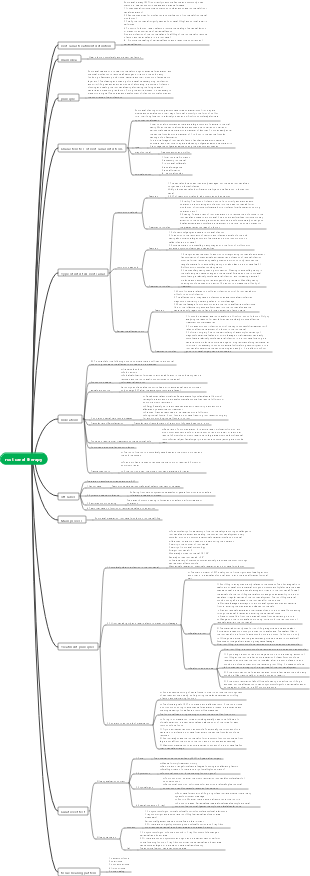
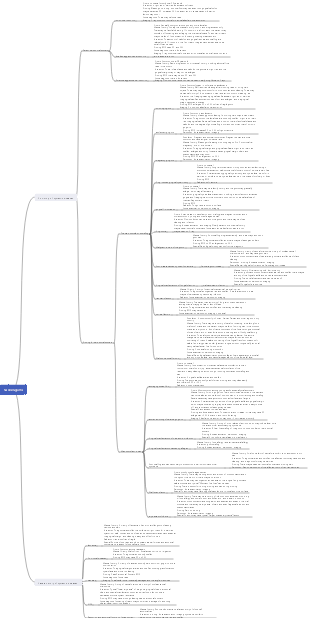
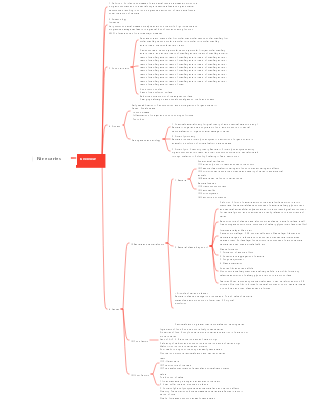
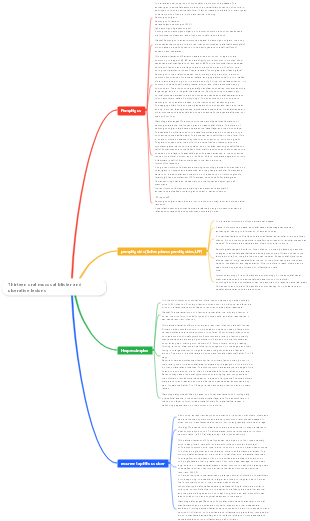
Twelve periodontal tissue disease
Periodontal tissue diseases include inflammatory, metabolic and traumatic diseases that occur on periodontal tissue. According to their lesion range, they can be divided into gingival disease and periodontal disease.
Gum disease
Plaque gingival disease Nonplaque gingival disease Chronic gingivitis is the most common
chronic gingivitis
Mainly limited to the gingival margin (free gingival and gingival papillary), also known as marginal gingivitis (there is no change in the deep periodontal maxillary and alveolar bone). When inflammation is mainly limited to the gingival papillary, it is called gingival papillaryitis
Causes: Chronic nonspecific inflammation of gingival tissue caused by oral bacteria and their toxic products Plaque, soft dirt, tartar
1. Inflammation and edema
1. Clinical manifestations The gingival edge is red and swollen, bright (the dot color disappears), soft and prone to bleeding; The gingival margin becomes thicker, and the gingival papillae is round, blunt and hypertrophy.
2. Pathological changes Fibrous connective tissue edema, infiltration of inflammation, capillary hyperplasia and dilation, congestion
2. Fiber hyperplasia type:
1. Clinical manifestations: gingival edges are swollen, solid, light color
2. Pathological changes: fibrous connective tissue proliferates, in which inflammation cells can be infiltrated (less than edema), and capillary hyperplasia is not obvious
gingival hyperplasia
A group of diseases caused by multiple reasons, with fibrous connective tissue hyperplasia as the main pathological changes. It is mostly caused by systemic factors and is often accompanied by local bacterial infection.
1. Gingival hyperplasia caused by endocrine factors Hormonal gingivitis, including pubertal gingivitis and pregnancy gingivitis (gingivitis is the target organ of sex hormones)
1. Clinical manifestations: red and swollen gingival papilla and gingival margins, prone to bleeding
2. Pathological changes: collagen fiber edema, degeneration; capillary hyperplasia and dilation, congestion
2. Drug-induced gingival hyperplasia Phytoin sodium, immunosuppressants and other drugs
1. Clinical manifestations: enlarged papillae, granular nodules on the surface, tough texture, light color
2. Pathological changes: collagen fibers proliferate in large quantities and small blood vessel volume
3. Nutritional deficiency gingival hyperplasia (VitC deficiency)
1. Clinical manifestations: purple-red and swollen, soft and easy to bleed.
2. Pathological changes: collagen fiber edema, degeneration, capillary hyperplasia, dilation, and congestion.
4. Gingival hyperplasia caused by hereditary factors (familial gingival fibromatosis)
1. Clinical manifestations: diffuse gingival hyperplasia (gingival elephant dermatosis)
2. Pathological changes: non-inflammatory fibrous connective tissue proliferation
acute necrotizing ulcerative gingivitis (ANUG)
Acute necrotizing gingivitis, Fenson gingivitis, trench troughitis
1. Causes Flosprotein, Fenson spirochete Malnutrition and extreme weakness Highly mentally nervous person--the host's resistance is low
2. Clinical manifestations The gingival margin and gingival papillae are acutely necrotic, and the gingival margin is nibbling-like missing; the surface is covered with off-white pseudo-membrane; Severe corrupt bad breath; Pain, burning sensation, systemic symptoms.
3. Pathological changes The most surface layer: bacterial spirochete; Pseudo-membrane of surface: fibrous exudation and denaturation and necrosis tissue bacteria, which contain a large number of infiltrated inflammatory cells; gingival smear: see a large number of fusprout bacteria and fessen spirochetes
plasma cell gingivitis
Plasma gingivitis, allergic gingivitis
1. Causes: Allergic reactive diseases, with various allergens
2. Clinical manifestations Gums, back of the tongue: red, swollen, shiny Lip: Scaly scaly desalination Angle of mouth: Angle of mouth
3. Pathological changes are characterized by diffuse infiltration of plasma cells, and the epithelium is mostly intact, and the plasma cells in the lamina propria are flake-like or focally aggregated.
desquamative lesion of gingiva
Limited to redness and desquamation-like lesions of the gums, it is the manifestation of various diseases in the gums
1. Clinical manifestations Gums are bright red and shiny, and the epithelium is peeled off. Burning and pain
2. Pathological changes
1. Blister type The epithelium and connective tissue detached to form subbase blisters Intraepithelial blisters
2. Mossy type: epithelial atrophy, spinous layer becomes thinner, basal cells liquefied and denaturated, and lamina propria is densely infiltrated.
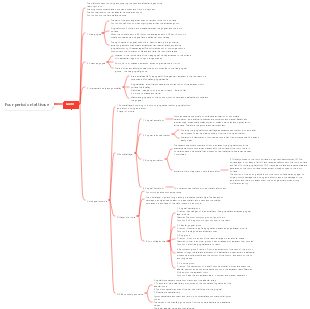
Twelve periodontal tissue disease
periodontitis
Concept Periodontitis is an inflammatory and destructive disease on the support tissue caused by plaque microorganisms, which destroys the periodontal membrane, alveolar bone, and dental bone. The pathology is manifested as the damage of the gingival teeth combined with epithelium to form periodontal pockets and resorption of alveolar bones; clinical manifestations are manifested as periodontal pus overflow and loose teeth.
Causes Plaque and its toxic products are the initiators of periodontitis
1. Bacteria Mainly G-anaerobic bacteria, with many bacterial hairs
1.Porphyromonas gingivalis (P.g)
2. Actinomycetes Actinomycetes (Aa)
3. Maltose-bearing spirochete, intermediate spirochete, etc.
Pathogenesis
1. Direct damage to periodontal tissue by bacteria and their toxic products
1. Bacterial endotoxin: lipopolysaccharide (LPS) binds to cell membrane proteins; activates osteoclasts; and enhances phagocytic release of lysosomal enzymes.
2. Bacterial enzymes Hydrolytic enzymes, including proteases, collagenase, chondroitin sulfate, hyaluronidase, etc., destroy the interstitial mass between the matrix and cells
2. Secondary damage to periodontal tissue caused by host defense reaction
1. Neutral polymorphonuclear leukocytes (PMN) Pyrophy bacteria, release a variety of enzymes, causing tissue damage, such as: Collagenase Cell Adhesion Molecules (CAM)
2. The role of cytokines Interleukin (IL) Tumor necrosis factor (TNF-α) Prostaglandin E2 (PGE2) Matrix Metalloproteinase (MMP) Bone protection factor (OPG), osteoclast differentiation factor (ODF)
3. Host systemic factors
1. Genetic inducement 2. Systemic diseases: diabetes, AIDS, etc. 3. Others: Smoking, mental stress
To sum up, the destruction process of periodontitis is the result of the interaction between the plaque and the host through complex molecular mechanisms.
Clinical manifestations
Periodontal pus and loose teeth Swelling gums, deep peripartum bag formation X-ray: The periodontal space widens, the alveolar ridge cap disappears, and in severe cases, all alveolar bones are absorbed
Pathological changes
Pathological changes in periodontitis during active period
1. On the tooth surface: there is plaque, soft dirt, and tartar accumulation. 2. In the periodontal pocket: There is a large amount of inflammatory exudates containing immunoglobulin and complement. 3. Epithelial in the bag: Erosion and ulcer, epithelial hyperplasia forms cords or mesh-shaped, with a large number of inflammatory cells infiltrated, and some inflammatory cells and exudates are removed into the periodontal bag. 4. Combined with epithelium: hyperplasia and extension to the root, forming a deep periodontal pocket with dense inflammation cells around it. 5. Subepithelial collagen fibers: edema, degeneration, disappearance, and are mostly replaced by inflammation cells. 6. Alveolar bone: absorbed, bone resorption traps appear, and the inherent alveolar bone at the top of the alveolar ridge is absorbed and disappeared. 7. Periodontal maternal membrane: matrix and collagen denaturation, and the interval between the periodontal maternal space is widened. 8. Deep periodontal pockets cause cementum: exposed, and tartar can be seen to be closely attached. Clinically, it is typical periodontal inflammation symptoms such as periodontal overflow and loose teeth. If it cannot be controlled in time, it will eventually lead to loosening and falling off the teeth.
Pathological changes in periodontitis
1. The periarthritis cells in the epithelial tissue of the intrasulcus or the periodontal pocket are reduced, and a large number of newborn gel fibrils and newborn capillaries can be seen between the periodontal pocket and the alveolar bone. 2. The alveolar bone is resorbed in a static state, and osteoclasts are generally not seen, and bone-like formation is common in the resorption pit. 3. The cementum on the root surface of the teeth appears, and new collagen fibers are attached to the surface.
<Three situations of periodontal bags>
Normal: Bonding epithelium attaches to the enamel or enamel cementum boundary During periodontitis, it proliferates to the root with the epithelium, and its attachment is lost, resulting in the pathological deepening of the gingival sulcus, forming a blind bag of >3mm, called periodontal bag.
1. Gingival pockets are more common in gingivitis, also known as pseudoperiodic pockets. The alveolar bone has not been significantly absorbed, and the height of the alveolar bone has not been lost. It is just the gingival pocket formed by the gingival tissue due to inflammatory hyperplasia and swelling, resulting in the gingival margin covering the crown. 2. Supragingival pocket The bottom of the periodontal pocket is above the top of the alveolar ridge. Since the alveolar ridge is horizontally absorbed, its height is significantly reduced, resulting in the formation of the supragging pocket. 3. Intrabony pocket The periodontal pocket is located below the top of the alveolar ridge, the alveolar bone is on the side of the bag, and the periodontal pocket is between the root surface and the alveolar bone, which is caused by vertical bone resorption of the dente bone.
Periodontal tissue Other pathological changes
periodontal degeneration
It refers to non-inflammatory and dystrophic changes in periodontal tissue, and the pathology is manifested as aquatic degeneration, mucus degeneration, glass-like degeneration, etc. of periodontal tissue. Most of them are local manifestations of systemic diseases. If bacterial infection is combined, it will lead to rapid progressive severe periodontitis.
periodontal trauma periodontal trauma Occlusal trauma Surgical Trauma Treatment of pulp trauma, etc.
Primary occlusal trauma: refers to periodontal support tissue damage caused by abnormal occlusal relationship or inconsistent occlusal force, such as early contact, tooth tip interference, etc., which can aggravate the occurrence and development of periodontitis. It is a traumatic occlusal relationship that causes pathological changes in periodontal tissue, which is called traumatic dentation.
Secondary occlusal trauma: Due to periodontitis and other reasons, periodontitis itself lacks support and is unable to perform normal occlusal trauma, resulting in further damage to periodontal tissue. Pathological changes: trabecular bone reconstruction, widening periodontal space, rebirth of the inherent alveolar bone on the traction side, degeneration of the compressed periodontal lining, disappearance of the inherent alveolar bone, root absorption
periodontal atrophy
1. Atrophy after anti-inflammatory 2. Age-increasing atrophy 3. Premature atrophy 4. Atrophy caused by local factors
Pathological changes: reduced epithelial cell hierarchy, decreased connective tissue composition