MindMap Gallery Oral Science-Root Canal Treatment
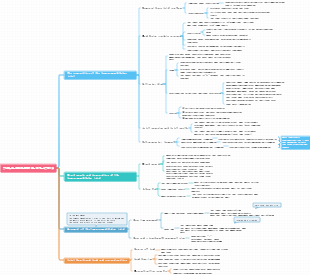
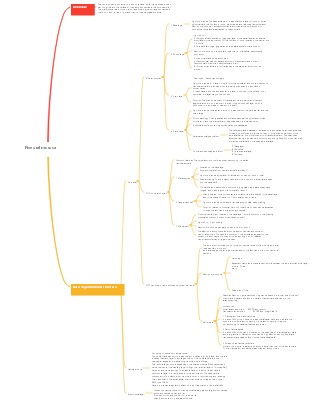
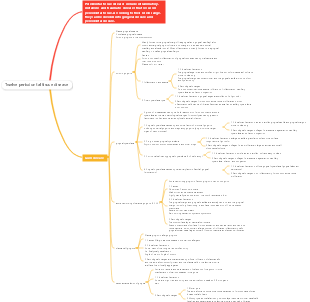
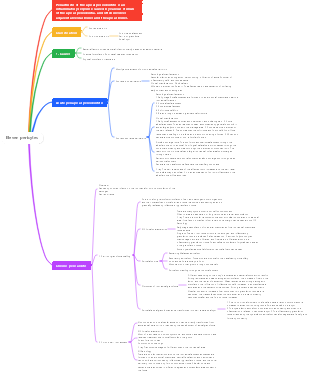
This is a mind map about root canal treatment, including the definition of root canal treatment, core ideas, principles, Characteristics of infection in root canals, types of infected root canals, etc.
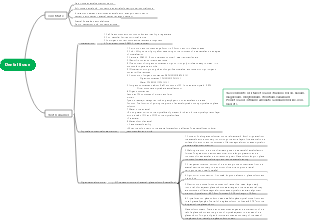
Edited at 2023-12-20 23:41:09This infographic, created using EdrawMax, outlines the pivotal moments in African American history from 1619 to the present. It highlights significant events such as emancipation, key civil rights legislation, and notable achievements that have shaped the social and political landscape. The timeline serves as a visual representation of the struggle for equality and justice, emphasizing the resilience and contributions of African Americans throughout history.

This infographic, designed with EdrawMax, presents a detailed timeline of the evolution of voting rights and citizenship in the U.S. from 1870 to the present. It highlights key legislative milestones, court decisions, and societal changes that have expanded or challenged voting access. The timeline underscores the ongoing struggle for equality and the continuous efforts to secure voting rights for all citizens, reflecting the dynamic nature of democracy in America.
This infographic, created using EdrawMax, highlights the rich cultural heritage and outstanding contributions of African Americans. It covers key areas such as STEM innovations, literature and thought, global influence of music and arts, and historical preservation. The document showcases influential figures and institutions that have played pivotal roles in shaping science, medicine, literature, and public memory, underscoring the integral role of African American contributions to society.
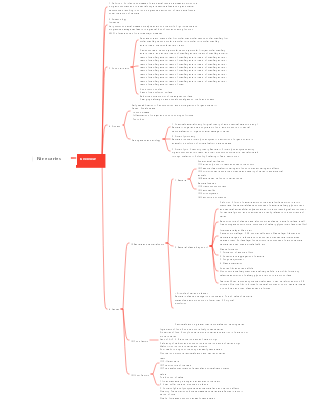
This infographic, created using EdrawMax, outlines the pivotal moments in African American history from 1619 to the present. It highlights significant events such as emancipation, key civil rights legislation, and notable achievements that have shaped the social and political landscape. The timeline serves as a visual representation of the struggle for equality and justice, emphasizing the resilience and contributions of African Americans throughout history.
This infographic, designed with EdrawMax, presents a detailed timeline of the evolution of voting rights and citizenship in the U.S. from 1870 to the present. It highlights key legislative milestones, court decisions, and societal changes that have expanded or challenged voting access. The timeline underscores the ongoing struggle for equality and the continuous efforts to secure voting rights for all citizens, reflecting the dynamic nature of democracy in America.
This infographic, created using EdrawMax, highlights the rich cultural heritage and outstanding contributions of African Americans. It covers key areas such as STEM innovations, literature and thought, global influence of music and arts, and historical preservation. The document showcases influential figures and institutions that have played pivotal roles in shaping science, medicine, literature, and public memory, underscoring the integral role of African American contributions to society.
root canal therapy
root canal treatment definition
Root canal therapy (RCT) is currently the most effective and commonly used method to treat endodontic disease and periapical disease. 1. It uses special instruments and methods to clean and shape root canals (root canal preparation) 2. Effective medicines for disinfection and sterilization of root canals (root canal disinfection) 3. Finally, the root canal is tightly packed (root canal filling) and coronal repair is performed. 4. To control infection, repair defects, promote the healing of periapical lesions or prevent the occurrence of periapical lesions. Proper disinfection of the root canal and final filling of the root canal to remove infection and repair defects in the root canal 6. Promote the healing of periapical lesions and prevent the occurrence of periapical lesions
main idea
Clear infection completely and prevent reinfection
principle
Root canal treatment is to treat root canals through mechanical preparation and chemical disinfection to remove all pathogenic irritants in the pulp cavity (including inflammatory pulp tissue, bacteria and their products, infected dentin layer, etc.). The cleaning and shaping of the canal, necessary drug disinfection, and strict filling can achieve the purpose of eliminating the source of infection, blocking and sealing the root canal cavity, eliminating the living space of bacteria, and preventing reinfection. During the entire process, it is necessary to prevent the original The spread and development of infection must also prevent the occurrence of new infections.
Characteristics of root canal infection.
Root canal infecting microorganisms have three characteristics: first, they are diverse and special; second, their way of survival is mostly in the form of biofilm; third, their living location is relatively hidden and difficult to completely eliminate by conventional means.
type
Under normal circumstances, there are a large number of bacteria in the oral cavity. When the dentinal tubules are exposed due to caries, non-caries, or periodontal disease, bacteria with a diameter of less than 1 μm can easily enter the dentinal tubules with a diameter of 1 to 4 μm. in the dentinal tubules, causing pulp inflammation In the initial stage of root canal infection, facultative anaerobic bacteria dominate, and over time, they are replaced by obligate anaerobic bacteria, with Gram-negative obligate anaerobes being the predominant species.
way of survival
Free suspension and biofilm
survival position
1. Inter-tube traffic branch 2. accessory root canal 3. root canal collaterals 4. apical divergence 5. apical furcation 6. dentinal tubules
Type of infected root canal
tooth with vital pulp
Features
1. The dental pulp has been irreversibly damaged, but the deep root canal has not yet been infected/infected Mildly infected dental pulp still retains vitality and is called a non-infected root canal 2. RCT of teeth with vital pulp, also known as pulp extraction
Treatment principles
1. Sterility: The focus of infection control is to strictly adhere to aseptic operations to avoid iatrogenic infection into the deep root canals (strict disinfection of instruments/materials, strict isolation/sterile operations during operations, etc.) 2. Shaping: The main task of root preparation is to remove the pulp tissue in the root canal and shape the root canal. Use rubber dam/sterilized instruments, pay attention to the operating techniques, remove the pulp immediately under good local anesthesia and complete the treatment in one time, which can prevent to the greatest extent spread of infection
tooth with dead pulp
Features
1. Pulp necrosis/gangrene, severe root canal infection 2. In addition to the remnants of necrotic and infected dental pulp, the pulp cavity also contains a large number of bacteria and toxic products, which is called infected root canal. 3. Some bacteria in the medullary cavity may exist in the form of biofilms, with enhanced symbiosis/pathogenic capabilities
Treatment principles
1. Strengthen debridement: In addition to strengthening root canal debridement (a combination of mechanical debridement and ultrasound), residual infection must be further removed by sealing medicine, which not only removes the tangible material in the medullary cavity, but also cleans the root canal wall. /Biofilms within complex tubule systems 2. Use medullary cavity opening with caution: Opening the medullary cavity in the oral cavity can cause changes in the bacterial flora deep in the root canal, complicating a relatively simple bacterial infection, and increasing bacterial virulence and becoming more pathogenic/drug-resistant. Medullary cavity opening should be used with caution. /So as not to increase the difficulty of treatment
Retreat the affected tooth
Features
1. Most of them are related to insufficient infection control. As root canals with difficult-to-control infection 2. The affected tooth may have problems such as anatomical particularities, diagnostic uncertainty, operating defects, or microleakage. 3. When the leakage from the mouth enters the root canal/periradicular tissue fluid or the inflammatory exudate flows back into the root canal space, the bacteria quickly regain control and form a new active infection state.
Treatment principles
1. It should be treated as a root canal with difficult-to-control infection. Only by analyzing the reasons for past failures can we clearly propose effective treatment countermeasures. 2. For cases with poor infection control, the key to successful retreatment still relies on effective treatment of infection in the root canal. 3. Culture + surgery: Due to the particularity of anatomy/uncertainty of diagnosis/operational defects or micro-leakage, initial treatment can easily complicate a relatively simple bacterial infection in the root canal, making the bacteria more virulent and more pathogenic. drug resistance/drug resistance, at this time, it is necessary to conduct bacterial culture/drug sensitivity test in the root canal to determine the sensitive drug and apply it; if the effect is still not good, root canal surgery can be considered
Indications
RCT is suitable for the following conditions where there is sufficient periodontal supporting tissue and the affected tooth needs to be preserved
Endodontic disease
①Irreversible pulpitis ②Pulp necrosis ③Pulpal calcification (provided that the calcification in the pulp cavity can be removed and the root canal is unobstructed to the apex) ④Intradental resorption
apical periodontitis
Various types of apical periodontitis (teeth with acute apical periodontitis can only undergo RCT after the acute symptoms are relieved)
Non-carious dental hard tissue diseases
① Developmental abnormalities: Severe enamel hypoplasia/dental fluorosis/tetracycline teeth and other developmental abnormalities require full crown or post-core crown restoration. ②Allergy: Severely worn teeth have severe dentin sensitivity that cannot be alleviated by desensitization treatment ③Cracked: Cracked teeth need to be repaired with a full crown ④Longitudinal fissure: A non-fissured root canal requiring root resection surgery for a tooth with longitudinal fissure in its root.
Transplantation/Reimplantation
Transplantation/reimplantation of teeth with fully developed tooth roots
Those who require other treatments but have normal pulp
①Restoration: Tooth preparation for denture repair, dislocation/torsion, etc., which must expose the pulp or require post-core crown repair, or teeth that require full crown/post-crown repair due to large-area crown defects/residual roots ②Extraoral: jaw Facial surgery is required, and some jaw surgeries involve teeth
Combined periodontal-endodontic lesions
Traumatized tooth
① The root of the tooth is completely developed and the crown is broken and the pulp is exposed ②The crown fracture does not expose the marrow, but requires full crown or post crown repair ③ If the root is broken, the broken root can be retained for repair.
off-label
There are no absolute contraindications to RCT
1.Cannot save
Teeth with severe periodontal/dental defects that cannot be saved
2. Systemic disease intolerance
Suffering from serious systemic diseases/poor general condition and unable to tolerate the treatment process
3. Restricted mouth opening
The patient's mouth opening is limited and unable to perform treatment operations
4. Teeth that have no function or restorative value in the dentition
Main process
Root canal preparation, root canal disinfection, root canal filling
Treatment principles
1. Completely clear the infection in the root canal
①The complexity of the anatomy of the root canal system brings challenges to root canal debridement and sealing: the human root canal system is very complex, with both common anatomical characteristics/and individual differences, so attention needs to be paid during the operation Diversity in the number of root canals Diversity of root canal morphology Straight root canal: <5 Moderately curved root canal: 10'~20' Severely curved root canals: >20* ② Use a variety of methods comprehensively to achieve the most thorough debridement effect possible Mechanical preparation, chemical preparation and root canal disinfection
2. Fill root canals tightly and repair defects to prevent microleakage.
① The main indicator of RCT quality control is the tightness of sealing at both ends, that is, the apical and/coronal ends, that is, the apical foramen/coronal part
②Seal at the root
1) Root filling is a key step directly related to the success. The ultimate goal is to seal the root canal with a material with good biocompatibility/eliminate the dead space and seal the trace residual pathogenic irritants in the root canal/ To seal the apical hole, the root filling material must have good adaptability to the root canal and irregular cavities of the root canal system. The root filling material should occupy all the space in the root canal for the purpose a. Eliminate leakage pathways in the root canal system and prevent bacteria from re-entering the prepared and cleaned root canals b. Prevent residual bacteria and their metabolites in the root canal from passing through the apical foramen and entering the periapical tissue c. Prevent tissue fluid from the periapical tissue from penetrating into the unfilled gaps in the root canal and providing nutrients for the reproduction of residual bacteria in the root canal.
2) The materials currently used for root filling are gutta-percha and sealant. Gutta-percha needs to occupy the main root canal space. The sealant filled in the root canal in the form of paste should not be too much. Its function is only to fill the gutta-percha. and the gap between gutta-percha and root canal wall. Excessive shrinkage after hardening may cause leakage After root filling, the tooth should be restored with a crown as soon as possible
③Seal on the crown side
After root filling, the tooth should be restored with a crown as soon as possible
1) If you design a post-core crown, pay attention to the remaining amount of root filling at the root tip after post preparation. At least 5mm should be reserved to ensure that the root tip is sealed; after the post is placed, its end should be in close contact with the remaining root filling. No space should be left to maintain the integrity of the tight seal of the root canal system
2) If the crown cannot be fixed and repaired within a few weeks, the pulp cavity should be filled transitionally or directly bonded to repair it.
3) If the crown restoration falls off/the pulp cavity is open/the root filling is exposed, but the affected tooth has no symptoms/signs/no periapical shadow on the agent or silver tip, the RCT must be redone
3. Adhere to the principle of preservation
① Avoid excessive cutting of dental tissue in order to pursue the thoroughness of debridement one-sidedly, while ignoring the balance between controlling infection and maintaining function.
② The ultimate goal of RCT is to preserve the affected tooth. If the tooth tissue is cut too much during the mechanical preparation process, the resistance and chewing capacity of the affected tooth will be weakened. The functional load during chewing shortens the service life of the tooth.
③ During root preparation, three principles generally need to be followed. In clinical operations, the best personalized balance point of the three for each tooth should be found. 1) Try to debridement as much as possible. Theoretically, the thickness of the bacteria in the infected root canal that enters the dentinal tubules should be removed. 2) Appropriately shape the root canal to form a smooth/continuous shape from large to small from the crown to the root, and do not expand excessively. 3) Maximum preservation to ensure a certain thickness of the root canal wall so that it has safe strength
Curative effect
Efficacy evaluation content
1. Time
The observation period specified by WHO is 2 years after surgery
2. Symptoms
①Medical history/treatment history ②Pain situation: range/time/nature/degree/inducing and alleviating factors ③Swelling situation: Is there a history of swelling/suppuration? ④Functional condition: Is the chewing function good?
3. Physical signs
①Tooth condition: whether the crown restoration is suitable/complete/painful upon percussion ②Periodontal condition: soft tissue color and structure/swelling/periodontal pocket sinus tract/looseness/presence of tenderness
4. Special inspection (X-ray)
①Root canal: whether the filling is tight/appropriate; whether there is any bypass/instrument breakage ② Root tip: Whether there is external resorption at the root tip ③Around the apex: Periapical sparse area (size/shape/density/peripheral condition) periodontal ligament cavity/bone plate/alveolar bone
Efficacy standards
success
1. No symptoms/signs, normal occlusal function/complete occlusal relationship, X-ray shows tight and appropriate root filling/periapical radiolucent area disappears/ Periodontal ligament space is normal/hard plate is intact 2. Or there are no signs/symptoms, good occlusal function, and X-ray films show reduced periapical radiolucent area and increased V density.
fail
1. No symptoms/signs, mild bite discomfort, X-ray film shows little change in periapical radiolucent area 2. Or there are obvious symptoms and signs, and the patient cannot perform normal chewing function. X-ray films show that the periapical radiolucent area has become enlarged or there was no periapical radiolucency. The abnormal person has a transmissive area
tissue healing pattern
1. cementum/bone 2. scar tissue 3. connective tissue 4. fibrous tissue 5. bone healing