MindMap Gallery GM Market Segmentation, Targeting and Positioning Analysis
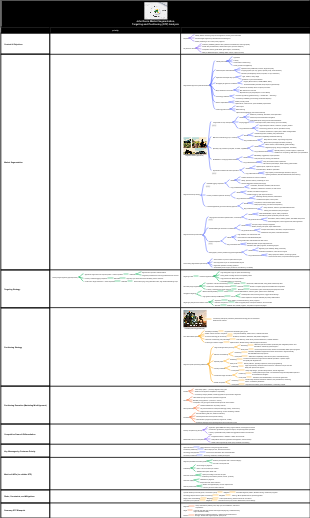
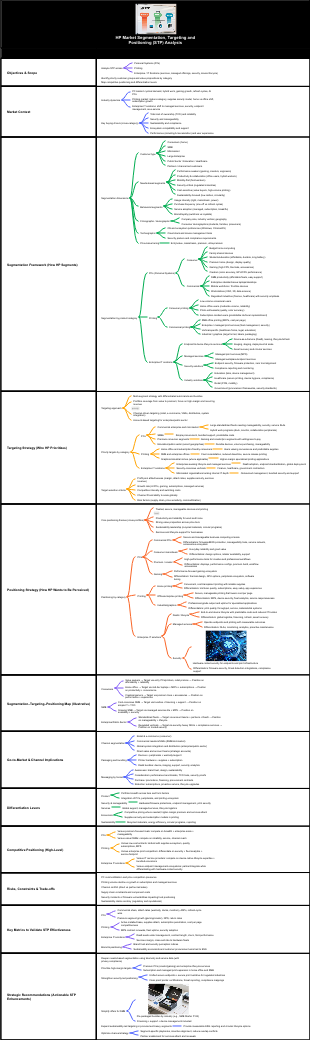
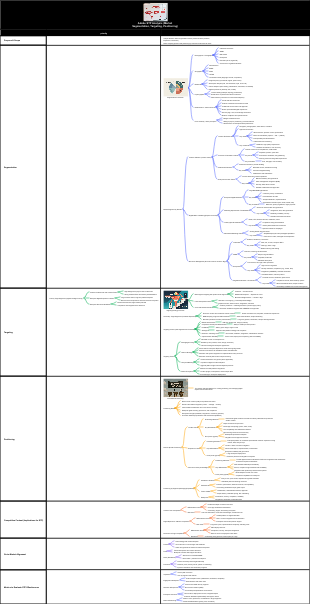
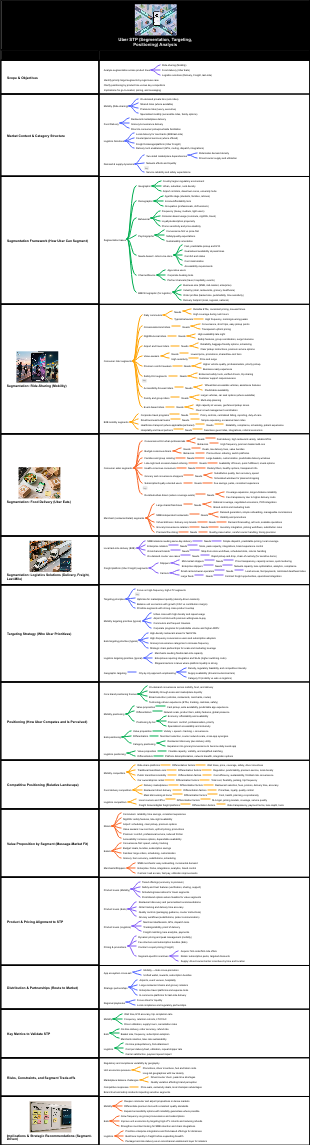
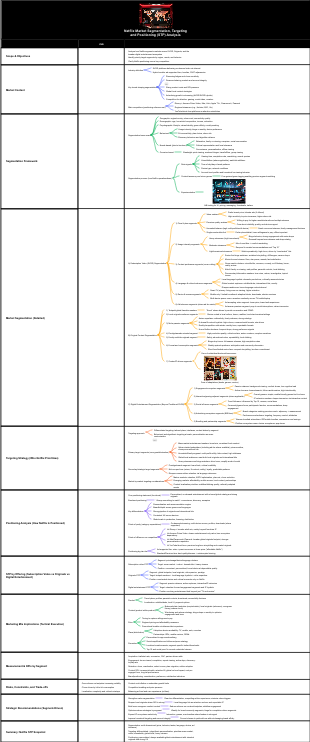
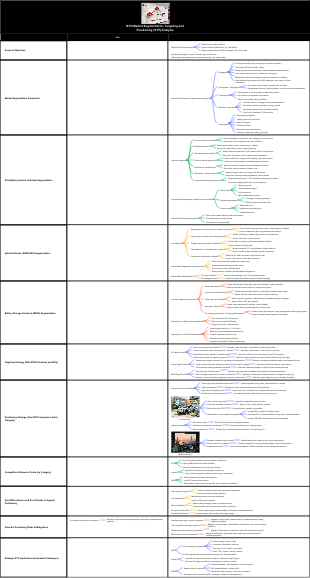
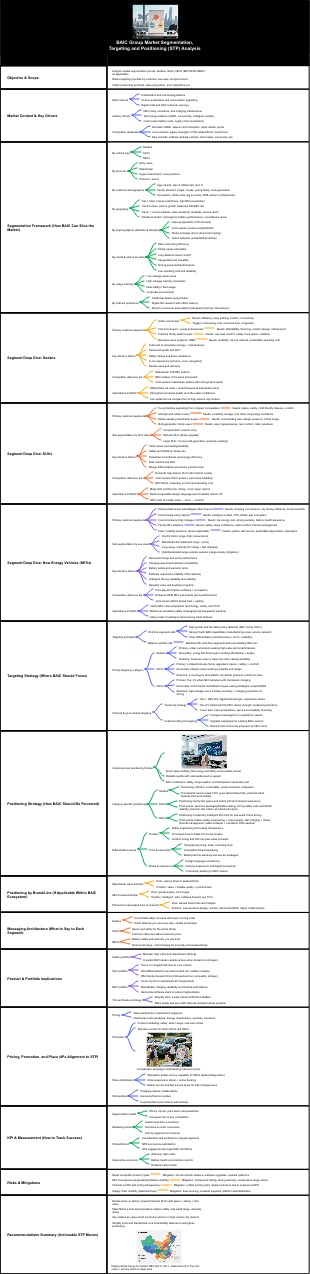
This mind map, titled GM Market Segmentation, Targeting and Positioning (STP) Analysis, provides a structured overview of GM’s segmentation logic and target selection framework across its brand portfolio (Chevrolet, GMC, Cadillac, Buick, BrightDrop) in North America, China, Europe, and emerging markets. The mind map begins with the purpose of STP analysis: improving product-market fit, prioritizing growth opportunities, and aligning portfolio, pricing, channels, and messaging. Geographic segmentation covers country/regional differences (regulation, charging infrastructure, income), urban vs suburban vs rural patterns, and climate/terrain impacts (range needs, AWD demand). Demographic segmentation includes age cohorts, household composition, income/wealth bands, and occupation. Socioeconomic and life stage segmentation addresses first-time buyers, growing families, empty nesters, and retirees. Psychographic segmentation focuses on innovation adoption, values (sustainability, performance, practicality, status), risk tolerance, and brand orientation. Behavioral segmentation covers usage occasions, benefits sought, purchase frequency and loyalty, financing preference, digital vs dealership shopping preference, total cost of ownership sensitivity, capability requirements, technology expectations, and charging convenience with range confidence. Designed for automotive marketing professionals, strategy analysts, business school students, and brand managers, this template offers a clear conceptual framework for understanding GM’s multi-brand, multi-region segmentation and targeting approach.
Edited at 2026-03-25 02:12:20This strategic SWOT analysis explores how Aeon can navigate the competitive online landscape, highlighting strengths, weaknesses, opportunities, and threats. Strengths include strong brand recognition (trusted Japanese heritage, quality), omnichannel capabilities (stores + online + mall integration), customer loyalty programs (Aeon Card, points, member pricing), and physical footprint (extensive store network for pickup/returns). Weaknesses encompass digital maturity gaps (e-commerce penetration, app functionality, personalization vs. Amazon, Alibaba), cost structure challenges (store-heavy, real estate, labor), and supply chain complexity (fresh food, frozen logistics for online). Opportunities include enhancing e-commerce competitiveness (faster delivery, wider assortment, lower minimum order), leveraging data-driven strategies (purchase history, personalized offers, inventory optimization), expanding omnichannel integration (buy online pick up in store, ship from store), and private label growth (Topvalu, localized brands). Threats involve online-first players (Amazon, Alibaba, Sea Limited) with lower costs, wider selection, faster delivery, market dynamics (changing consumer behavior post-COVID, discount competitors), and regulatory risks (data privacy, cross-border e-commerce rules). Aeon can strengthen market position by investing in digital capabilities, leveraging store assets for omnichannel, and using customer data for personalization, while addressing cost structure and online competition.

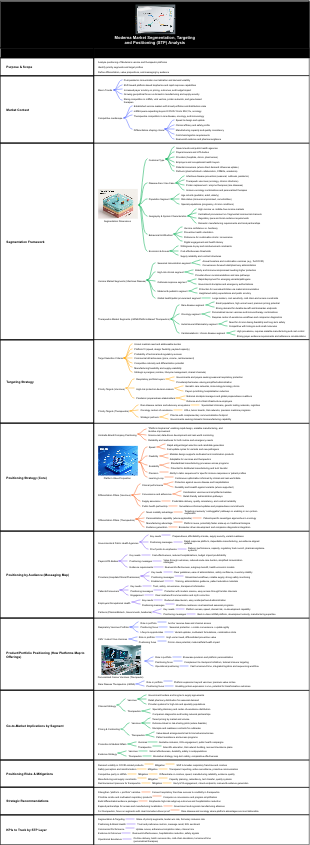
This analysis explores how Aeon effectively tailors offerings to meet the diverse needs of family-oriented consumers through a comprehensive Segmentation, Targeting, and Positioning (STP) framework. Demographic segmentation examines family life stages (young families with babies, school-aged children, teenagers, empty nesters), household sizes (small vs. large), income levels (mass, premium), and parent age bands (millennials, Gen X). This identifies distinct consumer groups with different spending patterns. Geographic segmentation highlights store catchment types (urban, suburban, rural), community characteristics (density, income, competition), and local preferences (fresh food, halal, Japanese products). Psychographic segmentation delves into family values (health, safety, education, convenience), lifestyle orientations (busy professionals, home-centered, eco-conscious). Behavioral segmentation focuses on shopping missions (daily grocery, weekly stock-up, seasonal shopping), price sensitivity (value seekers, premium), channel preferences (in-store, online, pickup). Needs-based segmentation reveals core family needs related to value (good-better-best pricing), budget considerations (affordability, promotions, member pricing), safety (food quality, product recall), convenience (one-stop shopping, parking, store hours). Targeting prioritizes young families with school-aged children, budget-conscious households, and convenience-seeking shoppers. Positioning emphasizes Aeon as a family-friendly, value-for-money, one-stop destination with Japanese quality and local relevance. These insights enhance family shopping experiences through tailored assortments (kids’ products, school supplies), promotions (family bundles, weekend events), and services (nursing rooms, kids’ play areas).
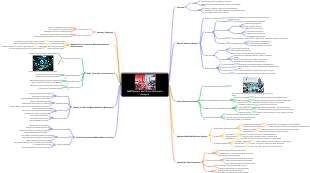
This Kream Sneaker Consumption Scene Analysis Template aims to visualize purchasing and consumption journeys of sneakers, identifying key demand drivers and obstacles. User behavior within Kream includes searching, bidding, buying, selling, authentication, and community engagement. External influences include brand drops (Nike, Adidas), social media (Instagram, TikTok), influencer hype, and cultural trends. Target categories: limited editions, collaborations, retro releases, performance sneakers, and general releases. Timeframes: launch day, first week, first month, long-term (seasonal, yearly). Regions: North America, Europe, Asia (Korea, China, Japan). User segments: Collectors: value rarity, condition, completeness (box, accessories). KPIs: collection size, spend, authentication rate. Resellers: value profit margin, volume, turnover. KPIs: sell-through rate, average profit, listing frequency. Sneakerheads: value hype, trends, community validation. KPIs: purchase frequency, social engagement, wishlist adds. Casual trend followers: value style, convenience, price. KPIs: conversion rate, average order value, repeat purchases. Gift purchasers: value ease, presentation, brand trust. KPIs: gift message usage, return rate. Consumption journey: Awareness: social media, email, push notifications. Search: browse, filter, search by brand, model, size. Purchase: bid, buy now, payment, shipping. Authentication: inspection, verification, certification. Resale: list, price, sell, transfer. Sharing: review, unboxing, social post, community discussion. Key performance indicators: conversion rate, sell-through rate, average order value, customer lifetime value, authentication pass rate, return rate, Net Promoter Score. This framework helps understand sneaker trading dynamics, user motivations, and touchpoints for engagement and satisfaction.
This strategic SWOT analysis explores how Aeon can navigate the competitive online landscape, highlighting strengths, weaknesses, opportunities, and threats. Strengths include strong brand recognition (trusted Japanese heritage, quality), omnichannel capabilities (stores + online + mall integration), customer loyalty programs (Aeon Card, points, member pricing), and physical footprint (extensive store network for pickup/returns). Weaknesses encompass digital maturity gaps (e-commerce penetration, app functionality, personalization vs. Amazon, Alibaba), cost structure challenges (store-heavy, real estate, labor), and supply chain complexity (fresh food, frozen logistics for online). Opportunities include enhancing e-commerce competitiveness (faster delivery, wider assortment, lower minimum order), leveraging data-driven strategies (purchase history, personalized offers, inventory optimization), expanding omnichannel integration (buy online pick up in store, ship from store), and private label growth (Topvalu, localized brands). Threats involve online-first players (Amazon, Alibaba, Sea Limited) with lower costs, wider selection, faster delivery, market dynamics (changing consumer behavior post-COVID, discount competitors), and regulatory risks (data privacy, cross-border e-commerce rules). Aeon can strengthen market position by investing in digital capabilities, leveraging store assets for omnichannel, and using customer data for personalization, while addressing cost structure and online competition.
This analysis explores how Aeon effectively tailors offerings to meet the diverse needs of family-oriented consumers through a comprehensive Segmentation, Targeting, and Positioning (STP) framework. Demographic segmentation examines family life stages (young families with babies, school-aged children, teenagers, empty nesters), household sizes (small vs. large), income levels (mass, premium), and parent age bands (millennials, Gen X). This identifies distinct consumer groups with different spending patterns. Geographic segmentation highlights store catchment types (urban, suburban, rural), community characteristics (density, income, competition), and local preferences (fresh food, halal, Japanese products). Psychographic segmentation delves into family values (health, safety, education, convenience), lifestyle orientations (busy professionals, home-centered, eco-conscious). Behavioral segmentation focuses on shopping missions (daily grocery, weekly stock-up, seasonal shopping), price sensitivity (value seekers, premium), channel preferences (in-store, online, pickup). Needs-based segmentation reveals core family needs related to value (good-better-best pricing), budget considerations (affordability, promotions, member pricing), safety (food quality, product recall), convenience (one-stop shopping, parking, store hours). Targeting prioritizes young families with school-aged children, budget-conscious households, and convenience-seeking shoppers. Positioning emphasizes Aeon as a family-friendly, value-for-money, one-stop destination with Japanese quality and local relevance. These insights enhance family shopping experiences through tailored assortments (kids’ products, school supplies), promotions (family bundles, weekend events), and services (nursing rooms, kids’ play areas).
This Kream Sneaker Consumption Scene Analysis Template aims to visualize purchasing and consumption journeys of sneakers, identifying key demand drivers and obstacles. User behavior within Kream includes searching, bidding, buying, selling, authentication, and community engagement. External influences include brand drops (Nike, Adidas), social media (Instagram, TikTok), influencer hype, and cultural trends. Target categories: limited editions, collaborations, retro releases, performance sneakers, and general releases. Timeframes: launch day, first week, first month, long-term (seasonal, yearly). Regions: North America, Europe, Asia (Korea, China, Japan). User segments: Collectors: value rarity, condition, completeness (box, accessories). KPIs: collection size, spend, authentication rate. Resellers: value profit margin, volume, turnover. KPIs: sell-through rate, average profit, listing frequency. Sneakerheads: value hype, trends, community validation. KPIs: purchase frequency, social engagement, wishlist adds. Casual trend followers: value style, convenience, price. KPIs: conversion rate, average order value, repeat purchases. Gift purchasers: value ease, presentation, brand trust. KPIs: gift message usage, return rate. Consumption journey: Awareness: social media, email, push notifications. Search: browse, filter, search by brand, model, size. Purchase: bid, buy now, payment, shipping. Authentication: inspection, verification, certification. Resale: list, price, sell, transfer. Sharing: review, unboxing, social post, community discussion. Key performance indicators: conversion rate, sell-through rate, average order value, customer lifetime value, authentication pass rate, return rate, Net Promoter Score. This framework helps understand sneaker trading dynamics, user motivations, and touchpoints for engagement and satisfaction.
GM Market Segmentation, Targeting and Positioning (STP) Analysis
Purpose & Scope
Define why STP is being conducted
Improve product-market fit
Prioritize growth opportunities
Align portfolio, pricing, channels, and messaging
Markets included
North America
China
Europe (select models/brands)
Emerging markets (selective approach)
Brand/portfolio covered
Chevrolet
GMC
Cadillac
Buick
BrightDrop (commercial EV logistics)
Segmentation Framework (How the Market Is Segmented)
Segmentation objectives
Identify distinct customer needs and willingness to pay
Reveal unmet needs and competitive white spaces
Enable differentiated positioning per segment
Segmentation bases (dimensions)
Geographic
Country/region differences (regulation, charging, income)
Urban vs suburban vs rural patterns
Climate/terrain impacts (range needs, AWD demand)
Demographic
Age cohorts (Gen Z, Millennials, Gen X, Boomers)
Household composition (single, family, multi-car)
Income/wealth bands (mass, near-premium, luxury)
Occupation (fleet managers, tradespeople)
Socioeconomic & life stage
First-time buyers
Growing families
Empty nesters
Retirees
Psychographic
Innovation adoption (innovators → laggards)
Values (sustainability, performance, practicality, status)
Risk tolerance (new tech acceptance)
Brand orientation (domestic loyalty, luxury seeking)
Behavioral
Usage occasions (commute, road trips, towing, delivery)
Benefits sought (range, safety, capability, low TCO)
Purchase frequency and loyalty
Financing preference (lease, loan, cash)
Digital vs dealership shopping preference
Needs-based (most actionable for positioning)
Total cost of ownership sensitivity
Capability requirements (payload/towing/off-road)
Technology expectations (ADAS, infotainment, connectivity)
Charging convenience and range confidence
B2B/Fleet-specific
Fleet size and vehicle class mix
Duty cycle (last-mile, regional, long-haul support)
Depot charging readiness
Procurement model (RFP, national accounts, leasing)
Key segmentation variables for GM today
Electrification readiness (access to charging, attitude to EVs)
Vehicle form factor preference (truck/SUV/crossover/sedan)
Brand aspiration level (mainstream → luxury)
Capability intensity (work/towing vs lifestyle)
Market Segments (Representative Segment Profiles)
Mainstream Value & Practicality (mass market)
Core needs
Reliability, affordability, strong resale value
Low operating cost and accessible service network
Likely products/brands
Chevrolet compact/midsize SUVs, sedans (where available)
Purchase drivers
Promotions, financing deals, fuel economy
Family Safety & Space (mainstream SUV buyers)
Core needs
3-row seating, safety ratings, driver assistance
Cargo space and comfort for long trips
Likely products/brands
Chevrolet 3-row SUVs; Buick crossovers
Messaging themes
Safety, comfort, convenience tech
Truck/SUV Capability Seekers (work + lifestyle)
Core needs
Towing, payload, durability, off-road capability
Strong powertrain options and accessories
Likely products/brands
Chevrolet Silverado, GMC Sierra, Tahoe/Yukon
Messaging themes
Capability, ruggedness, real-world performance
Premium Comfort & Quiet Luxury (near-luxury)
Core needs
Elevated interiors, quiet ride, premium design
Advanced tech without flashy performance focus
Likely products/brands
Buick; upper trims of Chevrolet/GMC
Messaging themes
Refinement, comfort, premium features at value
Luxury & Status + Performance Tech (luxury)
Core needs
Prestige, design leadership, top-tier technology
Performance variants and flagship experiences
Likely products/brands
Cadillac (ICE + EV lineup)
Messaging themes
Innovation, luxury craftsmanship, brand leadership
EV Early Adopters (tech-forward consumers)
Core needs
Cutting-edge software/UX, fast charging, OTA updates
Strong acceleration and modern design
Likely products/brands
Chevrolet and Cadillac EVs; GMC EV trucks
Messaging themes
Technology, convenience, performance, future-ready
EV Pragmatists (mainstream EV intenders)
Core needs
Range confidence, charging simplicity
Warranty, reliability, predictable costs
Likely products/brands
Chevrolet EVs positioned for value; crossovers
Messaging themes
Easy EV ownership, savings, worry-free charging
Commercial Fleets & Last-Mile Delivery (B2B)
Core needs
Uptime, low TCO, telematics, service support
Route-fit range, depot charging solutions
Likely products/brands
BrightDrop; GM fleet offerings
Messaging themes
Total cost, reliability, operational efficiency
Government & Regulated Buyers (B2G)
Core needs
Compliance, procurement transparency, lifecycle cost
Safety and fleet management compatibility
Likely products/brands
Fleet-spec vehicles; EV adoption where mandated
Messaging themes
Compliance, value, sustainability targets
Targeting Analysis (Which Segments GM Should Prioritize)
Targeting criteria (evaluation lens)
Segment size and growth rate
Profitability and price premium potential
Competitive intensity and differentiation feasibility
Fit with GM capabilities (manufacturing scale, Ultium platform, dealer network)
Brand fit (Chevrolet vs GMC vs Cadillac vs Buick)
Regulatory alignment (emissions targets, EV mandates)
Channel feasibility (dealer, fleet sales, direct-like digital flows)
Risk profile (cyclicality, tech adoption uncertainty)
Priority targeting (illustrative tiering)
Tier 1 (high priority)
Truck/SUV Capability Seekers (profit pools in pickups/SUVs)
EV Pragmatists (scaling EV volume beyond early adopters)
Commercial Fleets (stable demand, predictable utilization)
Tier 2 (selective priority)
Family Safety & Space (volume and loyalty potential)
Premium Comfort & Quiet Luxury (margin lift via trims)
Tier 3 (opportunistic)
EV Early Adopters (brand halo, innovation leadership)
Government buyers (policy-driven, sometimes lower margins)
Brand-specific targeting logic
Chevrolet
Broad mainstream coverage (value, family, entry EV)
Emphasize affordability + tech democratization
GMC
Premium capability niche (professional-grade, truck/SUV dominance)
Higher-margin trims and rugged lifestyle positioning
Cadillac
Luxury innovation + performance tech (EV leadership narrative)
Conquest buyers from global luxury competitors
Buick
Comfort-oriented near-luxury (quiet, refined, approachable)
Strong relevance in select regions/consumer profiles
BrightDrop
Fleet operators needing integrated EV logistics solutions
Positioning Analysis (How GM and Its Brands Are Positioned)
Positioning fundamentals
Frame of reference (category)
Mainstream vehicles, premium trucks/SUVs, luxury vehicles, EVs, commercial EV solutions
Points of difference (differentiators)
Platform scale and manufacturing capability
Safety and advanced driver assistance
Truck/SUV capability heritage
EV ecosystem (battery platform, software, charging partnerships)
Dealer/service footprint and fleet support
Points of parity (must-haves)
Competitive range/efficiency (EV)
Infotainment and connectivity
Quality, warranty, reliability expectations
Financing and incentives
Corporate/portfolio positioning (umbrella)
A full-spectrum mobility company
Covers mass to luxury, ICE to EV, consumer to fleet
Strategic emphasis
Electrification and software-defined vehicles
Safety and driver assistance
Capability leadership in trucks/SUVs
Brand-level positioning (portfolio roles)
Chevrolet (Mainstream, accessible innovation)
Value + breadth of lineup
Technology made attainable (safety, connectivity, EV entry points)
GMC (Premium capability)
Professional-grade trucks/SUVs
Rugged luxury and higher-end trims
Cadillac (Luxury innovation and performance)
Flagship tech, design, and EV-forward luxury identity
Buick (Refined, quiet premium)
Comfortable, understated premium experience
BrightDrop (Commercial EV solutions)
Integrated fleet ecosystem (vehicles + software + services)
Segment-specific positioning statements (examples)
For EV Pragmatists
An easy-to-own EV with dependable support, practical range, and cost savings
For Capability Seekers
The toughest, most capable trucks and SUVs with premium features and proven durability
For Luxury seekers
Modern American luxury that leads in technology, design, and electrification
For Fleets
Maximum uptime and lowest operational cost through connected EV fleet solutions
Competitive Context (Perceptual & Rival Mapping Inputs)
Key competitor sets by segment
Mainstream: Toyota, Honda, Hyundai/Kia, Ford
Trucks/SUVs: Ford, Ram, Toyota (trucks), Jeep (off-road)
Luxury: BMW, Mercedes-Benz, Audi, Lexus, Tesla (EV-lux)
EV mainstream: Tesla, Hyundai/Kia, Volkswagen, Ford
Commercial EV: Ford Pro, Rivian (fleet), Stellantis Pro
Perceptual mapping dimensions (common)
Price (value → premium)
Technology/software experience (basic → advanced)
Capability (low → high towing/off-road)
Sustainability/EV credibility (low → high)
Ownership support (limited → extensive service)
Go-to-Market Implications (What STP Means for Execution)
Product strategy
Align trims/features to segment needs (safety packages, towing, luxury interiors)
EV lineup gaps
Entry-price EVs for mainstream
High-capability EV trucks/SUVs for premium buyers
Software and connectivity differentiation
Pricing & incentives
Value-based pricing by segment willingness to pay
Lease strategy for EV adoption and residual risk management
Fleet pricing models (TCO-based proposals)
Distribution & channels
Dealer enablement (EV education, test drives, charging guidance)
Digital retail for convenience-oriented segments
Dedicated fleet sales and service programs
Promotion & messaging
Segment-tailored messages
Safety/space (families)
Capability (truck buyers)
Ease of charging + savings (EV pragmatists)
Luxury innovation (Cadillac)
Proof points
Range/charging data, warranty coverage, safety ratings, towing numbers
Partnerships & ecosystem
Charging access partnerships and bundled home charging solutions
Fleet charging and energy management partners
Metrics & Validation (How to Test and Measure Segmentation/STP)
Research methods
Quantitative surveys (needs-based clustering)
Conjoint analysis (trade-offs: range vs price vs features)
Ethnographic/diary studies (real usage patterns)
Dealer and fleet manager interviews
Key KPIs by funnel stage
Awareness and consideration by segment
Test drive rate and online configurator engagement
Conversion rate, incentive efficiency, CAC
Retention/loyalty and repurchase rates
EV-specific metrics
Charging satisfaction, app engagement, OTA adoption
Energy cost savings realized vs expected
Ongoing iteration
Refresh segments as EV infrastructure and regulations evolve
Monitor competitor repositioning and new entrants
Risks, Constraints & Assumptions
EV adoption uncertainty
Infrastructure pace, electricity prices, consumer confidence
Regulatory variability
Emissions rules and incentive changes by region
Supply chain and cost volatility
Battery materials, manufacturing ramp risks
Brand dilution risk
Overlapping offerings across Chevrolet/GMC/Cadillac if not clearly differentiated
Dealer execution variability
Consistency of EV education and service readiness
Summary Outputs (Deliverables of the Analysis)
Final segment taxonomy and personas
Target segment prioritization matrix
Brand-by-segment positioning statements
Perceptual maps and competitor benchmarking
Segment-specific marketing mix recommendations (4Ps/7Ps)
Measurement plan and feedback loop