MindMap Gallery Netflix Market Segmentation, Targeting and Positioning Analysis
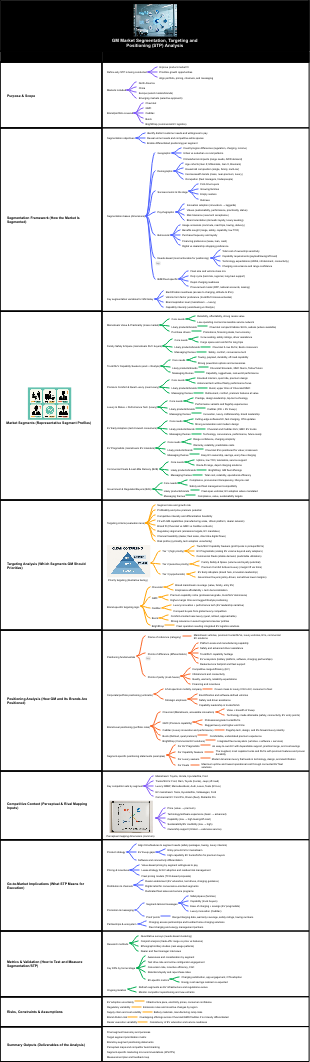
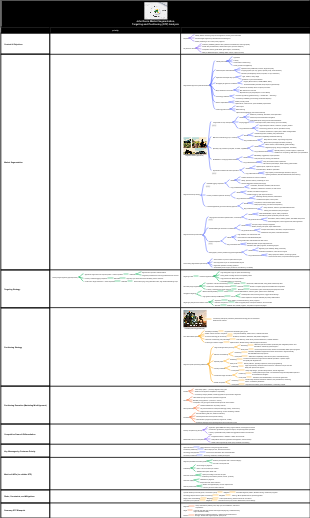
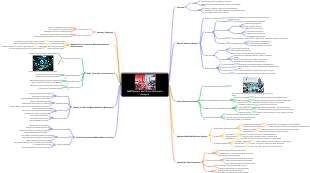
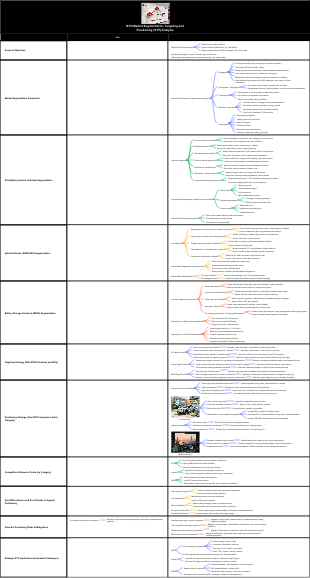
This analysis explores Netflix’s market segmentation, targeting, and positioning strategy within the subscription video on demand (SVOD) sector. Segmentation bases include geographic (North America, Europe, Latin America, Asia-Pacific), adapting content, pricing, and marketing to regional preferences; demographic (age, income, household composition); psychographic (lifestyle preferences, entertainment consumption habits); behavioral (viewing frequency, device usage, genre affinity); and occasion-based (family viewing, solo bingeing, mobile on-the-go). Market context includes industry trends such as streaming fatigue, with consumers navigating multiple subscriptions, and rising content costs, pressuring margins and content investment decisions. Competitive positioning against players like Disney+, Amazon Prime Video, HBO Max, and Apple TV+ emphasizes Netflix’s strengths in original content, global reach, and personalization algorithms. Operational processes include data-driven content commissioning, A/B testing of features, and algorithmic refinement to enhance engagement and retention. Subscription segments are delineated by price sensitivity (ad-supported vs. premium tiers); content preferences (originals vs. licensed, genre affinities); viewing behavior (frequent vs. occasional, binge-watching vs. episodic); and device usage (TV-focused vs. mobile-first). Consumer behavior insights reveal that engagement correlates with personalization accuracy, content variety, and seamless user experience. Retention strategies focus on reducing churn through compelling originals, regional relevance, and flexible pricing. This STP framework enables Netflix to refine offerings, target high-value segments, and maintain leadership in a competitive SVOD landscape.
Edited at 2026-03-25 15:18:08This strategic SWOT analysis explores how Aeon can navigate the competitive online landscape, highlighting strengths, weaknesses, opportunities, and threats. Strengths include strong brand recognition (trusted Japanese heritage, quality), omnichannel capabilities (stores + online + mall integration), customer loyalty programs (Aeon Card, points, member pricing), and physical footprint (extensive store network for pickup/returns). Weaknesses encompass digital maturity gaps (e-commerce penetration, app functionality, personalization vs. Amazon, Alibaba), cost structure challenges (store-heavy, real estate, labor), and supply chain complexity (fresh food, frozen logistics for online). Opportunities include enhancing e-commerce competitiveness (faster delivery, wider assortment, lower minimum order), leveraging data-driven strategies (purchase history, personalized offers, inventory optimization), expanding omnichannel integration (buy online pick up in store, ship from store), and private label growth (Topvalu, localized brands). Threats involve online-first players (Amazon, Alibaba, Sea Limited) with lower costs, wider selection, faster delivery, market dynamics (changing consumer behavior post-COVID, discount competitors), and regulatory risks (data privacy, cross-border e-commerce rules). Aeon can strengthen market position by investing in digital capabilities, leveraging store assets for omnichannel, and using customer data for personalization, while addressing cost structure and online competition.

This analysis explores how Aeon effectively tailors offerings to meet the diverse needs of family-oriented consumers through a comprehensive Segmentation, Targeting, and Positioning (STP) framework. Demographic segmentation examines family life stages (young families with babies, school-aged children, teenagers, empty nesters), household sizes (small vs. large), income levels (mass, premium), and parent age bands (millennials, Gen X). This identifies distinct consumer groups with different spending patterns. Geographic segmentation highlights store catchment types (urban, suburban, rural), community characteristics (density, income, competition), and local preferences (fresh food, halal, Japanese products). Psychographic segmentation delves into family values (health, safety, education, convenience), lifestyle orientations (busy professionals, home-centered, eco-conscious). Behavioral segmentation focuses on shopping missions (daily grocery, weekly stock-up, seasonal shopping), price sensitivity (value seekers, premium), channel preferences (in-store, online, pickup). Needs-based segmentation reveals core family needs related to value (good-better-best pricing), budget considerations (affordability, promotions, member pricing), safety (food quality, product recall), convenience (one-stop shopping, parking, store hours). Targeting prioritizes young families with school-aged children, budget-conscious households, and convenience-seeking shoppers. Positioning emphasizes Aeon as a family-friendly, value-for-money, one-stop destination with Japanese quality and local relevance. These insights enhance family shopping experiences through tailored assortments (kids’ products, school supplies), promotions (family bundles, weekend events), and services (nursing rooms, kids’ play areas).
This Kream Sneaker Consumption Scene Analysis Template aims to visualize purchasing and consumption journeys of sneakers, identifying key demand drivers and obstacles. User behavior within Kream includes searching, bidding, buying, selling, authentication, and community engagement. External influences include brand drops (Nike, Adidas), social media (Instagram, TikTok), influencer hype, and cultural trends. Target categories: limited editions, collaborations, retro releases, performance sneakers, and general releases. Timeframes: launch day, first week, first month, long-term (seasonal, yearly). Regions: North America, Europe, Asia (Korea, China, Japan). User segments: Collectors: value rarity, condition, completeness (box, accessories). KPIs: collection size, spend, authentication rate. Resellers: value profit margin, volume, turnover. KPIs: sell-through rate, average profit, listing frequency. Sneakerheads: value hype, trends, community validation. KPIs: purchase frequency, social engagement, wishlist adds. Casual trend followers: value style, convenience, price. KPIs: conversion rate, average order value, repeat purchases. Gift purchasers: value ease, presentation, brand trust. KPIs: gift message usage, return rate. Consumption journey: Awareness: social media, email, push notifications. Search: browse, filter, search by brand, model, size. Purchase: bid, buy now, payment, shipping. Authentication: inspection, verification, certification. Resale: list, price, sell, transfer. Sharing: review, unboxing, social post, community discussion. Key performance indicators: conversion rate, sell-through rate, average order value, customer lifetime value, authentication pass rate, return rate, Net Promoter Score. This framework helps understand sneaker trading dynamics, user motivations, and touchpoints for engagement and satisfaction.
This strategic SWOT analysis explores how Aeon can navigate the competitive online landscape, highlighting strengths, weaknesses, opportunities, and threats. Strengths include strong brand recognition (trusted Japanese heritage, quality), omnichannel capabilities (stores + online + mall integration), customer loyalty programs (Aeon Card, points, member pricing), and physical footprint (extensive store network for pickup/returns). Weaknesses encompass digital maturity gaps (e-commerce penetration, app functionality, personalization vs. Amazon, Alibaba), cost structure challenges (store-heavy, real estate, labor), and supply chain complexity (fresh food, frozen logistics for online). Opportunities include enhancing e-commerce competitiveness (faster delivery, wider assortment, lower minimum order), leveraging data-driven strategies (purchase history, personalized offers, inventory optimization), expanding omnichannel integration (buy online pick up in store, ship from store), and private label growth (Topvalu, localized brands). Threats involve online-first players (Amazon, Alibaba, Sea Limited) with lower costs, wider selection, faster delivery, market dynamics (changing consumer behavior post-COVID, discount competitors), and regulatory risks (data privacy, cross-border e-commerce rules). Aeon can strengthen market position by investing in digital capabilities, leveraging store assets for omnichannel, and using customer data for personalization, while addressing cost structure and online competition.
This analysis explores how Aeon effectively tailors offerings to meet the diverse needs of family-oriented consumers through a comprehensive Segmentation, Targeting, and Positioning (STP) framework. Demographic segmentation examines family life stages (young families with babies, school-aged children, teenagers, empty nesters), household sizes (small vs. large), income levels (mass, premium), and parent age bands (millennials, Gen X). This identifies distinct consumer groups with different spending patterns. Geographic segmentation highlights store catchment types (urban, suburban, rural), community characteristics (density, income, competition), and local preferences (fresh food, halal, Japanese products). Psychographic segmentation delves into family values (health, safety, education, convenience), lifestyle orientations (busy professionals, home-centered, eco-conscious). Behavioral segmentation focuses on shopping missions (daily grocery, weekly stock-up, seasonal shopping), price sensitivity (value seekers, premium), channel preferences (in-store, online, pickup). Needs-based segmentation reveals core family needs related to value (good-better-best pricing), budget considerations (affordability, promotions, member pricing), safety (food quality, product recall), convenience (one-stop shopping, parking, store hours). Targeting prioritizes young families with school-aged children, budget-conscious households, and convenience-seeking shoppers. Positioning emphasizes Aeon as a family-friendly, value-for-money, one-stop destination with Japanese quality and local relevance. These insights enhance family shopping experiences through tailored assortments (kids’ products, school supplies), promotions (family bundles, weekend events), and services (nursing rooms, kids’ play areas).
This Kream Sneaker Consumption Scene Analysis Template aims to visualize purchasing and consumption journeys of sneakers, identifying key demand drivers and obstacles. User behavior within Kream includes searching, bidding, buying, selling, authentication, and community engagement. External influences include brand drops (Nike, Adidas), social media (Instagram, TikTok), influencer hype, and cultural trends. Target categories: limited editions, collaborations, retro releases, performance sneakers, and general releases. Timeframes: launch day, first week, first month, long-term (seasonal, yearly). Regions: North America, Europe, Asia (Korea, China, Japan). User segments: Collectors: value rarity, condition, completeness (box, accessories). KPIs: collection size, spend, authentication rate. Resellers: value profit margin, volume, turnover. KPIs: sell-through rate, average profit, listing frequency. Sneakerheads: value hype, trends, community validation. KPIs: purchase frequency, social engagement, wishlist adds. Casual trend followers: value style, convenience, price. KPIs: conversion rate, average order value, repeat purchases. Gift purchasers: value ease, presentation, brand trust. KPIs: gift message usage, return rate. Consumption journey: Awareness: social media, email, push notifications. Search: browse, filter, search by brand, model, size. Purchase: bid, buy now, payment, shipping. Authentication: inspection, verification, certification. Resale: list, price, sell, transfer. Sharing: review, unboxing, social post, community discussion. Key performance indicators: conversion rate, sell-through rate, average order value, customer lifetime value, authentication pass rate, return rate, Net Promoter Score. This framework helps understand sneaker trading dynamics, user motivations, and touchpoints for engagement and satisfaction.
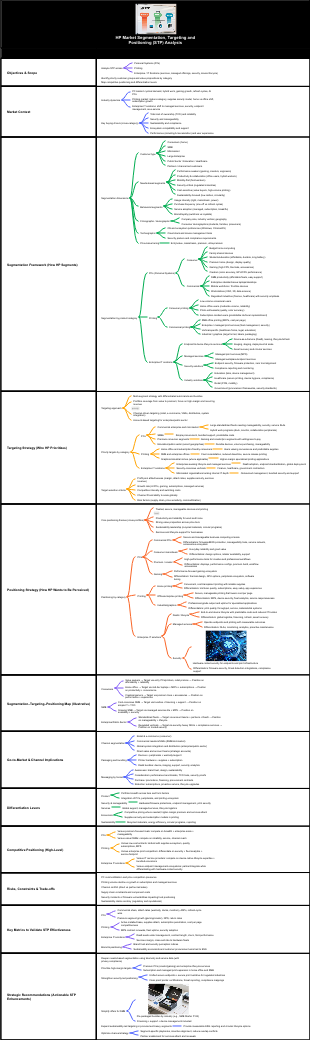
Netflix Market Segmentation, Targeting and Positioning (STP) Analysis
Scope & Objectives
Analyze how Netflix segments markets across SVOD, Originals, and the broader digital entertainment ecosystem
Identify priority target segments by region, needs, and behavior
Clarify Netflix positioning versus key competitors
Market Context
Industry definition
SVOD platforms delivering on-demand video via internet
Hybrid models: ad-supported tiers, bundles, FAST adjacencies
Key trends shaping segmentation
Streaming fatigue and churn sensitivity
Password-sharing controls and account integrity
Rising content costs and ROI pressure
Global-local content strategies
Advertising growth in streaming (AVOD/SVOD hybrids)
Competition for attention: gaming, social video, creators
Main competitors (positioning reference set)
Disney+, Amazon Prime Video, Max, Hulu, Apple TV+, Paramount+, Peacock
Regional streamers (e.g., Hotstar, iQIYI, Viu)
YouTube/short-form platforms as attention substitutes
Segmentation Framework
Segmentation bases used
Geographic: region/country, urban-rural, connectivity quality
Demographic: age, household composition, income, education
Psychographic: lifestyle, values/identity, genre affinity, novelty-seeking
Behavioral
Usage intensity, binge vs weekly, device preference
Price sensitivity, plan choice, churn risk
Discovery behaviors and algorithm reliance
Needs-based (jobs-to-be-done)
Relaxation, family co-viewing, escapism, social conversation
Cultural representation and local relevance
Convenience, personalization, offline viewing
Occasion-based
Weeknight quick viewing, weekend binges, travel/offline, group viewing
Segmentation process (how Netflix operationalizes)
Data signals
Viewing time, completion rate, rewatching, search queries
Likes/dislikes (where applicable), watchlist additions
Time-of-day/day-of-week patterns
Device type, network conditions
Account-level profiles and household co-viewing behavior
Content taxonomy and micro-genres
Fine-grained genre tagging enabling precise segment matching
Experimentation
A/B testing for UI, pricing, messaging, thumbnails, trailers
Market Segmentation (Detailed)
A) Subscription Video (SVOD) Segmentation
1) Price & plan segments
Value seekers
Prefer lowest price; tolerate ads (if offered)
High sensitivity to price increases; higher churn risk
Premium quality seekers
Willing to pay for higher resolution/audio and multiple streams
Care about reliability, quality, and device support
Household sharers (legit multi-profile/multi-device)
Need concurrent streams; family management features
Single-user/mobile-first
Prefer phone/tablet; lower willingness to pay; offline important
2) Usage intensity segments
Heavy streamers (high hours/week)
Binge behavior; strong engagement with series drops
Demand frequent new releases and deep catalog
Moderate streamers
Mix of new titles + comfort rewatching
Respond to curated recommendations and “Top 10”
Light/occasional streamers
Watch sporadically; high churn; driven by “must-watch” hits
3) Content preference segments (cross-cutting)
Series-first binge watchers: serialized storytelling, cliffhangers, season drops
Movie-focused viewers: films, star power, awards, fast satisfaction
Genre-centric clusters: crime/thriller, romance, comedy, sci-fi/fantasy, horror, reality, anime
Kids & family co-viewing: safe profiles, parental controls, local dubbing
Documentary/information seekers: true crime, nature, investigative, topical issues
4) Language & cultural relevance segments
Local-language loyalists: domestic productions, culturally resonant stories
Global content explorers: subtitles/dubs, international hits, novelty
Diaspora audiences: home-language content abroad
5) Device & access segments
Smart TV primary: living-room co-viewing, higher retention
Mobile-only / limited broadband: adaptive bitrate, downloads, shorter sessions
Multi-device power users: seamless continuity across TV/mobile/laptop
6) Ad tolerance segments (where ad tier exists)
Ad-accepting value segment: lower price, brand-safe experience
Ad-averse premium segment: pays to avoid interruptions, values immersion
SVOD segmentation clusters around willingness-to-pay, intensity of viewing, content tastes, cultural/language fit, device constraints, and ad tolerance.
B) Original Content Segmentation
1) Tentpole/global franchise seekers
“Event” shows driven by social conversation and FOMO
2) Local originals audience segments
Stories rooted in local culture, humor, realities; local stars/creators/settings
3) Niche passion segments
Anime superfans: authenticity, timely releases, strong catalogs
K-drama/K-content loyalists: high volume, romance/serial formats, star-driven
Reality/competition enthusiasts: weekly buzz, repeatable formats
Horror/thriller devotees: frequent drops, strong preference signals
4) Prestige/awards-oriented segment
High production quality, critical acclaim, auteur creators; complex narratives
5) Family and kids originals segment
Safety, educational value, repeatability, local dubbing
6) Format and consumption segments
Binge-drop lovers: full-season releases, high completion rates
Weekly-episode preferers: anticipation and community discussion
Short-form/limited series fans: compact storytelling, low time commitment
7) Creator/IP-driven segments
Fans of celebrities/directors/showrunners
Fans of adaptations (books, games, comics)
Originals segmentation balances scale (global tentpoles), relevance (local originals), depth (niche fandoms), and brand halo (prestige), with format preferences shaping release strategy.
C) Digital Entertainment Segmentation (Beyond Traditional SVOD)
1) Engagement ecosystem segments
Passive relaxers: background viewing, comfort shows, low cognitive load
Active choosers: browse/search, follow casts/creators, high intentionality
2) Interactive/gaming-adjacent segments (where applicable)
Casual gamers: simple, mobile-friendly games tied to shows
IP extension seekers: deeper immersion via interactive content
3) Social influence segments
Trend followers: influenced by Top 10, memes, social buzz
Community/genre forum participants: fandom, recommendations, deep engagement
4) Advertising ecosystem segments (B2B lens)
Brand categories seeking premium reach: adjacency + measurement
Performance advertisers: targeting, frequency control, attribution
5) Bundling and partnership segments
Telecom-bundled subscribers: ISP/mobile bundles, convenience and savings
Platform ecosystem users: device ecosystems, app stores
Targeting Strategy (Who Netflix Prioritizes)
Targeting approach
Differentiated targeting: tailored plans, interfaces, content slates by segment
Behavioral and algorithmic targeting at scale: personalization as mass customization
Primary target segments (core growth/retention)
Mass-market entertainment seekers: broad mix, consistent fresh content
Value-oriented subscribers (including ad-tier where available): price-sensitive, churn-prone without hits
Household/family segment: multi-profile utility, kids content, high stickiness
Global-local audiences: want both local originals and international hits
Heavy streamers and binge watchers: drive hours, amplify word-of-mouth
Secondary/strategic target segments
Prestige/awards segment: brand halo, cultural credibility
Niche super-fans (anime, K-content, reality): loyalty, predictable patterns
Diaspora communities: retention via language relevance
Market-by-market targeting considerations
Mature markets: retention, ARPU optimization, plan mix, churn reduction
Emerging markets: affordability, mobile access, local content, partnerships
Content localization priorities: subtitles/dubbing quality, culturally adapted assets
Positioning Analysis (How Netflix Is Positioned)
Core positioning statement (functional)
Personalized, on-demand entertainment with a broad global catalog and strong originals
Emotional positioning
“Always something to watch”: convenience, discovery, escapism
Key differentiators
Personalization and recommendation engine
Breadth/depth across genres and languages
Strong pipeline of originals and international hits
Consistent UX across devices
Global scale in production, licensing, distribution
Points of parity (category expectations)
On-demand streaming, multi-device access, profiles, downloads (where supported)
Points of difference vs competitors
Vs Disney+: broader adult mix; variety beyond franchise IP
Vs Amazon Prime Video: clearer entertainment-only value; less ecosystem dependency
Vs Max/Paramount+/Peacock: broader global originals footprint; stronger personalization reputation
Vs YouTube/short-form: premium long-form storytelling and curated originals
Positioning by plan tier
Ad-supported tier: value + premium access at lower price (“affordable Netflix”)
Standard/Premium tiers: best quality/streams + uninterrupted viewing
STP by Offering (Subscription Video vs Originals vs Digital Entertainment)
Subscription video STP
Segment: price/usage/device/language clusters
Target: mass-market + value + households + heavy viewers
Position: convenient, personalized, broad choice at dependable quality
Originals STP
Segment: global tentpoles, local originals, niche passion, prestige
Target: tentpole seekers + local-language loyalists + niche superfans
Position: must-watch stories and cultural moments only on Netflix
Digital entertainment STP
Segment: passive relaxers, active explorers, interactive/IP extension
Target: retention-focused engagement segments and IP loyalists
Position: evolving entertainment hub beyond just “TV and movies”
Marketing Mix Implications (Tactical Execution)
Product
Tiered plans; profiles; parental controls; downloads; accessibility features
Localization: subtitles/dubs, local UI, payment options
Content (product within product)
Balanced slate: tentpoles (acquire/retain), local originals (relevance), evergreen library (reduce churn)
Windowing and release strategy: binge drops vs weekly to optimize engagement and buzz
Price
Tiering to capture willingness-to-pay
Regional pricing and affordability measures
Promotional bundles via telecom/device partners
Place (distribution)
Ubiquitous device availability: TV, mobile, web, consoles
Partnerships: ISPs, mobile carriers, OEMs
Promotion
Personalized in-app merchandising
Social amplification and influencer/press strategy
Localized creative assets; segment-specific trailers/thumbnails
Top 10 and social proof to convert undecided viewers
Measurement & KPIs by Segment
Acquisition: trial/start rate, conversion, CAC, partner-driven adds
Engagement: hours viewed, completion, repeat viewing, active days, discovery-to-play rate
Retention: churn, reactivation, cohort curves, plan migration, ad-tier adoption
Content ROI: incremental adds, retention lift, global vs local impact, cost per engaged hour, long-tail performance
Brand/positioning: consideration, preference, satisfaction indicators
Risks, Constraints, and Trade-offs
Content cost inflation vs subscriber growth limits
Over-reliance on tentpoles increasing volatility
Churn driven by hit-to-hit consumption
Localization complexity and cultural missteps
Competitive bundling and price pressure
Balancing ad load and user experience (ad tiers)
Strategic Recommendations (Segment-Driven)
Strengthen value segmentation
Clear tier differentiation; compelling ad-tier experience; minimize churn triggers
Deepen local originals where ROI is strong
Local-language hits as retention anchors and exportable IP
Build more evergreen comfort content
Reduce reliance on constant tentpoles; stabilize engagement
Optimize release strategies by segment
Weekly for buzz/community segments; binge for completion-driven segments
Expand IP ecosystems selectively
Interactive, games, merchandise where fandom is strongest
Improve household targeting and account integrity
Convert sharers to paid add-ons without damaging brand affinity
Summary: Netflix STP Snapshot
Segmentation: multi-dimensional (price, behavior, tastes, language, device, ad tolerance)
Targeting: differentiated + algorithmic personalization; prioritize mass-market, value, households, global-local, heavy viewers
Positioning: personalized, always-available global entertainment with standout originals and strong UX