MindMap Gallery John Deere Market Segmentation, Targeting and Positioning Analysis
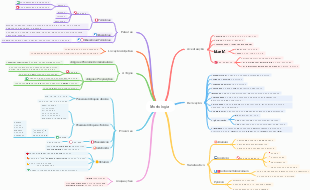
This analysis explores how John Deere strategically segments its market to effectively target diverse customer groups across agriculture, forestry, and construction. Segmentation dimensions: operation size (small, medium, large), cropping systems (row crops, small grains, orchards, vegetables), technology readiness (manual, GPS, telematics, automation, AI), and buyer behavior (price-sensitive, lifecycle-value-focused, early adopter). Key decision criteria: profitability (ROI, payback period, yield increase), growth potential (farm expansion, mechanization adoption), and equipment utilization (hours per year, multi-purpose use). Agriculture segments: Large-scale enterprises: row crops (corn, soy, wheat, cotton) – needs: high productivity, uptime, data integration, automation (autonomous tractors, combines). Buying triggers: harvest windows, labor shortages, input costs. Mid-sized farms: mixed operations – needs: reliability, fuel efficiency, precision guidance. Buying triggers: replacement cycles, government incentives. Smallholders: fruits, vegetables, livestock – needs: affordability, local support, compact equipment. Buying triggers: access to credit, cooperative buying, rental. Forestry segments: loggers, sawmills, bioenergy – needs: safety, durability, terrainability. Construction segments: contractors, municipalities, quarries – needs: uptime, versatility, resale value. Preferred products: large (8R tractors, X9 combines), mid (6R, S700), small (5R, 1 Series, Gator). Positioned as tailored solutions (precision, service, financing). This STP framework ensures John Deere meets customer demands and enhances market positioning.
Edited at 2026-03-25 14:37:16