无数据
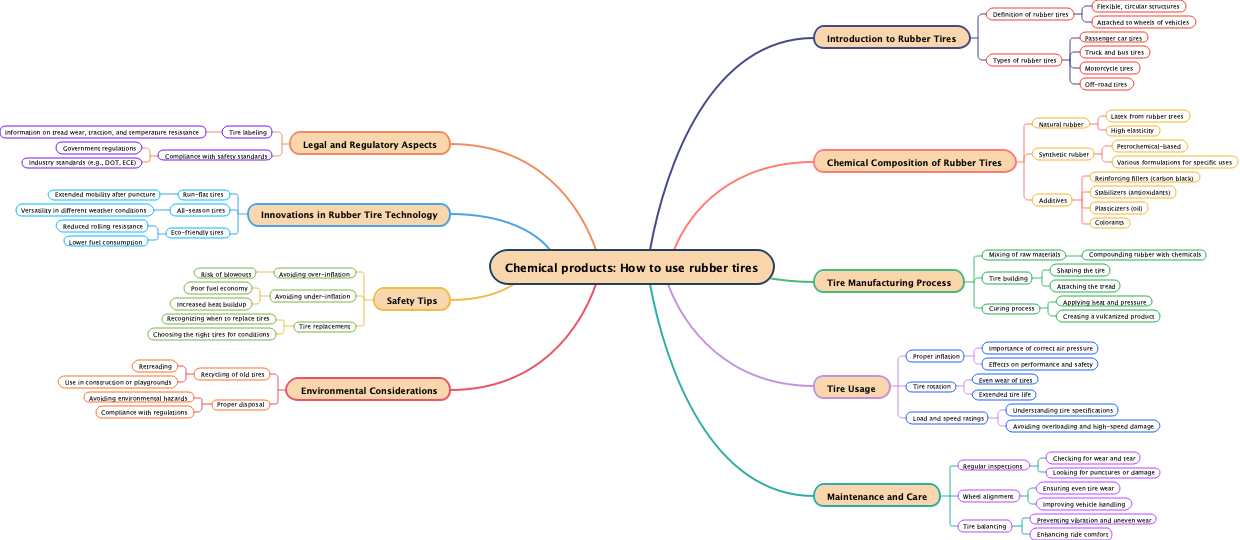
Chemical products: How to use rubber tires
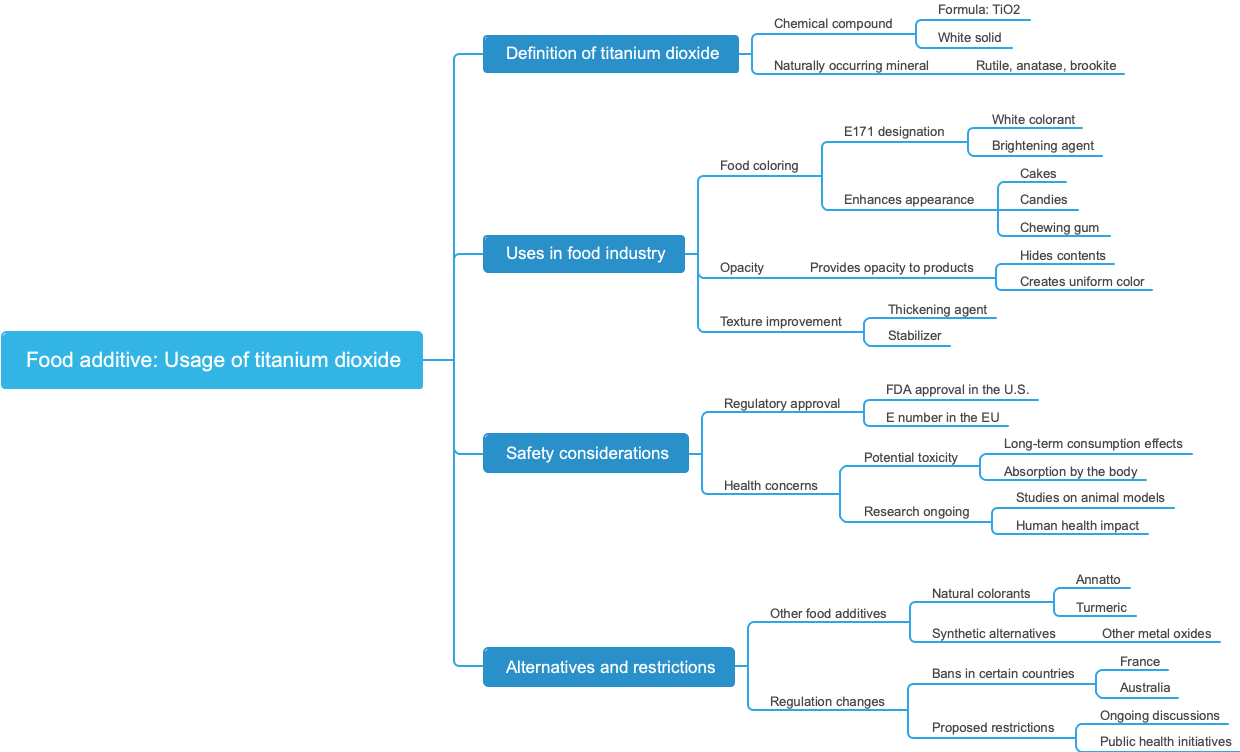
Food additive: Usage of titanium dioxide
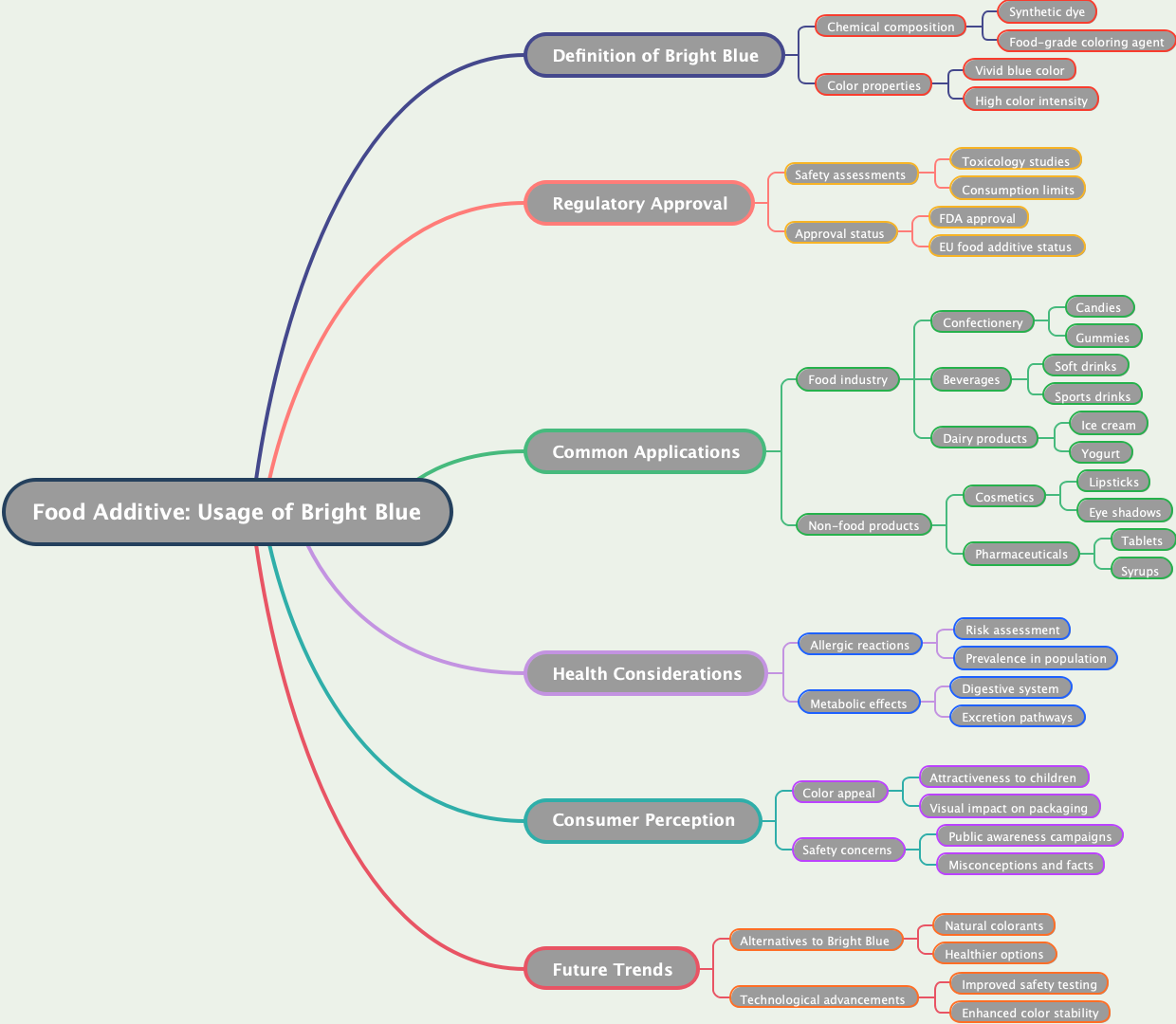
Food Additive: Usage of Bright Blue
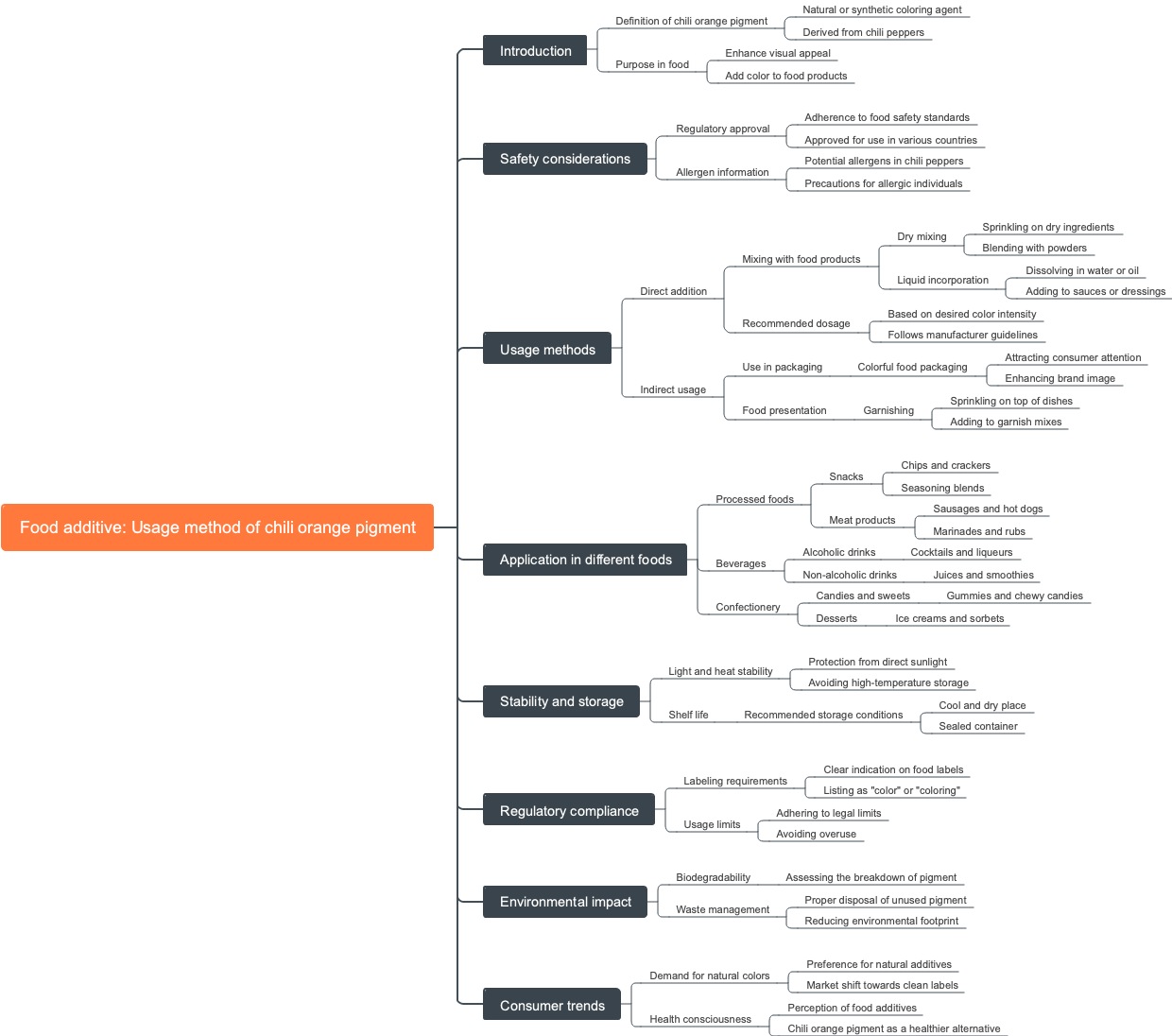
Food additive: Usage method of chili orange pigment
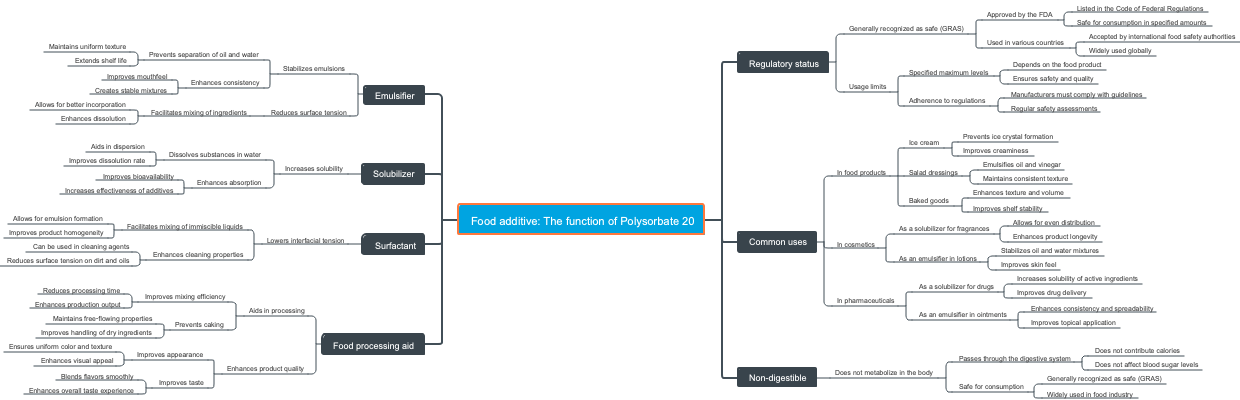
Food additive: The function of Polysorbate 20
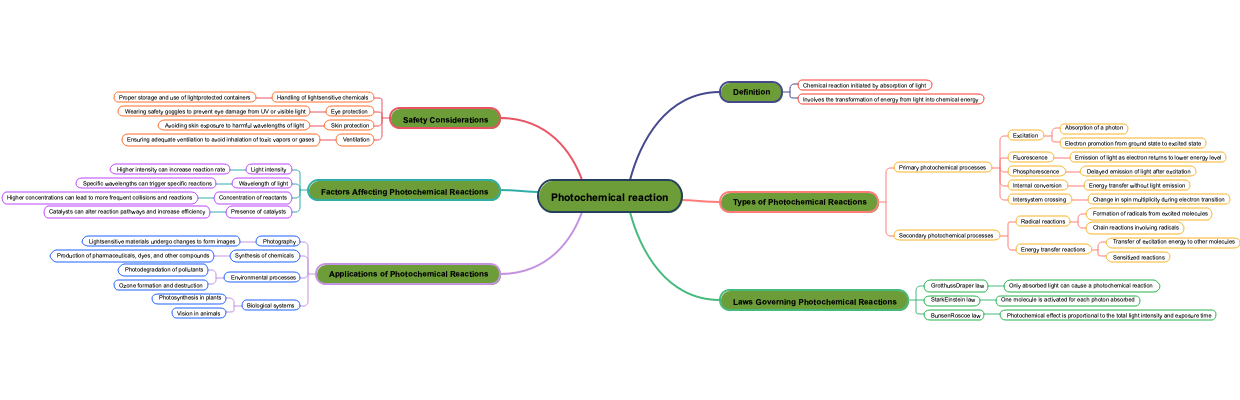
Photochemical reaction
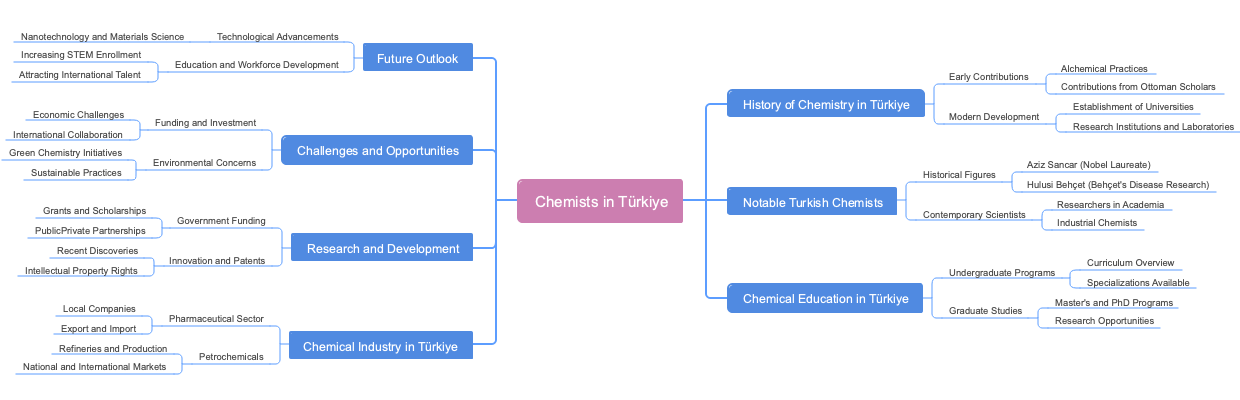
Chemists in Türkiye
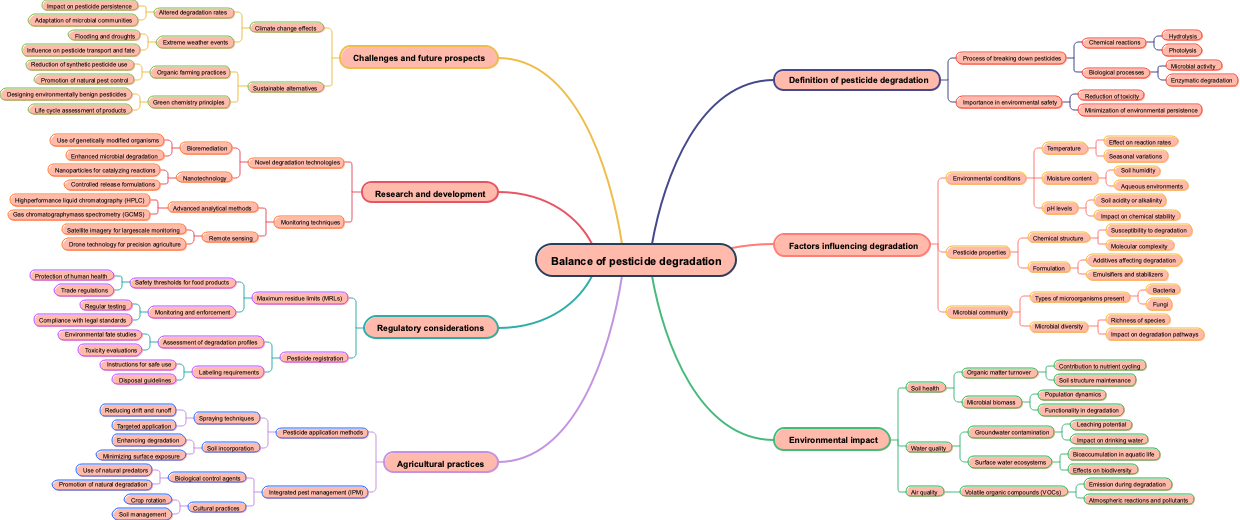
Balance of pesticide degradation
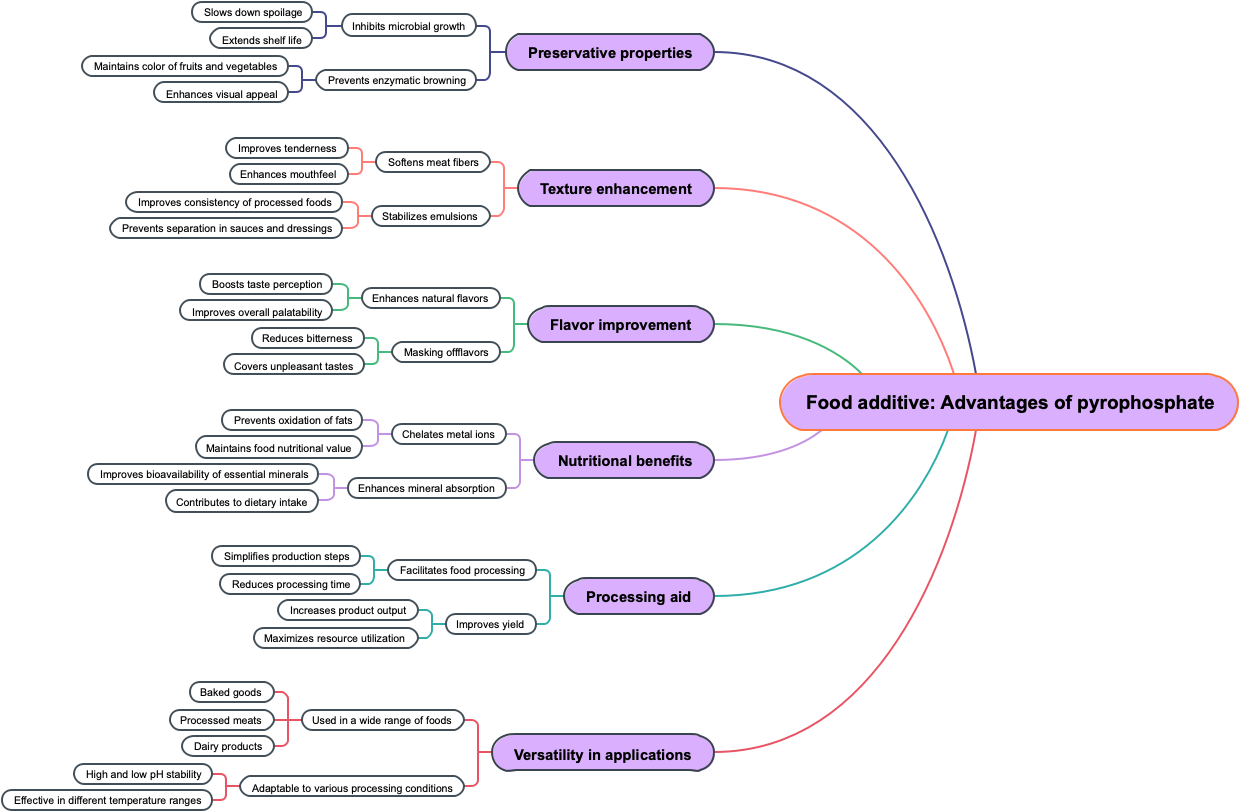
Food additive: Advantages of pyrophosphate
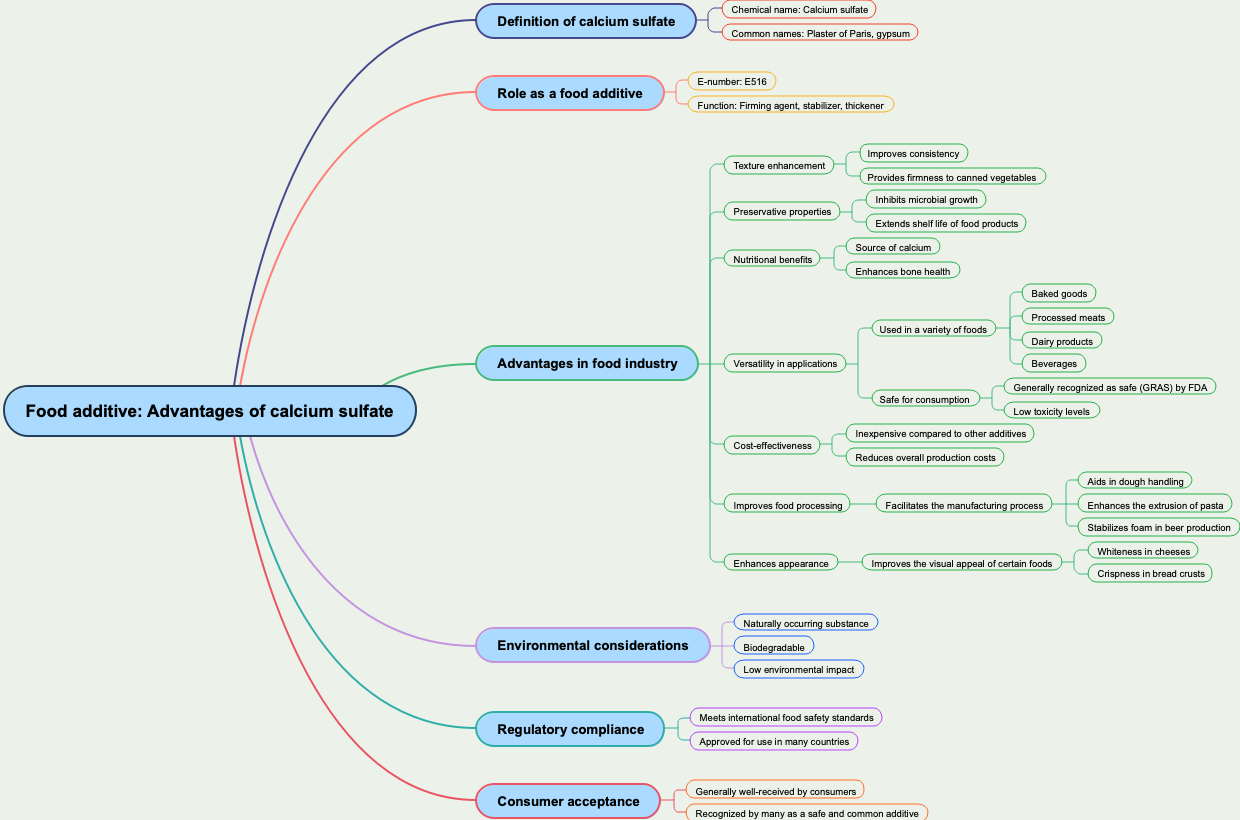
Food additive: Advantages of calcium sulfate
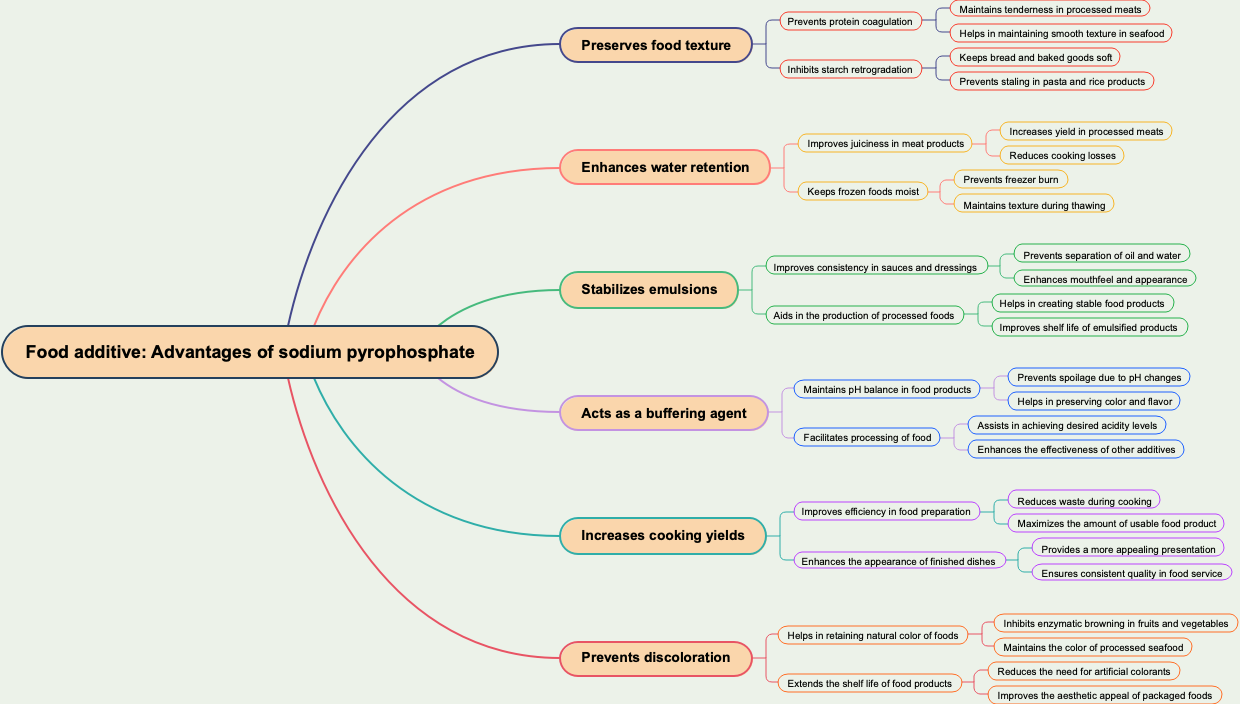
Food additive: Advantages of sodium pyrophosphate
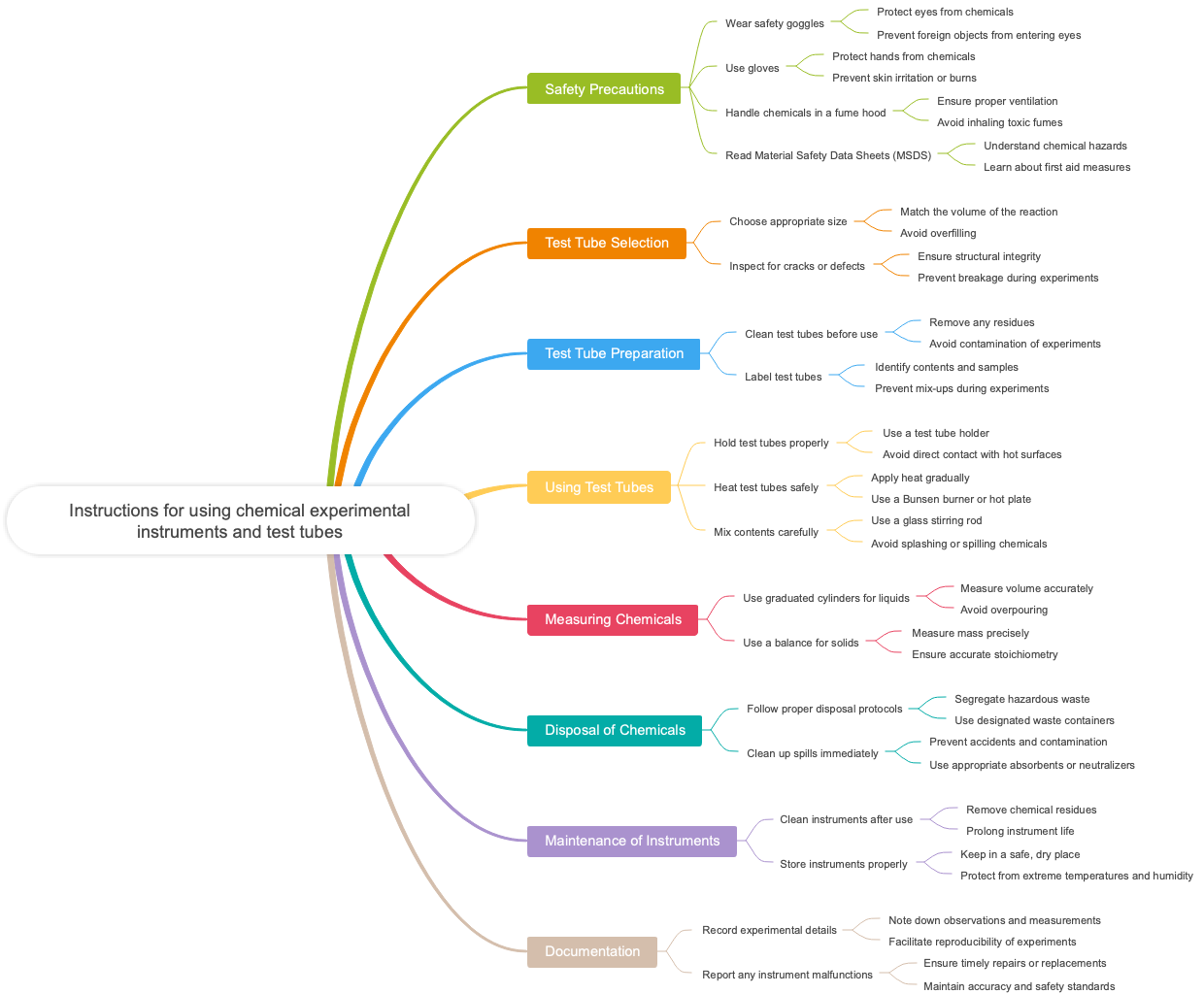
Instructions for using chemical experimental instruments and test tubes
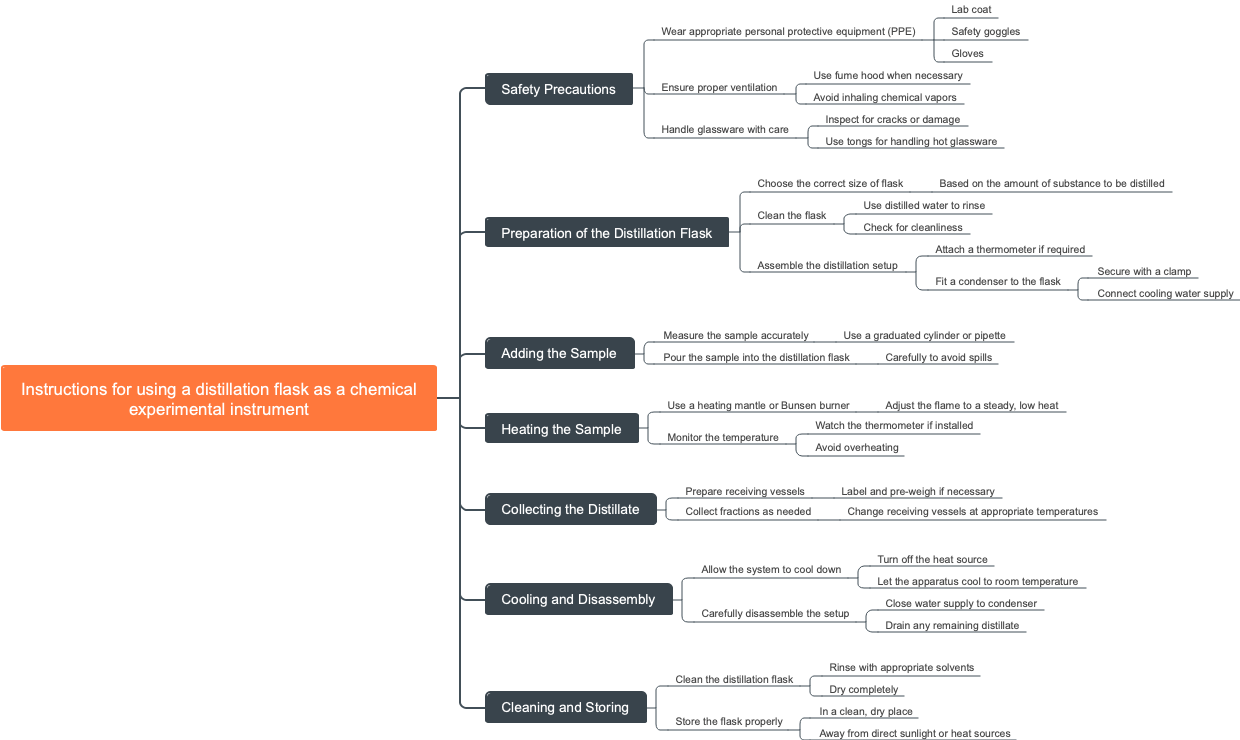
Instructions for using a distillation flask as a chemical experimental instrument
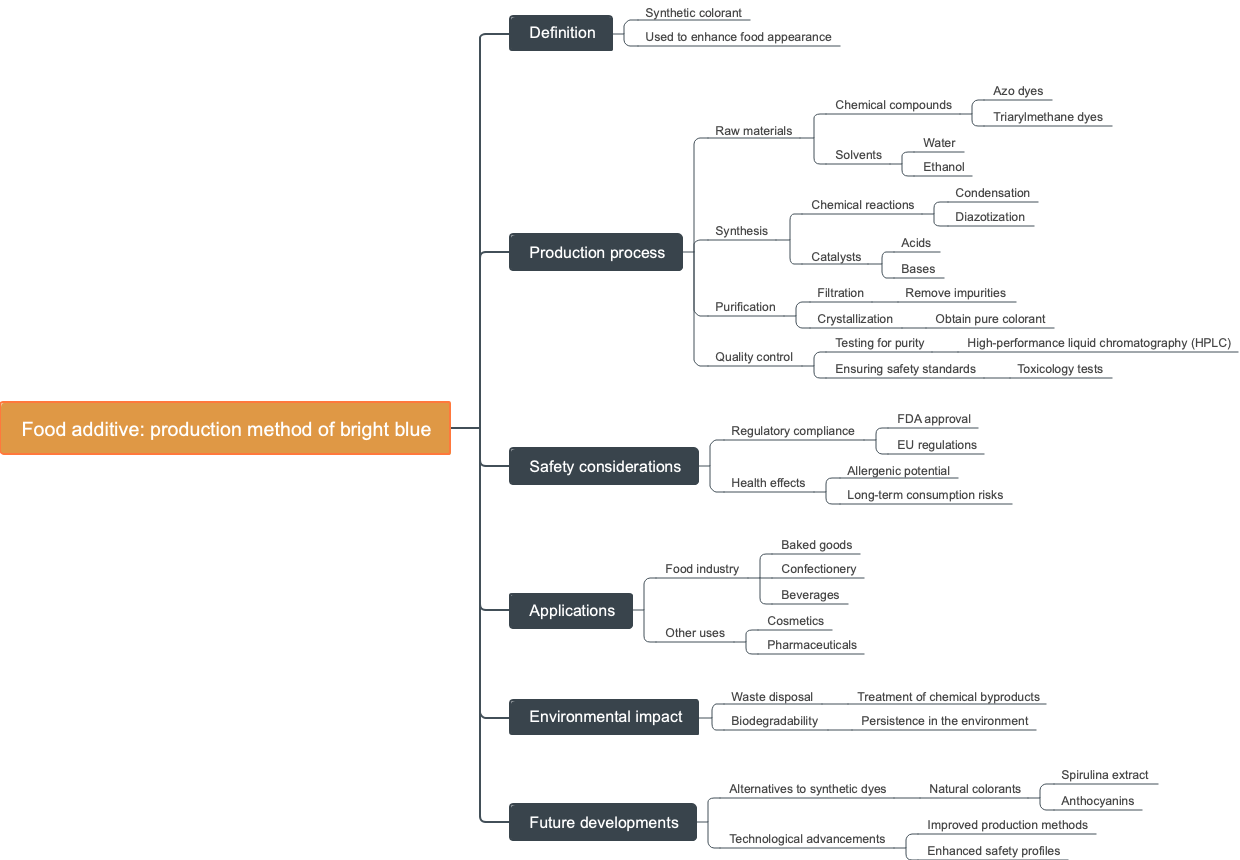
Food additive: production method of bright blue
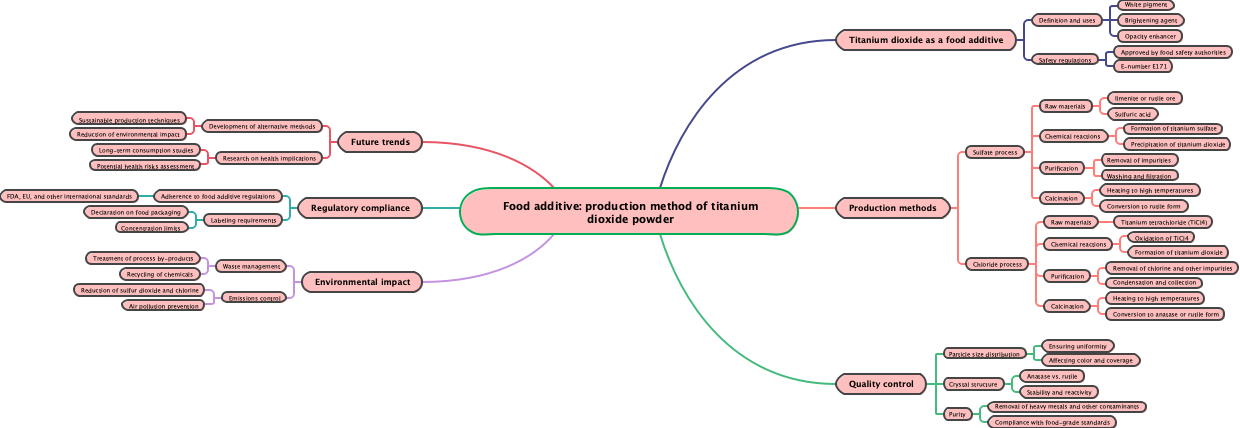
Food additive: production method of titanium dioxide powder
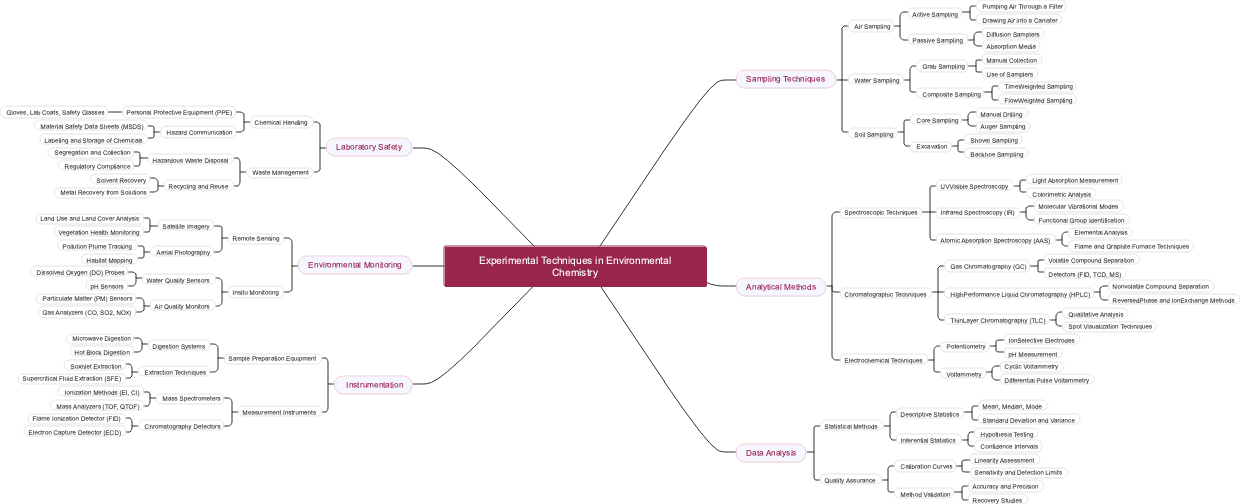
Experimental Techniques in Environmental Chemistry
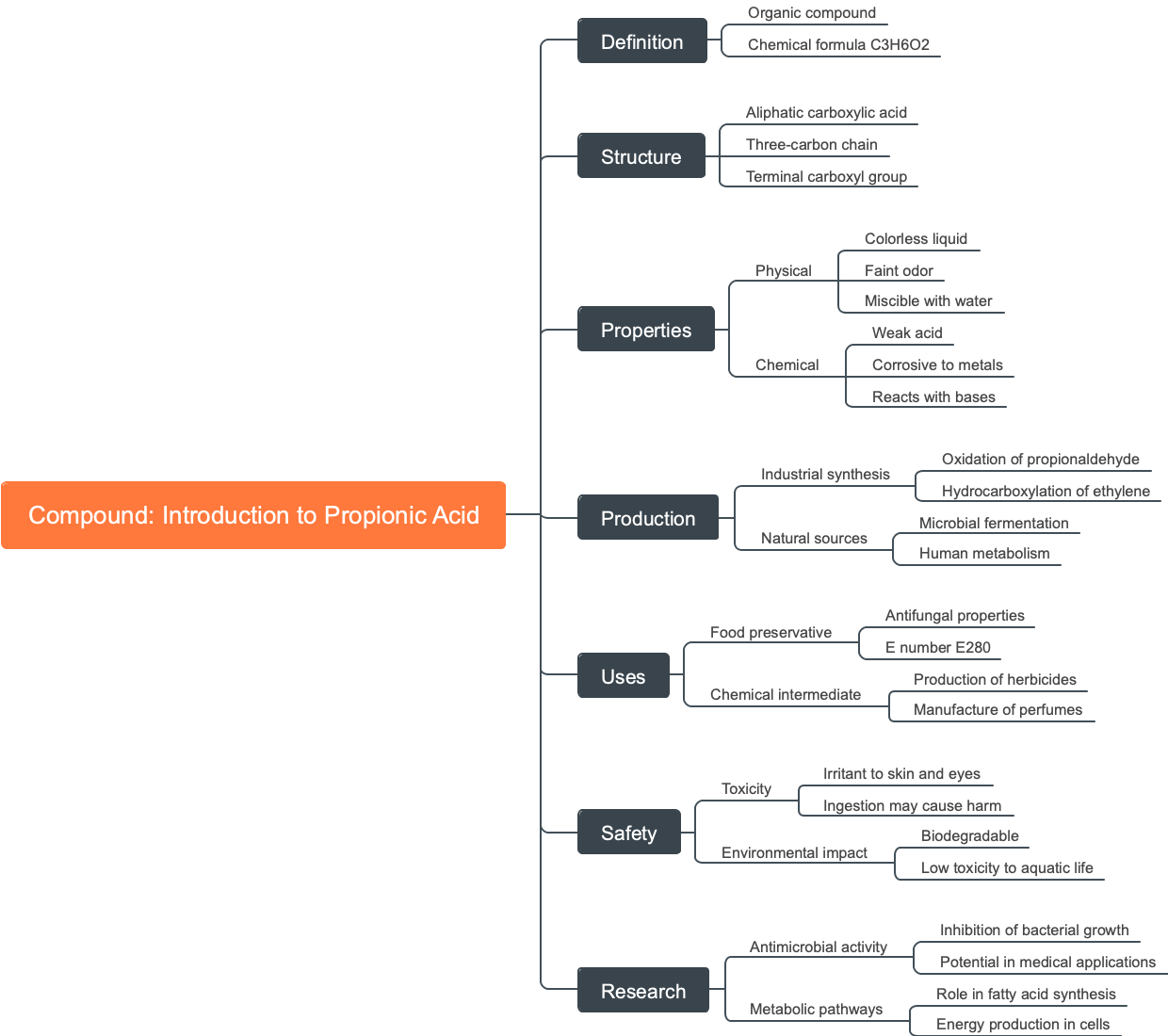
Compound: Introduction to Propionic Acid
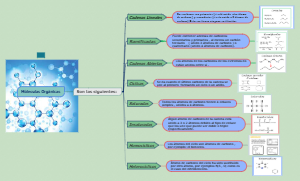
Moleculas Orgánicas: Estructura y Clasificación
Moleculas Orgánicas y sus Estructuras
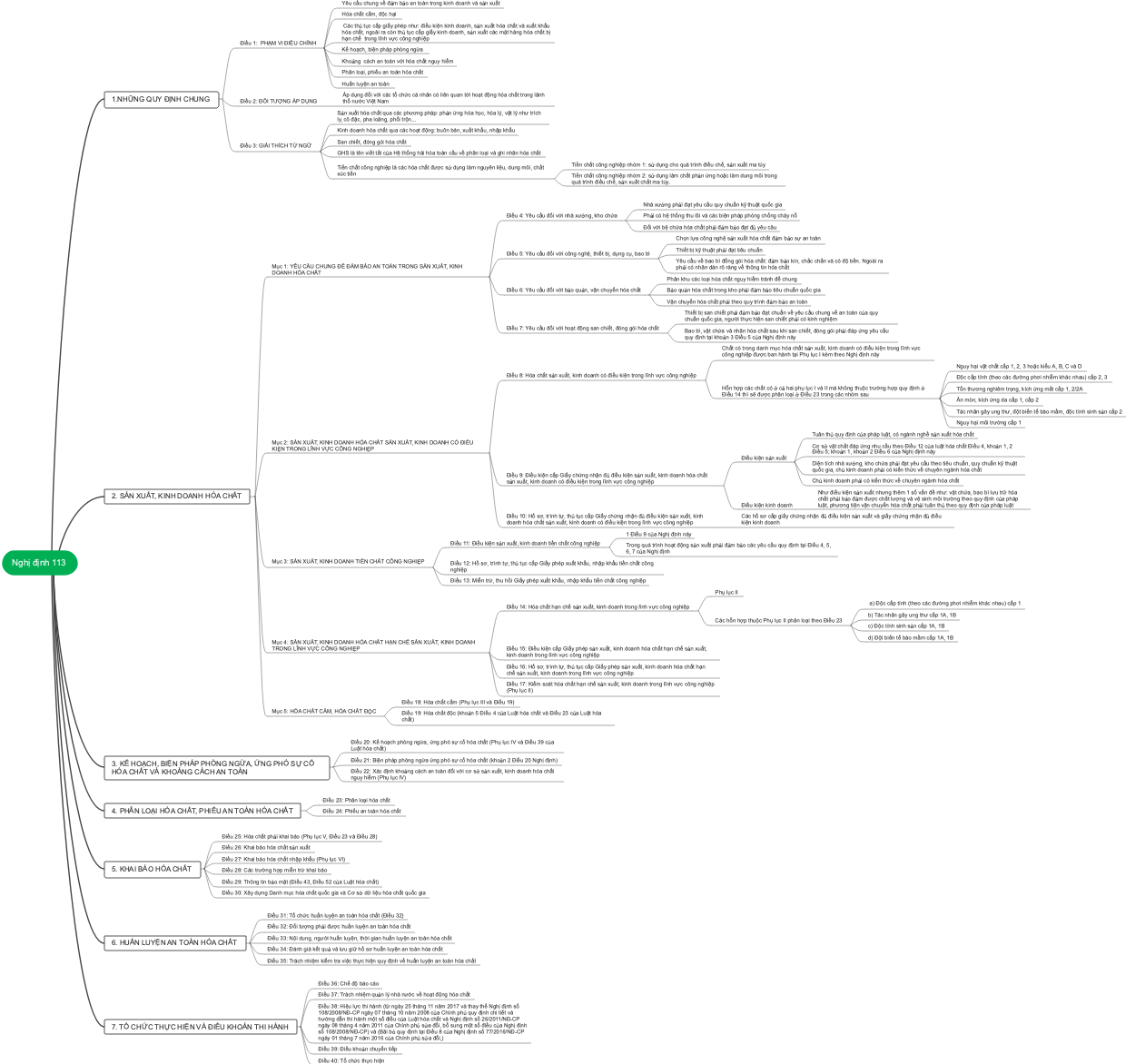
Nghi định 113
Dung Dịch Và Nồng Độ Của Dung Dịch
Hoá học Chương 1: Nguyên tử
NITÔ VÀ HỢP CHẤT CỦA NITÔ
液体制剂知识图谱
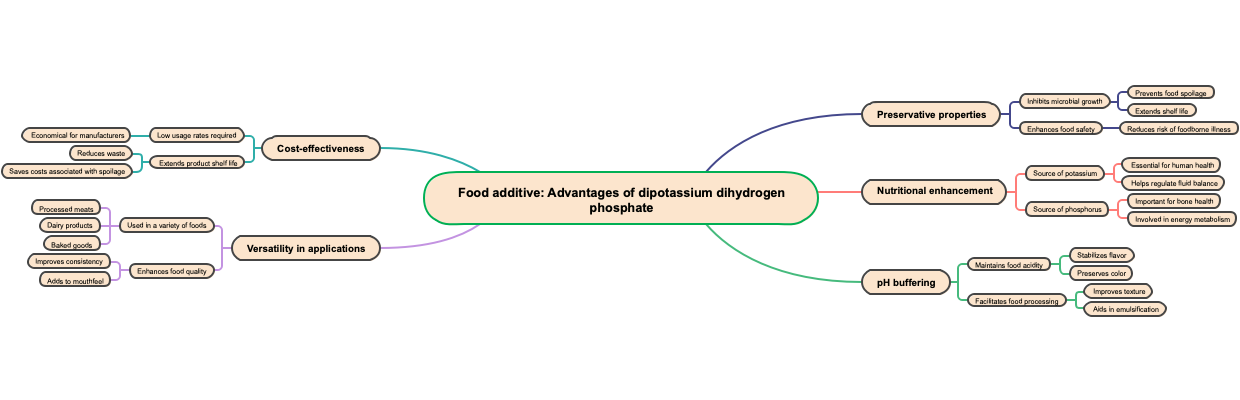
Food additive: Advantages of dipotassium dihydrogen phosphate
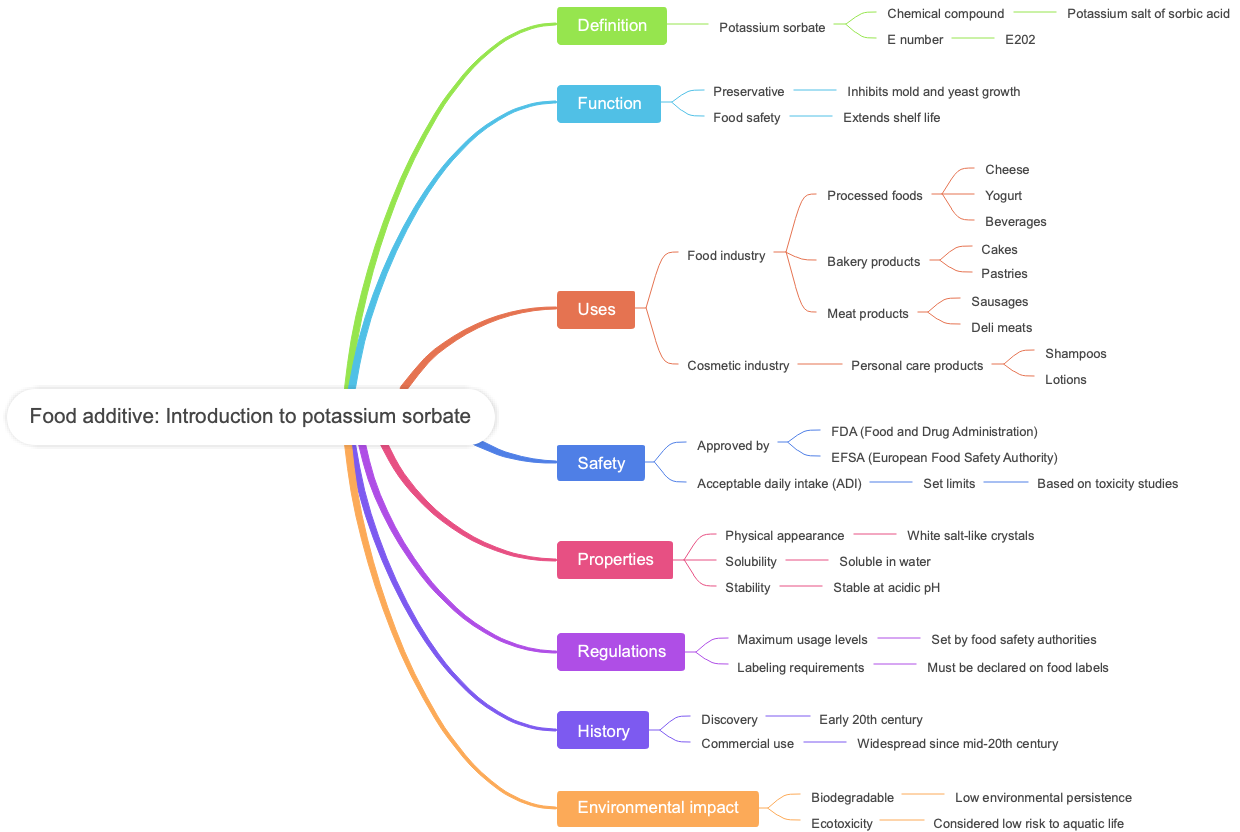
Food additive: Introduction to potassium sorbate
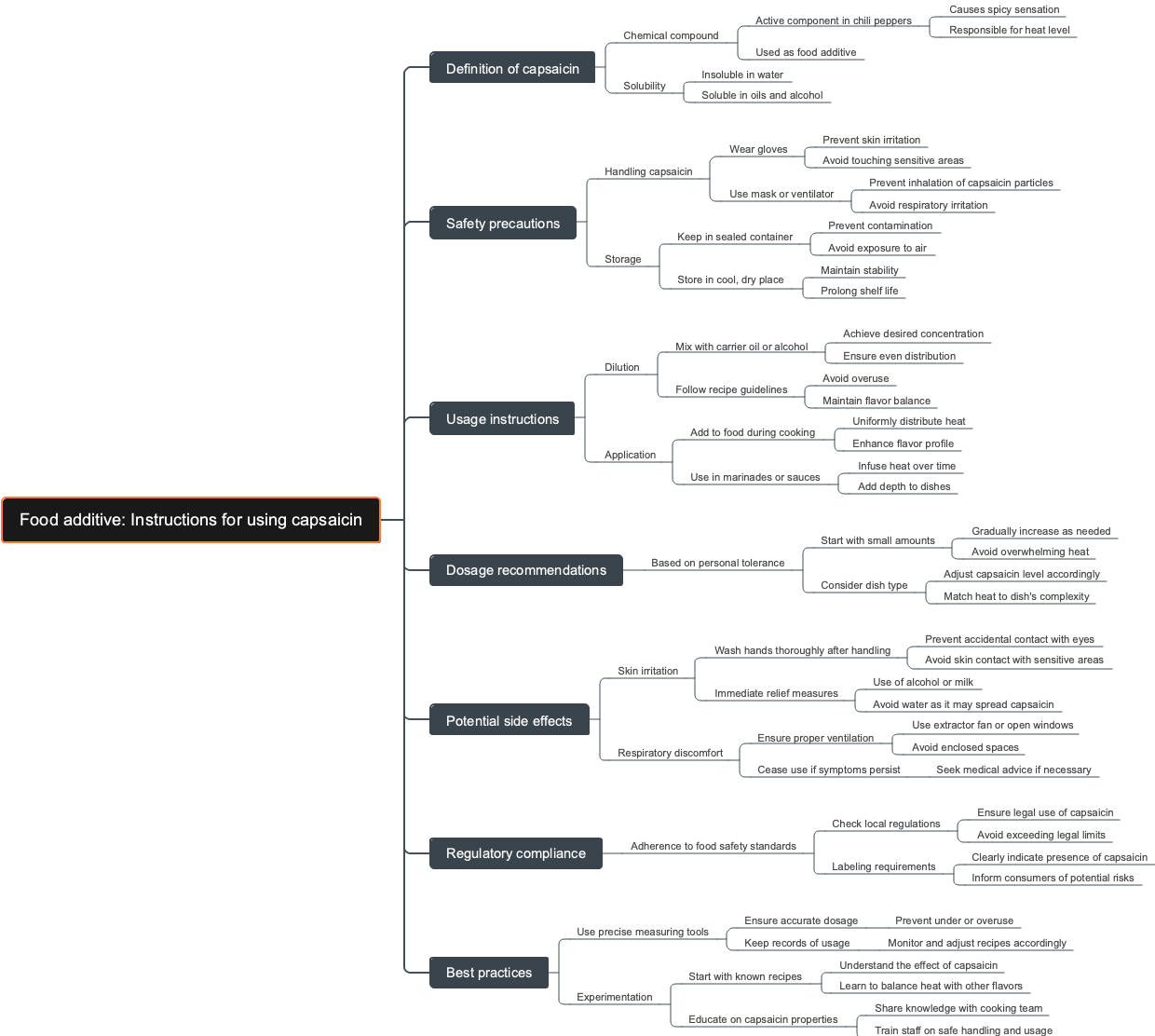
Food additive: Instructions for using capsaicin
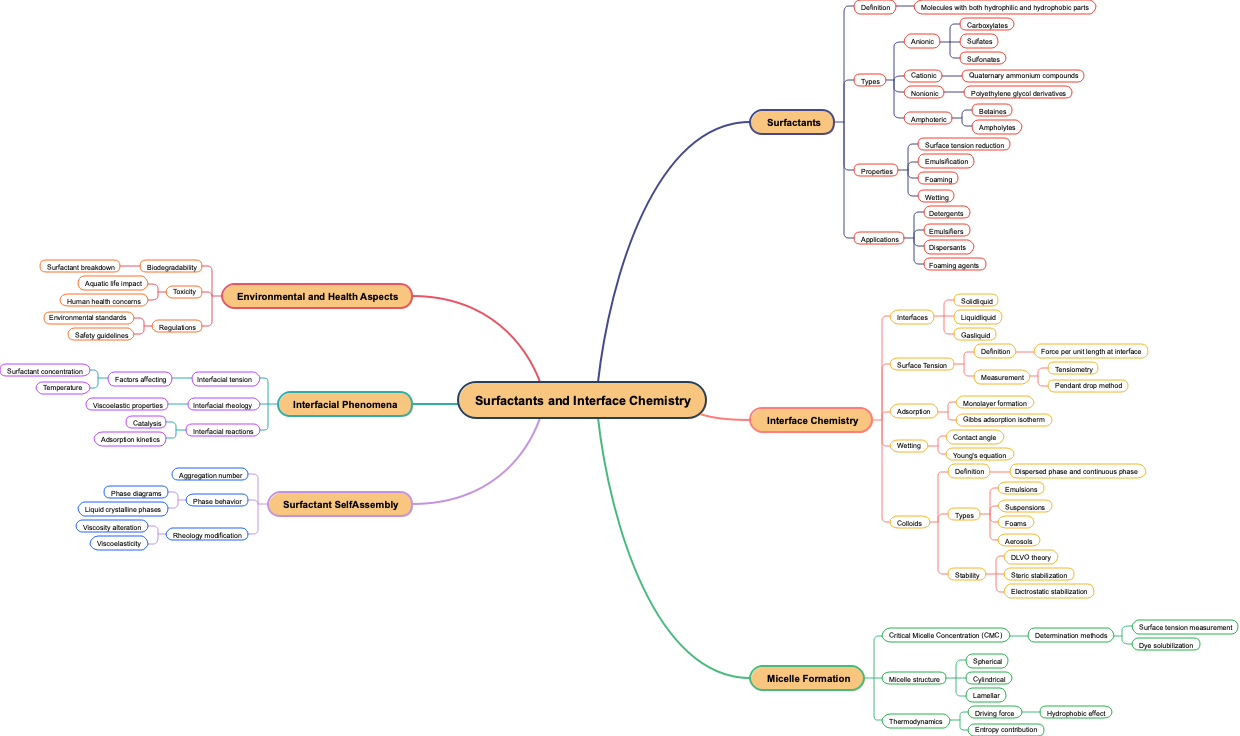
Surfactants and Interface Chemistry
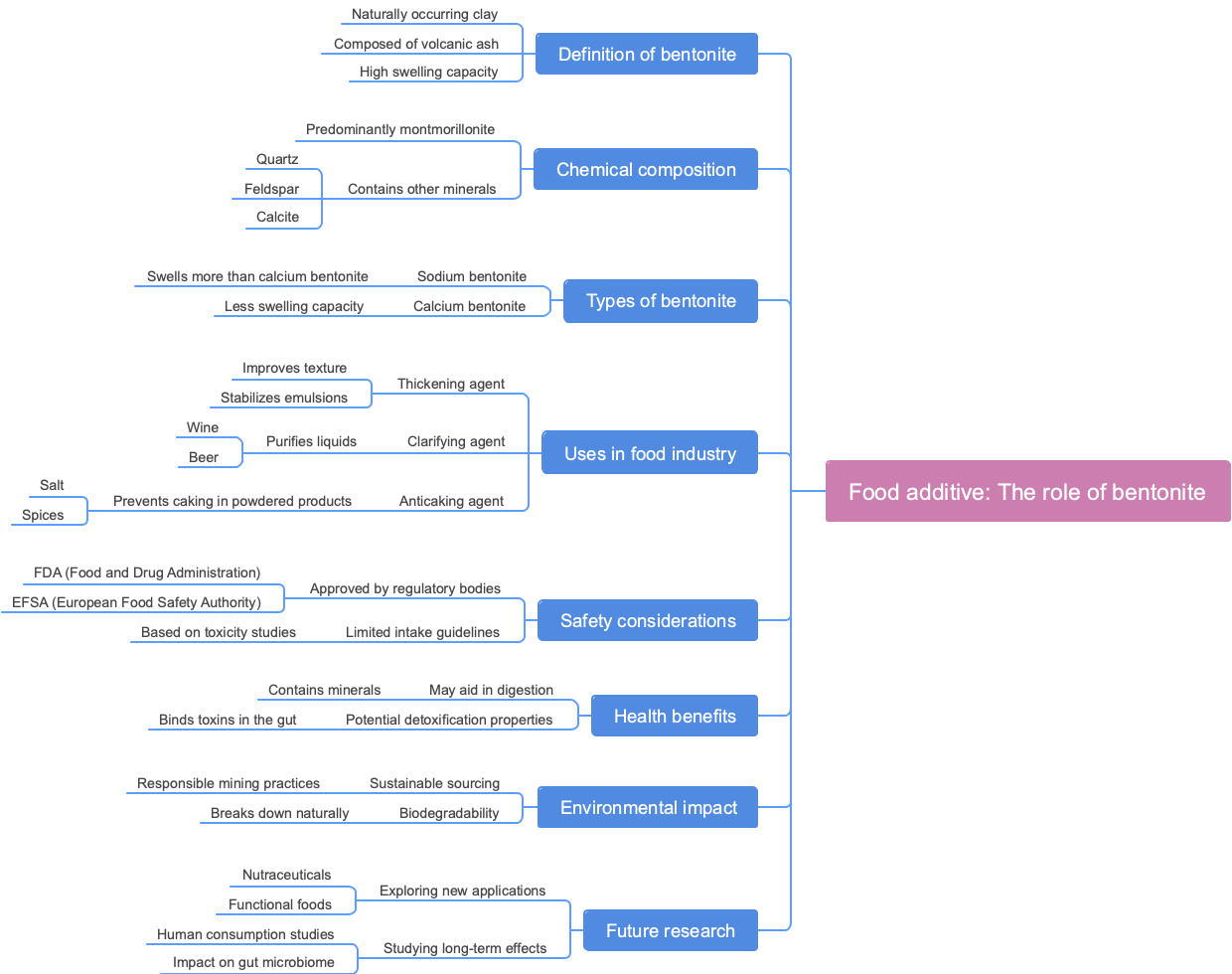
Food additive: The role of bentonite
Compound: Function of Polyamino Acids
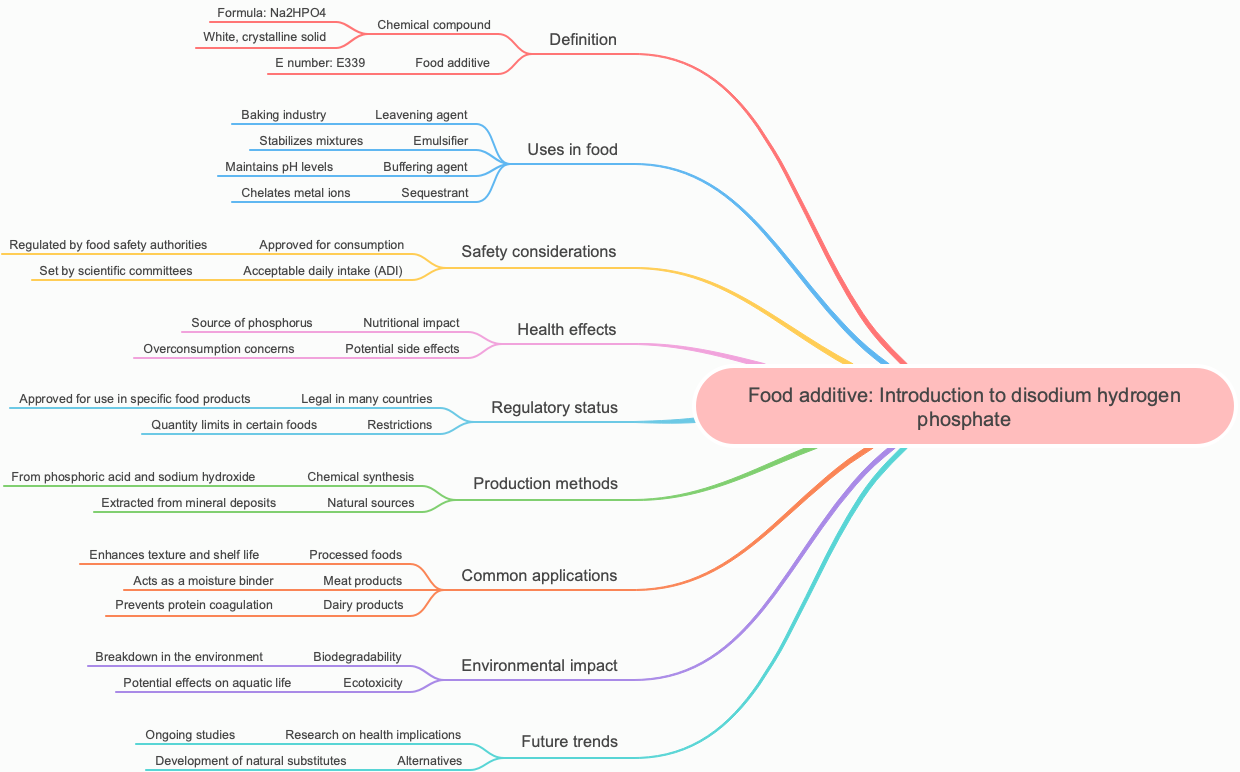
Food additive: Introduction to disodium hydrogen phosphate
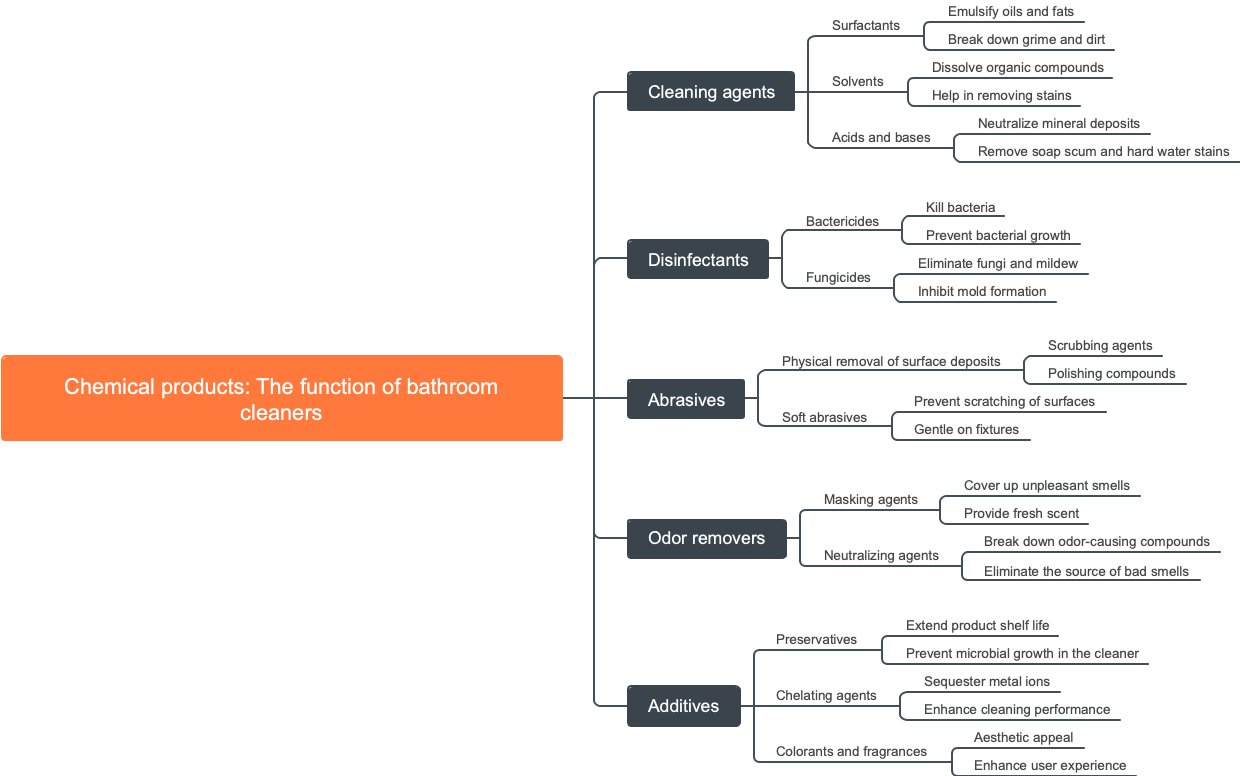
Chemical products: The function of bathroom cleaners
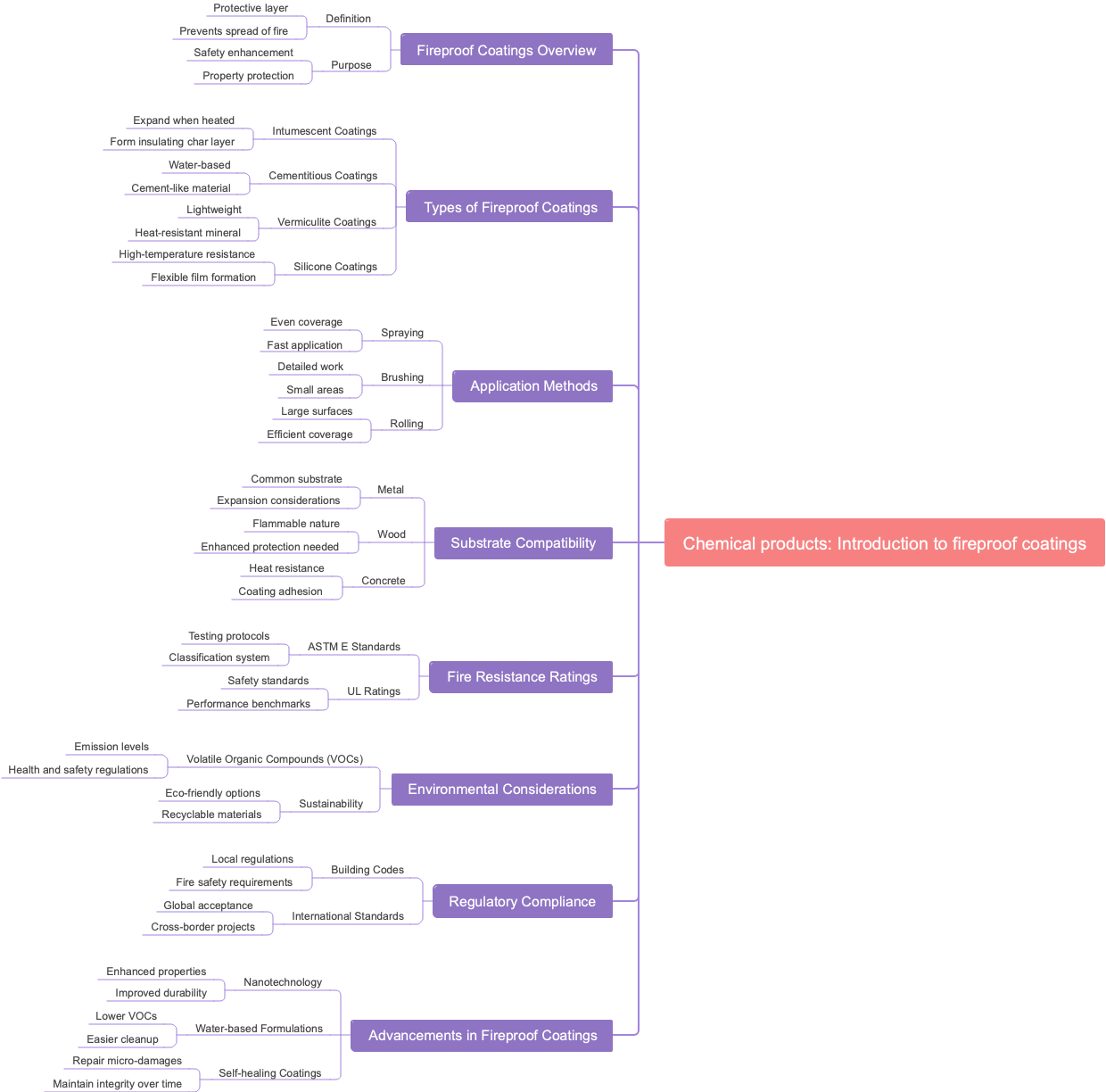
Chemical products: Introduction to fireproof coatings
Karbonati
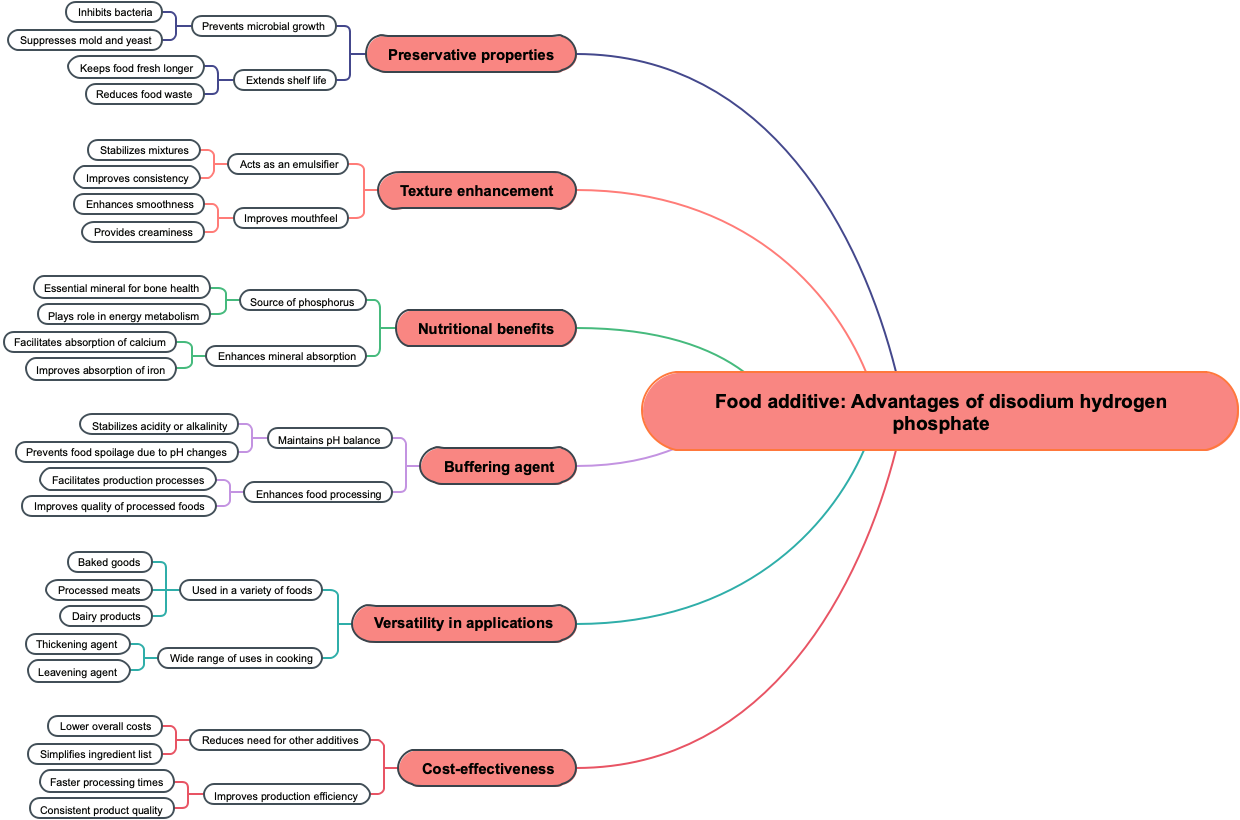
Food additive: Advantages of disodium hydrogen phosphate
Organic chemistry
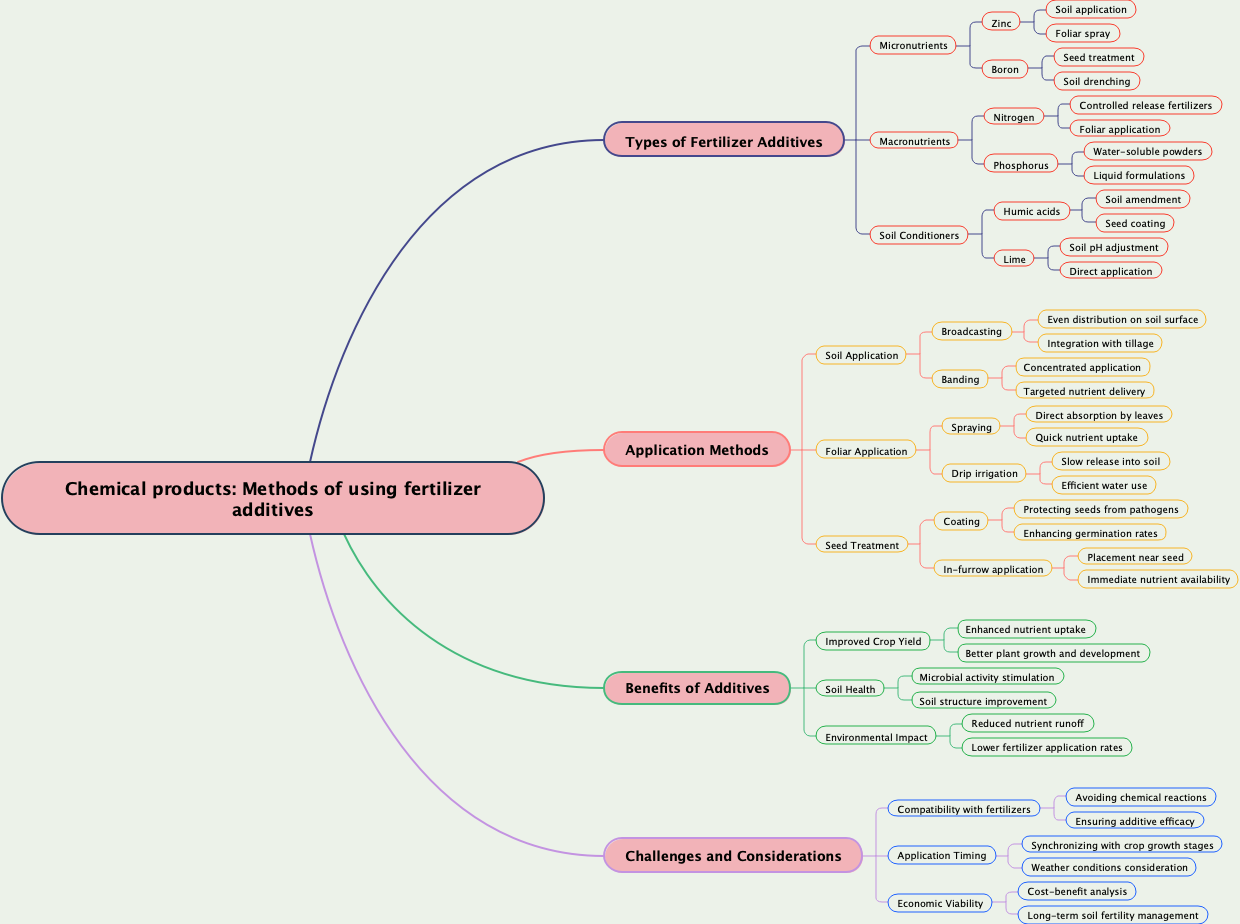
Chemical products: Methods of using fertilizer additives
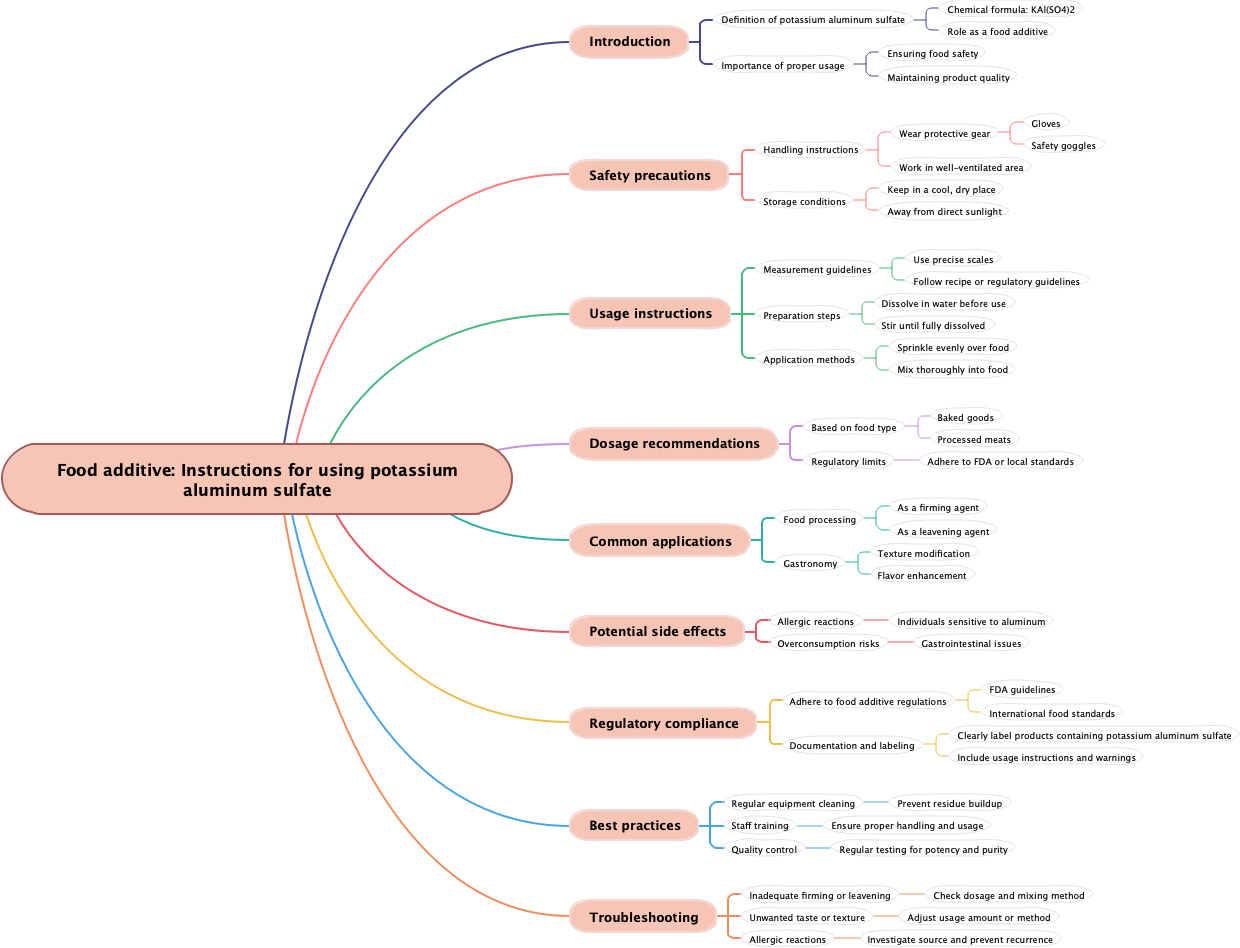
Food additive: Instructions for using potassium aluminum sulfate
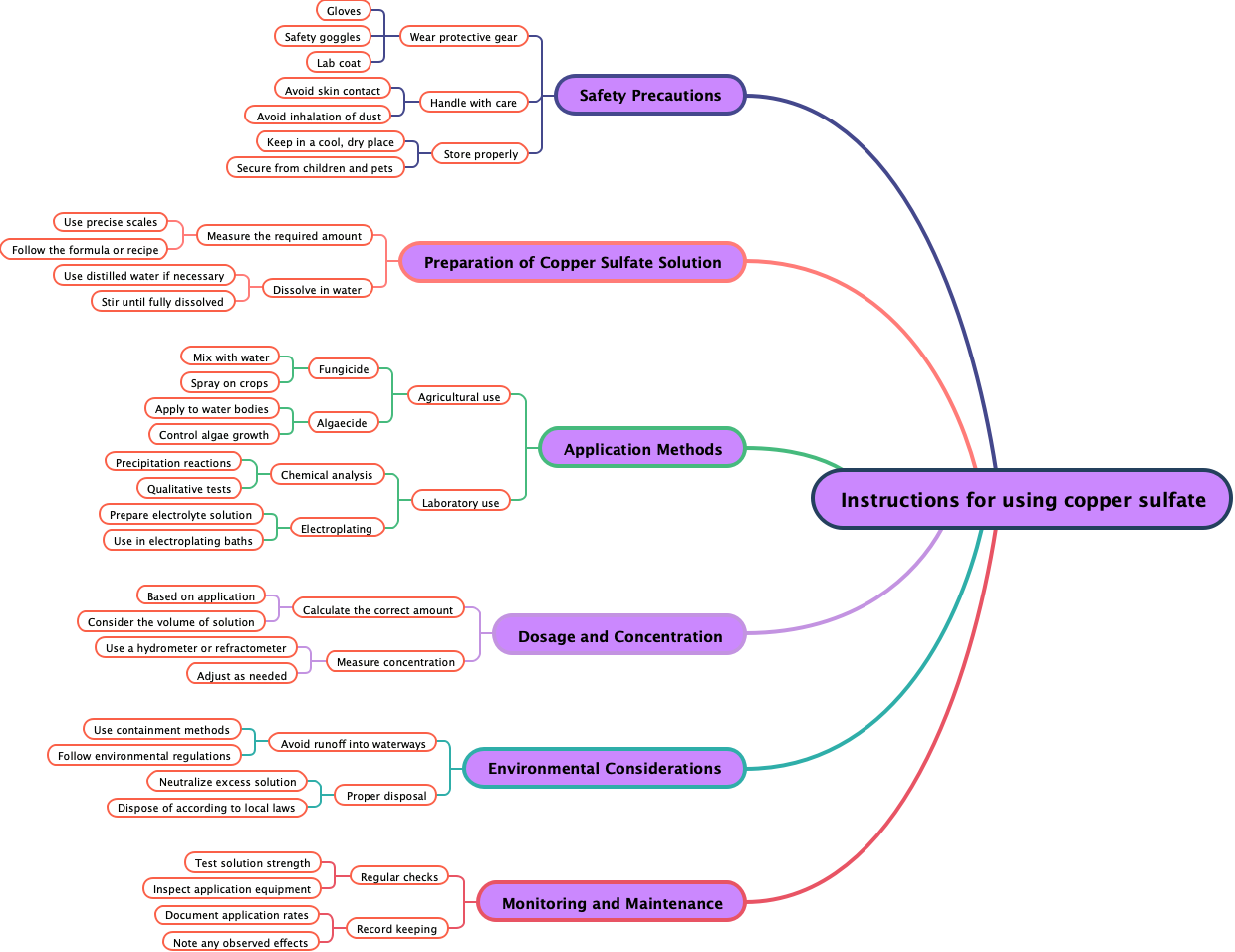
Instructions for using copper sulfate
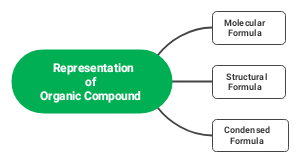
Representation of Organic Compounds
T1-C-AQ1 : Acides, Bases et pH - Concepts Clés et Modélisation
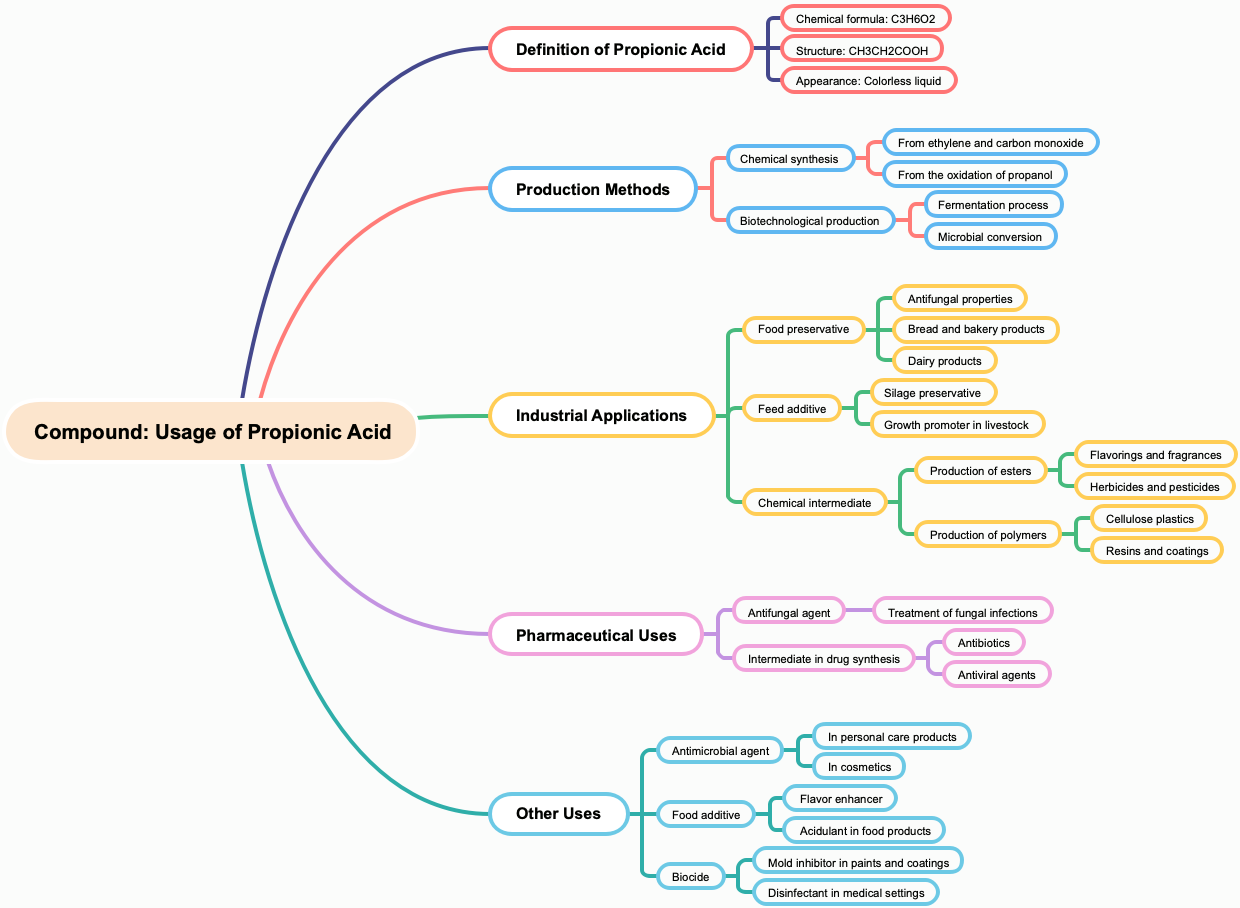
Compound: Usage of Propionic Acid
 Wondershare EdrawMind