 Wondershare EdrawMind
MindMap Gallery Chapter 2 Central Nervous System Drugs
- 93
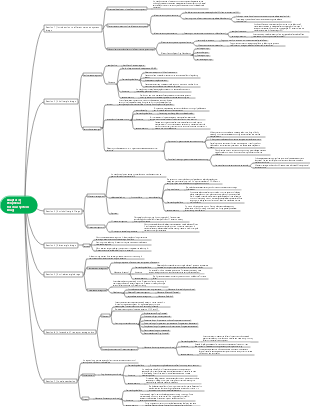
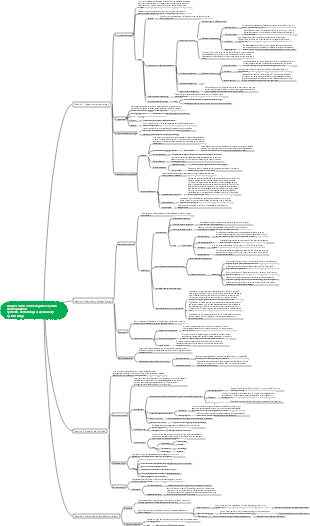
Chapter 2 Central Nervous System Drugs
Pharmacy major, drug technology mind map, drugs that act on the central nervous system mainly act by regulating the functional state of the central nervous system.
Edited at 2024-10-11 09:23:25
- Knowledge Map of Nezha 2 Analysis of Characters and Symbolic Elements
Dive into the world of the Chinese animated film Nezha 2: The Devil's Birth! This knowledge map, created with EdrawMind, provides a detailed analysis of main characters, symbolic elements, and their cultural significance, offering deep insights into the film's storytelling and design.
- Details of 《Nezha 2》
This is a mindmap about Nezha 2, exploring its political metaphors and cultural references. The diagram highlights the symbolism behind the Dragon Clan’s suppression, drawing parallels to modern geopolitical conflicts and propaganda manipulation. It also details Chinese historical and cultural elements embedded in the film, such as the Jade Void Palace, Ao Bing’s armor, Taiyi Zhenren’s magic weapon, and Nezha’s hairstyle.
- 《Nezha 2》Main character
This is a mindmap about the main characters of Nezha 2, detailing their backgrounds, conflicts, and symbolic meanings. It explores the personal struggles and transformations of Nezha, Ao Bing, Shen Gongbao, and Li Jing as they navigate themes of rebellion, duty, ambition, and sacrifice.
Chapter 2 Central Nervous System Drugs
- Knowledge Map of Nezha 2 Analysis of Characters and Symbolic Elements
Dive into the world of the Chinese animated film Nezha 2: The Devil's Birth! This knowledge map, created with EdrawMind, provides a detailed analysis of main characters, symbolic elements, and their cultural significance, offering deep insights into the film's storytelling and design.
- Details of 《Nezha 2》
This is a mindmap about Nezha 2, exploring its political metaphors and cultural references. The diagram highlights the symbolism behind the Dragon Clan’s suppression, drawing parallels to modern geopolitical conflicts and propaganda manipulation. It also details Chinese historical and cultural elements embedded in the film, such as the Jade Void Palace, Ao Bing’s armor, Taiyi Zhenren’s magic weapon, and Nezha’s hairstyle.
- 《Nezha 2》Main character
This is a mindmap about the main characters of Nezha 2, detailing their backgrounds, conflicts, and symbolic meanings. It explores the personal struggles and transformations of Nezha, Ao Bing, Shen Gongbao, and Li Jing as they navigate themes of rebellion, duty, ambition, and sacrifice.
- Recommended to you
- Outline



Chapter 5 Drugs Acting on the Digestive System, Respiratory System, Blood System and Urinary System
- 6
central nervous system drugs
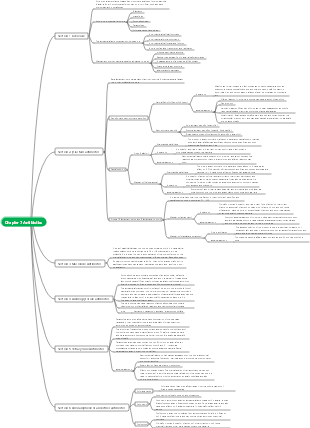
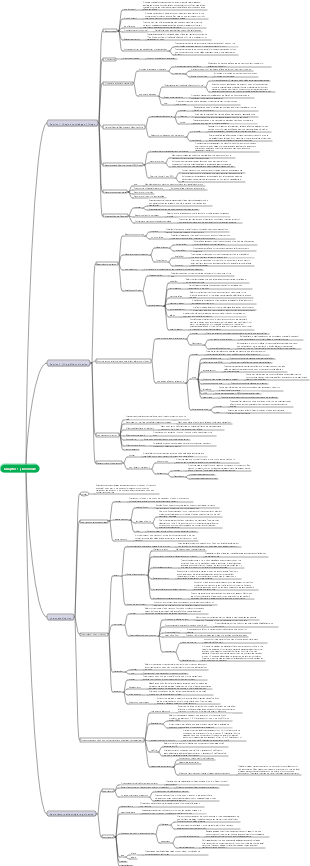
Drugs that act on the central nervous system mainly exert their effects by regulating the functional state of the central nervous system.
Section 1 | Sedative-hypnotics
barbiturates
concept
Barbiturates are derivatives of barbituric acid. Barbituric acid itself has no pharmacological effects and becomes active only when both hydrogen atoms at the C-5 position are replaced by hydroxyl groups.
Traits
It is usually white crystal or crystalline powder. It is relatively stable in the air when dry. It can sublimate after heating. It is generally slightly or very slightly soluble in water, and is easily soluble in organic solvents such as ethanol. Its sodium salt is easily soluble in water, but Insoluble in organic solutes.
Because the structure contains a cyclic urea structure and is hydrolyzable, it should be noted during preparation that the sodium salt of this type of drug is generally unstable and can be decomposed into ineffective substances when diluted, so it is generally made into powder for injection.
other
It has a selective inhibitory effect on the central nervous system, and the intensity of the effect is dose-dependent. As the dose increases, sedative-hypnotic, anti-convulsant, anti-epileptic, anesthesia, and paralysis occur in sequence. Excessive dosage can paralyze the medulla bulbar respiratory center and cause death.
adverse reactions
Mainly include after-effects (dizziness, drowsiness, drowsiness, listlessness and disorientation may occur the next morning), tolerance and dependence, and acute poisoning may occur when used in large doses.
Common medicines
Phenobarbital
It is clinically used for sedation, hypnosis, anti-convulsant, and anti-epilepsy. The effective time is 0.5 to 1 hour and the duration of action is 6 to 8 hours.
Amobarbital
It is clinically used as sedative, hypnotic, and anticonvulsant. The effective time is 0.25 to 0.5 hours, and the duration of action is 3 to 6 hours.
Secobarbital
When used clinically in combat situations, the anticonvulsant effect of hypnosis is 0.25 hours, and the duration of action is 2 to 3 hours.
Thiopental sodium
It is used clinically for intravenous anesthesia. The effective time is immediate and the action time is 0.25 hours.
Benzodiazepines
concept
This type of drug has a benzodiazepine core composed of a benzene ring and a seven-membered iminolactam ring.
Main clinical drugs
diazepam
Also known as diazepam, it is a white or off-white crystalline powder with no odor and slightly bitter melting point of 130~134°C. It is easily soluble in chloroform or acetone, soluble in ethanol, slightly soluble in ether, and almost insoluble in water.
chemical stability
Containing 1,4-benzodiazepine ring, it is weakly alkaline and soluble in strong acids such as hydrochloric acid.
Pharmacological effects
Anti-anxiety effect, sedative-hypnotic effect, anti-convulsant and anti-epileptic effect, central muscle relaxation effect.
Indications
Anxiety disorders, insomnia, epilepsy, convulsions.
adverse reactions
Continuous use may cause dizziness, drowsiness, fatigue, and memory loss. Long-term use may produce a certain degree of tolerance, and long-term use may also cause dependence. Overdose or intravenous injection too quickly can cause acute poisoning. If necessary, the benzodiazepine receptor antagonist formasinib can be used to rescue. It has teratogenic effects and is contraindicated in pregnant women, lactating women, patients with glaucoma, and myasthenia gravis.
Nitrazepam
Pharmacological effects
It has significant hypnotic effect, strong anti-epileptic and anti-convulsant effects, slow oral absorption and elimination, and easy accumulation after continuous use.
Indications
Various insomnia and epilepsy.
adverse reactions
It causes drowsiness, intoxication, dizziness, and some inhibition of respiration. Long-term use may cause mild addiction.
Clonazepam
Pharmacological effects
It has anti-epileptic and anti-convulsant effects, is effective quickly, and has a long-lasting effect. Long-term use may cause tolerance.
Indications
Various types of epilepsy, especially absence seizures, myoclonic seizures and atypical petit mal seizures.
adverse reactions
Drowsiness, dizziness, ataxia, behavioral disorders, abnormal excitement, nervousness, irritability (abnormal reactions), and muscle weakness.
Flurazepam
Oxazepam
Lorazepam
other
subtopic
Non-benzodiazepines
Chloral hydrate
It takes about 15 minutes after oral administration, and the onset of action can last for 6 to 8 hours, producing a similar physiological sleep without any sequelae. Large doses can produce antifungal effects and are mainly used clinically for refractory insomnia.
Taking it orally can cause irritation to the digestive tract and can cause nausea and vomiting. It needs to be diluted before taking. It is contraindicated in patients with gastritis and peptic ulcer. It can cause damage to the liver and kidneys. Long-term use can also cause tolerance and dependence.
Zolpidem
It is an imidazopyridine drug, a new type of hypnotic drug, and a second-class psychotropic drug.
It is absorbed quickly after oral administration, with a bioavailability of 70% and a half-life of approximately two hours.
It has sedative-hypnotic, anti-convulsant, anti-anxiety and muscle relaxing effects.
People who take it for a long time may develop dependence, and sudden withdrawal may cause withdrawal symptoms. It is contraindicated in children under 15 years old, and pregnant and lactating women.
Zopiclone
It is a pyrrolidone compound.
Acts rapidly and is more potent than benzodiazepines.
In addition to its sedative and hypnotic effects, it also has anti-anxiety, muscle relaxant and anti-convulsant effects. It is mainly used for insomnia caused by various reasons, especially for patients who cannot tolerate the sequelae.
Adverse effects are similar to those of zolpidem.
other
Introduction
Sedative-hypnotics are a class of drugs that can depress the central nervous system.
causes of insomnia
Physiological reasons, pathological reasons, mental and psychological reasons, and drug reasons.
Section 2 | Anti-epileptic drugs
Introduction to epilepsy
Epilepsy is a chronic brain disease characterized by transient central nervous system dysfunction caused by abnormal discharge of brain neurons and spreading to surrounding brain tissue. The clinical manifestations are sudden and repeated attacks of movement, sensory consciousness, and sudden seizures. , autonomic, neuropsychiatric and other aspects of abnormalities.
How antiepileptic drugs work
Directly inhibits the abnormal high-frequency discharge of focal neurons.
Acts on normal tissues around the lesion to prevent the spread of abnormal discharge from the lesion.
Commonly used anti-epileptic drugs
Phenytoin
chemical stability
It has a cyclic urea structure and can be decomposed into diphenylureidoacetic acid, diphenylureidoacetic acid and ammonia gas when heated with alkali.
Phenytoin sodium aqueous solution is alkaline, and because its acidity is weaker than carbonic acid, free phenytoin will precipitate out when absorbing carbon dioxide in the air, making it turbid.
Phenytoin sodium and its aqueous solution are both unstable and must be stored in sealed containers or prepared fresh, so powder injections are used clinically.
drug identification
Acid is added to the aqueous solution. After acidification, white phenytoin precipitates. The free phenytoin is converted into an ammonium salt solution in ammonia water. When exposed to silver nitrate reagent, a white silver salt precipitate can be produced.
Pharmacological effects
Anti-epileptic, anti-peripheral neuralgia, anti-arrhythmic.
Indications
It is often used as the drug of choice for major epileptic seizures. It is less effective for psychomotor seizures and localized seizures, but it is ineffective for minor seizures and can even worsen the condition. Intravenous injection can treat status epilepticus. Also associated with trigeminal neuralgia and glossopharyngeal neuralgia and ventricular arrhythmias caused by cardiac glycoside poisoning.
adverse reactions
It is highly alkaline. Oral administration can cause nausea, vomiting, abdominal pain, and loss of appetite. Intravenous injection can cause phlebitis. Long-term use can cause gum hyperplasia. Drug poisoning can cause nystagmus and diplopia, and severe cases of vertigo and ataxia can cause speech impairment, mental confusion, and even severe coma and lethargy. Due to the inhibition of dihydrofolate reductase, long-term use may cause folic acid absorption and metabolism disorders, leading to megaloblastic anemia. A few patients may develop rash, agranulocytosis, thrombocytopenia, aplastic anemia, liver damage, etc. Blood pressure should be checked regularly during medication. If routine and liver function tests are abnormal, the drug should be discontinued as soon as possible.
Phenobarbital
carbamazepine
Indications
Grand mal seizures, localized seizures, psychomotor seizures, treatment of trigeminal neuralgia and glossopharyngeal neuralgia.
adverse reactions
Common side effects include dizziness, drowsiness, fatigue, nausea, vomiting, occasionally granulocytopenia, reversible thrombocytopenia, and even aplastic anemia and toxic hepatitis. Occasionally allergic reactions, large doses can cause atrioventricular conduction resistance. stagnation.
sodium valproate
Indications
It is mostly used for patients with various types of epilepsy in whom other anti-epileptic drugs are ineffective, with small epilepsy being the best.
adverse reactions
Common side effects are gastrointestinal reactions, liver toxicity in a few patients, elevated serum alkaline alkaline enzyme, and elevated aminotransferase. Pregnant women should use it with caution.
Section 3 | Anti-Parkinson’s Disease Drugs
concept
Parkinson's disease, also known as palsy tremens, is a chronic progressive movement disorder outside the pyramidal state of the central nervous system. It may be related to insufficient dopaminergic nerve function in the substantia nigra-striatum and the relative dominance of cholinergic nerve function.
clinical manifestations
Progressive bradykinesia, myotonia, tremor, and loss of postural reflexes.
Commonly used clinical drugs
Dopamine-mimetic drugs (can increase dopamine levels in the brain)
Levodopamine
chemical stability
It has a catechol structure and strong reducing properties, and is easily oxidized by oxygen in the air. High temperature, light, alkali and heavy metal ions can accelerate its reaction.
Drug identification
It has a catechol structure and reacts with ferric chloride to produce a green color. Divide the solution into two parts. Add an excess of Shia solution to one part and it will appear purple. Add an excess of sodium hydroxide test solution to the other part and it will appear red. .
Pharmacological effects
Levodopa is the precursor substance for the internal synthesis of dopamine. It itself has no pharmacological activity. It enters the central nervous system through the blood-brain barrier and is converted into dopamine by the action of dopa decarboxylase to exert pharmacological effects.
Indications
Parkinson's disease is severe and liver dysfunction occurs.
adverse reactions
It is mainly caused by excessive dopamine produced by denitrification in peripheral tissues. Adverse reactions can be reduced if peripheral torpase inhibitors are taken at the same time. Levodopamine has many side effects.
early response
gastrointestinal reactions
It is related to dopamine stimulating the emetic chemoreceptive area in the medulla oblongata.
cardiovascular response
About 30% of patients may experience orthostatic hypotension at the beginning of treatment, which can be alleviated by continued medication. A few patients may develop arrhythmia, angina, and myocardial infarction, which are related to the peripheral effects of dopamine. Beta-receptor antagonists and propranolol can prevent this. Adverse cardiac effects.
long term reaction
involuntary abnormal movements
About 50% of patients develop abnormal involuntary movements within 2 to 4 months of treatment, which are more common in facial muscles. Patients with long-term medication, such as oral-tongue-cheek tics, may experience an "on-off" phenomenon.
Psychiatric symptoms
Anxiety, agitation, restlessness, insomnia, dreaminess, hallucinations, mania, etc. may occur, which may improve after reducing the dosage or stopping the medication.
Other reactions
Vitamin B6 is the prosthetic group of dopa decarboxylase, which can enhance the activity of peripheral dopa decarboxylase and accelerate the peripheral conversion of levodopa into dopamine, thereby reducing the efficacy of levodopa and aggravating adverse reactions, so it is not suitable to be used together.
It can cause Parkinson's syndrome and reduce the efficacy of levodopa with antipsychotics, so it should not be used in combination.
Levodopa is contraindicated in acute psychosis, epilepsy, severe neurasthenia, cardiovascular disease, hemolytic anemia, pregnant women, severe organic lesions or severe endocrine diseases.
capidoba
Indications
The combination of levodopa synergists and levodopa can make the latter enter the substantia nigra and striatum more and enhance the therapeutic effect.
adverse reactions
Try to use it in patients with severe endocrinology, heart, liver, kidney dysfunction, blood system diseases and mental illness.
Bromocriptine
Indications
Parkinson's disease.
adverse reactions
Dry mouth, nausea, vomiting, peptic ulcer bleeding, palpitations, arrhythmia, orthostatic hypotension, restlessness, hallucinations, diplopia, etc. Therefore, patients with ulcer disease, cardiovascular disease, and mental illness should use it with caution.
anticholinergic drugs
concept
By blocking central M-choline receptors, the excitatory effect of acetylcholine in the striatum can be weakened, so that the balance between dopamine and acetylcholine in the striatum can be corrected.
trihexyphenidyl
Procyclidine
Drug treatment for Parkinson's disease should be selected based on the patient's clinical manifestations, drug action characteristics, adverse reactions, individual patient differences, and economic conditions.
Section 4 | Drugs for treating mental disorders
antipsychotics
concept
It is mainly used for schizophrenia, but also has certain curative effects on other mental disorders.
Most of these drugs are dobartal receptor antagonists, which usually act on the central nervous system to control excitement, agitation, anxiety, restlessness, and eliminate fantasies without affecting consciousness.
Main clinical drugs
Thiazides (Chlorpromazine)
Thioxanthene (chlorprothixol)
Benzodiazepines (clozapine)
Butyrophenones (haloperidol)
Other categories
Chlorpromazine Hydrochloride
chemical stability
It has a thiazine ring, is unstable, and is easily oxidized and deteriorated.
Drug identification
The phenothiazine ring in the structure is easily oxidized and deteriorated and becomes colored. When the aqueous solution is exposed to nitric acid, it can be oxidized and turn red gradually into yellow. It reacts with ferric chloride test solution to produce a stable red color.
Pharmacological effects
Antipsychotic effects, antiemetic effects, effects on thermoregulation.
Indications
Schizophrenia, vomiting and intractable hiccups, artificial hibernation, hypothermic anesthesia.
adverse reactions
General adverse reactions
Symptoms include lethargy, apathy, fatigue, blurred vision, dry mouth and no sweat, no sweat, constipation, and palpitations.
Orthostatic hypotension.
conical reaction
Including parkinsonism, akathisia, and acute dystonia.
allergic reaction
Common rashes, contact dermatitis and photosensitivity.
Endocrine system response.
Acute poisoning.
Anti-anxiety and antidepressants
concept
It is a type of drug used to eliminate anxiety symptoms in neurological functions. It can stabilize the mood of mental patients, reduce anxiety and tension, and improve sleep.
Depression is an affective disorder and a mental illness, mainly characterized by low mood, reduced speech, slow movement, often self-blame, and suicidal tendencies.
Common clinical drugs
Imipramine
Indications
After taking it, patients with depression show extremely high mood, anxiety, and reduced mood, resulting in depressive and antidepressant effects. Generally, the effect will take effect after continuous use for 2 to 3 weeks, and it cannot be used as an emergency treatment.
adverse reactions
Anticholinergic and cardiovascular effects cause dry mouth, constipation, mydriasis, increased intraocular pressure, urinary retention, palpitations, orthostasis, sexual hypotension, arrhythmia, etc.
clomipramine
Indications
It has antidepressant effects, as well as anti-anxiety and sedative effects.
adverse reactions
Anticholinergic reactions such as excessive sweating, dry mouth, blurred vision, difficulty urinating, constipation, etc. Adverse reactions to the central nervous system may include drowsiness and dizziness.
Amitriptyline
Indications
Its antidepressant effect is similar to that of imipramine, which can improve the mood of patients with depression and improve symptoms such as slow thinking, slow movement and lack of appetite. It is suitable for treating various types of depression or depressive states, and is also used to treat enuresis in children.
adverse reactions
Anticholinergic reactions such as sweating, dry mouth, blurred vision, difficulty urinating, and constipation may occur in the early stages of treatment.
doxepin
Indications
The antidepressant effect is weaker than that of imipramine, and it has a certain anti-anxiety effect. The anticholinergic effect is weak. It is often used to treat anxiety depression or neurotic depression, and can also be used for sedation and hypnosis.
adverse reactions
There are few adverse reactions. A few patients have mild excitement, insomnia, dry mouth, constipation, blurred vision, etc.
Section 5|Analgesics
concept
It is a type of drug that acts on the central nervous system to selectively eliminate or relieve pain without affecting consciousness and other senses (touch, vision, hearing).
Opiate alkaloid analgesics
Morphine hydrochloride
chemical stability
It contains acidic phenolic hydroxyl group and basic tertiary amine group. It is an acid-base amphoteric drug and is soluble in inorganic acid or alkali.
Drug identification
The hydrostatic solution containing phenolic hydroxyl groups turns blue when exposed to neutral ferric chloride solution.
The reaction between benzene ring and formaldehyde sulfuric acid test solution turns blue-purple (Marquis reaction).
This product reacts with lithium molybdenum sulfuric acid to turn purple, then blue, and finally green (Frohde reaction).
Pharmacological effects
central role
Labor pain and euphoria effects.
Inhibits the respiratory center.
Antitussive effect.
Miotic effect.
peripheral effects
Cardiovascular system effects.
Exciting visceral smooth muscle.
Indications
Acute sharp pain, cardiogenic asthma.
adverse reactions
In therapeutic doses, it can cause drowsiness, dizziness, respiratory depression, nausea, vomiting, constipation, difficulty urinating and orthostatic hypotension, which can lead to tolerance and dependence. Excessive use can cause acute poisoning, manifesting as coma, pinpoint pupils, and respiratory distress. Deep suppression.
Agonist drugs
codeine
Pharmacological characteristics
It is slightly effective in combating coughs and is mainly used as an antitussive.
Ethylmorphine
hydromorphone
Pharmacological characteristics
The effect is 3 to 5 times that of morphine.
dihydroetorphine
Pharmacological characteristics
The analgesic effect is 400 times that of morphine.
partial agonist
Buprenorphine
Pharmacological characteristics
It is used for the analgesia of moderate and severe pain, as well as auxiliary anesthesia and withdrawal treatment.
Antagonist
Naloxone
Pharmacological characteristics
Opioid receptor antagonists are used to relieve opioid poisoning.
synthetic analgesics
concept
Semi-synthetic derivatives of morphine still have morphine-like side effects to varying degrees, and are based on morphine, with limited plant sources.
drug type
Morphinans (butorphanol)
Functional characteristics
Partial opioid receptor agonists have low addictive properties and are currently managed as Class II psychotropic drugs in my country.
Indications
It is suitable for relieving moderate to severe pain, such as postoperative pain, trauma, cancer, renal or biliary colic, etc. It can also be used for pre-anesthetic medication.
Benzomorphans (Pentazocine)
Functional characteristics
It is a partial inhibitor of opioid receptors. Its analgesic intensity is 1/3 of morphine, and its respiratory depressant effect is 1/2 of morphine. It has low addictiveness and is currently managed as a Class II psychotropic drug in my country.
Indications
Suitable for analgesia for various surgical anesthesia.
Piperidines (pethidine)
Functional characteristics
Opioid receptor agonists have similar effects to morphine, and their analgesic intensity is equivalent to 1/10 of morphine.
Indications
It is suitable for all kinds of severe pain, artificial hibernation, cardiogenic asthma and auxiliary medication for anesthesia.
Aminoketones (Methadone)
Functional characteristics
Opioid receptor agonists, their racemates are used medicinally, and their efficacy is similar to that of morphine.
Indications
It is suitable for all kinds of severe pain and can also be used as an alternative treatment for opioid addiction.
pethidine hydrochloride
chemical stability
The aqueous solution of this product is acidic, has lipid properties and is easily hydrolyzed. It is most stable at pH=4.0 and can be boiled and sterilized in a short time without being destroyed.
Drug identification
It reacts with formaldehyde sulfuric acid reagent and turns red. It reacts with picric acid to form an insoluble picric acid salt precipitate with a melting point of 188-191°C.
Pharmacological effects
Analgesic, sedative, inhibits respiratory and cardiovascular systems, excites visceral smooth muscles.
Indications
All kinds of sharp pain, cardiac asthma, pre-anesthetic medication, artificial hibernation.
adverse reactions
The adverse reactions caused by therapeutic doses are similar to those of morphine, such as dizziness, nausea, vomiting, dry mouth, sweating, palpitations, orthostatic hypotension, etc. Continuous use of the drug can cause addiction, and excessive dosage can cause respiratory depression, tremor, Muscle spasms, hyperreflexia and even convulsions. In addition to opioid receptor antagonists, anticonvulsants, such as diazepam, can be used in conjunction with poisoning rescue. Contraindications are the same as for morphine.
methadone hydrochloride
chemical stability
The aqueous solution of this product will cause a decomposition reaction when exposed to light. The solution will turn brown and the optical rotation will decrease. Therefore, it should be stored away from light.
Drug identification
This product can interact with common alkaloid reagents, such as picric acid to produce precipitation, and methyl orange methyl orange reagent to produce yellow precipitation.
Pharmacological effects
This product is an opioid receptor automatic drug with an analgesic effect that is as long-lasting as that of morphine. It has a weak sedative effect, a slower onset of tolerance and addiction, and slightly milder withdrawal symptoms.
Indications
It is suitable for detoxification treatment of severe pain caused by traumatic surgery and advanced cancer, and opioid addiction.
adverse reactions
It usually causes headache, dizziness, nausea, sweating, drowsiness but mild, and has an inhibitory effect on fetal breathing. Therefore, it is contraindicated for pregnant women with respiratory center dysfunction and young children before delivery. This product is not suitable for intravenous injection.
Section 6 | Central Stimulants
concept
CNS drugs are a class of drugs that can enhance the functional activity of the central nervous system.
Classified according to different parts of action
Drugs that mainly excite the cerebral cortex, such as caffeine and methylphenidate.
Drugs that mainly stimulate the medulla oblongata respiratory center, such as nixamib, lobelin, etc.
Drugs that promote the recovery of brain function, such as biracetam, meclofenac, etc.
Commonly used medicines
caffeine
Indications
It is mainly used for central respiratory and circulatory failure caused by serious infectious diseases, and against central depression caused by drug poisoning (ethanol, hypnotics and antihistamines). Caffeine is often used in combination with antipyretic and analgesic drugs for general use. Headache, combined with ergotamine for migraine.
adverse reactions
Overdose is rare and may cause headache, palpitations, insomnia, hyperreflexia, tachycardia and rapid breathing. Larger doses can cause convulsions.
Methylphenidate
Indications
It is mainly used for drowsiness caused by barbiturate chloral hydrate or reserpine drug poisoning and respiratory depression caused by other reasons. It can be used for the treatment of suppressive psychosis, enuresis in children, and can also be used as an auxiliary medication for ADHD in children.
adverse reactions
The therapeutic dose is relatively light, and occasionally nervousness, insomnia, dizziness, and anorexia may occur. Large doses can cause heart palpitations, elevated blood pressure, headaches, and even convulsions; the drug is contraindicated in patients with epilepsy and hypertension.
Piracetam
Indications
It is clinically used for memory and thinking disorders caused by cerebral arteriosclerosis and cerebrovascular accidents.
adverse reactions
Dose-related reactions such as nausea, abdominal discomfort, lack of appetite, bloating, etc. Dose-independent reactions such as irritability, dizziness, headache and insomnia; pregnant women, newborns, and those with poor liver and kidney function are contraindicated.