MindMap Gallery blood
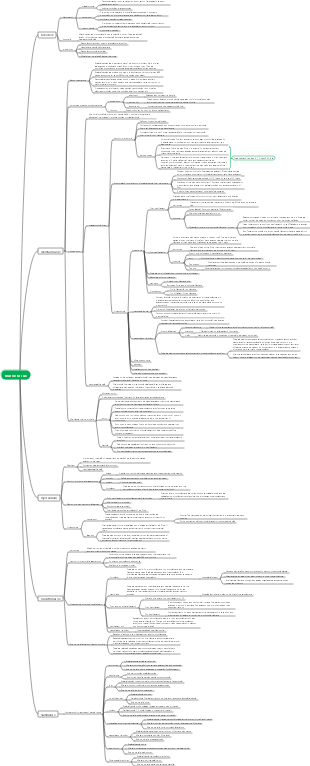
Blood is a red opaque viscous liquid flowing in the human blood vessels and heart. Its main components include plasma and blood cells. It is used to organize the review for the final exam in embryology!
Edited at 2023-11-09 12:05:27This is a mind map about bacteria, and its main contents include: overview, morphology, types, structure, reproduction, distribution, application, and expansion. The summary is comprehensive and meticulous, suitable as review materials.

This is a mind map about plant asexual reproduction, and its main contents include: concept, spore reproduction, vegetative reproduction, tissue culture, and buds. The summary is comprehensive and meticulous, suitable as review materials.
This is a mind map about the reproductive development of animals, and its main contents include: insects, frogs, birds, sexual reproduction, and asexual reproduction. The summary is comprehensive and meticulous, suitable as review materials.
This is a mind map about bacteria, and its main contents include: overview, morphology, types, structure, reproduction, distribution, application, and expansion. The summary is comprehensive and meticulous, suitable as review materials.
This is a mind map about plant asexual reproduction, and its main contents include: concept, spore reproduction, vegetative reproduction, tissue culture, and buds. The summary is comprehensive and meticulous, suitable as review materials.
This is a mind map about the reproductive development of animals, and its main contents include: insects, frogs, birds, sexual reproduction, and asexual reproduction. The summary is comprehensive and meticulous, suitable as review materials.
blood
5L of blood in a healthy adult, accounting for 7% of body weight
Blood anticoagulants are divided into three layers
Upper layer of light yellow plasma
The middle layer contains white blood cells and platelets
The lower layer is red blood cells
Blood
Measurement results of blood cell morphology, number, percentage and hemoglobin content
Blood cells (45%)
red blood cells
hemoglobin
Male 120-150, female 110-140, g/l)
Anemia is defined as red blood cells less than 3*10^12 or Hb less than 100g/l
deformability
red blood cell membrane skeleton
Element
Spectrin and actin
Hereditary spherocytosis (congenital hemolytic anemia)
ABO blood group antigen system
life
120 days
Reticulocytes
Some ribosomes remain
Coal tar blue dyeing appears as a fine mesh
Accounts for 0.5~1.5% of red blood cells
Testing if anemia treatment is effective
leukocyte
granulocytic leukocytes
Neutrophils (most numerous)
structure
Cell body spherical, 10-12 microns
nuclear
mature cells lobulated
Immature cells are rod-shaped
(Nuclear shift to the left: severe bacterial infection, nuclear shift to the right: bone marrow hematopoietic dysfunction)
The cytoplasm is very light pink and contains granules.
(20% light purple azurophilic particles, high electron density, 0.6-0.7 microns, lysosome {acid phosphatase}
Light red special particles 80%, 0.3-0.4 micron, secretory particles {lysozyme, phagocytosin})
Function
Strong chemotaxis, phagocytosis of bacteria and foreign bodies
After being swallowed in large quantities, they die and turn into pus cells.
eosinophils
structure
Spherical, 10-15 microns
The nucleus is often divided into two lobes
Bright red eosinophilic granules (specialized lysosomes)
Cationic protein (parasiticide)
Histaminase (breaks down histamine)
Arylsulfatase (inactivates leukotrienes)
Deformation movement (chemotaxis)
Influenced by eotaxin released from mast cells etc. (pathogens and allergic reactions)
Function
Anti-allergic reactions, anti-parasitic
Basophils (the smallest number)
structure
Spherical, 10-12 microns
The nucleus is lobed or S-shaped or irregular
Blue-purple basophilic granules (secretory granules)
heparin
histamine
neutrophil chemoattractant
eotaxin
Synthesize and secrete leukotrienes
Function
Involved in allergic reactions (same as mast cells)
agranulocytosis
Lymphocytes
Classification
small lymphocytes
6-8 microns, less cytoplasm, strong basophilic, round nuclei with side concavities, massive chromatin, and deep staining
Lymphocytes
9-12 microns, with more cytoplasm and a small amount of azurophilic granules, and nuclear chromatin is slightly sparse and lightly colored.
large lymphocytes
13-20 microns
EM
Ribosomes, lysosomes, mitochondria, Golgi apparatus, rough endoplasmic reticulum
There are mainly small lymphocytes in the blood, some medium lymphocytes, and large lymphocytes are present in lymphoid tissues.
Monocytes (the largest white blood cells)
14~20 microns
The nucleus is kidney-shaped, horseshoe-shaped or twisted and irregular, and the cytoplasm is weakly basophilic and gray-blue.
Contains azurophilic granules (lysosomes)
differentiate into macrophages
platelets
source
Small pieces of cytoplasm shed by bone marrow megakaryocytes
structure
LM: biconvex disc shape, 2-4 microns, protruding after being stimulated, often clustered in groups on blood smear, divided into central granular area and peripheral transparent area
EM:
Peripheral transparent area
microfilaments microtubules
central granular zone
Special granules (a granules), dense granules, a small number of lysosomes, open tubules, dense tubules
Function
Special granules contain platelet factor ④, platelet-derived growth factor (PDGF)
Dense granules contain serotonin, calcium ions
Involved in hemostasis and coagulation
Lifespan 7-14 days
Plasma (55%)
Water (90%)
plasma proteins
lipoprotein
enzyme
vitamins
hormone
metabolite
Inorganic salt